Tobacco Farmers in Kenya Shift to Beans and Other Food Crops as Migori Experience Reaches Embu
- Tobacco farmers in Kenya are switching to beans, soya and groundnuts, with farmers in Migori showing Embu County the results of alternative crops.
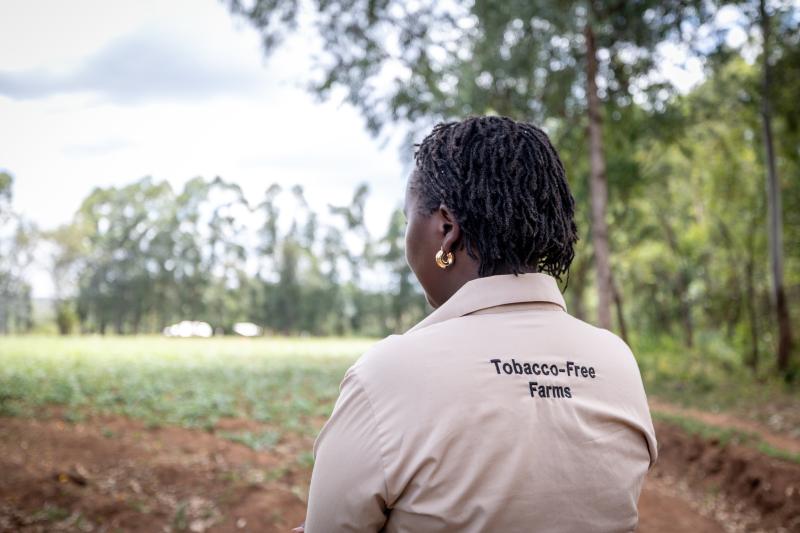
Migori Farmers Shift from Tobacco to Beans as Embu County Explores Alternative Crops
Farmers in Migori County who abandoned tobacco production are now growing beans, soya, groundnuts and other food crops, offering an example for tobacco-growing communities in Embu County seeking alternative sources of income.
The transition has attracted attention from government officials, agricultural organisations and farmers in Embu, where tobacco production remains part of some households’ livelihoods. A delegation visited Migori in September 2026 to learn how farmers had made the switch and assess the opportunities for introducing alternative crops in their county.
The initiative follows concerns over the economics of tobacco farming, its effects on health and the use of agricultural land for a crop that does not contribute to household food supplies.
Figures from the World Health Organization (WHO) show that Kenya’s tobacco leaf production increased from 10,619 metric tonnes in 2020 to 12,446 metric tonnes in 2024. The area harvested under tobacco also increased by 15.67% between 2005 and 2024.
Across Africa, tobacco leaf production rose by 8.61% between 2012 and 2024, even as global production declined by 18.8%, according to the WHO report Status of Tobacco Production and Trade in Africa, published in August 2026.
Nearly 8,900 Migori Farmers Have Left Tobacco Production
Migori has been one of Kenya’s major tobacco-producing counties. The shift towards alternative crops began gaining support through the Tobacco-Free Farms initiative, launched in Kenya in 2021.
The programme brings together WHO, the World Food Programme, the Food and Agriculture Organization of the United Nations, the UN Capital Development Fund and the UN Convention to Combat Desertification. Kenya’s Ministry of Health and Ministry of Agriculture are also involved.
The initiative promotes alternative crops with nutritional and commercial value, including high-iron Nyota beans, soya beans and groundnuts.
More than 12,400 farmers have moved away from tobacco production through the programme. Nearly 8,900 of them are from Migori County.
The experience in Migori has now become a learning point for other tobacco-growing areas. During the September visit, representatives from Embu’s health and agriculture departments, WHO, the Cereal Growers Association and local tobacco farmers met farmers and visited agricultural activities in Migori.
Embu County is considering alternative crops, including Nyota beans, to help its farmers reduce their dependence on tobacco.
Stephen Mbogo, Noncommunicable Diseases Coordinator at the Embu County Department of Health, said the county was introducing alternative crops to encourage farmers to leave tobacco production.
He said the delegation wanted to understand how farmers in Migori had adopted the alternatives and use the experience to encourage similar changes in Embu.
Nyota Beans Offer Farmers Food and Income
For farmers who have made the transition, the change has affected both household food supplies and income.
Julius Omondi, a farmer in Migori, grew tobacco for two to three years before switching to Nyota beans. He also works as a boda boda rider.
He said tobacco farming required months of work, but the money received after selling the leaf often went towards buying food for the household.
With beans, he spends a shorter period growing the crop and keeps part of the harvest for household consumption. The income from sales also supports other family expenses.
Omondi now uses earnings from bean production to pay school fees for his two younger brothers.
His experience illustrates one of the main differences between tobacco and food crops. A farmer selling tobacco must still purchase household food, while crops such as beans provide both a harvest for consumption and produce for sale.
For households with limited land, the choice of crop affects how much food remains available after the harvest and how much money farmers retain for other needs.
Farmer Service Centres Help Connect Producers to Markets
Access to reliable buyers is important when farmers replace an established commercial crop with alternatives. In Migori, Farmer Service Centres are helping producers access quality seeds, agricultural inputs and markets for their harvests.
The centres support the collection and marketing of several crops, including beans, maize, soya beans, sunflower, groundnuts and sorghum.
Molline Achieng of the Suna West Farmer Service Centre hub said the centre bought 150 bags of maize, five tonnes of beans and two tonnes of groundnuts during the previous season.
These arrangements give farmers a point of contact when sourcing inputs and selling produce. They also help create demand for crops that farmers are encouraged to grow in place of tobacco.
Migori County Executive Committee Member for Agriculture Lucas Mosenda said alternative crops were now competing with tobacco and delivering better results for farmers.
The development points to the importance of market arrangements in crop diversification. Farmers need buyers who are willing to purchase their produce after investing in seed, labour and other inputs.
Cost Comparisons Show Why Farmers Are Leaving Tobacco
The financial performance of tobacco compared with alternative crops has been a major part of the transition programme.
Nancy Silong, a Project Officer at the Cereal Growers Association who has worked on Tobacco-Free Farms for five years, said farmers were encouraged to examine the full cost of producing tobacco.
The assessment includes expenses that farmers might overlook when comparing crop returns, such as firewood used during tobacco curing.
A cost-benefit analysis covering the October to December 2024 season found that tobacco consistently recorded a net loss per acre, while most of the alternative crops performed better.
This comparison gives farmers a basis for assessing whether the crop they grow provides a worthwhile return after production costs.
Silong said farmers often decide to move away from tobacco after examining the actual costs and earnings.
The programme has also brought changes to household labour arrangements. Tobacco production involves work beyond the field, including activities linked to curing. Silong said women and children were now being freed from some of the labour associated with tobacco growing.
Embu Farmer Reduces Tobacco Acreage and Plants Avocados
The experience in Migori has also influenced farmers who travelled from Embu to study the alternatives.
Benson Ruo has grown tobacco since 1995. He said the crop initially provided a source of income when he had few other options, but he had become dissatisfied with its returns over the years.
Before the learning visit, Ruo had reduced his tobacco acreage from between two and three acres to half an acre. He had also planted avocado trees and prepared land for Nyota beans.
He intends to stop tobacco production altogether.
Ruo said his experience with different crops had influenced his decision to change the direction of his farming activities. He has six children. His first four helped him on the tobacco farm, while earnings from other crops have supported the education of his younger children.
His decision reflects the choices facing tobacco-growing households as they assess the returns from alternative enterprises.
For farmers considering a similar move, the transition involves identifying crops suited to their land, finding reliable markets and planning how to replace income previously earned from tobacco.
Radio and Farmer Experiences Support the Campaign
Communication has also played a part in encouraging farmers to consider alternatives.
Emily Otieno, a presenter at Dalla FM, a local radio station in Migori, records farmers’ experiences and shares them in local languages. The aim is to reach households that might be reluctant to abandon tobacco without seeing evidence from other farmers.
Mosenda said more farmers needed to hear these experiences because some still feared moving away from tobacco.
The approach gives farmers an opportunity to hear directly from people who have already changed crops. Their experiences cover the costs of production, household food availability, income and the challenges involved in finding new markets.
Calvince Otieno, WHO Field Coordinator for the Tobacco-Free Farms initiative, said evaluations had shown that some tobacco-growing communities were making losses despite depending on the crop for their livelihoods.
He said switching to alternative crops offered households access to food and reduced exposure to health hazards associated with tobacco farming.
The programme hopes to extend the approach to other tobacco-producing areas.
What the Transition Means for Tobacco-Growing Farmers
The experience in Migori shows that moving away from tobacco requires more than encouraging farmers to plant different crops. Farmers need suitable seed, access to inputs, technical support and dependable markets for their produce.
Nyota beans, soya and groundnuts are among the alternatives promoted through the initiative. Avocado production has also featured in the choices made by individual farmers, including Ruo in Embu.
The experience of Migori farmers offers several lessons for households considering crop diversification:
- Compare the full cost of production with expected sales income before choosing a crop.
- Identify buyers and marketing arrangements before committing large areas of land to a new crop.
- Consider crops that provide both household food and income.
- Select varieties suited to local growing conditions and available markets.
- Seek support from agricultural extension officers and farmer service centres when changing production systems.
The transition also requires attention to the time farmers need to establish new enterprises. Households should plan how to manage income during the period when they reduce tobacco production and wait for alternative crops to generate returns.
WHO Initiative Seeks a Tobacco-Free Migori
The Tobacco-Free Farms initiative is working towards a future in which communities previously dependent on tobacco have viable alternative agricultural enterprises.
Silong said the programme hoped to see Migori eventually abandon tobacco growing completely.
The experience of the county is now being shared with farmers and officials from Embu, with the aim of encouraging a similar transition.
For Migori households, the shift has brought more food crops into production and created new routes to market. For Embu, the learning visit offers an opportunity to assess which alternatives suit local farmers and how to support them.
The broader challenge is to ensure farmers have a reliable economic reason to leave tobacco. The cost-benefit assessment, Nyota bean production and market links in Migori provide evidence for the discussion, while individual farmers’ experiences show how crop choices affect household income and food supplies.
The WHO and its partners are seeking to extend the approach to other tobacco-growing communities in Kenya and beyond.
Read original post here
https://farmerstrend.co.ke/trending/tobacco-farmers-in-kenya-shift-to-food-crops/https://farmerstrend.co.ke/wp-content/uploads/2026/11/Tobacco-Farmers-in-Kenya-Shift-to-Beans-and-Other-Food-Crops-as-Migori-Experience-Reaches-Embu.jpghttps://farmerstrend.co.ke/wp-content/uploads/2026/11/Tobacco-Farmers-in-Kenya-Shift-to-Beans-and-Other-Food-Crops-as-Migori-Experience-Reaches-Embu-150x150.jpg# TrendingTobacco farmers in Kenya are switching to beans, soya and groundnuts, with farmers in Migori showing Embu County the results of alternative crops.Migori Farmers Shift from Tobacco to Beans as Embu County Explores Alternative Crops Farmers in Migori County who abandoned tobacco production are now growing beans, soya, groundnuts...FarmersTrendjohn doefarmerstrend@gmail.comAdministratorFarmers Trend Ltd.





Leave a Reply