What Separates a Premium Pixie Orange Farm From an Average One in 2026: Grading, Irrigation and the Sweetness Buyers Pay Extra For
A premium pixie orange farm earns more from the same number of trees. The difference does not come from luck or from a better acre. The difference comes from three habits: grading fruit to a buyer’s standard, watering on a steady schedule and picking fruit at the right sweetness.
Average farms plant pixie seedlings and wait for the harvest. Premium farms plan the fruit from the day they plant. They watch water, measure sugar, sort every fruit and agree prices before they pick. Buyers pay more for the result.

This article shows you what a premium pixie orange farm does differently in 2026. You see the money first. Then you see the practice behind each gain, from seedlings to the shelf. You also learn what the sources do and do not tell you, so you plan with facts.
The Premium Gap in Shillings: What a Pixie Orange Farm Earns at Two Levels
Reports from Kenyan farms give you three numbers to start with. Rich Farm Kenya told Kenyans.co.ke a pixie tree gives about 60 kilograms of fruit and an acre holds about 270 trees. The same report says farmers earn at least KSh 1.2 million an acre. You find the report at Kenyans.co.ke report on pixie earnings.
Multiply the first two numbers. An acre gives 16,200 kilograms. The KSh 1.2 million claim then implies about KSh 74 a kilogram. Seedfarm quotes prices of KSh 100 to KSh 150 a kilogram for pixie in local and export markets. The price depends on grade, season and buyer. Treat every figure as a claim to test on your own farm.
The table below compares an average farm with a premium farm on one acre of 270 trees. The figures are planning numbers, not survey results. They show how three levers multiply: the weight of fruit per tree, the share of fruit which passes grading and the price per kilogram.
| Measure | Average Farm | Premium Farm |
|---|---|---|
| Yield per tree | 40 kg | 60 kg |
| Fruit from 270 trees | 10,800 kg | 16,200 kg |
| Share which passes grading | 60 percent | 85 percent |
| Fruit sold at grade | 6,480 kg | 13,770 kg |
| Average price per kg | KSh 60 | KSh 100 |
| Income from one acre | KSh 388,800 | KSh 1,377,000 |
The premium farm earns about 3.5 times more from the same land. Water lifts the first number. Grading and pest control lift the second. Sweetness, colour and a good buyer lift the third. The next sections show you how to reach each number.
Where These Numbers Come From
The Business Daily reported in October 2021 on pixie growers in Makueni. Farmer Ambrose Kimanthi, who grows pixie on at least 20 acres, said premium prices follow limited supply and high demand. The Nation described Peter Mwaka, a Makueni farmer with more than 4,000 citrus trees, mostly pixie. He said the striking yellow-orange colour and the taste make pixie easy to sell.
Those reports are several years old. Prices change by season and buyer. Ask two buyers for today’s price and grade before you copy any number from an article.
Site and Soil: Where a Premium Pixie Orange Farm Starts
Pixie thrives in dry and semi-arid areas such as Makueni, Machakos, Kitui and parts of the coast. Farmers Trend Limited describes pixie as a seedless mandarin with a yellow-orange rind which peels easily. The fruit does well in sandy, well drained soil with a pH of 6.5 to 7.3, and the trees need full sun.
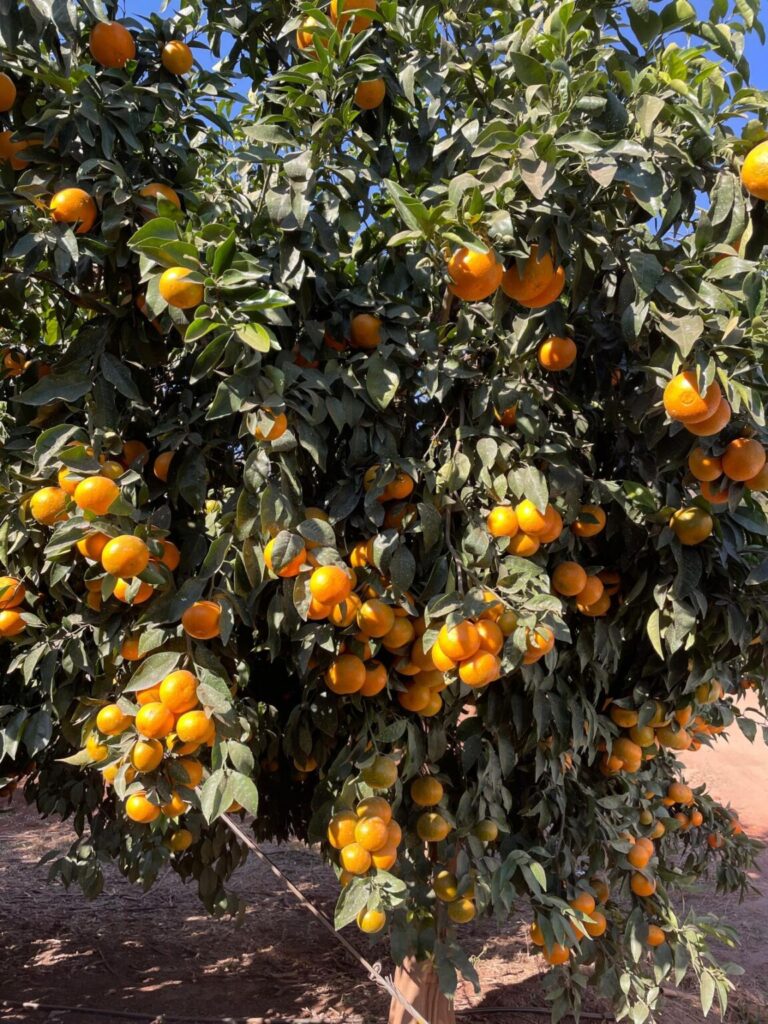
A premium farm picks the site with care. Choose land with good drainage. Avoid hollows where water stands. Plan for full sun on every tree, so fruit ripens evenly and sugars build. Protect young trees from strong wind with a windbreak.
Altitude also matters for disease. The Biovision Infonet reports African citrus greening disease does not occur in Kenya below 800 metres above sea level, because both the bacterium and the psyllid which carries the disease are sensitive to heat. You find the page at Biovision Infonet page on citrus greening disease. Ask your extension officer which pests and diseases occur at your altitude before you plant.
Certified Grafted Seedlings: The First Premium Decision on Your Pixie Orange Farm
A premium pixie orange farm begins with clean, true-to-type seedlings. Pixie is a mandarin developed in 1972 at the University of California Citrus Research Center. The fruit is seedless and carries no known cultivars. A seedling which is not true to type gives you a different fruit, with seeds and a different taste.
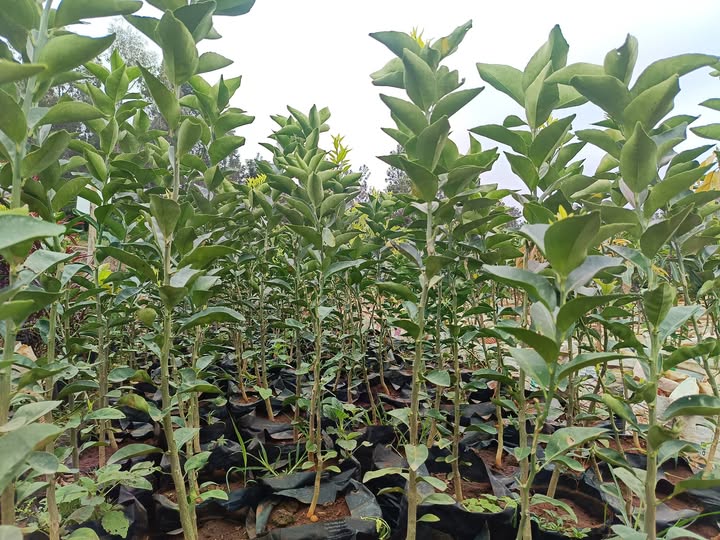
Disease travels in planting material. African citrus greening spreads through psyllids and through budwood taken from diseased trees. The Biovision page advises growers to use disease-free budwood and to replace diseased young trees, because they never bear fruit. Cheap seedlings from an unknown source put your whole orchard at risk.
Farmers Trend Limited sells grafted pixie orange seedlings at KSh 250 each. Order at Grafted Pixie Orange Seedlings. Before you pay, look at the graft union. The union must be smooth and fully healed. Check the stem, which must stand straight and firm. Check the leaves, which must be green with no spots, curling or chewed edges.
What 270 Trees Cost at KSh 250
At KSh 250 a seedling, 270 trees cost KSh 67,500. Kenyans.co.ke quotes the same seedling figure for an acre. Buy a few extra seedlings to replace losses in the first year. Fifty extra seedlings cost KSh 12,500.
Compare the seedling cost with the planning income from the table. The seedlings for one acre cost less than 5 percent of the premium farm’s yearly income. Poor planting material costs far more in lost fruit and years of growth.
Irrigation: How a Premium Pixie Orange Farm Uses Water
Citrus trees withstand long dry spells. A Greenlife citrus note says irrigation still matters in the early stages and during and after flowering, to give the tree enough water for fruit set and growth. Premium farms follow this advice. Average farms wait for rain.
Water decides three things on a pixie orange farm. It decides how many fruits set after flowering. It decides how big the fruit grows. It also decides how even the fruit ripens. Erratic watering gives you small fruit, cracked fruit and fruit which drops early.
Water Young Trees to Build the Frame
Water seedlings often in the first year. Keep the soil around the roots moist, not wet. Spread a thick layer of dry grass mulch around each tree and leave a hand’s width from the stem. Mulch holds moisture and keeps the soil cooler.
Water at Flowering and Fruit Set
Flowering and fruit set are the critical weeks. A dry spell at this stage cuts the number of fruits. Plan your water supply before flowering starts. Fill tanks, repair pipes and test pumps in advance.
Keep Water Steady While Fruit Grows
Fruit grows for months. Steady water through this period gives even, well sized fruit. A long dry spell followed by heavy water causes cracking. Drip irrigation delivers water at a steady rate to the root zone. Check the soil with your hand at the depth of the roots before and after each irrigation.
Ask About Water Before Harvest
Some growers cut irrigation slightly in the weeks before picking. The practice can concentrate sugars, but heavy stress shrinks the fruit and harms the tree. Ask your agronomist for a plan for your soil and your variety. Never stress the trees hard in the months when fruit is sizing.
Plan Your Water Source
A premium pixie orange farm has a reliable water source for the dry months. Options include a borehole, a pan or dam, a river with a permit and harvested rainwater in tanks. Estimate the volume you need for your trees and add a safety margin. A farm without water in the driest month loses its crop in the month that matters.
Sweetness: The Quality Buyers Pay Extra For
A mandarin earns its price at the first bite. The sugar to acid ratio is the major component of mandarin flavour, and consumers favour sweetness. Fruit picked too early tastes sour. Buyers who receive sour fruit stop ordering.
Citrus does not ripen after harvest. A Hort Innovation report notes citrus are non-climacteric, so fruit does not gain sugar after picking. You must pick when the fruit is ready. A pixie orange farm which picks early loses repeat customers.
Measure Your Sweetness With a Refractometer
Brix measures the sugar in the juice. A handheld refractometer costs little and reads Brix in seconds. Squeeze juice from a sample of fruit onto the glass and read the number.
Western Australia’s agriculture department explains the full method at Western Australia agriculture department method for measuring citrus maturity. Measure juice content, Brix and acid. Divide Brix by the acid percentage to get the sugar to acid ratio. In its example, 15.2 Brix and 1.55 percent acid give a ratio of 9.8.
University of Georgia researchers give another example. Juice with a Brix of 10 and an acid level of 0.9 gives a ratio of 11.1, which indicates quality fruit. Low Brix with low acid gives a good ratio and poor taste, so look at both numbers.
The European Union sets a minimum juice content of 33 percent for mandarins, and a coloured surface above one third of the fruit. I found no published Kenyan Brix standard for pixie. Ask your buyer which Brix, colour and size the buyer wants, and write the answer into your contract.
Build a Simple Sweetness Routine
Start testing two weeks before you expect to pick. Take 10 fruits from different trees and sides of the canopy. Taste a few and measure the Brix of the juice. Repeat every week. Record the numbers and the date.
Pick when the taste and the numbers meet your buyer’s standard. After a season, you know the Brix range of your pixie on your own soil and with your own water. Your records help you decide the right day for the next harvest.
Feed the Tree for Flavour and Size
Feeding affects size and sweetness. Excess nitrogen gives large, pale and less sweet fruit. Balanced feeding supports colour, size and sugar. Test your soil, apply feed on a schedule and use well decomposed manure. Ask your agronomist for the right mix for your soil.
Alternate Bearing: How a Premium Pixie Orange Farm Evens Out Its Crop
Farmers Trend Limited notes pixie trees tend to bear a good crop one year and a poor crop the next. Heavy crops also give smaller and less sweet fruit. The swings hurt your cash flow and your grade.

A premium farm manages the cycle. Prune after harvest to keep a strong frame and open the canopy. Feed the tree after a heavy crop so it recovers. Thin fruit in heavy years where trees carry too much, so the remaining fruit grows larger and sweeter. Water steadily in both years.
Keep records of the crop on marked trees. After two or three seasons, you see the pattern on your own farm. Plan sales and cash around the cycle.
Grading: Where Average Pixie Orange Farms Lose Half Their Crop
Grading separates fruit by size, colour and condition. A supermarket pays for clean, even, well coloured fruit. The same orchard also grows fruit with scars, blemishes and pest damage. Without grading, you sell all the fruit at the price of the worst fruit.
Mandarin quality factors include maturity, sugar and acid, juice content, firmness, freedom from defects, colour, size, shape, peel and ease of peeling. Buyers judge fruit on those factors. A grading table on your packing shed wall helps your crew sort the same way every day.
| Grade | What It Looks Like | Where You Sell |
|---|---|---|
| Grade 1 | Even size, strong yellow-orange colour, clean skin, firm, sweet | Supermarkets and premium buyers in Nairobi and Mombasa |
| Grade 2 | Slight colour or size variation, minor skin marks | Fruit shops and open-air markets |
| Grade 3 | Small, misshapen or marked fruit, sound inside | Juice makers and local traders |
| Reject | Rotten, split, pest damaged or soft | Bury or compost away from the orchard |
Pests Which Downgrade Your Fruit
The false codling moth and fruit flies cause the most damage to citrus fruit in Kenya. An Icipe study at Lukore on the Coast found the false codling moth in 52 percent of infested young orchard fruit, and the invasive fruit fly Bactrocera invadens in 40 percent. Research summaries cited by the ZEF project at the University of Bonn put fruit loss to the false codling moth at 34 to 68 percent.
Larvae tunnel into the fruit and cause early fruit drop. A fruit with a tunnel fails grading. You also lose export access, because the false codling moth is a quarantine pest in sensitive markets. Kenya’s phytosanitary agency KEPHIS inspects and certifies fruit for export.
What to Do About Pests
Walk your orchard every two weeks. Look at fruit and leaves. Hang pheromone traps for fruit flies and the false codling moth, as KEPHIS advises for fruit flies. Collect and bury fallen fruit so larvae do not complete their cycle. Clear bushes near the orchard and keep the ground clean.
Watch the leaves for the African citrus psyllid. Scientists from Icipe and KEPHIS also confirmed the Asian citrus psyllid in Kilifi, Kwale and Taita Taveta. Report suspect trees to your extension officer. Use registered products only when scouting shows damage, and follow the label.
Harvest and Packing: Protect the Grade You Grew
A premium pixie orange farm loses little fruit between the tree and the buyer. Cut the fruit with clippers and leave a short stalk. Never pull the fruit from the branch, because pulling tears the skin at the stem end and invites rot. Place the fruit in the picking bag with care.
Put the fruit in shade as soon as you pick. Use clean plastic crates and fill each crate to the same level. Do not overfill. Move fruit to the grading shed the same day and deliver within 24 hours. Label each crate with the farm name, the grade and the date.
Clean your crates and your hands. Dirt, sap and sticky juice from damaged fruit stain neighbouring fruit and speed rot. A clean packing routine takes minutes and saves grade.
Selling: Where Premium Prices Come From
A better grade only pays when you find the right buyer. Demand for fresh oranges in Kenya exceeds local supply, according to a trade profile of the market. The Agriculture and Food Authority’s citrus manual lists pixie among the locally prominent varieties. Supermarkets in Nairobi and Mombasa want seedless sweet mandarins, and supply stays limited.
Talk to buyers before you plant and again before every harvest. Ask for the size, colour, Brix, packing and delivery day. Ask for the price per kilogram and the payment date. Write the answers in your notebook or save a message from the buyer.
Sell as a group where your orchard is small. Farmers in Makueni spread across dozens of acres and groups of neighbours fill larger orders. A group offers volume and a steady schedule, which buyers prefer. Share transport and packing costs.
Add Value From Fruit Which Misses Grade
Grade 3 fruit has good flavour. Juice makers and local traders buy fruit which fails supermarket grade. Pixie juice and dried snacks are options farmers explore. Ask a processor near you what fruit and volume the processor takes.
Keep Records for Every Sale
Write the date, the grade, the weight, the price and the buyer for each sale. After one season, you see which grade and which buyer pay best. You also see your cost per kilogram and your real margin.
A Year on a Premium Pixie Orange Farm
Plan your year around the cycle of the trees. After harvest, prune, clean the orchard and feed. Before flowering, check the water supply and the traps. During flowering and fruit set, water steadily and avoid harsh sprays. While fruit grows, scout every two weeks, water steadily and thin heavy crops.
Before picking, test Brix weekly and talk to your buyer. During picking, grade, pack and deliver the same day. After the season, review your records, mark the best trees and plan the next season.
Grafted citrus usually starts bearing in its third or fourth year. Ask your nursery for the bearing time of your seedlings in your area. Use the early years to build a strong frame, set up water and intercrop with beans or vegetables.
Pixie Orange Farm Seedlings From Farmers Trend Limited
Farmers Trend Limited sells grafted pixie orange seedlings at KSh 250 each. Order at Grafted Pixie Orange Seedlings. Read more on pixie orange farming in Kenya from Farmers Trend Limited at pixie orange farming in Kenya.
Choose the seedlings for a block you can water. Plan your layout on the grading goals of your buyer. Keep a record of the planting date and the block for every tree.
Cost of Seedlings by Orchard Size
A block of 100 trees costs KSh 25,000 in seedlings at KSh 250. A block of 270 trees, about an acre, costs KSh 67,500. A block of 540 trees, about two acres, costs KSh 135,000. Start with the area you manage well. Expand as your records show you the real yield and price.
Mistakes Which Keep a Pixie Orange Farm Average
Avoid seedlings of unknown source. Avoid planting where water is not available in the dry months. Avoid picking by calendar date instead of by taste. Avoid selling ungraded fruit at one price. Avoid skipping pest traps until fruit shows damage.
Avoid selling alone to the first buyer. Avoid planning on the highest yield and the highest price. Use the low figures for your cash flow and treat higher results as extra.
Quick Answers on Pixie Orange Farming in Kenya
What makes a premium pixie orange farm?
A premium pixie orange farm uses certified grafted seedlings, steady irrigation, tested sweetness, strict grading, pest control and a buyer agreed before harvest.
How much can a pixie orange farm earn per acre?
Reports cite at least KSh 1.2 million an acre, with about 60 kilograms per tree on about 270 trees. Treat the figure as a claim to test. Your price, grade and yield decide your result.
How much do grafted pixie orange seedlings cost?
Farmers Trend Limited sells grafted pixie orange seedlings at KSh 250 each. A block of 270 trees costs KSh 67,500.
What soil does pixie need?
Farmers Trend Limited advises sandy, well drained soil with a pH of 6.5 to 7.3 and full sun. Pixie performs well in dry and semi-arid areas with irrigation.
How do I measure the sweetness of pixie oranges?
Use a handheld refractometer to measure the Brix of the juice. Divide Brix by the acid percentage to get the sugar to acid ratio. Ask your buyer for the target.
Do pixie trees bear every year?
Pixie trees tend to bear a good crop one year and a poor crop the next. Prune after harvest, feed and thin heavy crops to even out the cycle.
Which pests damage pixie fruit?
The false codling moth and fruit flies are the main fruit pests in Kenya. The African citrus psyllid carries greening disease. Scout every two weeks and use traps.
Where does pixie grow in Kenya?
Pixie grows in dry and semi-arid areas such as Makueni, Machakos and Kitui, and in parts of the Coast such as Voi. You need a water source for the dry months.
Build Your Premium Pixie Orange Farm From the First Tree
A premium pixie orange farm does the same few things well. It plants certified grafted seedlings. It waters on a steady plan. It tests sweetness and picks on the right day. It grades every fruit, controls pests and sells to a buyer agreed before harvest.
The planning table shows what these habits are worth. An average farm earned KSh 388,800 from an acre in the model, and a premium farm earned KSh 1,377,000. Your real numbers will differ. Your records will tell you how close you are.
Start with the first tree. Farmers Trend Limited sells grafted pixie orange seedlings at KSh 250 each. Order at Grafted Pixie Orange Seedlings.
Call or WhatsApp 0790 509 684 or 0724 559 286. Email info@farmerstrend.co.ke.
https://farmerstrend.co.ke/trending/pixie-orange-farm-premium-2026/https://farmerstrend.co.ke/wp-content/uploads/2026/11/pixie-farm-wassup-1024x770.pnghttps://farmerstrend.co.ke/wp-content/uploads/2026/11/pixie-farm-wassup-150x150.png# TrendingFruitsIn FruitsPixie Orange FarmingAfrican citrus psyllid,Brix mandarin,citrus greening Kenya,citrus value addition,dry area farming Kenya,false codling moth citrus,Farmers Trend Limited,fruit fly citrus Kenya,grafted pixie orange seedlings,Kitui pixie,Machakos pixie,Makueni pixie farmers,pixie alternate bearing,pixie fruit farming,pixie mandarin Kenya,pixie orange farm,pixie orange farming in kenya,pixie orange grading,pixie orange irrigation,pixie orange per acre,pixie orange pests,pixie orange profit,Pixie orange seedlings,pixie orange seedlings price Kenya,pixie orange supermarkets Kenya,pixie orange sweetness,premium pixie orange farm,refractometer citrusA premium pixie orange farm earns more from the same number of trees. The difference does not come from luck or from a better acre. The difference comes from three habits: grading fruit to a buyer’s standard, watering on a steady schedule and picking fruit at the right sweetness.Average...FarmersTrendjohn doefarmerstrend@gmail.comAdministratorFarmers Trend Ltd.


Leave a Reply