Embu Farmers Get Value-Chain Training Under NAVCDP as Sh500 Million Machang’a Industrial Park Takes Shape
Embu farmers get value-chain training which changes how they plan, produce and sell. The County Government of Embu and the National Agricultural Value Chain Development Project (NAVCDP) now train farmers in dairy, coffee, avocado, mango and beekeeping. The aim is to move you from subsistence farming to market-driven production, where you grow for a buyer and earn a higher income.

The training follows the climate of the county. Farmers in the upper parts of Manyatta and Runyenjes constituencies train in dairy, coffee and avocado. Farmers in the lower, drier parts of Mbeere North and Mbeere South train in mango and beekeeping. Every group learns skills for the crops and animals on the land of each member.
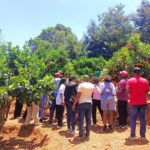
Embu County Chief Officer for Agriculture Njeru Mwita spoke during a session with 400 farmers. He said value addition cuts post-harvest losses and protects you from market price swings. In his words, “value addition is one way of ensuring farmers earn higher incomes.”
This guide explains what the training covers and the five skills you need most. You learn how each skill works on a farm, what each skill asks of your time and money, and how to join. Match each section to the crop or animal you keep.
How Embu Farmers Get Value-Chain Training Through NAVCDP
NAVCDP is a community driven development project. According to the NAVCDP website, the project seeks to increase market participation and value addition for small-scale farmers in 33 counties. The Government of Kenya and the World Bank support the project. The Kenya Agricultural and Livestock Research Organisation (KALRO) supplies the technical guides for each value chain.
The national list of priority value chains includes dairy, coffee, chicken, avocado, banana, mango, Irish potatoes, tomato, beekeeping, pyrethrum, rice, cashew nut and cotton. Embu applies this list to the zones of the county. Climate decides which chains fit which constituency.
| Zone | Constituencies | Value chains | Training focus |
|---|---|---|---|
| Upper zone | Manyatta, Runyenjes | Dairy, coffee, avocado | Quality, processing, group sales |
| Lower dry zone | Mbeere North, Mbeere South | Mango, beekeeping | Pest control, drying, hive management |
The county builds support around the training. Mwita said the county government has spent millions of shillings on a market, earth dams and boreholes. The market supports post-harvest handling. The dams and boreholes supply water for irrigation. Water matters most in the lower dry areas, where rain is unreliable.
Why Embu Farmers Get Value-Chain Training to Leave Subsistence Farming
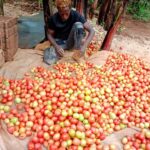
About 70 percent of Embu residents earn a living from crops and livestock, according to a Farm Africa project fact sheet. When you sell raw produce at harvest peak, you compete with every neighbor holding the same crop. Supply is high. Prices drop.
Coffee shows the cost. A Kenya News Agency report says poor earnings over the years pushed some Embu farmers to uproot coffee bushes and switch to dairy. NAVCDP responded with capital grants. Coffee farmers in 24 cooperative societies received Sh24.2 million for inputs. The Embu County Coffee Mill received Sh17.9 million to build a 40,000-bag parchment store. The mill chairperson said societies no longer face rejection for lack of storage space.
Value addition fixes three problems. You lose less produce. You earn more on each kilo. You stop depending on one buyer at one price. The five skills below address those problems in order.
Skill 1: Post-Harvest Loss Prevention
Post-harvest loss is income you grew and never sold. Kenyan studies often put mango losses between 30 and 40 percent of the harvest. Every kilo you save adds to your sales without a new tree, cow or hive.
Handle Mangoes to Protect Fruit Quality
Pick mangoes at the mature green stage. Leave a stalk of one to two centimeters on each fruit. Sap from a cut stalk burns the skin and invites rot. Use a picking pole with a cloth bag so fruit never hits the ground.
Place picked fruit in the shade with the stalk end down for 20 to 30 minutes so the sap drains. Sort out cracked, bruised and insect-damaged fruit. Dip sound fruit in water at 52 degrees Celsius for five minutes to reduce anthracnose. Pack fruit in ventilated plastic crates, not sacks.
Harvest Avocados at the Right Maturity
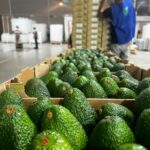
Buyers test avocados for dry matter. Hass fruit needs about 21 percent. Fruit picked early shrivels and ripens badly. Clip fruit with the stalk attached, using a pole with a net. Keep fruit off the ground and out of the sun. Move fruit to a cool store within hours. The cold rooms planned at the county aggregation park will serve this step.
Protect Milk and Coffee Cherry
Milk spoils within hours at room temperature. Filter milk after milking and pour milk into clean stainless steel or aluminium cans. Deliver milk to a cooling plant quickly.
For coffee, pick ripe red cherry only. Deliver cherry to your society the same day. Cherry left in sacks overnight ferments and lowers the grade.
Track your losses. Weigh what you pick, weigh what you sell and write down the gap. A farmer who loses 30 kilos of every 100 sells 70. Cut the loss to 15 and you sell 85. You gain 15 kilos with no extra inputs.
Skill 2: Processing Raw Produce Into Higher-Value Products
Processing turns a perishable crop into a product with a longer shelf life and a higher price per kilo. Mwita named refining, drying and packaging as the goals of the training. Start with one product. Test the market with 50 packs. Add products after you sell the first batch.
Dry and Pulp Your Mangoes
Solar drying suits the sunny climate of Mbeere. Wash, peel and slice ripe mangoes into slices about five millimeters thick. Place the slices on mesh trays inside a covered solar dryer. Dry the slices until they turn leathery and bend without breaking. About eight to ten kilos of fresh mango make one kilo of dried slices. Pack dried slices in food-grade pouches and seal the pouches.
Mango pulp follows the same logic. Pulp stores longer than fresh fruit, so you sell outside the glut weeks.
Refine and Pack Your Honey
Harvest honey only from combs with capped cells. Capped honey has low moisture. Honey above 20 percent moisture ferments. Strain honey through a clean cloth or a steel filter. Let the honey settle for 48 hours, then skim the top and pack.
Use clean glass jars or food-grade containers and print a label with your name, weight and date. Beeswax gives you a second product. Melt clean wax in a double boiler and pour the wax into molds for candles and balms. Packaged products need Kenya Bureau of Standards certification to enter supermarkets.
Make Yoghurt and Maziwa Lala From Milk
Pasteurize milk at 63 degrees Celsius for 30 minutes before you make yoghurt. Add a starter culture, hold the milk at the right warmth, then cool and pack. Yoghurt and maziwa lala need clean equipment and steady cold storage. Sell in 250 ml and 500 ml packs, which suit household budgets.
Add Value to Avocado and Coffee
Avocados which miss export grade still hold value. Sell them in local markets or press them for oil. A group buys a press once and shares the cost among members. For coffee, ask your society about premium lots and about selling roasted and ground coffee. The new parchment store at the Embu County Coffee Mill gives societies space to hold quality lots for better offers.
Choose Your Product by Market
Pick a product after you find a buyer, not before. Visit three shops, a supermarket and a school or hotel kitchen near you. Ask what they buy, in what pack size and at what price. Ask how often they restock. A product with a named buyer and a pack size sells faster than a product made first and marketed later.
Skill 3: Group Marketing and Bulk Selling
Mwita said the county brings smallholder farmers into groups so they negotiate better prices through bulk sales. Buyers prefer one supplier with four tonnes over forty suppliers with 100 kilos each. Transport cost per kilo falls, and your group sets terms instead of accepting them.
Take a group of 20 mango farmers. Each farmer delivers 200 kilos of graded fruit. The group holds four tonnes. A buyer with a truck visits once, not twenty times. If the group wins KSh 5 more per kilo, members share KSh 20,000 in extra income.
Set Group Rules in Writing
Write down who leads the group, who keeps the money and who talks to buyers. Agree on grades before harvest. Agree on a minimum price below which the group does not sell. Pay members by the weight and grade they deliver. Clear rules stop disputes before they start.
Keep Records of Every Delivery
Record the member name, date, weight, grade, price and payment date for each batch. Records settle arguments. Records also show lenders and buyers your track record. A group with two seasons of clean records negotiates from strength.
Negotiate With Buyers as One Group
Send one or two trained members to talk to buyers. Bring your grade standards, your volumes and your delivery dates. State your minimum price and hold to the price. Ask for payment within a fixed number of days. A buyer who knows your group delivers on time returns each season.
Sell on Contract Where Buyers Offer One
A written order from a buyer fixes volume and price before harvest. You plan labour and transport with certainty. Ask the buyer for payment terms in writing, including the payment date.
Skill 4: Agroforestry and Beekeeping Together
Micere Murage, a bee farmer in Mbeere South, says the programme is changing how she plans, produces and markets. Training on agroforestry and beekeeping lets her keep large colonies, because flowering trees supply nectar. She has expanded her apiaries as a result.
Plant Trees for Bee Forage
Bees need nectar through the year. One crop flowers for a few weeks. Trees which flower in different months fill the gaps. Calliandra and grevillea are bee forage trees often recommended in Kenya. Mango and avocado blossoms also feed bees. Ask your extension officer which species suit your ward and your soil.
Place and Manage Your Hives
Place hives in shade, away from strong wind, and away from paths used by people and livestock. Set a clean water point near the apiary, because bees collect water daily. Hang hives from wire or place them on stands with ant guards. Inspect colonies every two weeks. Check the queen, brood, honey stores and pests such as ants and wax moths.
Choose between a top bar hive and a Langstroth hive. The Langstroth hive gives more honey per hive but costs more. The top bar hive costs less and suits farmers who start small.
Link Your Hives to Your Orchard
Place hives near flowering mango and avocado trees. Bees improve pollination, which raises fruit set. You earn from honey and from fruit on the same land. Avoid spraying while trees flower. If you need to spray, apply the product in the evening after bees return to the hive.
Kenya produces about 25,000 tonnes of honey a year against a potential near 100,000 tonnes, according to figures often cited by the Ministry of Agriculture. Embu farmers who add hives and process honey fill part of this gap.
Skill 5: Mango Pest Control to Stop Fruit Drop
Mango farmer Titus Njagi said farmers expect the training to help them control destructive pests. Pests cause premature fruit drop and fruit damage, and damaged mangoes find no market. Pest control protects the fruit you already grow.
Find the Cause of Fruit Drop
Fruit drop has several causes. Fruit flies lay eggs in ripening fruit. The larvae feed inside the flesh and the fruit falls. Fungal diseases such as anthracnose and powdery mildew attack flowers and young fruit. Water stress and poor nutrition also make young fruit fall.
Scout your orchard every week from flowering. Cut open fallen fruit. Look for larvae, black spots and white powder. The signs tell you which control to apply.
Control Fruit Flies With Sanitation and Traps
Collect fallen fruit every week. Bury the fruit deep in a pit and cover the pit with soil, or seal the fruit in black plastic bags and leave the bags in the sun. Hang bait traps with male lures in the canopy and replace lures on schedule. Fruit flies move between farms, so neighbors who trap together protect every orchard in the area. A farmer group makes this easy.
Prevent Disease and Protect Bees
Prune to open the canopy so air dries the leaves. Remove dead twigs and fallen leaves. Ask your extension officer which approved product suits your growth stage. Follow the label rate and the waiting period before harvest. Avoid spraying open flowers to protect the bees you now keep.
Irrigate at Fruit Set
Water stress at fruit set raises fruit drop. Use water from the earth dams and boreholes the county has built. A drip line puts water at the root zone and wastes less than hand watering. Water young trees on a fixed schedule through the dry months.
Match Each Skill to Your Value Chain
The five skills apply across the county, but each value chain needs a different starting point. Use the plan below to pick your first move.
Dairy Farmers in Manyatta and Runyenjes
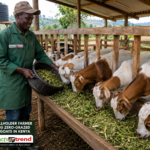
Start with milk hygiene and cooling. Clean cans, quick delivery and a steady milk record protect your price. Next, join a group which pools milk for a cooling plant. After two seasons of stable volumes, add yoghurt or maziwa lala for the local market. Feed quality drives milk volume, so ask your officer about Napier grass and fodder legumes before you add cows.
Coffee Farmers in the Upper Zone
Start with picking ripe cherry only. Deliver the same day to your society. Ask your society how the Sh24.2 million in input grants reached members and which inputs your group qualifies for. Track your cherry weights each month of the season, and compare payments with the weights you recorded. Records protect you when payment dates slip.
Avocado Farmers in the Upper Zone
Start with maturity testing and clean harvesting. Fruit which reaches the buyer at the right dry matter earns the grade price. Join a group so you meet export buyer volumes. Plan for the cold rooms at the aggregation park. Young orchards need four to five years before steady harvests, so intercrop beans or vegetables between rows in the early years to keep income flowing.
Mango Farmers in the Lower Dry Zone
Start with pest control and sanitation, because pests decide how much fruit reaches the market. Then add handling and drying. Dried mango opens a market which does not depend on a harvest week. Join a group so fruit fly control covers whole neighborhoods and not single trees.
Bee Farmers in the Lower Dry Zone
Start with forage and water. A hive with no nectar and no water produces little. Add forage trees, then add hives. Refine and pack honey when colonies run steady, and add wax products after your first packed batch sells.
Budget for Value Addition Before You Invest
Value addition costs money before the first sale pays you back. A solar dryer, hive stands, a filter, jars, labels and certification fees all arrive before the first sale. Write each cost in a notebook and match each cost to the product the cost serves.
Spend in this order. First, spend on tools which cut losses, such as crates, cans and picking poles. Second, spend on tools for one processed product. Third, spend on packaging and certification. Test your market between each step. If you sell the first 50 packs within two weeks, add a second batch. If packs sit unsold, change the price, the pack size or the sales point before you spend more.
Share costs with your group. A press, a dryer or a pasteurizer costs less per member when ten farmers use the machine. Agree on a fee per use and a schedule so every member gets a turn.
Five Mistakes Which Keep Farmers on Low Incomes
Selling everything at the farm gate in peak season locks in the lowest price of the year. Hold back graded fruit for the group sale and process the rest.
Processing before you test the market leaves you with stock and no buyer. Sell 50 packs first.
Skipping records leaves you without proof of volumes, grades or payments. Write every delivery down.
Spraying during flowering kills bees and cuts pollination. Spray in the evening and avoid open blossoms.
Working alone leaves you with high transport costs, low bargaining power and no access to group grants. Join or form a group this season.
How the County Aggregation and Industrial Park Supports You
The Sh500 million County Aggregation and Industrial Park (CAIP) is under construction at Machang’a in Mbeere South. Mwita said the facility will absorb farmer produce. The park will offer modern warehousing and cold rooms where you aggregate your harvest and add value.
According to the Kenya News Agency, the county targets value addition at the park in avocado, macadamia, mangoes, green grams and honey. The county also distributed Hass avocado and macadamia seedlings, dairy goats and beehives worth Sh12 million to hundreds of farmers in Kagaari North Ward. The county wants enough raw material to keep the park busy.
Prepare now for the park. Buyers at an aggregation point want volume, grade and regular supply. Plan your harvest calendar with your group. Grade fruit on the farm. Record every batch. Farmers who arrive with graded, traceable produce negotiate better prices.
Sample Income Gains From Value Addition
Use these sample figures to plan. Check current prices in your market before you invest, and subtract labour, packaging, fuel and certification costs.
| Product | Raw sale | Processed sale | Gain before costs |
|---|---|---|---|
| Mango, 100 kg | Fresh at KSh 15 per kg: KSh 1,500 | About 11 kg dried at KSh 800 per kg: KSh 8,800 | KSh 7,300 |
| Honey, 10 kg | Raw at KSh 600 per kg: KSh 6,000 | 20 jars of 500 g at KSh 450: KSh 9,000 | KSh 3,000 |
| Milk, 100 litres | Raw at KSh 50 per litre: KSh 5,000 | Yoghurt at KSh 120 per litre: KSh 12,000 | KSh 7,000 |
The mango line shows the largest gain because fresh mango sells cheaply in peak season. Drying also removes the rush to sell before fruit rots. The honey line shows a smaller gain, but packaging opens supermarket and shop sales. The milk line needs a cooling plan and a pasteurizer, so start small and build.
Join Now as Embu Farmers Get Value-Chain Training
Visit your ward agriculture officer and ask about the next training session. Name your crop or livestock and your ward. The programme targets farmers in priority value chains, so your officer confirms your place.
Join a farmer group. NAVCDP works through farmer common interest groups and producer organizations. Groups receive training, market links and, in some cases, grants. If no group exists near you, gather neighbors who grow the same crop and register one.
Bring your records to the session. Bring harvest weights, sales receipts and the number of trees, cows or hives you keep. Trainers advise better when you show real numbers.
Ask about county support. The county has distributed seedlings, dairy goats and beehives, and the county plans to expand supply for the aggregation park. Ask which inputs your ward receives and when.
Questions Farmers Ask About Value-Chain Training in Embu
Which crops do Embu farmers get value-chain training in?
The training covers dairy, coffee and avocado in the upper parts of Manyatta and Runyenjes. The training covers mango and beekeeping in the lower dry areas of Mbeere North and Mbeere South.
Who qualifies for the training?
The programme targets small-scale farmers in the priority value chains. Confirm your ward and crop with your agriculture officer. Group membership improves your access to training and markets.
Where is the County Aggregation and Industrial Park?
The Sh500 million facility sits at Machang’a in Mbeere South Constituency. The park will offer modern warehousing, cold rooms and space for value addition.
How does value addition raise your income?
Value addition cuts losses, raises the price per kilo and widens your pool of buyers. Mwita says value addition also insulates you from price swings in the raw produce market.
Your Next Season After Value-Chain Training
Embu farmers get value-chain training in five skills. You prevent post-harvest loss, process raw produce, sell in groups, pair trees with bees and protect mangoes from pests. Each skill earns money alone. Together the skills move your farm from subsistence to market-driven production.
Start with the skill which fixes your biggest loss. If your mangoes rot, begin with handling and drying. If your milk sours, begin with cooling. If your bees lack nectar, plant forage trees. Add one skill each season and record the result.
The county has built dams, boreholes, a market and a Sh500 million aggregation park. NAVCDP has funded coffee inputs and training. The tools are in place. Your part is to register with a group, attend the sessions and apply each skill on your farm this season.
Farmers Trend Limited sells fruit seedlings to Kenyan farmers. Contact Farmers Trend Limited when you plan to plant new trees on your farm. Call or WhatsApp 0790 509 684 or email info@farmerstrend.co.ke.
https://farmerstrend.co.ke/trending/embu-farmers-get-value-chain-training/https://farmerstrend.co.ke/wp-content/uploads/2026/11/lO1lGxwStTFgpZz5uFxC-EQ-nR5zfxE6X5Yj-btw-atKvUx2RY717IHFJSEK5b0y2ZIcroCXi05JRjNqD3ZrY7M8mOZenvZN0Kf0Z-17CapoUIjVFkUaOdMaooY4fAERRLdRw_tEYB-RvLyeqM-qkxBsoOBwQdaG8mAzUH9z3Kar0SSkx8L1t4d9j4LN4Oha-1024x768.jpghttps://farmerstrend.co.ke/wp-content/uploads/2026/11/lO1lGxwStTFgpZz5uFxC-EQ-nR5zfxE6X5Yj-btw-atKvUx2RY717IHFJSEK5b0y2ZIcroCXi05JRjNqD3ZrY7M8mOZenvZN0Kf0Z-17CapoUIjVFkUaOdMaooY4fAERRLdRw_tEYB-RvLyeqM-qkxBsoOBwQdaG8mAzUH9z3Kar0SSkx8L1t4d9j4LN4Oha-150x150.jpg# TrendingCropsFruitsIn cropsIn Fruitsavocado farming,beekeeping,coffee farming,County Aggregation and Industrial Park,dairy farming,Embu County,mango farming,NAVCDP,post-harvest losses,value additionEmbu farmers get value-chain training which changes how they plan, produce and sell. The County Government of Embu and the National Agricultural Value Chain Development Project (NAVCDP) now train farmers in dairy, coffee, avocado, mango and beekeeping. The aim is to move you from subsistence farming to market-driven production,...FarmersTrendjohn doefarmerstrend@gmail.comAdministratorFarmers Trend Ltd.






Leave a Reply