The Evolution of Pomegranate Farming: From Secrecy to Collective Growth
Pomegranate farming has a rich history, deeply rooted in tradition and secrecy. For many years, it was a practice reserved for a select few who guarded their knowledge and techniques closely. This culture of secrecy had significant consequences, deterring new farmers from entering the field and leading to financial losses for those who dared to try. However, the past few years have seen a dramatic shift.
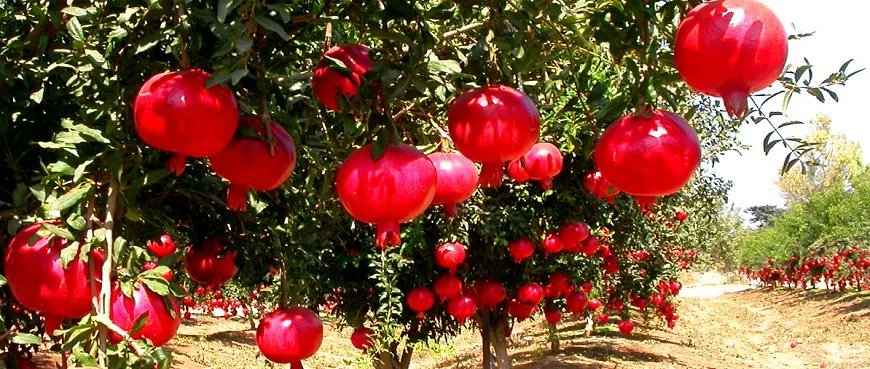
The advent of social media and farmer networks has transformed pomegranate farming into a collaborative and transparent endeavor. This article explores the journey of pomegranate farming from its secretive past to its current state of collective growth and knowledge sharing, and looks ahead to the future of this lucrative agricultural practice.
The Traditional Era: Secrecy and Its Consequences
The Culture of Secrecy
Traditionally, pomegranate farming was a closely guarded practice. Experienced farmers kept their knowledge and techniques to themselves, sharing little to no information with others. This culture of secrecy extended to every aspect of farming, from the choice of fertilizers and pesticides to the methods of planting and harvesting. Farmers would even go so far as to destroy pesticide bottles after use to prevent competitors from discovering their strategies.
The Impact on New Farmers
This secrecy had a profound impact on the industry. New farmers were hesitant to enter pomegranate farming due to its perceived high costs and risks. Existing farmers often discouraged newcomers by highlighting the challenges and difficulties involved. Yet, paradoxically, these same farmers continued to expand their own orchards, indicating that the practice was indeed profitable for those who knew how to navigate its complexities.
The Consequences of Poor Guidance
Those who did take the plunge into pomegranate farming often found themselves at a disadvantage. Without access to reliable information and guidance, many new farmers made poor decisions that led to financial losses. Crop abandonment within a few years was a common outcome, further reinforcing the perception that pomegranate farming was a risky and unprofitable venture.

A New Era: Collective Growth and Knowledge Sharing
The Role of Social Media and Farmer Networks
The past few years have seen a dramatic transformation in pomegranate farming, driven by the advent of social media and farmer networks. These platforms have enabled farmers to connect, share knowledge, and collaborate in ways that were previously impossible. Educated and young farmers, in particular, have embraced these tools, forming local groups and exchanging information freely.
The Benefits of Collective Knowledge
The shift from secrecy to transparency has had numerous benefits. Farmers now travel together to agricultural exhibitions, evaluate new techniques, and implement proven methods as a group. This collective approach has helped reduce unnecessary costs while ensuring higher productivity and profitability. Information on fertilizers, pesticides, machinery, planting material, and expert guidance is now shared freely, leading to better decision-making and more successful farming practices.
The Results: A Structured, Sustainable, and Profitable Model
The results of this new approach are clear. Pomegranate farming has become more structured, sustainable, and profitable. Farmers are no longer working in isolation; instead, they are part of a supportive community that values knowledge sharing and collective growth. This has led to a more resilient and prosperous industry, with higher yields and better-quality produce.

Our Commitment to Farmer Empowerment
Guiding Farmers and Connecting Resources
As part of this movement, I have been fortunate to contribute by guiding farmers, connecting them with resources, and helping them adopt best practices. Meeting groups of farmers and addressing their queries in one go ensures that everyone gets accurate and actionable information. This approach has been instrumental in empowering farmers and helping them achieve success in pomegranate farming.
The Potential for Market Access and Value Addition
While knowledge sharing has already transformed pomegranate farming, there is still much potential for further growth. Extending similar efforts to market access, sales strategies, and value addition could make agriculture even more lucrative. With the right support and guidance, farming could become a profession that rivals, or even exceeds, high-paying corporate jobs in terms of profitability and satisfaction.
A New Farmer Collective in Kitui, Kenya
The Formation of the Group
Yesterday marked a significant milestone in the evolution of pomegranate farming with the formation of a new farmer group in Kitui, Kenya. In an area traditionally dominated by mangoes and onion cultivation, 10-15 farmers have taken the bold step of planting pomegranates. This initiative, led by Farmers Trend, represents a new chapter in the region’s agricultural history.

A Full-Day Guidance Session
I had the privilege of providing a full-day guidance session to these pioneering farmers. The session covered all aspects of pomegranate farming, from soil preparation and planting to pest control and harvesting. The goal was to equip these farmers with the knowledge and skills they need to succeed in this new venture.
Monthly Support for Success
Moving forward, these farmers will receive monthly support to ensure their success. This ongoing guidance will help them navigate the challenges of pomegranate farming and maximize their per-acre profitability. With the right approach, even black soil can yield thriving pomegranate orchards, and these farmers are well on their way to proving that.
The Future of Pomegranate Farming
Sustainable Practices and Profitability
The future of pomegranate farming lies in sustainable practices and profitability. By continuing to share knowledge and collaborate, farmers can ensure that their practices are not only profitable but also environmentally friendly. This will help preserve the land for future generations while maximizing yields and profits in the present.
Expanding to New Regions
The success of the Kitui farmer group is just the beginning. There is potential to expand pomegranate farming to new regions, bringing the benefits of this lucrative crop to more farmers. With the right support and guidance, pomegranate farming could become a cornerstone of Kenyan agriculture, providing a reliable source of income for countless families.
The Role of Technology
Technology will play a crucial role in the future of pomegranate farming. From advanced irrigation systems to data-driven decision-making tools, technology can help farmers optimize their practices and increase their yields. Embracing these innovations will be key to staying competitive in the ever-evolving agricultural landscape.
Conclusion
The journey of pomegranate farming from secrecy to collective growth is a testament to the power of knowledge sharing and collaboration. By breaking down the barriers of secrecy and embracing transparency, farmers have transformed pomegranate farming into a structured, sustainable, and profitable practice. The formation of the Kitui farmer group is a shining example of what can be achieved when farmers come together to support one another. With continued efforts in knowledge sharing, market access, and value addition, the future of pomegranate farming is bright. Together, we can reshape Kenyan agriculture and create a prosperous future for all.

This article has explored the evolution of pomegranate farming, from its secretive past to its current state of collective growth and knowledge sharing. We have seen how social media and farmer networks have transformed the industry, leading to higher productivity and profitability. We have also looked at the potential for further growth through market access, value addition, and the adoption of new technologies. The formation of the Kitui farmer group is a promising development, and with continued support and guidance, pomegranate farming can become a cornerstone of Kenyan agriculture. The future is bright, and together, we can achieve great things.
https://farmerstrend.co.ke/trending/the-evolution-of-pomegranate-farming-from-secrecy-to-collective-growth/https://farmerstrend.co.ke/wp-content/uploads/2025/02/FU-2xnbXsAQ8NsE.jpeghttps://farmerstrend.co.ke/wp-content/uploads/2025/02/FU-2xnbXsAQ8NsE-150x150.jpeg# TrendingFruitsPomegranate farmingagricultural exhibitions,Agricultural Innovation,agricultural practices,agricultural resources,agriculture,collective growth,crop productivity,data-driven farming,farmer collaboration,farmer empowerment.,farmer networks,Farmer Support,farming best practices.,farming challenges.,Farming Community,farming profitability,farming success,farming sustainability,farming techniques,Farming technology,farming transformation,Irrigation systems,Kenyan agriculture,knowledge sharing,Market access,pomegranate cultivation,pomegranate farming,pomegranate orchards,social media in farming,sustainable farming,value additionPomegranate farming has a rich history, deeply rooted in tradition and secrecy. For many years, it was a practice reserved for a select few who guarded their knowledge and techniques closely. This culture of secrecy had significant consequences, deterring new farmers from entering the field and leading to financial...FarmersTrendjohn doefarmerstrend@gmail.comAdministratorFarmers Trend Ltd.












Leave a Reply