Goat Farming in Kenya: The 2026 Gold Standard Guide to KES 1.2 Million Annual Profit
Goat Farming in Kenya: 10 Steps to Earn KES 1.2 Million Profit
Goat farming in Kenya is outperforming dairy cows for smallholders. A single cow needs acres of grazing and takes years to multiply. Goats reproduce faster, require less feed, and deliver quicker returns. In a three-year projection, 20 goats can generate KES 1.2 million while a single cow with its one calf struggles to reach half that amount.
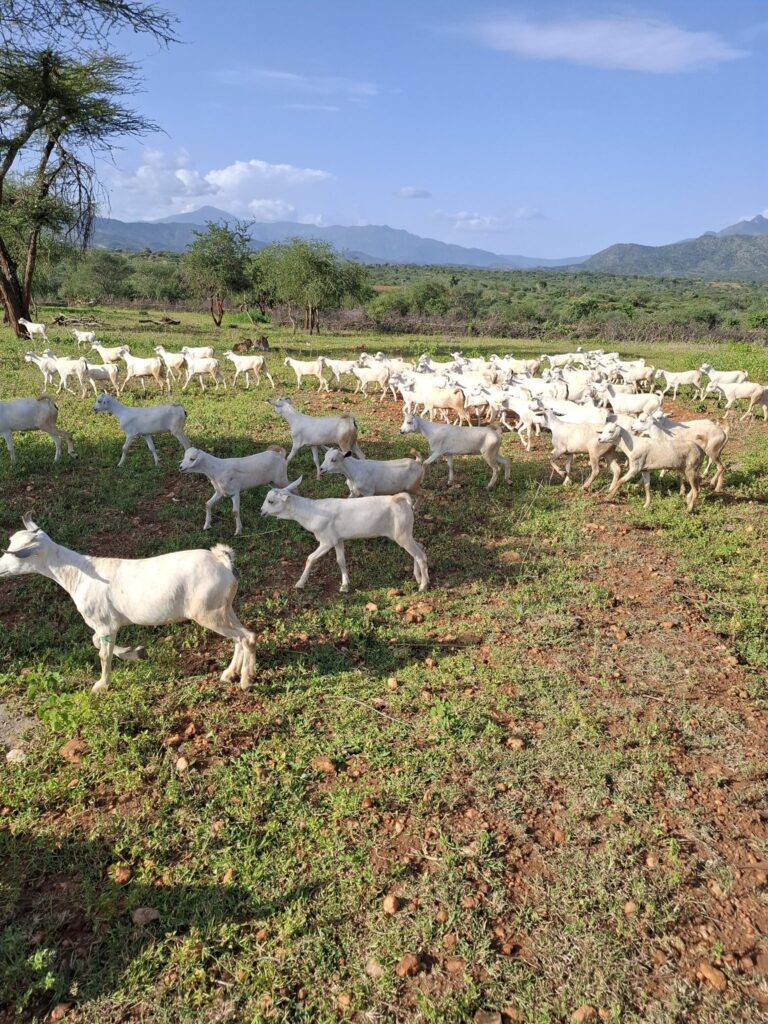
Trying to run a goat farm without a record book is like trying to catch a greased pig in a thunderstorm. You will get dirty and end up with nothing. Successful goat farming in Kenya demands data, planning, and discipline.
This guide by Farmers Trend Ltd. covers everything you need for profitable goat farming in Kenya. You learn about the best meat and dairy breeds, housing costs, feeding ratios, and disease prevention. Your journey to KES 1.2 million annual profit starts here.
The Goat vs. Cow Debate
Cows require more land, more water, and more feed. A dairy cow needs 10 to 15 litres of water daily. A goat needs only 4 to 5 litres. Cows produce one calf per year. Goats produce twins or triplets twice yearly.
The numbers favor goats. A doe gives birth to 1.8 kids per kidding. With two kiddings per year, one doe produces 3.6 kids annually. Ten does produce 36 kids. With 90 percent survival, you gain 32 kids per year. At KES 5,000 per kid, your income hits KES 160,000 from offspring alone.
Add milk sales, mature goat sales, and manure sales. Your revenue multiplies. Goat farming in Kenya gives you multiple income streams from the same animals.
Selecting the Best Breeds for Goat Farming in Kenya
Your choice of breed determines your profit. Match the breed to your goals and location.
Meat Powerhouses
The Galla goat originates from Northern Eastern Kenya. It is the hardiest breed you can find. Scientific studies confirm Galla goats possess exceptional heat tolerance with white coat colour dominating at over 60 percent frequency. They adapt to harsh conditions where other breeds struggle. A mature Galla male weighs 60 to 70 kilograms. Females reach 45 to 55 kilograms. They produce up to 2 litres of milk daily, making them dual-purpose animals. Farmers in Nyando report Galla goats fetch three times the price of local breeds. The meat is flavoursome and sought after for barbecue and spit roasting. Market them between 6 and 15 months for KES 30,000 to KES 50,000 each.
The Boer goat comes from South Africa. It is the fastest growing meat breed. A 1.5-year-old pure Boer buck can weigh 103 kilograms. Even crosses with Galla produce carcass weights of 40 kilograms at the same age. Boers have a white body with red or brown head and long droopy ears. They are graded in three classes. Stud animals for breeding sell for KES 40,000 to KES 60,000. Flock animals for meat or breeding sell at lower prices. Boers are voracious feeders. They convert feed to muscle efficiently. Cross Boers with Galla to combine hybrid vigour. You get the hardiness of Galla with the rapid growth of Boer.
The Red Kalahari and Savanna breeds also perform well in arid areas. These South African breeds tolerate heat and thrive on browse. They are less common but available through importers.
Dairy Queens
The Saanen is the milk queen of goat breeds. Originating from Switzerland, Saanens produce 3 to 5 litres daily under good management. They are pure white with short hair and upright ears. Saanens need cooler conditions. They thrive in Kiambu, Nyeri, and Nyandarua. Provide shade and good ventilation. Milk sells for KES 150 to KES 200 per litre.
The Toggenburg is another Swiss breed gaining popularity in Kenya. A 26-year-old farmer in Tharaka Nithi runs a successful Toggenburg enterprise with over 100 goats. His milking does produce 3 to 5 litres daily. He sells milk at KES 150 per litre to local hospitals. Goat milk is preferred for patients with allergies or dietary restrictions. His Toggenburg bucks fetch KES 70,000 each. A four-month-old kid sells for not less than KES 10,000. Breeding services earn KES 1,500 per session. He sells about four bucks monthly to farmers across Kenya.
The Alpine breed also performs well in Kenyan highlands. Alpines are hardy and adaptable. They produce 2 to 4 litres daily with good butterfat content.
Step-by-Step Housing and Infrastructure for Goat Farming in Kenya
Proper housing prevents disease and death. Farmers using improved housing reduce kid mortality from 35 percent to 10 percent. This is what you should do.
The Raised Floor Design
Build your goat house with a raised floor. The floor must sit 1 metre above ground. This elevation allows for easy cleaning and manure collection. It keeps goats dry and prevents foot rot.
Use wooden slats with spaces between them. Droppings fall through to the ground below. You collect manure easily for your crops. Goats stay clean and dry.
Space Requirements
Allow 1.5 to 2 square metres per goat. Overcrowding spreads disease. For 20 goats, your house needs 30 to 40 square metres. Separate sections for feeding, resting, and kidding improve management.
Ventilation and Shade
Goats need good airflow. Open sides with adjustable covers work well. In hot areas, provide deep shade. Boer goats in Kiserian need shaded sheds to prevent heat stress. Roof overhangs protect from rain and sun.
Fencing and Predator Protection
Build fences 1.5 metres high. Goats jump and climb. Strong fencing keeps them in and predators out. Use chain link or welded mesh. In predator-prone areas like Baringo, add an outer barrier of thorny branches.
Movable Housing Option
Some farmers use movable houses called Riyason. These half-moon shaped structures use local materials like Grewia and Doum palm. You move them daily to fresh ground. This breaks parasite cycles and spreads manure evenly. Kids and lambs mortality drops from 35 to 10 percent with this system.
Most Asked Questions About Goat Farming in Kenya
Is goat farming profitable in Kenya?
Yes. Goat farming in Kenya delivers strong profits. A mature goat sells for KES 8,000 to KES 15,000 in local markets. Premium breeds fetch much more. Galla goats sell for KES 30,000 to KES 50,000. Toggenburg bucks reach KES 70,000. Annual profit per goat ranges from KES 60,000 to KES 120,000 when you include offspring and milk.
A farmer in Nandi with 12 goats earns KES 600 to KES 800 daily from milk sales alone. This covers household expenses and school fees. Mature goat sales provide lump sums for emergencies.
How much does it cost to start goat farming in Kenya?
Startup costs for a 10-goat operation break down as follows.
Housing: KES 50,000 for a basic raised structure.
10 does at KES 6,000 each: KES 60,000.
1 breeding buck: KES 10,000 to KES 70,000 depending on breed.
Feed for 6 months: KES 30,000.
Veterinary and deworming: KES 6,000.
Labor if hired: KES 12,000.
Miscellaneous: KES 5,000.
Total investment: Approximately KES 173,000 to KES 233,000.
This investment returns KES 160,000 to KES 180,000 in the first year from kid sales alone. Year two profits rise as your herd grows.
Which goat breed is best for meat in Kenya?
The Boer and Galla crossbreed gives you the best results. You get hybrid vigour combining Galla hardiness with Boer growth rates. Pure Boer bucks weigh over 100 kilograms. Galla males reach 70 kilograms. Crosses reach market weight faster than local breeds.
For pure breeds, choose Galla for drought-prone areas and Boer for higher potential areas with good feed. The Galla is native to Northern Eastern Kenya and thrives where others fail. Scientific studies confirm their exceptional adaptation to heat stress.
How many goats can 1 acre support in Kenya?
One acre supports 10 to 15 goats in a semi-intensive system. This means grazing during the day with supplemental feeding at night. Pure grazing without supplements supports fewer animals.
Rotational grazing increases carrying capacity. Divide your acre into paddocks. Move goats every few days. Pasture recovers faster. Parasite loads drop. Manure spreads evenly.
With zero-grazing and cut-and-carry feeding, one acre of planted fodder supports 20 to 30 goats. Plant Napier grass, Lucerne, and fodder trees like Calliandra and Leucaena.
What is the price of a dairy goat in Kenya?
Dairy goat prices vary by breed and pedigree.
Toggenburg: KES 15,000 for a good quality doe. Pedigree bucks reach KES 70,000. Four-month-old kids sell for KES 10,000 and above.
Saanen: KES 20,000 to KES 25,000 for quality does. Purebred Saanens command premium prices.
Alpine: KES 15,000 to KES 20,000 depending on bloodline.
Crossbred dairy goats sell for KES 8,000 to KES 12,000. They produce less milk but cost less to buy.
Why is goat milk expensive?
Goat milk sells for KES 150 to KES 200 per litre. This is double the price of cow milk. Three factors drive the price.
First, medicinal benefits. Goat milk is easier to digest. It helps patients with allergies and dietary restrictions. Hospitals in Tharaka Nithi buy directly from farmers.
Second, low supply. Dairy goat farming in Kenya is still developing. Few farmers produce milk consistently. Demand outstrips supply.
Third, production costs. Good management costs money. Quality feed, veterinary care, and housing all add up. The price reflects these inputs.
Nutrition and Feeding Ratios for Goat Farming in Kenya
Goats are browsers, not grazers. They prefer shrubs, leaves, and bushes over grass. Mimic this natural diet for best results.
Feeding Formula for Dairy Goats
Lactating does need high energy and protein. For each litre of milk produced, provide:
- 3 to 4 kilograms of fresh fodder.
- 0.5 kilograms of dairy meal concentrate.
- Free access to mineral blocks.
- Clean water at all times.
A Saanen producing 4 litres daily needs 12 to 16 kilograms of fodder and 2 kilograms of concentrate.
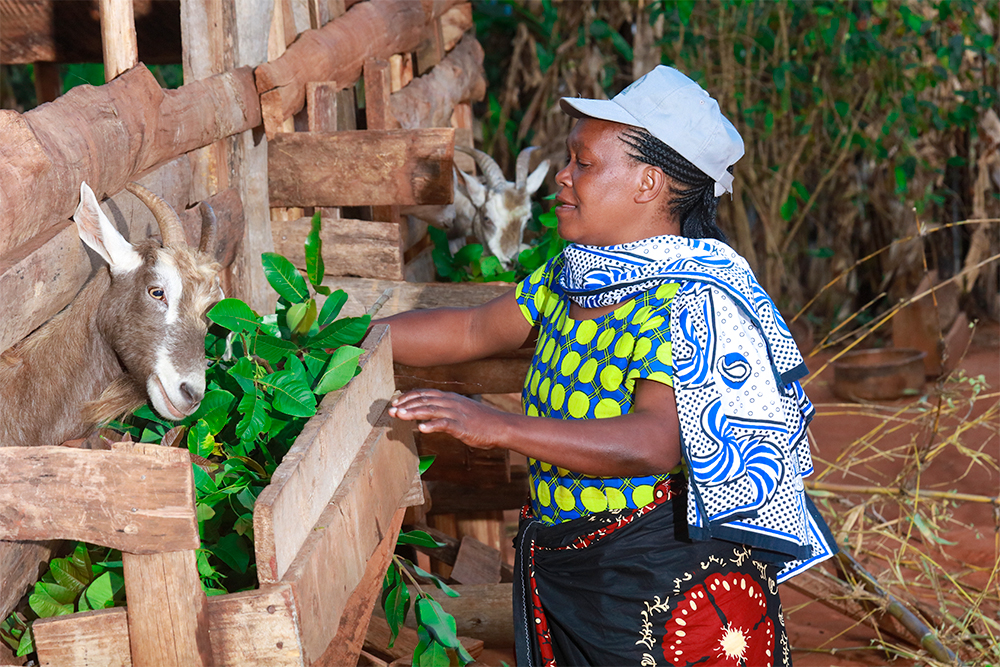
Fodder Options
Napier grass is the staple forage for many farmers. Plant along contours or in dedicated plots. Cut daily and carry to zero-grazed goats.
Lucerne provides high protein. It is a legume that fixes nitrogen in soil. Chop and mix with Napier for balanced nutrition.
Boma Rhodes grass works well for hay. Cut and dry during wet seasons. Store for dry periods when pasture is scarce.
Fodder trees boost protein. Calliandra and Leucaena grow quickly. Goats love the leaves. Plant along boundaries or in rows.
Mineral Blocks
Mineral deficiencies cause poor growth and reproduction. Provide commercial mineral blocks at all times. Cost is minimal. Benefits are substantial.
Feeding Costs
Monthly feeding for 10 goats ranges from KES 6,000 to KES 10,000. This depends on how much forage you grow yourself. Farmers who grow their own fodder cut costs significantly.
Healthcare and Disease Calendar for Goat Farming in Kenya
Disease prevention is cheaper than treatment. Follow this calendar to protect your investment.
Main Killers: PPR and CCPP
Peste des Petits Ruminants (PPR) is a viral disease with high mortality. Symptoms include fever, discharge from eyes and nose, and diarrhea. Vaccinate annually. Cost per dose is KES 50 to KES 100.
Contagious Caprine Pleuropneumonia (CCPP) affects lungs. Infected goats cough and struggle to breathe. Vaccination prevents this disease. Schedule with your vet.
Deworming Schedule
Worms rob nutrients and slow growth. Barber’s Pole worms suck blood and cause anaemia. Deworm every 3 months. Rotate dewormers to prevent resistance.
Use the FAMACHA eye colour chart to check for anaemia. Compare the colour of your goat’s lower eyelid to the chart. Pale pink indicates worms. Treat immediately.
Foot Rot Prevention
Foot rot thrives in wet conditions. Raise goats on slatted floors. Keep pens dry. Trim hooves regularly. Provide foot baths with copper sulphate solution when needed.
Ectoparasite Control
Ticks, fleas, and lice weaken goats and spread disease. Spray with recommended acaricides every 2 weeks during wet seasons. Rotate chemicals to prevent resistance.
Vaccination Schedule
- January: PPR vaccine.
- April: CCPP vaccine.
- July: PPR booster.
- October: CCPP booster.
Adjust based on your vet’s advice and local disease patterns.
The 2026 Money Talk: Return on Investment
Goat farming in Kenya offers multiple income streams. You do not rely on a single source.
Milk Sales
A good dairy doe produces 3 to 5 litres daily. At KES 150 per litre, monthly income per doe is KES 13,500 to KES 22,500. With 10 milking does, monthly milk income exceeds KES 200,000 during peak lactation.
Meat Sales
Mature goats ready for slaughter sell for KES 8,000 to KES 15,000 for local breeds. Galla and Boer crosses fetch KES 30,000 to KES 50,000. Target festive seasons like Eid and Christmas for highest prices.
Manure Sales
Goat manure is gold for organic farmers. Each goat produces 200 to 300 kilograms of manure annually. Package in 50kg bags. Sell to vegetable farmers and gardeners. This adds KES 10,000 to KES 20,000 per year for a 20-goat herd.
Breeding Stock Sales
Pedigree breeding stock commands premium prices. A Toggenburg buck sells for KES 70,000. A four-month-old kid sells for KES 10,000. A farmer in Tharaka Nithi sells four bucks monthly to buyers across Kenya.
Buck Service Fees
Rent your buck for breeding services. Charge KES 500 to KES 1,500 per service. With 10 services monthly, you earn KES 5,000 to KES 15,000. This adds up without selling your animals.
Three-Year Profit Projection
Start with 10 does and 1 buck.
Year one: 32 kids sold at KES 5,000 each. Income KES 160,000. Plus milk and other sales.
Year two: 40 kids from expanded herd. Income KES 200,000 plus milk.
Year three: 50 kids. Income KES 250,000 plus milk. Mature breeding stock sales add KES 100,000 to KES 200,000.
Total three-year income from 20 goats approaches KES 1.2 million.
Trust and Verification for Goat Farming in Kenya
How to Verify Pedigree Stock
Pedigree goats come with documentation. Ask for breed registration papers. Check the breeder’s reputation. Visit the farm before buying.
Kenya Stud Book registers purebred livestock. Ask if your goat is registered. Registration proves lineage.
Where to Buy Quality Breeding Stock
Kenya Agricultural and Livestock Research Organization (KALRO) stations sell improved breeds. Visit KALRO Naivasha for dairy goats.
Agricultural Society of Kenya shows feature top breeders. Attend the Nairobi International Trade Fair. See animals in person. Talk to breeders directly.
Toggenburg breeders like Chamugo Dairy Goats Farm in Tharaka Nithi sell verified stock. Visit established farms. Learn from successful farmers.
Red Flags to Avoid
Avoid sellers who cannot show you their farm. Avoid prices far below market rates. A “bargain” Toggenburg at KES 5,000 is likely a crossbred or sick animal. Pedigree costs reflect quality.
Importing Breeding Stock
If you want pure Boer or Kalahari goats, import from South Africa. Farmers who imported Boers in 2017 paid KES 70,000 per goat plus logistics and permits. Work through reputable agents. Band together with other farmers to import at least 30 goats and share costs.
Obtain an import permit from the Ministry of Agriculture website. Pay KES 300 per goat. Ensure the exporting country provides a health certificate. Clear animals through quarantine on arrival.

Common Mistakes in Goat Farming in Kenya
Poor Record Keeping
Farmers who do not track births, deaths, sales, and costs fail. Records tell you which animals perform. They guide breeding decisions. Use a notebook or simple app.
Overcrowding
Too many goats in small spaces spread disease. Follow spacing guidelines. Build adequate housing.
Inadequate Feeding
Goats need balanced nutrition. Browse alone is not enough. Supplement with concentrates for high producers. Provide minerals at all times.
Ignoring Vaccinations
PPR and CCPP kill quickly. Vaccinate on schedule. Cost is minimal compared to losses.
Buying Sick Animals
Quarantine new arrivals for 2 weeks. Observe for symptoms before introducing to your herd. One sick goat infects the whole group.
Marketing Strategies for Goat Farming in Kenya
Target Festive Seasons
Eid, Christmas, and Easter drive demand. Plan breeding so kids reach market weight before these peaks. Prices rise 20 to 30 percent during high demand.
Supply Hospitals and Institutions
Goat milk sells well to hospitals, schools, and nursing homes. Approach procurement officers. Offer consistent supply. Deliver fresh milk daily.
Sell Breeding Stock Online
Use Farmers Trend platform, Facebook groups, and WhatsApp. Post photos and videos. Share your success stories. Buyers seek quality genetics.
Join Cooperatives
Farmer cooperatives aggregate animals and negotiate better prices. They connect you to exporters and large buyers. Share transport costs to distant markets.
Add Value
Process milk into yogurt and cheese. Prices double. Package manure for sale to urban gardeners. Sell breeding services from your best buck.
Internal and External Resources
Read our guide on dairy farming for broader livestock context. Dairy complements goat farming in Kenya.
Visit the Ministry of Agriculture website for official extension materials and import permit forms.
Contact KALRO for soil testing and fodder advice. Healthy pastures mean healthy goats.
Farmers Trend Virtual Agrovet stocks feeds, minerals, and veterinary supplies. Order online with M-Pesa. Receive delivery at your farm.
Your Next Step in Goat Farming in Kenya
Your shamba has the space. The market has the demand. Goat farming in Kenya offers you a path to KES 1.2 million annual profit.
Start with breed selection. Decide between meat, dairy, or both. Galla and Boer for meat. Saanen and Toggenburg for milk.
Build proper housing first. Raised floors prevent disease. Good fencing stops predators.
Source quality stock from verified breeders. Pay for pedigree. Cheap animals cost more in the long run.
Plan your feeding program. Grow your own fodder. Buy concentrates strategically. Provide minerals always.
Vaccinate on schedule. Deworm regularly. Keep records religiously.
Market aggressively. Target premium buyers. Add value where possible.
The goat farming in Kenya opportunity is real. Farmers in Tharaka Nithi, Kiserian, Nyando, and Nandi prove it daily. Their goats pay school fees, buy inputs, and build wealth.
What is your next step?
https://farmerstrend.co.ke/livestock-farming/goat-farming/goat-farming-in-kenya-2026-guide/https://farmerstrend.co.ke/wp-content/uploads/2026/02/Goat-pic-1024x1024.webphttps://farmerstrend.co.ke/wp-content/uploads/2026/02/Goat-pic-150x150.webpGoat Farming# TrendingLivestock FarmingGoat Farming in Kenya: 10 Steps to Earn KES 1.2 Million Profit Goat farming in Kenya is outperforming dairy cows for smallholders. A single cow needs acres of grazing and takes years to multiply. Goats reproduce faster, require less feed, and deliver quicker returns. In a three-year projection, 20 goats...FarmersTrendjohn doefarmerstrend@gmail.comAdministratorFarmers Trend Ltd.







Thank you for the information shared on your page. The information is vital and helpful in giving me guides and directions on to how i can start my goat farm.