KEPHIS Develops Kenya Pest Risk Register to Strengthen Early Warning and Protect Agriculture
- Kenya Pest Risk Register developed by KEPHIS will help identify high-risk crop pests, strengthen early warning, guide import controls and protect agricultural trade.

Kenya Pest Risk Register Developed by KEPHIS to Strengthen Crop Protection and Safe Trade
Kenya has developed a Pest Risk Register to help identify and monitor pests that threaten crop production, food security and agricultural trade. The register, prepared by the Kenya Plant Health Inspectorate Service (KEPHIS), will support early warning, pest surveillance and decisions on plant and plant product imports.
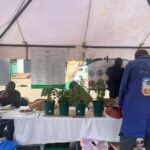
KEPHIS, which serves as Kenya’s National Plant Protection Organization (NPPO), presented the Pest Risk Register and the List of Regulated Pests for Kenya during a stakeholder awareness workshop held on 16 November 2026 in partnership with the Centre for Agriculture and Bioscience International (CABI).
The meeting brought together representatives from agricultural research, plant health and international development organisations to discuss the importance of identifying pest threats before they enter and spread within the country.
The register identifies pests that pose potential risks to Kenya’s agriculture. It provides information on their geographical distribution, the likelihood of entering and becoming established in Kenya, and the possible damage they could cause.
The development is expected to strengthen Kenya’s ability to respond to emerging pest threats while supporting the country’s efforts to maintain access to international agricultural markets.
What Is the Kenya Pest Risk Register?
The Kenya Pest Risk Register is a record of pests that have been identified, assessed and prioritised based on the level of threat they pose to the country.
The assessment considers where pests occur, the possible routes through which they could enter Kenya, their likelihood of establishing themselves and the consequences of their introduction.
This information helps plant health authorities determine which pests require closer monitoring and what measures are appropriate to prevent their entry or spread.
The register works alongside the List of Regulated Pests for Kenya. The latter identifies pests subject to official plant health controls because of the risks they pose to agriculture.
Both documents will support KEPHIS in carrying out its responsibility to prevent the introduction and spread of harmful pests through plants, plant products and other regulated pathways.
KEPHIS plans to publish the official Pest Risk Register and List of Regulated Pests on its website following their formal release.
Why Kenya Needs a Pest Risk Register
Crop pests do not respect national borders. A pest established in another African country, particularly a neighbouring country, poses a potential threat to Kenyan farms. The risk also extends to pests found in countries with which Kenya trades agricultural products.
Movement of plants, seeds, fruits and other agricultural materials provides possible routes through which pests enter new areas. Without proper inspection, monitoring and import controls, some harmful organisms might enter the country and establish themselves before authorities detect them.
The Pest Risk Register gives plant health authorities a structured basis for identifying such threats and deciding where to direct surveillance and preventive measures.
For farmers, early identification matters because an invasive pest might spread across several production areas before its presence is confirmed. By the time visible crop damage becomes widespread, control efforts might be more difficult and costly.
The register is therefore intended to support preventive action rather than waiting until a pest causes serious damage.
Register to Guide Import Requirements and Plant Health Controls
One of the main uses of the Pest Risk Register is to support the review of import requirements for plants and plant products.
Kenya imports various agricultural materials, including seeds, planting materials and fresh produce. Each category presents different plant health risks depending on the pests associated with the country of origin and the nature of the commodity.
Information in the register will help authorities assess these risks when reviewing phytosanitary import conditions.
Where a pest poses a significant threat, appropriate measures might include additional inspection, treatment requirements, restrictions or other phytosanitary controls, depending on the risk assessment and applicable regulations.
This is important for businesses importing agricultural inputs and planting materials. Meeting plant health requirements helps reduce the risk of introducing pests that could affect local production.
The register also provides a basis for reviewing existing requirements as pest distribution changes and new threats emerge in other countries.
Early Warning and Emergency Response
The Pest Risk Register is also intended to improve Kenya’s preparedness for pest outbreaks.
Identifying high-risk pests allows plant health authorities to pay closer attention to their possible routes of entry and the areas where they might establish themselves.
This information supports surveillance planning and helps authorities prepare appropriate responses where a new pest is detected.
Early detection is particularly important for pests with the potential to spread quickly or affect several crops. Delayed identification might increase the cost of control and expose more farmers to crop losses.
The register provides information for prioritising surveillance and preparing responses before a pest becomes widely established.
For farmers, this work is important because pest outbreaks affect production costs, crop quality and marketable yields. Effective monitoring and timely intervention help reduce the risk of severe losses.
Protecting Kenya’s Agricultural Exports and Market Access
Plant health standards also influence Kenya’s ability to trade agricultural products internationally.
Importing countries set phytosanitary requirements to prevent harmful pests and diseases from entering their territories. Exporters must meet these requirements when shipping fresh produce, seeds, planting materials and other regulated products.
A well-maintained national pest risk register helps Kenya assess threats and strengthen its plant health management systems.
The information also supports decisions on pest surveillance, certification and other phytosanitary measures required for safe trade.
For exporters, maintaining confidence in Kenya’s plant health controls is important when accessing international markets. Pest interceptions or failure to meet importing countries’ requirements can lead to rejected consignments, additional inspections and restrictions on trade.
The register is expected to contribute to a more informed approach to managing these risks.
FAO, CABI, ILRI and KALRO Participate in Stakeholder Workshop
The awareness workshop brought together several organisations working in agriculture, plant health and research.
Participants included the Food and Agriculture Organization of the United Nations (FAO), CABI, the International Livestock Research Institute (ILRI) and the Kenya Agricultural and Livestock Research Organization (KALRO).
Their participation provided an opportunity to discuss the register and the role of different institutions in identifying, monitoring and managing pest threats.
The partnership between KEPHIS and CABI also formed part of the awareness and stakeholder engagement activities surrounding the two documents.
KEPHIS remains responsible for preventing the introduction and spread of pests through plants and plant products entering or moving within Kenya.
What the Register Means for Kenyan Farmers and Agribusinesses
The Kenya Pest Risk Register has implications for farmers, seed companies, nurseries, agrochemical suppliers, importers and exporters.
Farmers stand to benefit from stronger pest surveillance and early warning systems. Timely information about emerging threats helps agricultural officers and other plant health professionals advise producers on appropriate control measures.
Nurseries and seed companies also need to observe plant health requirements when sourcing, producing and distributing planting materials. Pest-free planting materials reduce the risk of spreading harmful organisms between farms and production areas.
Importers should pay attention to phytosanitary conditions when bringing agricultural products into Kenya. Exporters, on the other hand, need to maintain the required plant health standards for their target markets.
Agricultural institutions will also need to use pest information when planning research, surveillance and extension activities.
Official Pest Risk Register Awaiting Publication
KEPHIS has indicated that the official Pest Risk Register and List of Regulated Pests for Kenya will be published on its website after their formal release.
Their publication will give farmers, researchers, agricultural businesses and other stakeholders access to the documents and the pest information they contain.
The development strengthens Kenya’s approach to plant health protection at a time when agricultural trade and movement of planting materials expose farms to pest threats from different parts of the world.
For Kenya’s agricultural sector, identifying potential threats early and maintaining effective phytosanitary controls are important steps in protecting crop production, food supplies and access to export markets.
https://farmerstrend.co.ke/trending/kenya-pest-risk-register-kephis/https://farmerstrend.co.ke/wp-content/uploads/2026/11/Kenya-Pest-Risk-Register-Developed-by-KEPHIS-1024x683.jpeghttps://farmerstrend.co.ke/wp-content/uploads/2026/11/Kenya-Pest-Risk-Register-Developed-by-KEPHIS-150x150.jpeg# TrendingKenya Pest Risk Register developed by KEPHIS will help identify high-risk crop pests, strengthen early warning, guide import controls and protect agricultural trade.Kenya Pest Risk Register Developed by KEPHIS to Strengthen Crop Protection and Safe Trade Kenya has developed a Pest Risk Register to help identify and monitor pests...FarmersTrendjohn doefarmerstrend@gmail.comAdministratorFarmers Trend Ltd.






Leave a Reply