One Acre, Ksh 76,000 Spent, Only 22 Bags of Shangii Potato Harvested — What Went Wrong?
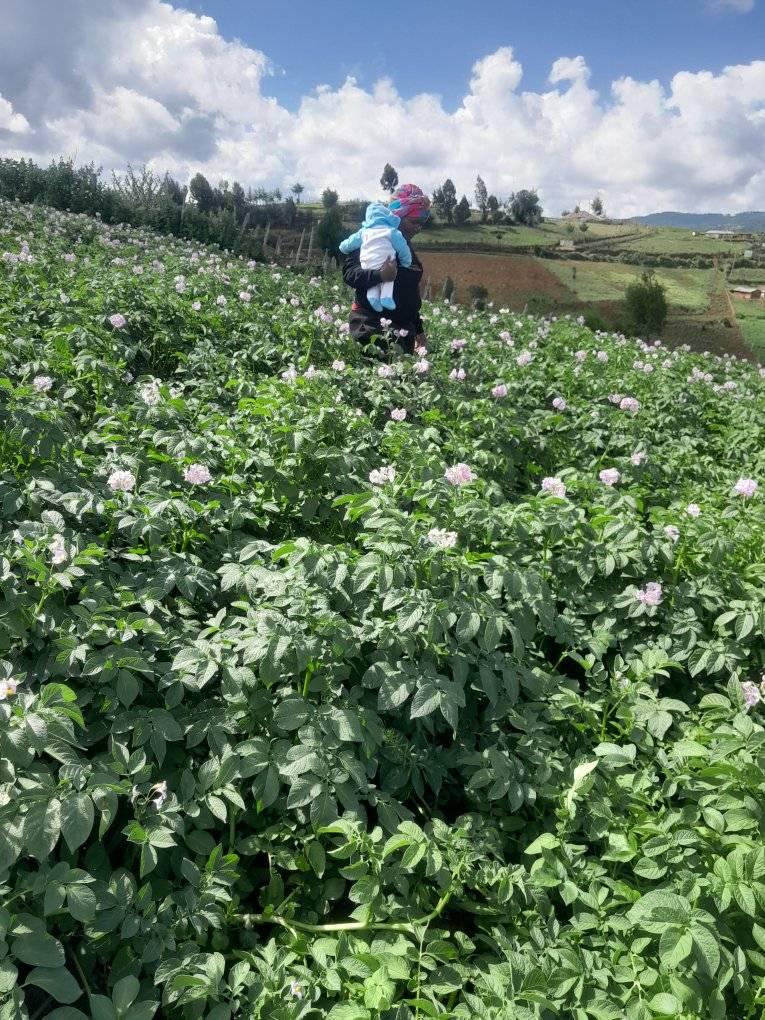
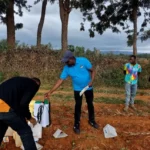
A potato farmer in Kenya shares a heartbreaking loss after spending Ksh 76,000 and harvesting just 22 bags bags of shangii potato. Here’s what may have gone wrong — and how to fix it.

African agriculture has long been seen as a way of survival and food security. Across the continent, millions of smallholder farmers plant in hope with rain, borrowed money, and grit. The dream doesn’t always materialize, though.
Kenya, despite its fertile soil and hardworking farmers, is no different. From the potato fields of Nyandarua to maize fields in Trans Nzoia, there are success stories in plenty — but just as many failures such as Shaz’s, ones that are full of loss, disillusionment, and a very strong sense of betrayal from the very system that had held out promise.
In this blog post, we’re digging into one such experience — a raw, painful story shared by Shaz from Potato Farmers Kenya (PFK). Her words reflect a situation far too common in our fields, yet rarely given the attention it deserves.
“Wah, shangii kanitenda…”
Shaz shares:
“An acre… Ksh 76,000 invested. Yield: only 22 bags. I planted 34 bags of seed. I am ill. Why me? Niliendea wapi wrong jameni?”
Her post is not a post about numbers at all. It’s about frustration, exhaustion, and a farmer asking where it all went wrong. To anyone who has ever stood on dry soil and watched their hopes wither, this will resonate.
So, where did it go wrong?
Where Might the Problem Be?
Let’s look at some of the primary locations that might be to blame for such poor returns.
1. Seed Quality
Even if they’re “certified,” seed potatoes are not always what they appear to be. Counterfeits still pass through the marketplace, and even authentic seeds can fail if not stored properly or handled correctly. Did Shaz innocently plant low-vigor seeds?
2. Soil Health
Was the soil tested prior to planting? Most farmers neglect this process, but it’s essential. If the soil does not contain the necessary nutrients or is too acidic, all your hard work will not yield good harvests. Soil is the key to healthy crops.
3. Weather Conditions
Rain is no longer so predictable. A short drought or excess rain at the wrong time will ruin an entire crop. Was her year unusually dry or wet where she is?
4. Extension Services
Where were the agronomists? One or two farm visits over the course of the season would have identified issues ahead of time. Support systems tend to remain too far away from immediate farmer challenges.
5. Post-Planting Management
Pests. Weeds. Timing of top dressing. Spraying schedules. One lost window and huge yield loss follows. Maybe the issue was not planting — but what followed (or did not follow).

What Can We Learn?
What Shaz went through is not unusual. It is a reflection of what happens behind the scenes to many small-scale farmers. These losses, most often unspoken and unrecorded, add up gradually and erode morale and discourage young people from farming.
Here are a few take-homes:
- Information access is no longer optional. Farmers need timely, relevant knowledge — not textbook theory or county meetings that don’t reach their fields.
- Agronomic support needs to be within reach of all. If farmers can’t afford one agronomist, why not ward-based or cooperative-based agronomy teams?
- The maths doesn’t add up. Input costs (seeds, chemicals, fertilizers, labour) just keep rising. But prices in the market and outputs often lag behind. A farmer puts in Ksh 76,000, and the harvests can’t even cover that — how sustainable is this?
- Policy-making has to be based on farmer experiences. Not surveys. Not boardroom guesses. True stories like Shaz’s should drive government subsidies, training schemes, and input distribution.
To Every Farmer Who’s Faced This
You are not alone.
Getting up, as Shaz did, is brave and a great first step. There are too many who labor in silence, fearing embarrassment or being “a failed farmer.” Failure is the not enemy of success — it’s on the path, especially when you are farming.
Lessons for Kenyan Farmers
Shaz’s story is common among smallholder farmers in Kenya’s potato sector, which supports millions of livelihoods. It highlights systemic issues that need action. Here are four key lessons:
1. Farmers Need Information
Access to clear, local advice on seeds, soil, weather, and markets is vital. Digital tools, radio, or extension officers can deliver this, but they must reach rural farmers. Shaz’s question shows how lack of knowledge can lead to losses.
2. Support Must Be Local
Extension officers and agronomists should work closely with farmers, offering hands-on help. Farmer field schools or cooperatives can share skills. Partnerships between government and private groups can expand this support.
3. Input Costs Are Too High
Seeds, fertilizers, and pesticides are expensive. Shaz’s 76,000-shilling investment likely didn’t break even. Lowering input costs, offering affordable loans, and ensuring fair market prices can help farmers profit.
4. Farmer Stories Matter
Shaz’s post shows why farmers’ experiences must guide policy. Platforms like PFK let farmers share challenges, providing data for leaders to act on. Policies should reflect real farmer needs, not just statistics.
Steps to Support Farmers
Shaz’s story is a call to action. Farmers, experts, cooperatives, and policymakers must work together to prevent such losses. Here are practical steps:
For Farmers
- Share your challenges on platforms like PFK or in local groups to find support.
- Seek advice from extension officers or cooperatives to improve practices.
- Use crop rotation or side businesses to reduce risk.
For Agronomists and Suppliers
- Share simple tips on seed choice, soil testing, or pest control through radio, online, or visits.
- Offer affordable soil tests or seed checks to help farmers plan.
- Sell only high-quality, certified seeds to build trust.
For Cooperatives and AgriTech
- Create tools like apps for weather or pest alerts to guide farmers.
- Link farmers to affordable inputs, loans, or markets.
- Advocate for policies that support farmers, like soil testing subsidies.
For Policymakers
- Fund more extension officers to reach rural farmers.
- Support soil testing and sustainable farming practices.
- Regulate seed markets to stop fake products and develop better potato varieties.
Now, Over to You:
Have you ever had such an experience on your farm?
Describe your story. What was it? What would you do differently next time?
Are you an agronomist or farmer expert?
Your advice might save tens of farmers from going through this ordeal. Please share your advice or perform a free consult.
Are you from an Agritech platform, NGO, or cooperative?
It’s time to act — not with words, but solutions that actually work for farmers to do today, not tomorrow.
Know someone who should see this?
Label them. Whether they’re an extension agent, seed supplier, or policymaker, let’s insist on greater availability of soil testing, seed verification systems, and farmer-friendly communication.
Shaz’s suffering shouldn’t be another tragic farm story online. It should be a wake-up call.
Let’s do better — together.
On this articl we give credit to:
https://farmerstrend.co.ke/trending/one-acre-ksh-76000-spent-only-22-bags-of-shangii-potato-harvested-what-went-wrong/https://farmerstrend.co.ke/wp-content/uploads/2025/06/506393890_4022886614640690_4718116138574488130_n.jpghttps://farmerstrend.co.ke/wp-content/uploads/2025/06/506393890_4022886614640690_4718116138574488130_n-150x150.jpg# TrendingPotato Farmingagricultural policy Kenya,agronomic support,certified seed potatoes,farming challenges Kenya,farming loss,kenyan farmers,low potato yield,potato farming Kenya,seed quality in Kenya,soil testing KenyaA potato farmer in Kenya shares a heartbreaking loss after spending Ksh 76,000 and harvesting just 22 bags bags of shangii potato. Here's what may have gone wrong — and how to fix it.African agriculture has long been seen as a way of survival and food security. Across the...FarmersTrendjohn doefarmerstrend@gmail.comAdministratorFarmers Trend Ltd.









Leave a Reply