Moringa Farming: A Super Plant for Health, Agriculture, and Sustainability
The Moringa value chain in Kenya is a dynamic and growing sector that offers numerous opportunities for economic development and improved nutrition. Moringa, often referred to as the “drumstick tree” or “miracle tree,” is known for its nutritional value and wide-ranging health benefits. Every part of the moringa tree, from the moringa leaves, pods, seeds, and flowers can be harvested throughout the year for human or animal consumption for health improvement.

The digital revolution has led to an explosion of a more health conscious society, armed with the ability to choose what they want from the existing market. Moringa and its numerous health benefits make it an extremely attractive commodity, on a national and global level.
This unassuming and easy to dismiss tree, is anything but. According to a 2021 global report, Moringa products were valued to be at least 5.6 USD, and were estimated to grow in value to over 10 billion USD by 2030.
In fact, according to a 2023 report by Fortune Business Insights, the demand for Moringa powder is projected to remain high, with a steady increase over the next few years. Closer to home, an acre farm in kenya has the potential to produce between 3,999 to 10,000 kilograms of leaves per year.
Dr Oscar K. Koech from University of Nairobi, Department of Land Resource Management and Agricultural Technology (LARMAT) believes there’s reason for the oil retailing at such exorbitant price from Moringa tree. “Maybe they are following some of the benefits of the ingredients in terms of diet or the components of health that is in the oil,” he says.
One litre of oil extracted from moringa seeds costs Sh 8,000 at Emuka Moringa Farmers’ Cooperative Society Shop, located in Emali town, Makueni County. While the oil, which is used either for cooking or cosmetics seems costly, Veronicah Mwikali, the shop attendant reveals, in fact, the current price is on promotion basis. That, soon, they will adjust to retails at normal price of Sh 12,000 like other places.
Moringa leaf powder is second best-selling product, due to its medicinal value. It is used in beverages like tea, hot water, vegetables and other foodstuffs. Other value added products are moringa facial scrub, moringa pellets, moringa fortified flours, moringa seeds and moringa animal and chicken feeds, all with equally huge market across the country.
Visit to Moringa farmer(s)
Farmers drawn from Emali and Mulala are laughing all the way to the bank, enjoying the fruits of moringa value chain project, implemented in Kajiado and Makueni Counties through funding from New Zealand government, Ministry of Foreign Affairs and Trade, ChildFund New Zealand, ChildFund Kenya and Barnfonden. We visited and found Joseph Nyambuya, one of moringa farmers plucking the leaves that he delivers to a processing factory in Mwanyani.
In an eighth acre farm, save for tens of tall moringa trees with creamy-white flowers swaying from one side to the other, the land is bare and dry. “It has not rained for months. The last time we saw rain was in November last year,” recounts Nyambuya from Kiliku area of Kibwezi West, Makueni County. He regrets, farmers who planted after the rains have since lost all their crop. Since 2018 when first planted moringa, Nyambuya shares the crop has remained intact, even in extreme dry conditions.
He says everything on moringa including leaves, flowers, roots, the young pods and the seeds has benefits. On average, he pockets Sh 5000 every month, and he’s plans to expand his farm to an acre. Fresh leaves, 1kg costs Sh 22, while powder leaves 1kg is Sh 1000. The seeds 1kg is 150 while 1kg of oil from seeds is Sh 8000.
Phineas Gikunda, Project Manager ChildFund Kenya says moringa value chain interventions range from production, processing or value-addition to marketing through farmer cooperative-Emuka Moringa Farmers’ Cooperative Society. He explains, they promote moringa farming because of its economic, social or nutritional and ecological benefits.
Moringa Cultivation Guide
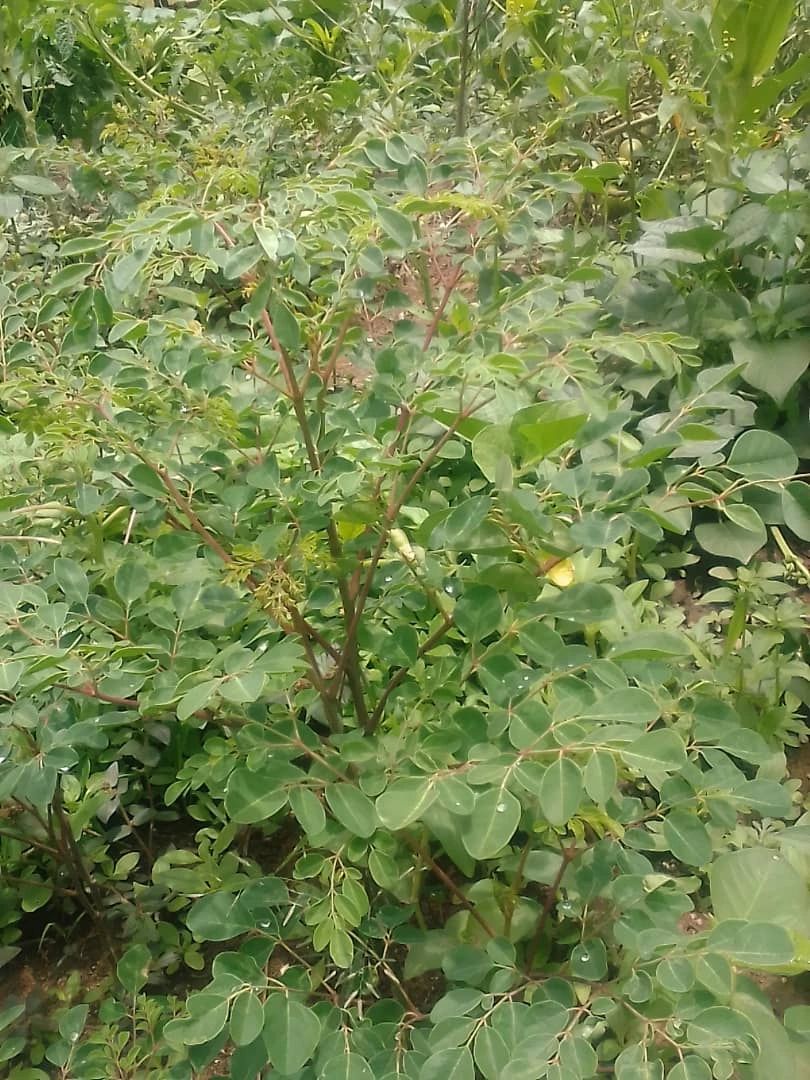
1. Cultivation Methods
- Easy Cultivation: Suitable for beginners; involves planting seeds in sunny areas with loose soil and minimal watering.
- Expert Cultivation: Involves advanced techniques to optimize growth and yield. Suitable for large-scale or intensive farming.
2. Growing Conditions
- Climate: Thrives in tropical/sub-tropical climates, 25-35°C (tolerates 48°C in shade).
- Soil: Prefers well-drained sandy or loamy soil, pH 6.3-7.0. Avoid waterlogged areas.
- Rainfall: Requires 250-3,000mm annually. In heavy rainfall areas, plant on mounds for drainage.
- Sunlight: Requires direct sunlight under 500m altitude.
3. Propagation
- Seeds: Plant 1-2 cm deep in loose soil; germinate within 5-12 days. Use fresh seeds for better results.
- Cuttings: Use mature wood (45 cm – 1.5 m long). Plant 1/3rd of the length in sandy soil. Avoid overwatering.
- Nursery: Use poly bags with light soil (3 parts soil, 1 part sand). Transplant seedlings when 60-90 cm tall.
4. Planting Techniques
- Spacing:
- Intensive: 3m x 3m for airflow and sunlight.
- Living Fences: Trees spaced 1m apart.
- Intercropping: Suitable with maize or sunflower; avoid crops like eggplant and sweet corn.
- Planting Pits: Dig 50 cm deep pits; mix topsoil with compost/manure for better growth.
5. Maintenance
- Watering: Minimal watering after initial 2 months. Use irrigation in dry conditions.
- Pruning: Pinch terminal tips to promote bushy growth. Annual pruning ensures better yields.
- Fertilizing: Compost or manure mixed with phosphorus and nitrogen improves productivity.
- Weeding: Keep planting areas weed-free for optimal growth.
6. Pests and Diseases
- Common Issues: Termites, Diplodia root rot in waterlogged conditions, and livestock damage.
- Protection:
- Install fences to protect seedlings.
- Use mulches and organic treatments for termite management.
- Remove lower branches on mature trees to prevent livestock grazing.
7. Yield and Harvesting
- Growth: Grows up to 5m in the first year, flowering and fruiting annually (or biannually).
- Pods: Mature trees produce 400-1,600 pods/year.
- Coppicing: Annual cutting back to 1m ensures easy harvesting and prolonged productivity.
8. Additional Tips
- Encourage flowering in arid areas with irrigation.
- Use Jatropha curcas as a living fence for added benefits.
Moringa Oleifera Farming: Nutrient Power House
One of the reasons why moringa tree farming has increased over the years is it nutritional profile. The plant is packed with essential vitamins, minerals, and amino acids. Every part of the moringa tree-from its leaves and seeds to its roots and flowers is edible and full of nutrients. Moringa leaves in particular are a rich source of vitamin C, vitamin A, Calcium, Potassium, and Protein.
Moringa leaves boast an exceptional nutrient profile that surpasses many common foods, making it a staple for combating malnutrition and promoting overall health.
- Iron: With 25 times more iron than spinach, moringa enhances red blood cell production, combats anemia, and boosts energy levels.
- Protein: Containing 4 times more protein than eggs, it offers a complete plant-based protein source, vital for vegetarians and vegans.
- Vitamin A: Its 10 times higher vitamin A content than carrots promotes sharp vision, healthy skin, and a strong immune system.
- Calcium: Moringa provides 17 times more calcium than milk, supporting bone health and preventing osteoporosis.
- Potassium: With 15 times the potassium of bananas, it regulates blood pressure, enhances heart function, and improves muscle health.
- Vitamin C: Although slightly lower than oranges, moringa’s 0.75 times vitamin C content strengthens immunity and speeds recovery from illnesses.
Incorporating moringa leaves into diets through teas, powders, or fresh preparations ensures that communities, especially in developing regions, receive essential nutrients in an affordable and accessible way.
2. Benefits for Soil Health and Agriculture
Moringa’s benefits extend beyond nutrition to the health of the very soil we depend on.
- Soil Enrichment: Its deep-rooted system draws up nutrients from deeper layers of the earth, enriching the topsoil with essential minerals.
- Erosion Control: Moringa trees help bind soil, reducing erosion and protecting farmlands during heavy rains.
- Water Retention: By improving the organic content of the soil, moringa enhances its water-holding capacity, which is crucial for arid and semi-arid regions.
Farmers planting moringa trees alongside crops witness improved yields due to better soil quality. Its use in intercropping is a sustainable practice that benefits both the environment and agricultural productivity.

3. Moringa as a High-Quality Animal Feed
Livestock farmers have increasingly turned to moringa as a natural and cost-effective alternative to traditional animal feed.
- Nutritional Value: The leaves and seeds of moringa are rich in protein, amino acids, and essential nutrients, promoting better health and faster growth in animals.
- Improved Productivity: Cows fed with moringa produce more milk, while poultry demonstrate improved egg production.
- Cost Savings: Moringa cultivation reduces dependency on expensive commercial feeds, enabling small-scale farmers to cut costs significantly.
This dual-purpose plant feeds both people and livestock, making it an invaluable asset to rural economies.
4. Environmental Impact of Moringa
Moringa is a beacon of hope in the fight against environmental challenges such as deforestation, soil degradation, and climate change.
- Drought Resistance: Its ability to thrive in arid conditions makes it a reliable crop for areas prone to droughts.
- Carbon Sequestration: Moringa absorbs carbon dioxide efficiently, helping reduce carbon emissions and mitigate global warming.
- Reforestation Projects: Its rapid growth and ability to survive in harsh conditions make moringa ideal for reforestation and land rehabilitation efforts.
- Toxin Absorption: Moringa roots and leaves can absorb heavy metals and toxins, purifying the soil and water in polluted areas.
By integrating moringa into environmental conservation projects, communities can restore degraded ecosystems while enjoying its numerous economic benefits.
5. Economic Opportunities with Moringa
For Kenyan youths and entrepreneurs, moringa represents a profitable and sustainable business opportunity.
- Production of Value-Added Products: Moringa leaves can be processed into powders, teas, capsules, and oils, catering to health-conscious consumers globally.
- Local and Export Markets: With growing international demand, Kenya can position itself as a leading exporter of moringa-based products.
- Job Creation: From farming and processing to distribution and marketing, moringa businesses create jobs across the value chain.
Why Choose Moringa?
Moringa is more than a tree; it is a solution to pressing global challenges such as malnutrition, poverty, and environmental degradation. Here are compelling reasons to embrace it:
- Promotes Health: Its nutrient-rich leaves combat malnutrition, improve immunity, and prevent chronic diseases.
- Supports Farmers: Moringa improves soil quality and provides a cost-effective feed option for livestock.
- Fights Climate Change: Its ability to thrive in harsh conditions and absorb carbon makes it an eco-friendly crop.
- Boosts Economic Growth: With numerous value-added products, moringa offers immense potential for small businesses and large-scale industries alike.
How to Get Started with Moringa Farming
For aspiring farmers, here’s a step-by-step guide to starting a moringa farm:
- Select a Suitable Site: Choose well-drained soil with good sunlight exposure.
- Prepare the Land: Clear weeds, plow the soil, and enrich it with organic compost.
- Planting: Use high-quality seeds or cuttings. Space the trees adequately to prevent overcrowding.
- Care and Maintenance: Regularly water the trees, especially during the first few months, and apply organic fertilizers as needed.
- Harvesting: Leaves can be harvested within six months, while pods take 9-12 months to mature.
Conclusion
Moringa is a true miracle tree, offering unparalleled benefits for health, agriculture, and the environment. By integrating moringa into diets, farming systems, and conservation efforts, we can address global challenges like malnutrition, poverty, and climate change.
For communities in Kenya and beyond, embracing moringa represents a step toward a healthier, more sustainable, and prosperous future. Whether as a farmer, entrepreneur, or consumer, the time to act is now.
Embrace moringa—the miracle tree that transforms lives and ecosystems!



May I Learn from you and be your partner please ?