Blueberry Farming in Kenya: The Complete 2026 Profit & Planting Guide
Blueberry farming in Kenya represents one of the newest and most exciting frontiers in Kenyan horticulture. As global demand for superfoods continues to rise, Kenyan farmers are uniquely positioned to enter this high-value market. While relatively new to the country, pioneering farms like Kakuzi’s blueberry operation have demonstrated that blueberry farming in Kenya is not only possible but can be exceptionally profitable. This comprehensive guide by Farmers Trend addresses every question a prospective farmer might have, from current market prices and profit calculations to the specific ecological requirements for success. Whether you’re a seasoned horticulturalist or exploring high-value crops for the first time, this guide provides the essential knowledge for blueberry farming in Kenya.
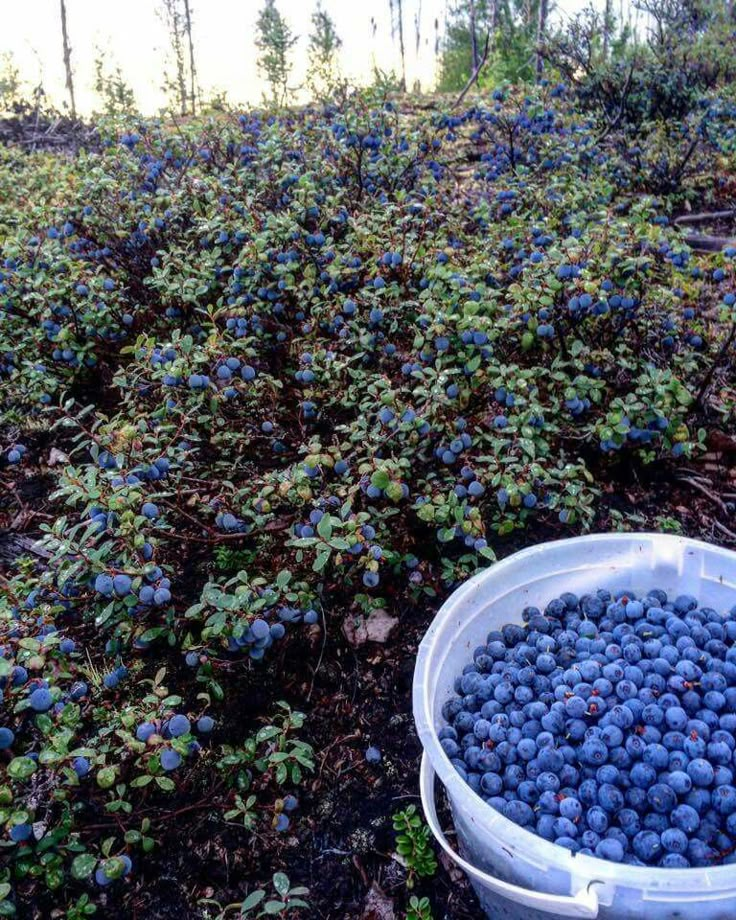
Market Analysis: Current Prices and Demand
The most immediate question for any prospective farmer is: How much is a kg of blueberries in Kenya? The answer reveals why this crop is attracting so much attention.
Currently, fresh blueberries sell for between KSh 2,500 and KSh 4,500 per kilogram in Kenyan supermarkets and premium fruit outlets. The price varies based on season, quality, and whether the berries are imported or locally grown. Imported berries typically command the higher end of this price range due to transport costs, creating a significant opportunity for local producers.
When asking what is the most expensive fruit in Kenya, blueberries consistently rank near the top, alongside other premium fruits like raspberries and specialty mango varieties. This premium pricing is driven by several factors: their status as a superfood with proven health benefits, limited local production, and high demand from health-conscious consumers, expatriates, tourists, and upscale hotels.
The local market is developing rapidly. Beyond fresh consumption, opportunities exist in supplying hotels for breakfast buffets, restaurants for desserts, and potentially export markets to the Middle East and Europe where Kenyan berries could compete during Northern Hemisphere off-seasons.
Profit Potential of Blueberry Farming
Now to the crucial question: How much money is in blueberry farming? Let’s examine the numbers that make blueberry farming in Kenya potentially revolutionary for agricultural income.
First, we need to understand yield potential. A mature blueberry bush in optimal conditions can produce 3 to 5 kilograms of berries per year. With proper blueberry population per acre management (approximately 1,200 to 1,500 plants per acre), an acre can yield 4,000 to 7,500 kilograms annually once plants reach full production (typically years 3-5).
Using conservative averages:
- Yield: 5,000 kg per acre
- Price: KSh 3,000 per kg (mid-range for local premium berries)
- Gross Revenue: 5,000 × 3,000 = KSh 15,000,000 per acre
This astonishing figure needs context. The cost of blueberry farming in Kenya is substantial, especially in establishment. Initial investment includes specialized blueberry seedlings in Kenya (which cost significantly more than traditional fruit seedlings), soil amendment, irrigation infrastructure, protective netting, and specialized inputs. Establishment costs for one acre can range from KSh 1,500,000 to KSh 3,000,000 over the first three years.
However, once established, a blueberry plantation can produce for 20 to 30 years. Annual maintenance costs after establishment are relatively modest compared to the potential income. When farmers ask which fruit farming is most profitable in Kenya, a well-managed blueberry operation can potentially outperform even established high-value crops like Hass avocado, especially on a per-acre basis.
Ecological Requirements for Blueberry Success
Understanding the specific needs of blueberries is crucial. The common question – Can blueberries grow in hot climates? – has a nuanced answer.
Blueberries are temperate plants that require specific conditions. Which climate is best for blueberries? They thrive in regions with cool winters (for dormancy) and moderate summers. In Kenya, this translates to specific highland areas.
Temperature Requirements:
- Ideal growing temperatures: 18°C to 25°C
- Chilling requirement: Most varieties need 200-800 hours below 7°C during winter for proper bud break and flowering
- Maximum temperatures: Consistently above 30°C stresses plants and affects fruit quality
Altitude and Location:
The best place to grow blueberries in Kenya is in the highlands at altitudes between 1,800 and 2,800 meters above sea level. Counties like:
- Nyandarua
- Nyeri (higher zones)
- Kericho
- Bomet
- Parts of Meru and Kiambu highlands
These areas provide the cool temperatures blueberries require. The success of the Kakuzi blueberry farm in a suitable microclimate demonstrates that with proper site selection, blueberry farming in Kenya can thrive.
Soil Requirements and Preparation
Soil is arguably the most critical factor for success. What is the best soil for blueberries in Kenya? The answer is very specific.
Blueberries require acidic soil with a pH between 4.5 and 5.5. This is significantly more acidic than most Kenyan soils, which tend to be neutral to slightly acidic. Most Kenyan soils will require substantial amendment.
Soil Preparation Steps:
- Test soil pH thoroughly across your planned field
- Lower pH using elemental sulfur, aluminum sulfate, or acidifying fertilizers
- Improve drainage—blueberries hate “wet feet.” They need well-drained, sandy loam soils
- Increase organic matter with peat moss, pine bark, or well-decomposed sawdust
- Ensure good aeration—compacted soils will kill blueberry roots
Many farmers ask: Do coffee grounds help blueberry plants? Yes, used coffee grounds can help slightly acidify soil and add organic matter, but they’re not a substitute for proper pH management. Similarly, Epsom salt for blueberry plants (magnesium sulfate) can address magnesium deficiencies, which are common in acidic soils, but should only be used based on soil test results.
Varieties, Spacing, and Planting Guide
Selecting the right varieties is essential for blueberry farming in Kenya. The main types are:
- Northern Highbush: Best for cooler highland areas (need more chilling hours)
- Southern Highbush: Bred for warmer climates with lower chilling requirements
- Rabbiteye: More heat-tolerant but may not fruit as well in cooler highlands
For blueberry seedlings from Farmers Trend nurseries and other reputable suppliers, look for varieties specifically bred or tested for conditions similar to Kenya’s highlands.
Spacing and Population:
- Between rows: 2.5 to 3 meters
- Between plants: 1 to 1.5 meters
- Plants per acre: 1,200 to 1,500
This spacing allows for air circulation, sunlight penetration, and ease of harvesting. It also accommodates the maximum height of a blueberry bush, which typically reaches 1.5 to 2 meters when mature, though some varieties can grow taller with age.
Planting Time:
The best month to plant blueberries in Kenya is during the cooler months when plants are dormant or just breaking dormancy. June to August is often ideal, allowing plants to establish roots before the main growing season. However, with proper irrigation and care, container-grown seedlings from nurseries like Farmers Trend ( 0790-509684) can be planted year-round.
Growth Timeline and Plant Lifespan
Understanding the timeline is crucial for planning and financing. How long does it take to farm blueberries?
Year 1: Establishment year. Plants focus on root development. Remove any flowers to direct energy to growth.
Year 2: Some varieties may produce a light crop (1/4 to 1/2 of potential).
Year 3: First substantial harvest (about 50-75% of full potential).
Years 4-6: Reach full production capacity.
This means patience is required—significant income typically begins in year 3. However, the wait is worthwhile when considering what is the lifespan of a blueberry bush. With proper care, blueberry bushes can remain productive for 20 to 30 years, with some plants continuing beyond that with reduced yields.
Care and Maintenance
Water Management:
Blueberries need consistent moisture but excellent drainage. Drip irrigation is ideal. About 2.5 to 5 centimeters of water per week is typical, more during fruiting and hot periods. The question – Can blueberries get too much sun? – is relevant in Kenya’s intense sunlight. While they need full sun for maximum production, in particularly hot, high-altitude locations, some afternoon shade or protective netting that reduces light intensity by 20-30% can prevent sunscald on berries.

Fertilization:
Use fertilizers formulated for acid-loving plants. A balanced approach with emphasis on ammonium forms of nitrogen (not nitrate) is best. Regular applications of acidifying fertilizers and micronutrients (especially iron) are often necessary in Kenya’s typically neutral soils.
Pruning:
Annual pruning maintains plant health and productivity. Remove:
Dead, diseased, or damaged wood
Crossed branches that rub
Low-growing branches near soil
About 25% of the oldest canes each year to encourage new growth
Pest and Disease Management:
While relatively pest-free compared to many fruits, watch for:
- Birds (netting is essential)
- Fruit flies
- Fungal diseases in humid conditions (good air circulation helps)
- Root rot in poorly drained soils
Health Considerations and Market Positioning
An interesting question arises: Why do doctors say not to eat blueberries every day? And why are there warnings about eating blueberries? These usually refer to:
Pesticide residues on conventionally grown berries (hence the importance of good practices in your own farm)
Blood-thinning effects for people on specific medications
Oxalate content for those prone to kidney stones
These concerns actually create marketing opportunities for Kenyan growers. By adopting integrated pest management and potentially organic blueberry farming practices, Kenyan blueberries can be positioned as cleaner, safer alternatives to some imported berries.
The question of whether blueberries need to be organic depends on your target market. The premium health-conscious market often prefers and will pay more for organic berries, but the certification process is rigorous.
Sourcing Seedlings and Getting Started
For farmers asking where to buy blueberry seedlings in Kenya, several options exist:
Specialized Nurseries: Reputable sources like Farmers Trend nurseries and other established horticultural nurseries are beginning to offer quality blueberry seedlings in Kenya price varies by variety and size, typically ranging from KSh 1,500 to KSh 2,500 per seedling for young plants.
Agricultural Research Institutions: KALRO and universities with horticulture programs may provide seedlings or guidance on sources.
Importation: For specific varieties not available locally, importation through licensed agents is possible but involves phytosanitary certifications and higher costs.
Virtual agrovets and online agricultural supply platforms are also beginning to stock or facilitate orders for blueberry planting materials.
Challenges and Considerations on Blueberry Farming in Kenya
Blueberry farming in Kenya is not without challenges:
- High Initial Investment: The establishment cost is substantial
- Technical Knowledge Requirement: This is not a “plant and forget” crop
- Soil pH Management: Continuous monitoring and amendment is necessary
- Bird Pressure: Netting is essential but adds to costs
- Perishability: Berries have a short shelf life and require careful handling
- Market Development: While demand exists, supply chains for local berries are still developing
However, for farmers with suitable land, capital for establishment, and willingness to learn, blueberry farming in Kenya offers perhaps the highest potential returns per acre of any crop currently grown in the country.

Take Away
Blueberry farming in Kenya represents a remarkable opportunity at the intersection of global health trends, premium food markets, and Kenyan agricultural potential. While demanding in terms of specific growing requirements and initial investment, the potential financial returns are exceptional.
Success requires careful planning: selecting the right site with appropriate climate, thoroughly preparing and acidifying soil, choosing suitable varieties, implementing precise irrigation and nutrition, and developing market relationships before your first harvest.
For those willing to undertake this venture, the pioneering work of farms like Kakuzi blueberry operations provides both inspiration and proof of concept. As knowledge spreads and more farmers succeed, blueberry farming in Kenya could transform from a novel specialty into a significant horticultural sector, bringing substantial income to Kenyan farmers while providing consumers with a delicious, nutritious superfood grown right here in Kenya.
The journey begins with research, site assessment, and perhaps a visit to existing operations or knowledgeable suppliers like Farmers Trend to see firsthand what successful blueberry farming in Kenya looks like.
https://farmerstrend.co.ke/trending/blueberry-farming-in-kenya-profit-guide/https://farmerstrend.co.ke/wp-content/uploads/2025/12/G05g7R_WgAI9RUe.jpeghttps://farmerstrend.co.ke/wp-content/uploads/2025/12/G05g7R_WgAI9RUe-150x150.jpeg# TrendingBlackberry FarmingFruitsacidic soil crops,agricultural innovation Kenya,agricultural investment Kenya,berry farming Kenya,blueberry farming in kenya,blueberry seedlings Kenya,blueberry varieties Kenya,export agriculture Kenya,Farmers Trend nurseries,health food production,high-altitude farming,high-value crops Kenya,horticulture Kenya,kakuzi blueberries,premium fruits Kenya,profitable fruit farming Kenya,small fruit farming,specialty crops Kenya,superfood farmingBlueberry farming in Kenya represents one of the newest and most exciting frontiers in Kenyan horticulture. As global demand for superfoods continues to rise, Kenyan farmers are uniquely positioned to enter this high-value market. While relatively new to the country, pioneering farms like Kakuzi's blueberry operation have demonstrated that blueberry farming...FarmersTrendjohn doefarmerstrend@gmail.comAdministratorFarmers Trend Ltd.











Leave a Reply