Agricultural Logistics in Kenya: The Silent Force That Decides Farmer Profitability
Farming looks simple from a distance. You put seeds in the soil, remove weeds, wait for rain, harvest, and sell. But for most Kenyan farmers, the hardest part does not happen in the shamba. The hardest part begins the moment the crop leaves the farm. That short journey to the market decides if a farmer ends the season with a profit or a loss. One delay, one breakdown, or one bad decision can wipe out weeks of effort. This is the part of agriculture many Kenyans never see.

Kenya produces plenty of food. Tomatoes from Kirinyaga and Meru. Mangoes and oranges from Makueni, Kitui, and Taita Taveta. Potatoes from Nyandarua. Maize from Bungoma and Uasin Gishu. Milk from Nakuru and Eldoret. Avocados from Kisii and Murang’a. Farmers are not failing at production. They are losing money on movement.
Bad roads, late trucks, poor packaging, unreliable transport networks, and the lack of cold storage continue to drain income from farmers every single day. The problem is not the soil or the weather. The problem is the journey.
Bad Roads Eat the Harvest
Many rural roads collapse the moment it rains. A truck that takes two hours in dry weather can spend a whole day stuck in mud. Tomatoes turn soft. Sukuma wilts. Bananas develop black marks. Milk starts to spoil. In places like Loitoktok, Tana River, or Kitui, heavy rains can block movement for three or four days. Farmers lose almost half of their produce even before it reaches the nearest town.
Even during dry periods, potholes break truck suspensions and slow down movement. Some drivers overload to make extra money. Engines overheat in the process. Vegetables sit in the heat for hours and lose freshness long before reaching Nairobi markets.
Transport You Cannot Trust
Many farmers harvest at dawn to catch cool temperatures. They book a truck the night before and trust the driver to show up. When the phone goes unanswered and the truck arrives at noon, the vegetables are already bruised from the heat. At Githurai, Kangemi, Wakulima, or Kongowea, traders offer half the normal price.
Some drivers stop on the way to load extra goods. The extra weight crushes the tomatoes, onions, or oranges at the bottom. Farmers end up losing value they never planned to lose.
Middlemen Take the Larger Share
Middlemen often get blamed for low farm gate prices. A mango that sells for twenty shillings in Makueni goes for eighty or even one hundred shillings in Nairobi. The difference looks unfair. But most of the time, middlemen handle transport, sorting, timing, and risk. They fill a gap because the farmer has no direct access to urban markets. If the farmer rejects the price, the fruit rots.
Without better logistics, the farmer remains trapped. He accepts whatever price is offered because the alternative is worse.
No Access to Cold Storage
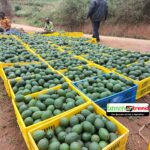
Many rural villages lack cold rooms. Farmers leave their produce under trees hoping shade will protect them. The heat destroys quality. Potatoes sprout. Avocados over ripen. French beans lose their green color. Milk starts to separate. Nyandarua farmers can lose up to forty percent of their Irish potatoes after harvest because of poor storage. Kisii farmers watch perfectly good avocados turn too soft because they lack cooling facilities.
Wrong Packaging Ruins the Crop
Farmers still rely on gunny sacks. Sacks are cheap but rough. They choke air circulation and compress produce. The fruits at the bottom get crushed. One cracked tomato releases juice that spreads rot to the rest. Plastic crates keep produce safe, but the initial cost discourages many farmers. Even owning ten crates feels expensive for a smallholder.

Logistics Break Down Over Small Problems
Agricultural logistics behaves like a chain. When one part fails, the rest collapses.
- Harvest too late in the morning.
- Pack produce in sacks instead of crates.
- Truck arrives late.
- Road delays cause overheating.
- No cold storage.
- Arrival at the market happens after peak buying time.
Each problem looks small. Together, they destroy value fast. A farmer expecting one hundred thousand shillings from an acre of tomatoes ends up with forty thousand after losses.
Real Stories from Farmers
A tomato farmer in Kirinyaga harvested three hundred crates. Rain delayed the truck for one day. By the time he reached the market, one hundred crates were soft and unattractive. He sold them as juice tomatoes for three hundred shillings per crate instead of one thousand two hundred. He lost close to one hundred thousand shillings in a single trip.
A milk farmer in Kinangop wakes up at three in the morning to milk his cows. When the boda that collects milk shows up an hour late, the milk starts to spoil. He sells it to a local hotel at forty shillings per litre instead of sixty five.
Small Changes That Fix Big Problems
Not every solution requires government projects or huge investment. Farmers can start with simple steps.
- Harvest early in cool weather.
- Start using plastic crates even if you buy a few at a time.
- Join other farmers to hire a larger truck at a lower cost.
- Look for buyers who collect produce directly from the farm.
- Keep harvested produce under shade while waiting.
- Share transport information with other farmers.
- Save little by little to invest in storage or shared cold rooms.
Bigger solutions are slowly emerging. Entrepreneurs are setting up solar powered cold rooms. Tech companies are building apps that connect farmers to reliable transport or buyers in Nairobi. Cooperatives are purchasing their own trucks. Counties are grading rural roads more often.
The Truth About Food in Kenya
Kenya grows enough food. The problem is not production. The problem is movement. When food moves quickly and safely, farmers earn more and consumers pay less. When movement breaks down, farmers lose money, urban buyers face high prices, and food rots on the roadside.
The biggest enemy of a Kenyan farmer is not drought or pests. It is poor logistics that drains income silently every day.
So here is the question you should think about. What is one small thing you will change this coming season to protect your harvest? Will you buy a crate? Will you talk to your neighbors and plan transport together? Will you harvest earlier?
Start small. Start soon. When logistics finally works in Kenya, farmers will earn the money they deserve for feeding the country.
https://farmerstrend.co.ke/trending/agricultural-logistics-in-kenya/https://farmerstrend.co.ke/wp-content/uploads/2025/11/1536x1536_gettyimages-1220162136-1024x1024.webphttps://farmerstrend.co.ke/wp-content/uploads/2025/11/1536x1536_gettyimages-1220162136-150x150.webp# TrendingFarming looks simple from a distance. You put seeds in the soil, remove weeds, wait for rain, harvest, and sell. But for most Kenyan farmers, the hardest part does not happen in the shamba. The hardest part begins the moment the crop leaves the farm. That short journey to...FarmersTrendjohn doefarmerstrend@gmail.comAdministratorFarmers Trend Ltd.









Leave a Reply