Valencia Orange Farming in Kenya: Complete 2026 Guide for Farmers
Valencia Orange Farming in Kenya: Complete Guide for Farmers
Valencia orange farming in Kenya has become one of the most profitable agribusiness ventures for farmers across the country. This variety dominates the juice processing industry because of its high juice content and excellent flavor. Processors like Kevian and Afia prefer Valencia oranges for their superior juice yield, creating a stable and reliable market for farmers.

Unlike Washington Navels that target the fresh fruit market, Valencia orange farming in Kenya focuses on supplying the growing juice industry. This provides farmers with consistent bulk buyers who care more about internal quality than external appearance.
This guide by Farmers Trend Ltd. answers all the questions Kenyan farmers are asking about Valencia orange farming in Kenya. It covers profitability, agronomy, pest control, and marketing strategies. Read on to learn how to build a profitable Valencia orange orchard that supplies the lucrative juice processing industry.
Profitability of Valencia Orange Farming in Kenya
Money matters most when choosing which crop to grow. Farmers want to know if Valencia orange farming in Kenya can match or exceed the profits from other citrus varieties.
Valencia oranges offer distinct advantages over Washington Navels and Pixies. Their higher juice content makes them the preferred choice for processors. This ensures a more stable bulk market compared to the fresh fruit market that demands perfect appearance.
A well-managed acre of mature Valencia trees can produce impressive yields. At full production, you can expect between 30 and 40 tons of fruit per acre annually. This high volume translates into substantial income.
To calculate potential earnings, let us use conservative figures. If you achieve 30 tons per acre and sell at sixty shillings per kilogram, your gross income will be one million eight hundred thousand shillings. At higher yields of 40 tons and prices of eighty shillings, gross earnings can reach three million two hundred thousand shillings.
Annual maintenance costs for a mature Valencia orchard range from one hundred fifty thousand to two hundred thousand shillings per acre. This includes labor, fertilizers, sprays, and irrigation expenses.
Your net profit from Valencia orange farming in Kenya can therefore range from one million six hundred thousand to three million shillings annually per acre at maturity. These figures make Valencia farming highly attractive for commercial farmers.
The first three years of Valencia orange farming in Kenya require patience and investment. No fruit comes during this establishment phase. But once production begins, the income stream continues for up to twenty years with proper care.
Market Prices for Valencia Orange Farming in Kenya
Understanding market dynamics helps you maximize returns from Valencia orange farming in Kenya. Prices fluctuate based on season, quality, and buyer type.
Juice processors provide the most stable market for Valencia oranges. Companies like Kevian, Trufood, and Afia need consistent supply throughout the year. They pay between forty and sixty shillings per kilogram depending on volume and delivery terms.
Processors prefer dealing with organized farmer groups rather than individuals. Consider forming or joining a cooperative to access this market. Bulk delivery reduces their collection costs, allowing them to offer better prices.
Fresh market traders also buy Valencia oranges. They sell to consumers who use them for juicing at home. Farm-gate prices to these traders range from sixty to one hundred shillings per kilogram. The price depends on fruit size, color, and cleanliness.
The re-greening phenomenon affects Valencia prices in fresh markets. In warm climates like Lower Eastern, ripe Valencia oranges often develop green patches on their skin. This is natural and does not affect sweetness or juice quality. But some consumers mistake it for unripe fruit, which can lower prices in retail markets.
To overcome this challenge in Valencia orange farming in Kenya, educate your buyers. Explain that re-greening is normal and the fruit inside is perfectly ripe and sweet. Some farmers sell directly to juice bars and restaurants that understand this characteristic.
Export markets offer premium prices for Valencia oranges. Middle Eastern countries import Kenyan citrus. Exporters look for large, clean fruits meeting international standards. Prices can reach one hundred twenty shillings per kilogram, but quality requirements are strict.
Yield Expectations for Valencia Orange Farming in Kenya
Knowing what to expect helps you plan your Valencia orange farming in Kenya operation. Yield increases gradually as trees mature.
A young tree in its third year produces its first small crop. You may get twenty to thirty kilograms from each tree. Remove these early fruits to let the tree focus on growth.
By year five, production increases significantly. Each tree can yield fifty to eighty kilograms. The orchard starts generating meaningful income at this stage.
Mature trees from year seven onwards reach full production. A well-managed Valencia tree produces between one hundred fifty and two hundred kilograms per year. This translates to four hundred to six hundred fruits per tree.
At standard spacing of five meters by five meters, you have one hundred sixty trees per acre. Multiply this by one hundred fifty kilograms per tree, and you get twenty-four tons per acre. At two hundred kilograms per tree, yield reaches thirty-two tons per acre.
Exceptional management with high-density planting and intensive care can push yields even higher. Some farmers achieve forty tons per acre from their Valencia orange farming in Kenya operations.
These yields depend on several factors. Soil fertility, water availability, pest control, and pruning all affect production. Consistent care throughout the year produces the best results.

Best Planting Times for Valencia Orange Farming in Kenya
Timing your planting correctly gives your trees the best start in life. Valencia orange farming in Kenya succeeds when planting aligns with favorable weather conditions.
The long rains from March to April provide ideal planting conditions. The soil is moist and warm. New seedlings establish quickly with less need for irrigation. This reduces early costs and stress on young trees.
Short rains from October to November offer another planting window. The weather is cooling down, and rainfall helps establishment. Seedlings planted during this time benefit from the following long rains for their first full growing season.
If you have reliable irrigation, you can plant at any time of year. Valencia orange farming in Kenya with drip irrigation removes dependence on rain. You control the water supply and can plant when labor and seedlings are available.
Avoid planting during the dry season without irrigation. Young seedlings cannot survive prolonged dry spells. Their shallow roots dry out quickly, leading to stunted growth or death.
Consider your local microclimate when planning. Areas near hills or water bodies may have different rainfall patterns. Talk to successful farmers in your area about their planting experience.
Preparation should start months before planting. Test your soil, mark your rows, and dig holes. Have your irrigation system ready. This way, when the rains come or when you decide to plant, everything is prepared.
Ideal Spacing for Valencia Orange Farming in Kenya
Spacing decisions affect your orchard for decades. Getting it right for Valencia orange farming in Kenya maximizes long-term productivity.
The standard recommendation for Valencia oranges is five meters by five meters. This gives you one hundred sixty trees per acre. This spacing allows each tree to develop a full canopy without competing with neighbours. Air circulates freely, reducing disease pressure. Sunlight reaches all parts of the tree for even ripening.
Some farmers choose higher density planting of four meters by four meters. This gives two hundred fifty trees per acre. You get more trees and higher early production. This can be attractive for farmers wanting quicker returns.
But higher density brings challenges. Trees eventually crowd each other. You must prune aggressively to keep them under control. This requires more labor and skill. Competition for water and nutrients increases. Disease pressure rises with reduced air flow.
For Valencia orange farming in Kenya targeting juice processors, quality matters less than volume. High density can work well if you manage it properly. For fresh market production where fruit appearance matters, wider spacing is safer.
Consider your irrigation system when deciding spacing. Drip lines must reach all trees. Plan your layout to make irrigation installation and maintenance easy.
Also think about access for spraying and harvesting. Rows that are too close make these tasks difficult and time-consuming. Machinery like small tractors need space to move.
Best Rootstocks for Valencia Orange Farming in Kenya
Rootstock choice determines how well your trees handle local conditions. For Valencia orange farming in Kenya, selecting the right rootstock is as important as the variety itself.
Rough Lemon is the most common rootstock for Valencia oranges in Kenya. It produces vigorous trees that establish quickly. Its deep roots provide excellent drought resistance, making it ideal for dry areas like Makueni and Machakos. Trees on Rough Lemon rootstock start bearing fruit earlier and produce heavy yields.
Volkameriana is another popular choice. It performs well in various soil types and tolerates some salinity. Trees on this rootstock grow vigorously and produce good yields. It is slightly more tolerant of wet conditions than Rough Lemon.
Swingle Citrumelo offers resistance to certain soil-borne diseases. It produces smaller trees suitable for high-density planting. This rootstock is good for areas with heavy soils or disease pressure. The trees are more dwarfing, making harvesting easier.
Carrizo Citrange performs well in deeper soils. It produces high-quality fruit with good sugar content. Trees on this rootstock are moderately vigorous and productive.
Your choice depends on your specific conditions. Sandy soils in dry areas favor Rough Lemon. Heavier soils with disease history might need Swingle. Your seedling supplier can advise based on local experience.
Buy certified grafted Valencia orange seedlings only from reputable sources like Farmers Trend Ltd nursery in Muranga. Certified nurseries maintain clean mother blocks and use proven rootstocks. Cheap seedlings from unknown sources may use inferior rootstocks that fail in your conditions.
Growing Valencia Oranges in Kenyan Highlands
Valencia oranges have specific climate preferences. Understanding these helps you succeed with Valencia orange farming in Kenya.
Valencia oranges originated in the warm Mediterranean climate. They prefer warm days and cool nights. This combination produces the best flavour and juice content.
In Kenya, the lower eastern counties provide ideal conditions. Makueni, Machakos, Kitui, and parts of Meru have the warmth Valencia needs. The long dry seasons help induce flowering and fruit development.
Coastal areas also suit Valencia oranges. The warm, humid climate produces good growth. The main challenge is higher disease pressure from fungal infections. Good spray programs become essential.
Can Valencia oranges grow in the highlands? They can succeed up to about two thousand one hundred meters above sea level. Areas like parts of Murang’a and Kiambu can grow Valencia if they avoid frost.
Frost is the main enemy in highland areas. Valencia oranges cannot tolerate freezing temperatures. Even mild frost damages fruit and can kill young trees. Avoid planting in valleys where cold air settles.
Highland growers also face slower fruit maturation. Cooler temperatures extend the time fruit takes to ripen. This can affect market timing and profitability.
If you live in the highlands and want to grow Valencia, study your local microclimate carefully. Talk to existing farmers. Start with a small trial before committing large areas.
Fertilizer Requirements for Valencia Orange Farming in Kenya
Proper nutrition drives productivity in Valencia orange farming in Kenya. A well-fed tree produces more fruit with better juice quality.
Valencia trees need fertilizer three to four times per year. Each application targets a specific growth stage. The first application comes at the onset of rains. This supports new growth and flowering. Use a balanced fertilizer like NPK 10.26.10 or 17.17.17 at this stage.
The second application occurs during flowering. The tree needs extra phosphorus and potassium to support flower development and fruit set. Potassium is especially important for fruit development and juice quality.
The third application comes during fruit expansion. The growing fruits draw heavily on tree reserves. Potassium-rich fertilizers at this stage improve fruit size and sugar content. Apply CAN or other nitrogen sources to maintain leaf health.
Some farmers add a fourth application after harvest. This replenishes nutrients the tree used during production. It prepares the tree for the next growing cycle.
Young trees need different nutrition than mature ones. For the first two years, focus on growth. Use nitrogen-rich fertilizers to build strong branches and roots. Apply smaller amounts more frequently to match their limited root systems.
Organic matter improves soil health for Valencia orange farming in Kenya. Well-decomposed manure applied annually adds nutrients and improves soil structure. It also helps the soil hold moisture during dry spells.
Leaf and soil testing provide the best guidance. These tests tell you exactly what your trees need. You avoid wasting money on unnecessary fertilizers and prevent nutrient imbalances.
Why Valencia Oranges Become Sour
Sour Valencia oranges disappoint both farmers and consumers. Understanding the causes helps you prevent this problem in Valencia orange farming in Kenya.
The most common cause of sourness is harvesting too early. Valencia oranges need time on the tree to develop sugars. Unlike some fruits, they do not continue ripening after picking. They must be fully ripe when harvested.
Valencia oranges have a unique characteristic. The fruit can hang on the tree for twelve to fifteen months after setting. This allows them to develop maximum sweetness. Farmers in warm areas often leave fruit on the tree long after it looks ripe.
Potassium deficiency also causes sour fruit. Potassium plays a direct role in sugar production and movement within the tree. Without enough potassium, sugars do not accumulate in the fruit. Regular potassium applications during fruit development prevent this.
Water stress during fruit development affects sugar content. When trees lack water, they cannot perform photosynthesis effectively. Less sugar is produced and transported to the fruit. Consistent irrigation during dry periods maintains sweetness.
Sunlight exposure influences sugar levels. Fruits hidden deep inside dense canopies receive less light. They produce less sugar than fruits exposed to full sun. Proper pruning ensures light reaches all parts of the tree.
Rootstock choice affects fruit quality. Some rootstocks produce sweeter fruit than others. Rough Lemon generally produces good quality, while others may vary. Ask your supplier about sugar performance of different rootstocks.
Taste your fruit regularly as harvest approaches. Check fruits from different parts of the orchard and different positions on the tree. Harvest only when sweetness meets your standards.
Preventing Alternate Bearing in Valencia Orange Farming in Kenya
Alternate bearing frustrates many citrus farmers. Trees produce a huge crop one year, then very little the next. This cycle reduces overall profitability in Valencia orange farming in Kenya.
The phenomenon happens when trees exhaust themselves. A heavy crop uses most of the tree’s energy. It produces fewer flowers for the next season. The result is a light crop followed by another heavy crop as the tree recovers.
Fruit thinning helps break this cycle. Remove some developing fruits in heavy crop years. This reduces demand on the tree and allows it to maintain energy for next year’s flowers. Thinning also improves size and quality of remaining fruits.
Consistent nutrition throughout the year supports balanced production. Do not cut back on fertilizer after a heavy crop. The tree needs nutrients to recover and set flowers for the next season.
Regular pruning maintains tree vigor. Remove old, unproductive wood. Open the canopy to light. Healthy wood produces more consistent flowering than old, shaded branches.
Water management affects bearing consistency. Avoid severe water stress during flowering and fruit set. Stressed trees may drop flowers or set fewer fruits. Consistent irrigation supports steady production.
Some Valencia varieties have genetic tendencies toward alternate bearing. Your choice of rootstock and scion variety influences this. Ask your nursery about varieties known for consistent production.
Record keeping helps you spot patterns. Note production levels each year. If you see a two-year cycle developing, take action. Adjust your management to smooth out the peaks and valleys.
Best Irrigation Methods for Valencia Orange Farming in Kenya
Water management determines success in Valencia orange farming in Kenya. The right irrigation method saves water and grows healthier trees.
Drip irrigation is the clear winner for Valencia oranges. It delivers water directly to the root zone through tubes and emitters. This targeted application uses less water than other methods. Leaves and trunks stay dry, reducing fungal disease risk. You can run drip systems frequently with small amounts, maintaining consistent soil moisture.
Drip systems also allow fertigation. You can inject fertilizers through the irrigation water. This delivers nutrients directly to the roots when trees need them most. It saves labor and improves fertilizer efficiency.
Sprinkler irrigation works but has disadvantages. Water wets the leaves and trunks, promoting fungal diseases. More water is lost to evaporation. Sprinklers are cheaper to install but cost more to operate over time.
Basin irrigation involves flooding around each tree. This method wastes water and encourages root rot if overdone. It works only on flat land with good drainage. Most commercial Valencia orange farming in Kenya has moved away from basin irrigation.
How much water do Valencia trees need? Mature trees require about thirty to forty litres per week during dry weather. This varies with temperature, wind, and soil type. Sandy soils need more frequent but lighter applications. Clay soils hold water longer and need less frequent irrigation.
Mulching reduces water needs significantly. A thick layer of dry grass or other organic material around each tree keeps soil cool and moist. It also adds organic matter as it decomposes.
Monitor your trees for water stress. Leaves that curl or lose their shine need water. But do not wait until they wilt, as this already hurts production. Consistent moisture produces the best fruit.
Pruning Requirements for Valencia Orange Farming in Kenya
Valencia trees need less pruning than some other citrus varieties. But proper pruning still plays an important role in Valencia orange farming in Kenya.
Skirting is the first priority. This means removing lower branches that hang near the ground. These branches collect soil splash during rain, introducing diseases to the tree. They also make harvesting difficult and provide hiding places for pests. Lift the skirt to about sixty centimeters from the ground.
Thinning the canopy improves light penetration. Valencia fruits need sunlight to develop full sweetness. Remove crossing branches that rub together. Take out some interior branches to let light reach the center of the tree.
Remove dead or diseased wood whenever you see it. This wood harbors pests and diseases that can spread to healthy parts. Cut back to healthy wood and dispose of removed material away from the orchard.
Valencia trees benefit from less severe pruning than Navels. They naturally maintain a more open structure. Heavy pruning can reduce production by removing fruiting wood. Be conservative and remove only what is necessary.
Timing matters for pruning. The best time is after harvest but before the main flowering season. In most areas, this means the dry season from January to March. Pruning during active growth can stress the tree.
Use clean, sharp tools. Disinfect between trees if you are cutting out diseased wood. Dirty tools spread pathogens from infected to healthy trees.
Young trees need formative pruning. Establish a strong framework of main branches during the first three years. This structure supports heavy crops for decades to come.

Controlling Citrus Thrips in Valencia Orange Farming in Kenya
Citrus thrips cause serious damage to Valencia oranges. Their feeding scars the fruit surface, reducing market value significantly.
Thrips are tiny insects that feed on young fruit and leaves. They rasp the surface cells and suck the contents. As the fruit grows, these feeding sites expand into silvery scars or rings. Even slight scarring makes fruit unsuitable for fresh market sale.
For Valencia orange farming in Kenya targeting juice processors, thrips damage matters less. Processors care about internal juice quality, not external appearance. But if you also sell to fresh markets, thrips control becomes essential.
Monitoring is the first step in thrips management. Check young fruit regularly for signs of feeding. Look for the tiny insects themselves on new growth. Early detection allows timely intervention.
Chemical control targets thrips when they are most vulnerable. Spray when petals have fallen and young fruit is visible. This timing catches thrips before they cause significant scarring. Use products specifically labeled for thrips control.
Rotate between different chemical classes. Thrips can develop resistance to repeated use of the same product. Your spray program should include different modes of action.
Biological control offers long-term solutions. Predatory insects like minute pirate bugs and lacewings feed on thrips. Creating habitat for these beneficial insects helps keep thrips populations in check.
Orchard hygiene reduces thrips pressure. Remove weeds that serve as alternate hosts. Keep the area around trees clean and free of debris where thrips might hide.
Some farmers accept some thrips damage when selling to processors. The cost of control may exceed the price premium for perfect fruit. Make this decision based on your specific market situation.
Complete Spray Program for Valencia Orange Farming in Kenya
A systematic spray program protects your Valencia orange farming in Kenya investment. Knowing what to spray and when prevents major losses.
The spray calendar follows the tree’s growth cycle. Different pests and diseases attack at different times. Your program should target each threat when it is most vulnerable.
Start with copper sprays before the rains. Copper fungicides protect against fungal diseases like citrus canker and brown rot. Apply when leaves are dry and temperatures are moderate. Repeat after heavy rain that washes off the protection.
During flowering, watch for thrips and aphids. These insects attack new growth and developing fruit. Spray when you see significant populations. Avoid spraying during full bloom when bees are active.
As fruit develops, fruit flies become the main concern. Use protein baits mixed with insecticide. These attract and kill adult flies before they can lay eggs. Pheromone traps help monitor population levels.
Leaf miners attack new flushes of growth. Their tunneling damages leaves and reduces tree vigor. Systemic insecticides work well against leaf miners. Time applications to new growth flushes.
False codling moth requires specific attention. Use pheromone traps to monitor and mass trap males. Remove and destroy fallen fruit where larvae develop. Spray when monitoring shows high populations.
Always rotate between different chemical groups. Pests develop resistance when the same product is used repeatedly. Your spray program should include multiple modes of action.
Keep detailed records of every spray. Note the date, product used, rate, and target pest. This information helps you evaluate effectiveness and plan future programs.
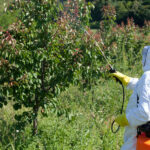
Follow safety precautions when spraying. Wear protective clothing. Mix chemicals according to label instructions. Dispose of containers properly. Keep workers and animals away during application.
Controlling Fruit Flies in Valencia Orange Farming in Kenya
Fruit flies rank among the most destructive pests in Valencia orange farming in Kenya. They can ruin an entire harvest if not properly managed.
Fruit flies sting developing fruit to lay eggs inside. The eggs hatch into maggots that feed on the fruit flesh. Damaged fruit rots and falls prematurely. Even slight damage makes fruit unfit for market.
Monitoring tells you when fruit flies are active. Pheromone traps attract and catch male flies. Count them regularly to track population levels. When catches increase, take action.
Protein bait sprays offer effective control. Mix insecticide with a protein attractant. Spray this mixture on part of the tree. Adult flies are attracted to the protein and die after feeding. This method uses less chemical than full-coverage spraying.
Orchard hygiene removes breeding sites. All fallen fruit must be collected and destroyed. These fruits contain developing larvae that will emerge as adult flies. Do not leave them on the ground or compost them near the orchard.
Male annihilation technique uses traps with male attractants. Removing males from the population reduces breeding. Fewer females get mated, leading to fewer offspring.
Biological control introduces natural enemies. Parasitic wasps attack fruit fly larvae. Creating habitat for these beneficial insects helps over time. This approach works best as part of an integrated program.
Harvest timing affects fruit fly damage. Fruit becomes more attractive as it ripens. Do not leave ripe fruit on trees longer than necessary. Harvest promptly when fruit reaches maturity.
Community action multiplies effectiveness. Fruit flies fly from orchard to orchard. If you control them while your neighbour does nothing, flies will keep coming. Work with nearby farmers on coordinated control programs.
Identifying Citrus Greening in Valencia Orange Farming in Kenya
Citrus greening disease poses the greatest threat to Valencia orange farming in Kenya. Early identification saves your orchard from destruction.
The disease is caused by bacteria spread by the citrus psyllid. When infected, trees slowly decline and die. There is no cure. Prevention and early removal are the only options.
Leaf symptoms appear first. Look for asymmetric yellowing called blotchy mottle. Leaves show yellow patches that do not match the vein pattern. This differs from nutrient deficiencies where yellowing follows a regular pattern.
Shoot symptoms include stunted growth. Infected branches produce short, upright shoots with small leaves. These shoots may show multiple flushes of growth with yellow leaves.
Fruit symptoms are distinctive. Infected trees produce small, lopsided fruits. The fruit may stay green at the bottom even when ripe. Cut open the fruit, and the seeds may be aborted and dark. The juice tastes bitter.
Tree decline progresses over time. Infected trees become less productive each year. Branches die back. Eventually the tree stops producing and dies.
If you suspect greening, act fast. Contact your county agriculture officer for confirmation. They can arrange testing to verify the disease.
Remove confirmed infected trees immediately. Dig out the entire tree, including roots. Burn the wood or bury it deep. Do not leave infected material in the orchard where psyllids can spread the bacteria.
Control psyllids rigorously. Your spray program must target this vector. Keep psyllid populations as low as possible. Monitor regularly for their presence.
Buy only certified disease-free seedlings. Many infections start with infected planting material. Reputable nurseries test their mother trees regularly.
Premature Fruit Drop in Valencia Orange Farming in Kenya
Watching fruit fall before it ripens frustrates every farmer. Several factors cause premature drop in Valencia orange farming in Kenya.
Fruit flies lead the list of causes. Damaged fruit drops early as the tree sheds what it cannot support. If you see small punctures on fallen fruit, fruit flies are likely the culprit.
Water stress triggers fruit drop. Trees respond to drought by shedding fruit to reduce water demand. Consistent irrigation prevents this. Do not let trees go completely dry, then soak them. Gradual, consistent moisture works best.
Nutrient deficiencies weaken fruit stems. Potassium and magnesium are especially important for fruit retention. Without enough, the tree cannot hold all its fruit. Regular fertilization based on leaf analysis prevents this.
Diseases like brown rot cause fruit to rot and fall. Fungal infections spread during wet weather. Good air circulation and preventive copper sprays reduce disease pressure.
Natural thinning occurs in all fruit trees. Trees often set more fruit than they can support. They drop some to focus energy on the rest. This is normal and not a cause for alarm. Heavy drop that continues through the season indicates a problem.
Wind can cause mechanical drop. Strong winds whip branches and knock off fruit. Windbreaks around your orchard reduce this damage.
To diagnose the cause, examine fallen fruit. Look for insect damage, rot, or healthy fruit. Check the stem attachment point. Look for patterns in when and where drop occurs. This information guides your response.
Conclusion
Valencia orange farming in Kenya offers excellent opportunities for committed farmers. The stable juice processing market provides reliable income. High yields per acre generate substantial profits when trees mature.
Success requires attention to detail at every stage. Start with certified seedlings on appropriate rootstocks. Prepare your land properly and install irrigation before planting. Follow recommended practices for fertilization, pruning, and pest control.
Understand your market before you plant. Juice processors offer stability but lower prices per kilogram. Fresh markets pay more but demand perfect fruit appearance. Some farmers supply both, selling graded fruit to different buyers.
The re-greening characteristic of Valencia oranges affects fresh market sales. Educate your customers that green patches on ripe fruit are natural and do not affect quality. Build relationships with buyers who understand this.
Patience during the first three years pays off. Your trees are building the structure that will support decades of production. Invest in their care during establishment, and they will reward you later.
Kenya’s climate offers advantages for Valencia production. Warm lowland areas produce excellent fruit with high juice content. The growing market for fruit juice means increasing demand for Valencia oranges.
Start planning your Valencia orange farming in Kenya today. Visit successful orchards in your area. Talk to processors about their supply needs. Test your soil and prepare your land. Take the first step toward building a profitable orchard that will serve you for many years.
For more information on Valencia orange farming in Kenya, contact your county agriculture office or Farmers Trend Limited via +254790509684. They can connect you with resources, training, and other farmers. The journey from planting to profit takes time, but the destination is worth the effort.
https://farmerstrend.co.ke/trending/valencia-orange-farming-in-kenya-2026-guide/https://farmerstrend.co.ke/wp-content/uploads/2026/02/GzR0GvFWUAA3Snm-1024x719.jpeghttps://farmerstrend.co.ke/wp-content/uploads/2026/02/GzR0GvFWUAA3Snm-150x150.jpeg# TrendingFruitsValencia Orange FarmingValencia Orange Farming in Kenya: Complete Guide for Farmers Valencia orange farming in Kenya has become one of the most profitable agribusiness ventures for farmers across the country. This variety dominates the juice processing industry because of its high juice content and excellent flavor. Processors like Kevian and Afia prefer...FarmersTrendjohn doefarmerstrend@gmail.comAdministratorFarmers Trend Ltd.


Leave a Reply