KALRO and KOPIA Strengthen Certified Rice Seed Production to Boost Yields and Food Security
KALRO and KOPIA Kenya are expanding certified rice seed production through modern technologies, improved seed systems and farmer training to increase rice yields and strengthen Kenya’s food security.
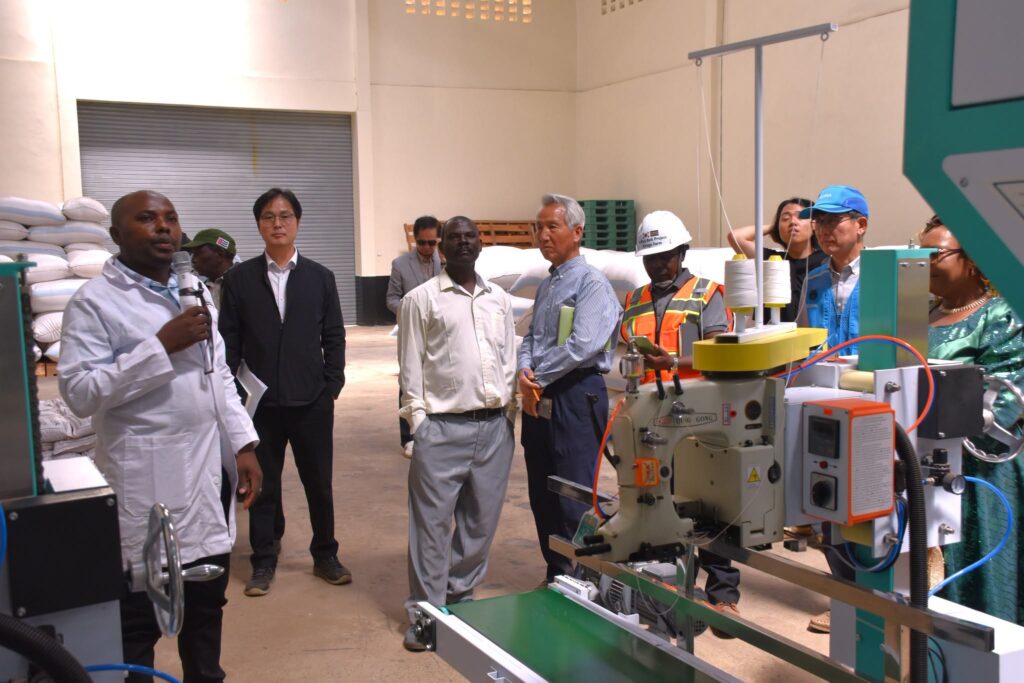
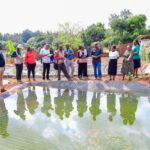
The Kenya Agricultural and Livestock Research Organization (KALRO), in partnership with KOPIA Kenya, is expanding the production of certified rice seed through modern technologies, improved seed production systems and farmer capacity building in a move aimed at increasing rice productivity and strengthening Kenya’s food security.
The collaboration is focused on improving the availability of high-quality certified rice seed while supporting farmers with modern production technologies that enhance productivity and build resilience within the country’s rice value chain.
Speaking on behalf of Dr. Ruth Musila, Centre Director at KALRO Industrial Crops Research Centre (ICRC) Mwea, Ms. Anita Nunu highlighted the importance of the partnership in strengthening Kenya’s certified rice seed industry.
She said the collaboration has supported the establishment of modern seed drying, processing, storage and quality assurance facilities at KALRO Mwea. The facilities were designed and supervised by Eng. Khaemba of KALRO and are expected to improve the quality, handling and availability of certified rice seed for farmers.
The project will begin certified rice seed production this season at KALRO Mwea’s Kirogo Research Farm, where 45 acres have already been leveled in preparation for planting beginning in September 2026.
According to KALRO, the expanded production area is expected to increase the supply of certified seed while supporting higher rice productivity and improved food security across the country.
During the technical sessions, Julius Munene, an Agricultural Engineer, demonstrated the role of modern seed drying technology in maintaining seed quality.
He explained that modern seed dryers reduce seed moisture to safe storage levels, provide faster and more uniform drying, minimize dependence on unpredictable weather conditions and preserve seed viability before storage and planting.
Mr. Munene also highlighted the importance of modern seed processing technologies, which clean and sort seed, remove impurities and enable the uniform application of protective seed treatments.
He said these technologies help protect germinating rice seed against soil-borne fungal diseases, root infections and early-season pests while improving seed handling and reducing direct exposure of workers to treatment chemicals.
The KOPIA Kenya team, led by Dr. Ji Gang Kim, also shared experiences on improving rice productivity through appropriate planting schedules and modern cultivation technologies.
According to the project team, rice seed production during the January to June 2026 off-season achieved an average yield of 5.3 tonnes per acre, demonstrating the significant productivity gains that are possible through improved seed production systems and modern farming practices.
The team noted that farmers in Mwea, one of Kenya’s leading rice-producing regions, have the potential to achieve even higher yields because of their extensive experience in rice cultivation and adoption of advanced production technologies.
Beyond increasing seed production, the partnership has also focused on building the capacity of seed growers in Central Kenya and Tana River County, supporting youth employment and expanding access to improved climate-smart rice varieties.
KALRO says strengthening local seed production systems is essential in ensuring farmers have reliable access to certified planting materials capable of delivering higher yields and greater resilience to changing climatic conditions.
Research has consistently shown that farmers who plant certified rice seed achieve better crop establishment, improved disease management and higher productivity than those using uncertified seed.
According to KALRO, farmers who adopt certified rice seed have the potential to realize up to 30 percent higher yields compared to those planting non-certified seed, making quality seed one of the most effective investments for improving rice production.
The partnership between KALRO and KOPIA reflects Kenya’s continued commitment to modernizing agriculture through research, innovation and technology transfer. By strengthening certified seed systems and equipping farmers with practical knowledge, the initiative is expected to contribute significantly to increased rice production, improved farmer incomes and enhanced national food security.
https://farmerstrend.co.ke/trending/kalro-and-kopia-expand-certified-rice-seed-production-in-kenya/https://farmerstrend.co.ke/wp-content/uploads/2026/07/KALRO-and-KOPIA-Strengthen-Certified-Rice-Seed-Production-to-Boost-Yields-and-Food-Security-1024x683.jpghttps://farmerstrend.co.ke/wp-content/uploads/2026/07/KALRO-and-KOPIA-Strengthen-Certified-Rice-Seed-Production-to-Boost-Yields-and-Food-Security-150x150.jpg# Trendingagricultural research Kenya,certified rice seed Kenya,climate-smart rice varieties,Farmers Trend News,food security Kenya,KALRO Mwea,KALRO rice seed,KOPIA Kenya,Mwea rice farmers,quality rice seed Kenya,rice farming Kenya,rice productivity Kenya,rice seed production,rice technology KenyaKALRO and KOPIA Kenya are expanding certified rice seed production through modern technologies, improved seed systems and farmer training to increase rice yields and strengthen Kenya's food security.The Kenya Agricultural and Livestock Research Organization (KALRO), in partnership with KOPIA Kenya, is expanding the production of certified rice seed through...FarmersTrendjohn doefarmerstrend@gmail.comAdministratorFarmers Trend Ltd.









Leave a Reply