Moringa Farming in Kenya 2026 – A Simple Guide to Growing the Miracle Tree for Money
Moringa Farming in Kenya 2026 – The Complete Guide to the Miracle Tree Industry
Moringa oleifera, often called the miracle tree, has transformed from a little-known traditional vegetable into a globally traded superfood commodity, and Kenya is positioning itself as a major producer for both the domestic and export markets.
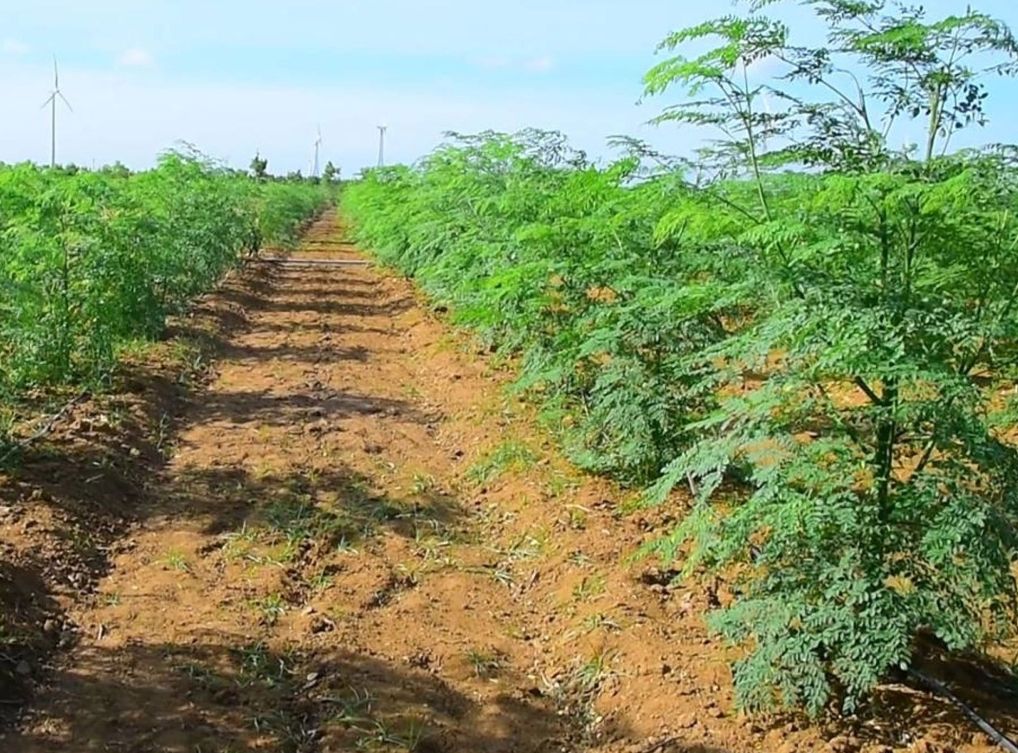
Farmers in the arid and semi-arid lands of Makueni, Machakos, Tharaka Nithi, and the Coastal belt have discovered that this drought-tolerant tree thrives in poor soils and extreme temperatures where other crops fail, providing a reliable source of income from leaf powder, seed oil, and fresh pods.
The global demand for organic moringa powder has pushed retail prices in Nairobi to 1,200 to 1,500 shillings per kilogram, while the export market for cold-pressed seed oil has surged to 8,000 shillings per litre in 2026.
Moringa farming in Kenya has become an attractive commercial venture because the trees grow exceptionally fast, allowing farmers to harvest their first leaves within 60 to 90 days after transplanting certified seedlings.
A well-managed high-density leaf production system can yield 10 to 15 tons of fresh leaves per acre annually, and with proper processing into powder, the gross revenue potential reaches 2.4 to 4.5 million shillings per acre at full production. The seed production system, using wider spacing, yields 500 to 800 kilograms of seeds per acre, which can be cold-pressed into high-value oil for the cosmetic industry.
This feature by Farmers Trend provides a comprehensive technical analysis of the moringa value chain in 2026, covering variety selection, nursery establishment, field engineering, nutritional management, harvesting protocols, processing techniques, and financial projections for moringa farming in Kenya. The information comes from successful growers, processors, and export market analysts.

The 2026 Industrialization of the Miracle Tree in Kenya
The industrialization of moringa farming in Kenya has accelerated as more farmers recognize the tree’s ability to produce multiple income streams from leaves, seeds, and pods.
The crop is particularly well-suited to the ASAL regions that cover over 80 percent of Kenya’s land area, where traditional crops like maize and beans frequently fail due to unreliable rainfall. Farmers in Makueni, Machakos, Tharaka Nithi, and the Coastal belt have become the primary producers, and the crop has also expanded into parts of Eastern and Rift Valley provinces where irrigation is available.
The market for moringa products has grown significantly as health-conscious consumers have discovered the tree’s exceptional nutritional profile, which includes high levels of protein, calcium, iron, vitamin A, and vitamin C. Supermarkets and health food stores in Nairobi stock moringa powder, capsules, and tea, and the export market to Europe, North America, and Asia is developing rapidly.
The organic certification of moringa products commands premium prices, and farmers who follow organic practices can access these lucrative markets.
The versatility of moringa farming in Kenya is one of its greatest strengths, because farmers can choose to focus on leaf production for powder, seed production for oil, or fresh pod production for the vegetable market. The leaves are harvested every 28 to 35 days and can be dried and ground into powder that has a shelf life of 12 to 24 months.
The seeds are cold-pressed to extract a high-quality oil that is used in cosmetics, skincare products, and hair treatments. The fresh pods are sold as a vegetable in local markets and are popular in traditional Kenyan cuisine.
| System Type | Spacing | Primary Product | Harvest Frequency | Annual Yield Potential |
|---|---|---|---|---|
| High-density leaf | 0.5m x 0.5m | Fresh leaves | Every 28-35 days | 10-15 tons leaves |
| Seed production | 3m x 3m | Seeds | Twice per year | 500-800 kg seeds |
| Pod production | 2m x 2m | Fresh pods | Every 30-45 days | 8-10 tons pods |
| Mixed system | 2m x 2m | Leaves and seeds | Varied | 6-8 tons leaves, 300 kg seeds |
Genetics and Material Selection for Moringa Farming in Kenya
The choice of planting material is the most critical decision in commercial moringa farming in Kenya because the variety determines the leaf yield, the oil content of the seeds, and the overall productivity of the plantation. Farmers Trend Ltd sells certified high-yield moringa seedlings for 150 shillings each, and these plants are grown from seeds selected from proven mother trees with high leaf biomass production and disease resistance. The seedlings are certified to ensure they are true to type and free from pests and diseases, and they are ready for transplanting after 8 to 12 weeks in the nursery.
The PKM-1 variety is the most popular for commercial leaf production because it produces high biomass yields and has a compact growth habit that allows for high-density planting. This variety was developed in India specifically for leaf production and has been widely adopted in Kenya because of its superior performance. PKM-1 is ideal for farmers who want to focus on leaf powder production for moringa farming in Kenya.
The PKM-2 variety is better suited for seed and oil production because it produces larger pods with higher oil content than PKM-1. The seeds from PKM-2 yield 40 to 45 percent oil when cold-pressed, which is higher than other varieties. This variety is preferred by farmers who want to supply the cosmetic oil market in moringa farming in Kenya.
The local landraces that have been grown in Kenya for generations have smaller leaves and lower yields than the improved PKM varieties, and they are not recommended for commercial production. Farmers who want to maximize their returns from moringa farming in Kenya should invest in certified PKM-1 or PKM-2 seedlings from reputable nurseries like Farmers Trend.
| Cost Item | Quantity | Unit Price | Total |
|---|---|---|---|
| Moringa seedlings (PKM-1) | 16,000 | 150 KSh | 2,400,000 KSh |
| Land preparation | 1 acre | 15,000 KSh | 15,000 KSh |
| Manure (1kg per plant) | 16,000 kg | 3,000 KSh/ton | 48,000 KSh |
| DAP fertilizer | 50 kg | 130 KSh/kg | 6,500 KSh |
| Drip irrigation system | 1 acre | 60,000 KSh | 60,000 KSh |
| Drying and processing equipment | 1 set | 100,000 KSh | 100,000 KSh |
| Labor (planting, harvesting, processing) | 60 days | 500 KSh/day | 30,000 KSh |
| Pest control materials | 1 acre | 10,000 KSh | 10,000 KSh |
| Total First-Year Investment | 2,669,500 KSh |

Orchard Engineering for Moringa Farming in Kenya
The engineering of a commercial moringa plantation depends on the target product, and high-density leaf production requires a completely different spacing approach than seed production. For leaf production in moringa farming in Kenya, the recommended spacing is 0.5 meters by 0.5 meters, which gives approximately 16,000 plants per acre. This high density maximizes leaf biomass production and allows for efficient harvesting using manual or mechanical methods.
For seed production in moringa farming in Kenya, the recommended spacing is 3 meters by 3 meters, which gives approximately 450 plants per acre. This wider spacing allows each tree to develop a full canopy and produce a large number of pods. The trees can also be intercropped with other crops in the early years to generate additional income while the moringa trees mature.
For mixed leaf and seed production in moringa farming in Kenya, the recommended spacing is 2 meters by 2 meters, which gives approximately 1,000 plants per acre. This spacing allows for reasonable leaf production while still giving the trees enough room to produce pods. This is a good compromise for farmers who want to diversify their income streams.
Dig holes that are 30 centimeters wide, 30 centimeters deep, and 30 centimeters long for high-density planting, or 60 centimeters wide, 60 centimeters deep, and 60 centimeters long for seed production. Mix the topsoil with 1 kilogram of well-rotted manure per plant for high-density systems, or 5 kilograms per plant for seed production. Add 10 grams of DAP fertilizer per plant for high-density systems, or 50 grams for seed production.
The best time to plant moringa seedlings is at the onset of the long rains in March or the short rains in October, although the tree’s exceptional drought tolerance allows it to survive even in moisture-stressed environments. The seedlings should be planted at the same depth they were growing in the nursery pot, and the soil should be firmed gently around the roots for successful moringa farming in Kenya.
Nutritional Management for Moringa Farming in Kenya
Moringa trees are efficient nutrient users and can produce good yields even in poor soils, but proper fertilization will significantly increase leaf biomass and seed production. For high-density leaf production in moringa farming in Kenya, apply CAN fertilizer at 50 kilograms per acre every 4 to 6 weeks after each harvest to replenish the nitrogen removed in the leaves. The leaves are high in protein, which means they contain a lot of nitrogen, so regular nitrogen applications are essential for maintaining productivity.
For seed production in moringa farming in Kenya, apply NPK 17:17:17 at 100 grams per tree twice yearly at the start of the rains, and apply CAN at 50 grams per tree after flowering to support pod development. Potassium is important for seed oil content, and applying potassium sulphate at 50 grams per tree during pod filling will improve the quality of the oil.
Organic matter is essential for soil health and sustained productivity in moringa farming in Kenya. In addition to the manure applied before planting, farmers can apply compost tea or other organic foliar feeds every 2 to 4 weeks during the growing season. These organic amendments improve soil structure, increase water-holding capacity, and support beneficial soil microorganisms.
The 30 centimeter cutting height is critical for optimizing leaf yield in moringa farming in Kenya because it encourages lateral branching and maximizes the number of harvestable shoots. Cutting too low damages the plant and reduces regrowth, while cutting too high leaves too much stem and reduces the leaf-to-stem ratio. Farmers should maintain their cutting height at approximately 30 centimeters for the best results.

Integrated Pest and Disease Management
Caterpillars are the most common pest in moringa farming in Kenya, and they can defoliate a plantation quickly if not controlled. The caterpillars eat the leaves and can reduce yields significantly. Control caterpillars with neem oil or Bacillus thuringiensis (Bt), which is a biological insecticide that is safe for use on organic crops. Spray the undersides of the leaves where the caterpillars hide.
Root rot is a fungal disease that occurs when the soil is waterlogged, and it can kill young trees within days. The disease is more common in heavy clay soils or in areas with poor drainage. Prevention is the best cure, so plant your moringa trees in well-drained soil or on raised beds, and avoid overwatering.
Aphids can also infest moringa trees, particularly during the dry season, and they cluster on the young leaves and growing tips, sucking plant sap and causing the leaves to curl. Control aphids with neem oil or insecticidal soap, and encourage natural predators like ladybugs and lacewings.
Harvesting and Processing for Moringa Farming in Kenya
Moringa is a continuous harvest crop in moringa farming in Kenya, which means that farmers can harvest every 28 to 35 days throughout the year depending on irrigation and nutrient management. The leaves are pruned at a height of approximately 30 centimeters to encourage lateral branching and maximize biomass production. The harvested leaves should be processed within 24 hours to preserve their nutritional quality.

The leaves are dried in the shade or in a low-temperature dryer to preserve the heat-sensitive vitamins and antioxidants. Sun drying is not recommended because the ultraviolet radiation destroys some of the nutrients. The dried leaves are then ground into a fine powder using a hammer mill or other grinding equipment. The powder should be stored in airtight containers away from light and moisture.
The seeds are harvested when the pods turn brown and start to split open, and they are dried in the sun for 3 to 5 days before processing. The seeds are cold-pressed to extract the oil, and the remaining seed cake can be used as animal feed or as a soil amendment.
| Year | Leaves (kg) | Leaf Price/kg | Seed (kg) | Seed Price/kg | Total Revenue | Net Profit |
|---|---|---|---|---|---|---|
| 1 | 5,000 | 200 | 0 | 0 | 1,000,000 | -1,669,500 |
| 2 | 10,000 | 250 | 0 | 0 | 2,500,000 | -169,500 |
| 3 | 12,000 | 300 | 200 | 500 | 3,700,000 | 1,030,500 |
| 4 | 15,000 | 350 | 400 | 600 | 5,490,000 | 2,820,500 |
| 5+ | 15,000 | 400 | 500 | 800 | 6,400,000 | 3,730,500 |
Financial Forecasting for Moringa Farming in Kenya
The first year of high-density leaf production in moringa farming in Kenya costs about 2.67 million shillings per acre for seedlings, land preparation, manure, fertilizer, irrigation, drying equipment, and labor. You will get a harvest in the first year, about 5,000 kilograms of fresh leaves, which will give you 1 million shillings at 200 shillings per kilogram for dried powder equivalent. You will still have a loss of about 1.67 million shillings.
From year 2 onward in moringa farming in Kenya, the plants produce more leaves. A 2 year old planting gives about 10,000 kilograms of fresh leaves, and at 250 shillings per kilogram for dried powder, you get 2.5 million shillings. Your loss is reduced to about 169,500 shillings.
By year 3 of moringa farming in Kenya, the plants give 12,000 kilograms of fresh leaves and 200 kilograms of seeds. At 300 shillings per kilogram for leaf powder and 500 shillings per kilogram for seeds, you get 3.7 million shillings, and your profit is about 1.03 million shillings.
By year 4 of moringa farming in Kenya, the plants give 15,000 kilograms of fresh leaves and 400 kilograms of seeds. At 350 shillings per kilogram for leaf powder and 600 shillings per kilogram for seeds, you get 5.49 million shillings, and your profit is about 2.82 million shillings.
By year 5 and beyond in moringa farming in Kenya, the plants give 15,000 kilograms of fresh leaves and 500 kilograms of seeds. At 400 shillings per kilogram for leaf powder and 800 shillings per kilogram for seeds, you get 6.4 million shillings, and your profit is about 3.73 million shillings per acre every year.

Next Step for Moringa Farming in Kenya
Moringa farming in Kenya offers a high-value opportunity for farmers who have access to irrigation and processing equipment, and the PKM-1 and PKM-2 varieties provide the best returns for leaf and seed production.
Certified seedlings from Farmers Trend cost 150 shillings each, and a well-managed high-density leaf production acre with 16,000 plants yields 10 to 15 tons of fresh leaves annually. The leaf powder retails for 1,200 to 1,500 shillings per kilogram, and the seed oil fetches 8,000 shillings per litre in export markets. By year 5 of moringa farming in Kenya, you can earn over 3.7 million shillings per acre.
The best time to plant is March or October at the onset of the rains, and you should prepare your land, put in drip irrigation, and test your soil before you order seedlings. The trees are drought-tolerant and thrive in the ASAL regions of Makueni, Machakos, Tharaka Nithi, and the Coastal belt, making moringa farming in Kenya ideal for dry areas.
For certified moringa seedlings at 150 shillings, site checks, and the 2026 Moringa farming in Kenya PDF guide, contact Farmers Trend Ltd at 0790509684. The farmers who started growing moringa a few years ago are now earning millions every season, and their trees will keep producing for another 3 to 5 years. The time to start your moringa farming in Kenya journey is now.
https://farmerstrend.co.ke/crops/moringa-farming/moringa-farming-in-kenya-2026-guide/https://farmerstrend.co.ke/wp-content/uploads/2026/04/1768037502525.jpeghttps://farmerstrend.co.ke/wp-content/uploads/2026/04/1768037502525-150x150.jpegMoringa Farming# TrendingBest moringa variety in Kenya,Cost of moringa farming per acre,Farmers Trend moringa seedlings,Moringa farming in Kenya PDF,Moringa leaf powder production,Moringa powder price per kg Nairobi,Moringa seed oil extraction,Moringa seedlings price in Kenya 2026,Moringa spacing 0.5m x 0.5m,Moringa yield per acre,PKM-1 moringa variety,PKM-2 moringa varietyMoringa Farming in Kenya 2026 - The Complete Guide to the Miracle Tree Industry Moringa oleifera, often called the miracle tree, has transformed from a little-known traditional vegetable into a globally traded superfood commodity, and Kenya is positioning itself as a major producer for both the domestic and export markets.Farmers...FarmersTrendjohn doefarmerstrend@gmail.comAdministratorFarmers Trend Ltd.

Leave a Reply