Kenya Flower Industry Global Leader at Crossroads as Freight Costs and VAT Delays Bite
The Kenya flower industry is a global leader but faces rising freight costs and Sh10 billion in unpaid VAT refunds. Industry leaders warn of weekly export risks.
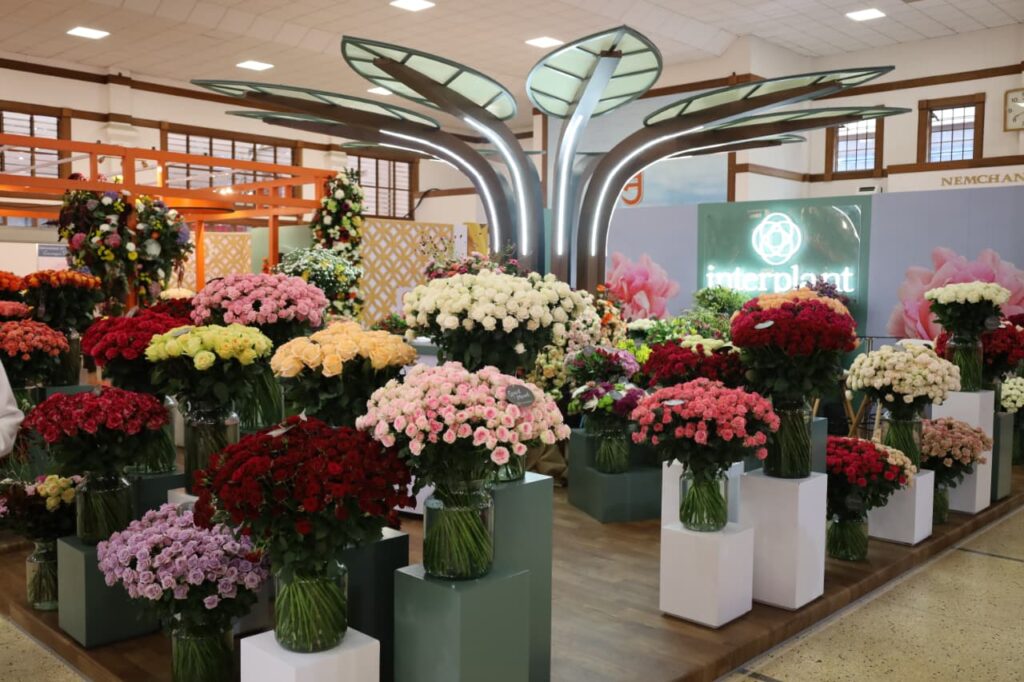
A Remarkable Success Story Under Pressure
Kenya’s flower industry stands today as one of Africa’s most remarkable agricultural success stories. The sector has transformed rural economies. It has empowered communities. It has generated billions in export earnings. It has positioned the country as a global powerhouse in floriculture.
Yet beneath the beauty of Kenya’s world-renowned roses lies a sector confronting some of the most significant challenges it has faced since the COVID-19 pandemic. Speaking at a news conference in Nairobi, industry leaders painted a picture of an industry that remains globally competitive and resilient. But they warned that the industry urgently requires policy support to safeguard its future.
The industry generates approximately KES 110 billion (USD 845 million) annually in export earnings. It contributes about 1.5 per cent directly to Kenya’s Gross Domestic Product. It remains the single largest contributor within the horticulture sector. It is also one of the country’s most important foreign exchange earners.
Kenya’s Position as a Global Floriculture Powerhouse
Kenya exports flowers to more than 60 countries. It has firmly established itself as Africa’s largest flower exporter. It is the leading supplier of cut flowers to the European Union.
Nearly 70 per cent of Kenya’s flower exports are destined for European markets. Demand continues to grow steadily in Asia and the Middle East. The country remains one of the world’s largest producers and exporters of roses. It competes successfully with established flower-producing nations across the globe.
The Kenya flower industry is a global leader. But global floriculture is increasingly being shaped by sustainability rather than productivity alone. Consumers, retailers, and regulators are asking tougher questions. They want to know about environmental stewardship, worker welfare, water use, ethical sourcing, and carbon footprints.
Kenya has responded by positioning itself at the forefront of sustainable flower production. The Kenya Flower Council’s Flowers and Ornamentals Sustainability Standard (F.O.S.S.) has emerged as one of the most respected sustainability certification systems in global floriculture. The standard provides buyers with independent assurance that Kenyan flowers are produced responsibly and ethically.
Sustainability as Kenya’s Competitive Advantage
The impact of F.O.S.S. is evident across the industry. Today, more than 92 per cent of member farms have adopted integrated pest management systems. Over 85 per cent utilise efficient irrigation technologies. More than 60 per cent have invested in renewable energy solutions.
F.O.S.S. has also strengthened worker welfare programmes. It has enhanced biodiversity conservation efforts. It has improved traceability systems. It has promoted climate-smart farming practices and responsible resource management.
As global markets increasingly favour sustainable supply chains, Kenya is positioning itself not merely as a flower supplier. It is becoming a global benchmark for sustainable floriculture. The Kenya flower industry is a global leader in this regard. Other countries look to Kenya as a model.
Clouds on the Horizon: Rising Costs and Export Risks
Despite these achievements, the sector is navigating a difficult operating environment. Recent geopolitical tensions in the Middle East have caused disruptions. Escalating fuel prices have increased costs. Supply chain disruptions have caused delays. Rising input costs have created unprecedented pressure across the industry.
Air freight costs are the lifeblood of flower exports. They have surged dramatically from approximately USD 3.10 per kilogram to nearly USD 5.00 per kilogram. This represents an increase of more than 60 per cent within a short period.
For an industry where speed determines product quality and profitability, the impact is profound. Freight now accounts for between 40 and 60 per cent of total export costs during peak periods. At the same time, fertilizer prices have risen sharply. Production costs have increased by as much as 30 per cent on some farms.
Shipment delays have caused significant losses because flowers are highly perishable. A rose that sits at the airport for an extra day may arrive at its destination wilted and unsellable. Industry leaders estimate that approximately USD 4 million worth of flower exports are currently at risk every week. That is more than KES 500 million in potential lost earnings every seven days.
Perhaps the most concerning issue is the liquidity challenge facing growers. More than KES 10 billion in VAT refunds are reportedly outstanding. The government owes flower farmers this money. The farmers need it to pay their workers, buy inputs, and invest in their farms. Without these refunds, some farms may not survive the current crisis.
Building the Future: What Industry Leaders Are Demanding
Despite current challenges, confidence in Kenya’s flower industry remains strong. The sector continues to export to more than 100 international destinations. It has maintained buyer confidence and global market relevance. Its resilience has been demonstrated repeatedly through economic shocks, climate challenges, the pandemic, and evolving market demands.
Industry leaders are calling for practical interventions. They want the release of outstanding VAT refunds. They want temporary tax relief on critical agricultural inputs. They want the rationalisation of statutory levies that increase production costs.
The argument is straightforward. The cost of supporting the sector today is significantly lower than the economic consequences of allowing its competitiveness to erode. If farms close, jobs will be lost. An estimated 200,000 people work directly in the industry. Millions more depend on it indirectly.
A collapse of the flower industry would devastate rural economies in Naivasha, Thika, Kiambu, and other growing regions. The industry has proven that African agriculture can compete successfully on the world stage. It has created jobs, empowered women, and driven economic growth.
The challenge now is ensuring that this success story continues. With strategic government support, continued investment, and strong collaboration between industry and policymakers, Kenya is well positioned not only to maintain its leadership in global floriculture but to become the undisputed global benchmark for sustainable flower production.
The future of Kenya’s flower industry is not merely about growing flowers. It is about protecting livelihoods. It is about safeguarding export earnings. It is about strengthening rural communities. It is about securing Kenya’s place in an increasingly competitive global economy.
The Kenya flower industry is a global leader. It must be treated as such. The time for action is now. The next few months will determine whether the industry emerges stronger or weaker. Farmers are watching. Workers are waiting. Buyers are observing. The government must act. The industry must adapt. The future must be secured. The flowers must keep blooming.
https://farmerstrend.co.ke/trending/kenya-flower-industry-global-leader-challenges/https://farmerstrend.co.ke/wp-content/uploads/2026/06/Kenya-flower-industry-global-leader-challenges-1024x682.jpghttps://farmerstrend.co.ke/wp-content/uploads/2026/06/Kenya-flower-industry-global-leader-challenges-150x150.jpg# TrendingThe Kenya flower industry is a global leader but faces rising freight costs and Sh10 billion in unpaid VAT refunds. Industry leaders warn of weekly export risks.A Remarkable Success Story Under Pressure Kenya's flower industry stands today as one of Africa's most remarkable agricultural success stories. The sector has transformed...FarmersTrendjohn doe[email protected]AdministratorFarmers Trend Ltd.











Leave a Reply