Custard Apple Farming in Kenya: The 2026 Complete Guide to KSh 1.2 Million Profits Per Acre with High-Density Planting
Custard Apple (Matomoko) Farming in Kenya: The 2026 Blueprint for KSh 1.2 Million Annual Profits
I remember my first matomoko tree. It was 2001. I had just given up on maize after a bad season. A friend in Machakos gave me a seedling. He said, “This thing takes time, but it pays.” I planted it. I watered it. I forgot about it. Three years later, I found fruit on the tree. I took them to Nairobi. A trader in Wakulima Market gave me 50 shillings per fruit. I went home and planted 100 more trees.
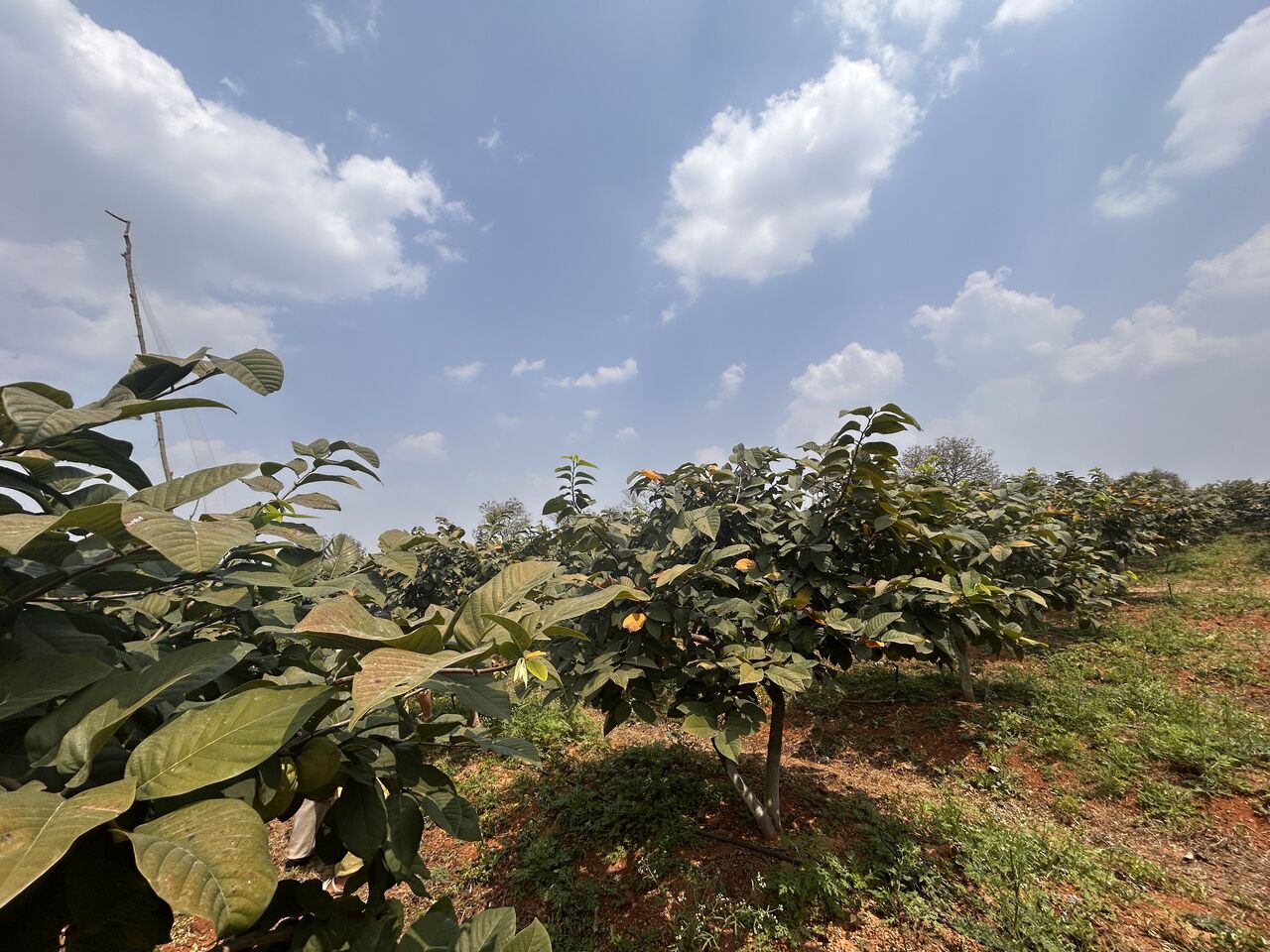
Today, my orchard is 5 acres. I harvest 15 to 20 tonnes every year. I sell to supermarkets directly. My last cheque was 1.2 million shillings. I am not special. Any farmer can do this. You just need the right seedlings, the right spacing, and the patience to let the trees grow.
Matomoko, or custard apple, is having a moment in 2026. Walk into Zucchini or Carrefour in Nairobi. A single fruit sells for 300 shillings. A kilogram of good matomoko goes for 200 to 250 shillings at retail. At the farm gate, traders pay 100 to 130 shillings per kilogram. The industry is worth over 3 billion shillings. And it is growing.
I have made the mistakes. I have learned the lessons. I will tell you what works, what does not, and how to hit that 1.2 million shillings per acre.
Custard apple farming in Kenya has transformed from a backyard activity into a serious commercial enterprise. Known locally as matomoko, this fruit now commands premium prices in Nairobi supermarkets and export markets. In 2026, a single fruit sells for up to 300 shillings at retail. At farm gate, traders pay 100 to 130 shillings per kilogram. The industry is valued at over 3 billion shillings and growing.
This guide by Farmers Trend Ltd. provides everything you need for commercial Custard apple farming in Kenya success. You will learn about variety selection, orchard establishment, pruning techniques, pest control, and marketing. The information comes from successful commercial growers and agricultural research stations across the country.

The 2026 Market for Custard Apple Farming in Kenya
The demand for custard apple has grown steadily over the past decade. Health-conscious consumers have discovered the fruit’s nutritional value. It is rich in vitamins, fiber, and antioxidants. People with diabetes prefer it because of its lower sugar content compared to mangoes. Fitness enthusiasts use it in smoothies. Hotels serve it in breakfast buffets.
The supply has not kept pace with demand. Most matomoko in Kenya comes from scattered trees in homesteads. Commercial orchards are few. This supply gap creates opportunity for farmers willing to invest in commercial production.
| Market Channel | Price Range (March 2026) | Requirements |
|---|---|---|
| Farm gate | 100-130 KSh/kg | Bulk sales to traders |
| Wakulima Market | 120-150 KSh/kg | Wholesale, consistent quality |
| Supermarkets | 150-200 KSh/kg | Packaged, uniform size |
| Export | 200-250 KSh/kg | Certification, cold chain |
Best Varieties for Custard Apple Farming in Kenya
Variety selection determines your market options and yield potential. Three main varieties dominate commercial production.
Balanagar is the king for yield. A mature tree produces 80 to 120 fruits per year. Fruits weigh 200 to 300 grams each. The flesh is creamy and sweet. Seeds are small. This variety is preferred by commercial farmers seeking volume. It performs well in most growing regions.
Washington wins on fruit size. Fruits weigh 500 to 700 grams each. They are impressive on supermarket shelves. The yield is lower, at 40 to 60 fruits per tree annually. This variety commands premium prices in high-end markets. Hotels and specialty stores prefer Washington for its size.
Hybrid varieties combine the yield of Balanagar with the size of Washington. They produce 60 to 100 fruits per tree annually. Fruits weigh 300 to 500 grams each. These varieties are newer and gaining popularity among commercial farmers.

| Variety | Yield per Tree | Fruit Size | Maturity | Best Use |
|---|---|---|---|---|
| Balanagar | 80-120 fruits | 200-300g | 2-3 years | Commercial volume |
| Washington | 40-60 fruits | 500-700g | 2-3 years | Premium markets |
| Hybrid | 60-100 fruits | 300-500g | 2-3 years | Balanced production |
Grafted vs. Seed-Grown Trees
Grafted trees fruit in 2 years. Seed-grown trees take 6 to 8 years to fruit, if they fruit at all. The fruit quality from seed-grown trees is unpredictable. Some produce small, seedy fruits. Others never produce.
The cost of grafted matomoko seedlings in 2026 ranges from 500 to 600 shillings. This investment pays back through faster production and consistent quality. Buy certified custard apple seedlings from reputable sources. Uncertified seedlings may not be true grafted trees.
Farmers Trend Ltd offers certified grafted seedlings. Contact them at 0790509684 to order.
Spacing and Plant Population
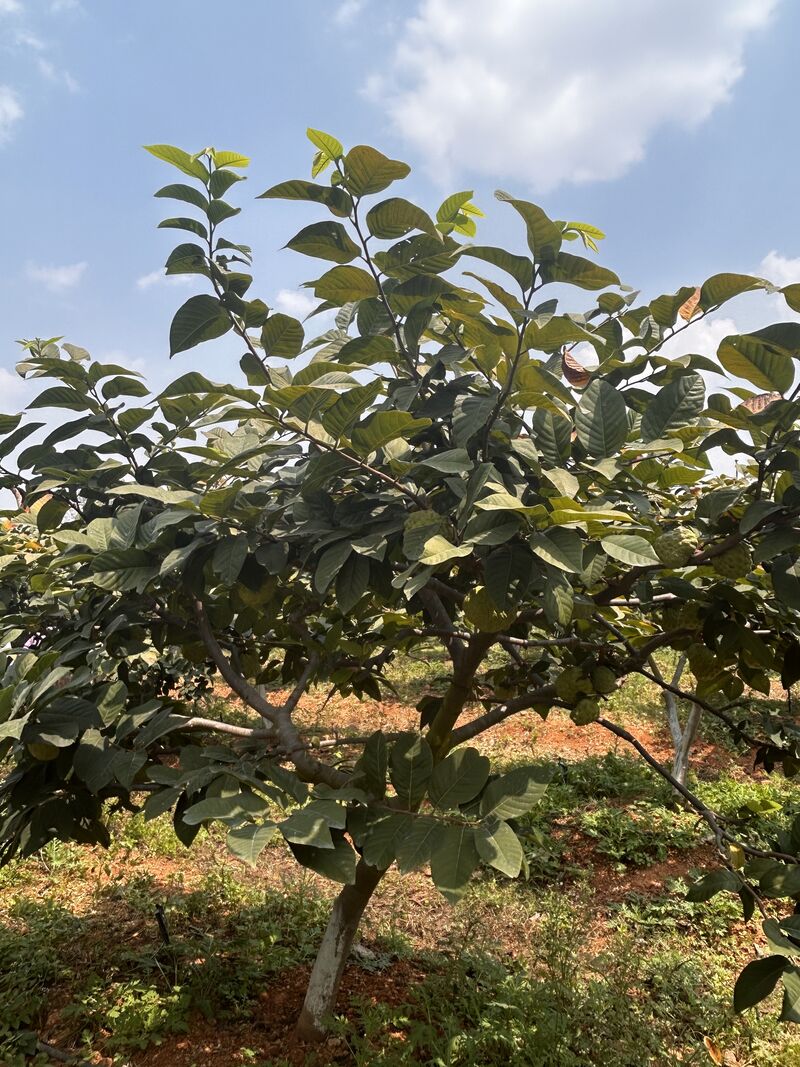
Spacing determines yield per acre. Traditional spacing of 5 meters by 5 meters gives 170 trees per acre. High-density spacing of 3 meters by 3 meters gives 450 trees per acre.
| Spacing | Trees per Acre | Yield per Tree | Total Yield | Notes |
|---|---|---|---|---|
| 5m x 5m | 170 | 25 kg | 4,250 kg | Traditional |
| 4m x 4m | 270 | 20 kg | 5,400 kg | Moderate |
| 3m x 3m | 450 | 15 kg | 6,750 kg | High-density |
High-density requires more intensive management. Trees need regular pruning to maintain an open canopy. Irrigation must be adequate to support the higher plant population. Fertilizer requirements are higher. But the yield per acre is significantly greater.
Land Preparation and Planting
Select a site with full sun exposure. Custard apple needs 6 to 8 hours of direct sunlight daily. The soil should be well-drained with pH between 6.0 and 7.5.
Plough to 20 to 25 centimeters depth. Remove all weeds and break clods. Incorporate well-decomposed manure at 10 to 15 tons per acre. For heavy clay soils, plant on raised beds to improve drainage.
Dig planting holes 60 centimeters wide and 60 centimeters deep. Mix topsoil with manure in a 3:1 ratio. Add 200 grams of DAP fertilizer per hole. Allow holes to settle for 2 to 3 weeks before planting.
Plant at the start of rains. March to April for the long rains. October for the flowering season is also suitable. With irrigation, you can plant year-round. Water immediately after planting and maintain consistent moisture through establishment.
Irrigation Requirements
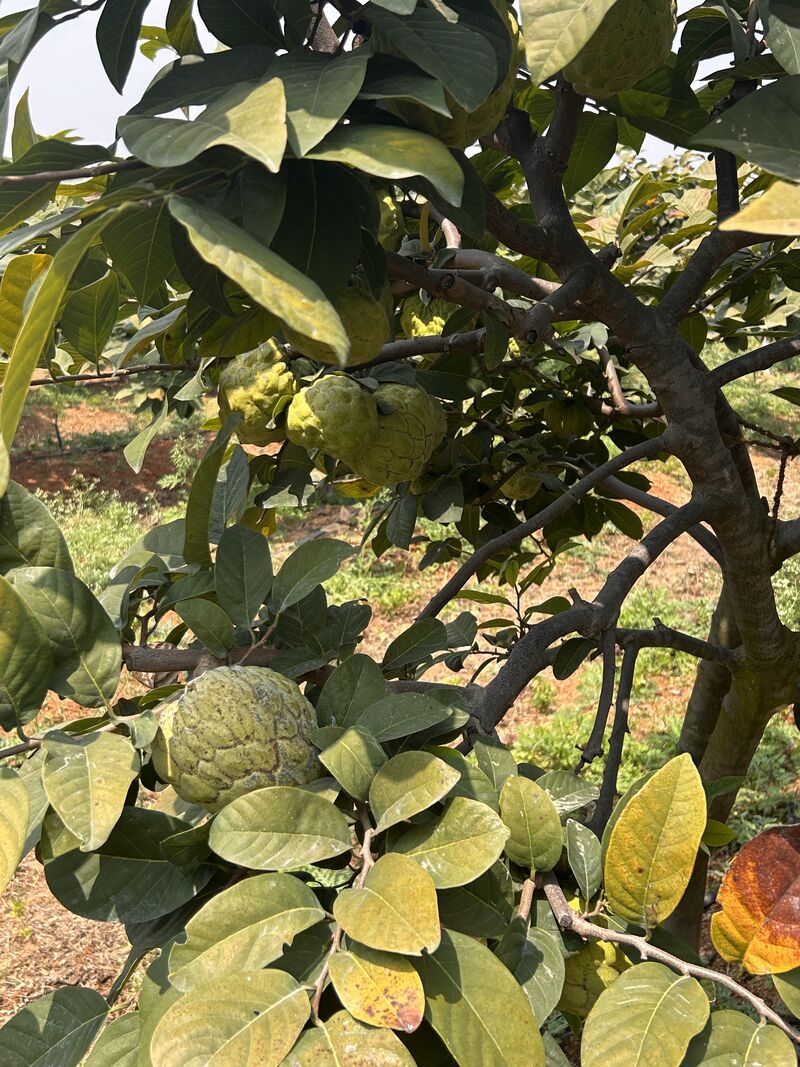
Consistent moisture is critical for custard apple farming in Kenya. The most critical period is October when the trees flower. Lack of water during flowering causes flowers to drop. This leads to zero harvest in May.
| Growth Stage | Water Requirement | Frequency |
|---|---|---|
| Establishment (year 1) | 20-30 liters per tree | Twice weekly |
| Flowering (October) | 30-40 liters per tree | Daily |
| Fruit development | 40-50 liters per tree | Every 2 days |
| Mature trees | 30-40 liters per tree | Twice weekly |
Drip irrigation is the most efficient method. It delivers water to the root zone while keeping foliage dry. Dry leaves reduce disease pressure. Install drip lines along each row with emitters spaced at 50 centimeters.
Mulch around trees to conserve moisture. Apply 10 to 15 centimeters of dry grass or other organic material. Keep mulch away from the trunk to prevent rot.
Pruning for High-Density Orchards
Pruning shapes the tree and directs growth. For high-density planting, the center-opening technique is essential. Remove the central leader to keep the tree from growing tall. Encourage lateral branches to spread wide.
| Year | Pruning Activity |
|---|---|
| Year 1 | Remove central leader, select 3-4 scaffold branches |
| Year 2 | Remove crossing branches, thin dense areas |
| Year 3 | Maintain open canopy, remove water sprouts |
| Year 4+ | Light pruning after harvest, remove dead wood |
Prune after harvest, typically in June or July. Use sharp, clean tools. Make cuts at 45-degree angles to promote healing. Remove dead, diseased, or crossing branches. Open the canopy to allow light penetration and air circulation.
Fertilizer Program
Custard apple responds well to balanced nutrition. Apply organic and inorganic fertilizers at key growth stages.
| Timing | Fertilizer | Rate per Tree | Application |
|---|---|---|---|
| Planting | DAP | 200 g | In planting hole |
| Early growth (3 months) | CAN | 100 g | Side dress |
| Before flowering (September) | NPK 15:15:15 | 500 g | Broadcast |
| After fruit set | NPK 15:15:15 | 500 g | Broadcast |
| Annual | Well-decomposed manure | 20 kg | Spread around drip line |
Foliar feeds help during flowering and fruit development. Apply every 2 to 3 weeks during active growth. Choose products with high potassium for fruit quality.
Pest and Disease Management
Fruit flies are the most destructive pest. They lay eggs inside developing fruits. Larvae feed on the flesh, causing rot. Infested fruits are worthless.
| Pest | Damage | Control |
|---|---|---|
| Fruit flies | Larvae inside fruit | Pheromone traps, protein bait sprays |
| Mealybugs | Suck sap, weaken trees | Neem oil, insecticidal soap |
| Scale insects | Suck sap, cause leaf drop | Horticultural oil, systemic insecticides |
| Powdery mildew | White powder on leaves | Sulfur-based fungicides |
Pheromone traps are highly effective for fruit fly control. Hang one trap for every 10 trees. Replace lures every 2 months. For severe infestations, use protein bait sprays mixed with insecticide.
Neem oil controls mealybugs and scale insects. Apply every 2 weeks during the rainy season. For powdery mildew, apply sulfur-based fungicides at first sign of infection.
Harvesting and Post-Harvest Handling
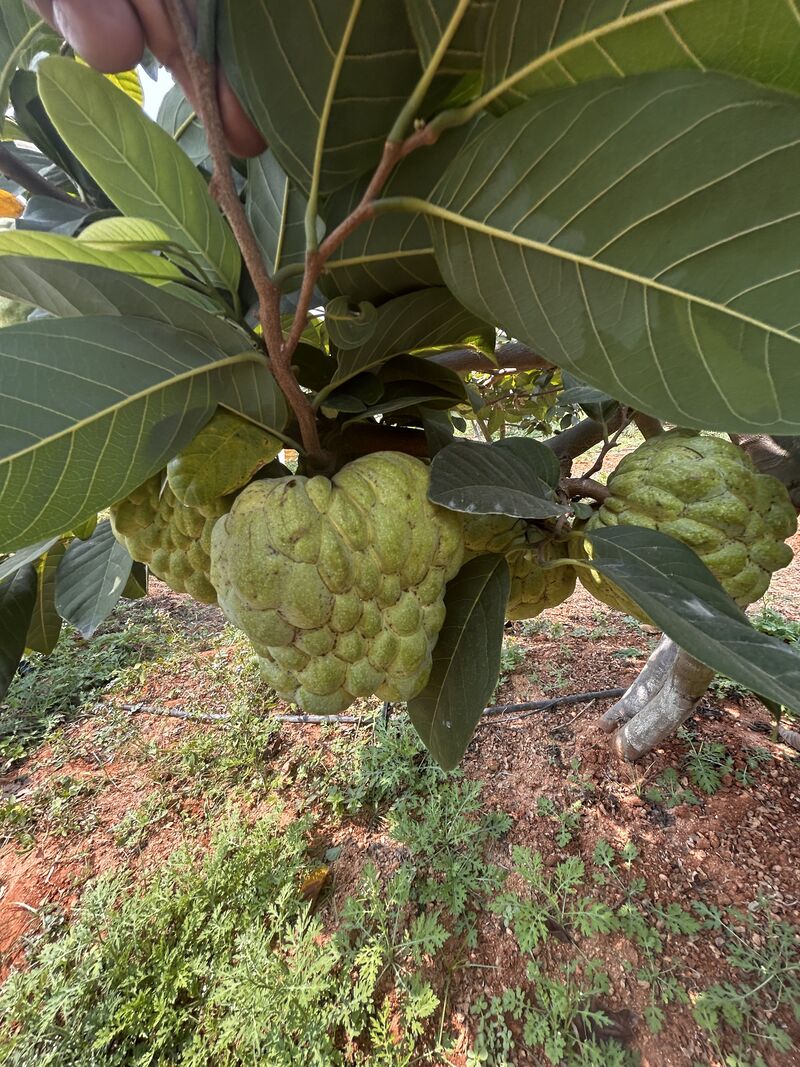
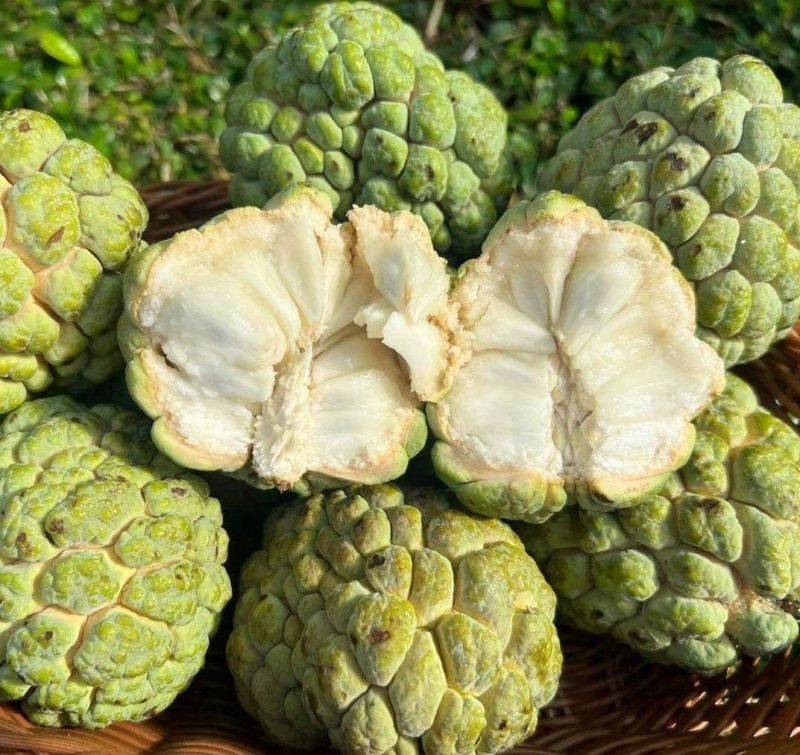
Harvest when fruits change color from green to yellow-green. The fruit should soften slightly when pressed. Do not wait until it becomes too soft. Overripe fruits bruise easily and do not transport well.
| Stage | Color | Firmness | Use |
|---|---|---|---|
| Immature | Dark green | Hard | Not ready |
| Mature | Yellow-green | Slightly soft | Harvest for local market |
| Ripe | Pale yellow | Soft | Eat fresh, short shelf life |
| Overripe | Brown spots | Very soft | Processing only |
Harvest in the morning when temperatures are cool. Use pruning shears to cut the stem, leaving 1 to 2 centimeters attached. Place fruits in single layers in ventilated crates. Do not stack more than 2 layers deep.
Sort fruits by size and quality. Grade out damaged or misshapen fruits. For supermarket markets, pack fruits in labeled boxes. For local markets, bulk packing is acceptable.
Financial Projections for Custard Apple Farming in Kenya
The cost of establishing one acre of custard apple is 400,000 to 450,000 shillings for high-density planting.
| Item | Quantity | Unit Price | Total |
|---|---|---|---|
| Grafted seedlings | 450 | 500 KSh | 225,000 KSh |
| Land preparation | 1 acre | 20,000 KSh | 20,000 KSh |
| Manure | 10 tons | 3,000 KSh | 30,000 KSh |
| Drip irrigation system | 1 acre | 80,000 KSh | 80,000 KSh |
| Labor | 50 days | 1,000 KSh | 50,000 KSh |
| Pheromone traps | 50 | 200 KSh | 10,000 KSh |
| Foliar fertilizer | 20 liters | 800 KSh | 16,000 KSh |
| Total | 431,000 KSh |
Annual maintenance after establishment costs 50,000 to 80,000 shillings for fertilizer, pest control, and labor.
| Year | Yield (kg) | Price/kg | Revenue | Costs | Net Profit |
|---|---|---|---|---|---|
| 1-2 | 0 | – | 0 | 431,000 | -431,000 |
| 3 | 1,500 | 100 | 150,000 | 80,000 | 70,000 |
| 4 | 3,000 | 110 | 330,000 | 80,000 | 250,000 |
| 5 | 6,000 | 120 | 720,000 | 80,000 | 640,000 |
| 6+ | 8,000-10,000 | 120-150 | 960,000-1,500,000 | 100,000 | 860,000-1,400,000 |
Marketing Your Harvest
Multiple market channels exist for custard apple farming in Kenya. Supermarkets like Zucchini and Carrefour pay premium prices. They require consistent quality and proper packaging. Approach their procurement departments with samples.
Wakulima Market in Nairobi offers high-volume sales. Prices are lower than supermarkets but payment is immediate. Build relationships with several traders for consistent sales.
Export markets are growing. Middle Eastern buyers seek quality custard apple. Export requires GlobalGAP certification and cold chain logistics. Work with exporters if you have volume.
Sourcing Quality Inputs
Farmers Trend Ltd offers an Orchard Setup Package that includes soil testing, 450 grafted seedlings, and transport. Contact them at 0790509684 to order. Virtual Agrovet provides pheromone traps, organic foliar fertilizers, and drip irrigation kits.
Next Step
Custard apple farming in Kenya requires patience and proper management. Grafted trees fruit in 2 years. Full production takes 5 years. High-density planting with 450 trees per acre yields 8,000 to 10,000 kilograms annually. Net profit reaches 1.2 million shillings per acre.
The 2026 planting windows are March to April for the long rains and October for the flowering season. Prepare your land now. Install drip irrigation. Order certified seedlings from Farmers Trend Ltd at 0790509684.
The farmers who started 5 years ago are now harvesting profits. You can be where they are. The time to start is now.
https://farmerstrend.co.ke/fruits/matomoko-custard-apple-farming/custard-apple-farming-in-kenya-2026-profit-guide/https://farmerstrend.co.ke/wp-content/uploads/2026/03/1734094887316.jpeghttps://farmerstrend.co.ke/wp-content/uploads/2026/03/1734094887316-150x150.jpegMatomoko (Custard apple) farming# TrendingBalanagar custard apple,Best regions for custard apple in Kenya,Custard apple market in Nairobi,Custard apple pruning techniques,Custard apple spacing per acre,Custard apple yield per acre,Farmers Trend custard apple seedlings,Fruit fly control custard apple,Grafted matomoko seedlings price 2026,High-density custard apple planting,Matomoko farming profit per acre,Virtual Agrovet matomoko,Washington custard appleCustard Apple (Matomoko) Farming in Kenya: The 2026 Blueprint for KSh 1.2 Million Annual Profits I remember my first matomoko tree. It was 2001. I had just given up on maize after a bad season. A friend in Machakos gave me a seedling. He said, 'This thing takes time, but...FarmersTrendjohn doefarmerstrend@gmail.comAdministratorFarmers Trend Ltd.

Leave a Reply