Prolapse in Layer Chickens: Causes, Treatment and Prevention Guide for Kenyan Farmers
Prolapse in layer chickens is a condition that strikes fear into the heart of every poultry farmer. You walk into your coop one morning and find a hen with red tissue hanging from her vent. Other birds are pecking at her. She looks weak and distressed. This condition, also called vent prolapse or blow-out, requires immediate action to save the bird and protect your flock.
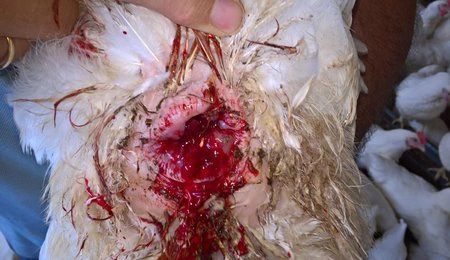
Prolapse happens when part of the hen’s oviduct or inner tissue pushes out through the vent after laying an egg. The tissue remains outside the body, exposed to pecking from other birds and risk of infection. Without quick treatment, the affected hen will die. Even with treatment, severe cases have poor survival chances.
Understanding prolapse is essential for every layer farmer in Kenya. This guide covers the causes, signs to watch for, immediate treatment steps, and proven prevention strategies. Use this information to protect your flock and maintain healthy egg production.
What Happens During a Prolapse
The vent is the opening through which hens pass eggs and droppings. When a hen lays an egg, the oviduct pushes the egg through the vent. Normally, the oviduct retracts back into place after the egg passes.
In a prolapse, the oviduct fails to retract. It remains outside the vent, exposed to air and bacteria. Other hens notice the red tissue and begin pecking at it. This cannibalism quickly worsens the condition. The exposed tissue swells, becomes infected, and eventually dies.
Prolapse most commonly occurs immediately after a hen lays an egg. The strain of passing a large egg pushes the oviduct out. Young hens just starting to lay are most vulnerable. Their bodies are still developing and their vents are tighter.
Causes of Prolapse in Layer Chickens
Several factors contribute to prolapse. Understanding these causes helps you prevent the condition before it starts.
Oversized Eggs
Large eggs stretch the vent excessively during laying. The oviduct struggles to retract after passing an egg bigger than the hen’s body is designed for. Young pullets laying their first eggs often produce smaller eggs, but some hens consistently lay large eggs that put them at risk.
Early Laying Before Body Maturity
Pullets forced to lay eggs before their bodies are fully developed face high prolapse risk. Their vents are smaller and tighter. Their pelvic bones have not widened enough for easy egg passage. When you push pullets into production too early through intense lighting or high-protein feeds, you invite prolapse problems.
Excess Protein and Energy in Feed
Feed formulated with too much protein or energy causes rapid body growth. Hens become heavier and deposit fat in their abdomens. This fat puts pressure on the oviduct and vent. Fat hens struggle to pass eggs and have higher prolapse rates.
Too Many Hours of Light
Lighting stimulates egg production. Hens need 14 to 16 hours of light daily for good laying rates. When you provide more than 16 hours, you over-stimulate the reproductive system. Hens lay more frequently than their bodies can handle. The constant strain leads to prolapse.
Calcium Deficiency
Calcium is essential for strong muscle contractions during laying. Calcium-deficient hens have weak oviduct muscles that struggle to push eggs out and retract afterward. Poor shell quality from low calcium also causes rough eggs that irritate the vent during passage.
Obesity in Layer Hens
Overweight birds carry excess fat in their abdomens. This fat narrows the pelvic canal and puts pressure on the reproductive tract. Obese hens strain more during laying and have higher prolapse rates. Monitor body condition and adjust feed to prevent obesity.
Straining Due to Constipation or Infection
Hens suffering from constipation strain excessively during droppings. This straining can push the oviduct out. Intestinal infections that cause diarrhea also lead to straining. Treat digestive issues promptly to prevent secondary prolapse.
Signs of Prolapse to Watch For
Early detection saves lives. Train yourself and your workers to spot these signs during daily flock checks.
Visible Tissue at the Vent
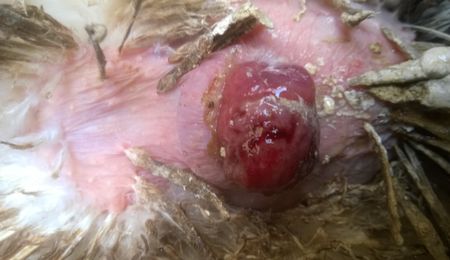
The most obvious sign is red or pink tissue hanging from the vent. The tissue may be small at first, just a slight protrusion. In advanced cases, a large mass of tissue extends several centimeters.
Bleeding Around the Anus
Blood spots near the vent indicate tissue damage. The blood comes from torn blood vessels in the protruding tissue. Bleeding attracts other hens and triggers pecking behavior.
Other Birds Pecking the Affected Hen
Hens are attracted to red tissue. When one hen develops a prolapse, others notice and begin pecking. If you see a group of hens focused on one bird, investigate immediately. They are likely pecking at a prolapse.
Weakness and Reduced Activity
The affected hen becomes lethargic. She separates from the flock and stands quietly. Egg production stops. Without treatment, she becomes weaker and eventually dies.
Reduced Egg Production in the Flock
Multiple prolapse cases indicate a flock-wide problem. Check your production records. A sudden drop may mean several hens are affected.
Immediate Treatment Steps
When you discover a hen with prolapse, act quickly. Every hour reduces survival chances.
Step 1: Isolate the Bird Immediately
Remove the affected hen from the flock right away. Place her in a separate cage or coop where other birds cannot reach her. Isolation stops pecking and gives the tissue chance to heal. The longer other birds peck, the worse the damage becomes.
Step 2: Clean the Protruding Tissue
Prepare clean warm water mixed with mild antiseptic. Use iodine solution or salt water if you have no antiseptic. Gently wash the protruding tissue to remove dirt, droppings, and dried blood. Be careful not to scrub or cause more damage. Use soft cotton or cloth.
Step 3: Apply Lubricant
After cleaning, apply lubricant to the tissue. Petroleum jelly works well. Coconut oil is effective and often available. Antibiotic ointment provides lubrication plus infection protection. The lubricant helps the tissue slide back inside without tearing.
Step 4: Push the Tissue Back Inside
With clean hands or gloves, slowly push the tissue back through the vent. Work gently and patiently. Do not force it if badly swollen. Sometimes the tissue needs time to reduce swelling before it will go back. Apply cold compresses first to shrink swollen tissue.
Push in small increments, allowing the tissue to retract gradually. Continue until everything is back inside. The vent should close normally after you finish.
Step 5: Reduce Lighting
Keep the isolated hen in dim light for several days. Darkness stops egg laying. Giving the reproductive system a rest allows healing. Without eggs passing through, the vent and oviduct recover fully.
Step 6: Provide Vitamins and Calcium
Add vitamin supplements to the hen’s water. Vitamins A, D3, and E support tissue health and healing. Provide extra calcium through soluble supplements or crushed oyster shell. Strong muscles need calcium to function properly.
Step 7: Use Anti-Peck Spray Before Returning
Before returning the healed hen to the flock, apply anti-peck spray to her vent area. Blue spray or purple wound spray masks the red color that attracts pecking. Other hens will leave her alone when they do not see red tissue.
When Treatment Fails
Not all prolapse cases respond to treatment. Know when to stop trying.
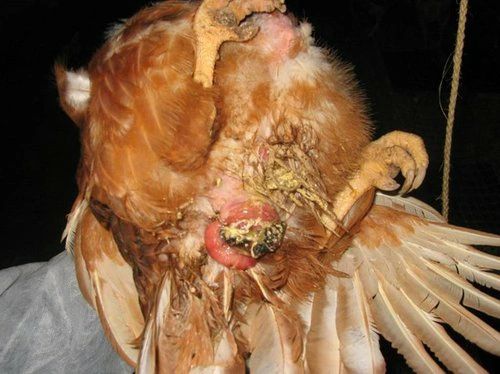
If the prolapsed tissue is large and dark colored, survival chances are low. Dark tissue indicates death of the exposed flesh. Blood cannot circulate through twisted tissue. Dead tissue cannot recover.
If the tissue has been outside for many hours before discovery, infection has likely set in. Bacteria multiply rapidly in exposed tissue. Sepsis spreads through the hen’s body.
In severe cases, humane culling is the kindest option. The hen suffers greatly with a large prolapse. Culling prevents prolonged suffering and protects other hens from cannibalism. A sharp, quick cut ends suffering instantly.
Prevention Tips for Your Poultry Farm
Preventing prolapse is far better than treating it. These strategies protect your entire flock.
Allow Pullets to Reach Full Maturity
Do not rush young hens into laying. Allow them to mature naturally. Most breeds are ready to lay around 18 to 20 weeks of age. Some farmers push for earlier production with intense lighting, but this increases prolapse risk. Patience pays off with healthier hens.
Feed Balanced Layer Ration
Use formulated layer feed designed for hens at each stage. Starter feeds for chicks, grower feeds for pullets, and layer feeds for production hens. Avoid excess protein and energy in layer feeds. Too much makes hens fat and increases prolapse.
Control Lighting Hours Carefully
Provide 14 to 16 hours of light daily for laying hens. Use timers to maintain consistent day length. Never exceed 16 hours. Extra light over-stimulates laying and exhausts the reproductive system.
Provide Adequate Calcium
Offer oyster shell or limestone in separate feeders. Hens consume calcium based on their needs. This is better than mixing calcium into feed where all hens get the same amount. Laying hens need extra calcium for strong shells and muscle function.
Prevent Obesity in Your Flock
Monitor body condition regularly. Hens should feel firm but not fat. You should feel the keel bone easily but it should not be sharp. Reduce feed quantities if hens become overweight. Provide space for exercise.
Treat Infections Early
Respiratory infections, digestive upsets, and reproductive tract infections all cause straining. Treat sick hens promptly with appropriate medication. Straining from illness triggers prolapse in vulnerable hens.
Provide Adequate Nest Boxes
Crowded nest boxes stress laying hens. Provide one nest box for every four to five hens. Clean boxes encourage proper laying behavior. Hens waiting to lay become agitated and strain more.
Maintain Good Flock Health
Healthy hens resist prolapse better than stressed or sick birds. Follow vaccination schedules. Provide clean water. Keep housing dry and well-ventilated. Reduce stress factors throughout the flock.

Long-Term Flock Management
Keep records of prolapse cases. If certain hens prolapse repeatedly, cull them from the breeding flock. Prolapse has genetic components. Hens that prolapse may pass this tendency to their offspring.
Monitor your flock’s age profile. Older hens have higher prolapse rates. Plan for regular flock replacement. Keep records of when each group started laying and how they perform.
Review your management practices after any prolapse case. Ask yourself what caused the problem. Was feed too rich? Were lights on too long? Were pullets too young? Use each case as a learning opportunity to improve your farm.
Conclusion
Prolapse in layer chickens is a serious condition that requires immediate action. The red tissue hanging from a hen’s vent signals trouble. Without quick treatment, the hen will die from pecking and infection.
Prevention is your best strategy. Allow pullets to mature fully before they start laying. Feed balanced rations without excess protein and energy. Control lighting to 14 to 16 hours daily. Provide adequate calcium through supplements. Keep hens at healthy weights without obesity.
When prolapse occurs, act fast. Isolate the hen immediately. Clean the tissue gently with antiseptic solution. Apply lubricant and push tissue back inside. Reduce lighting to stop egg laying. Provide vitamins and calcium for healing. Use anti-peck spray before returning the hen to the flock.
Severe cases with large, dark tissue have poor survival chances. Humane culling prevents suffering and protects other hens from cannibalism.
Your poultry farm thrives when you prevent problems before they start. Healthy hens lay better and live longer. Use this guide by Farmers Trend to protect your flock from prolapse and maintain strong egg production throughout the year.
https://farmerstrend.co.ke/trending/prolapse-in-layer-chickens-2/https://farmerstrend.co.ke/wp-content/uploads/2026/03/Prolapse-in-layer-chickens-treament.jpghttps://farmerstrend.co.ke/wp-content/uploads/2026/03/Prolapse-in-layer-chickens-treament-150x150.jpg# TrendingDiseasesIn PoultryProlapse in layer chickens is a condition that strikes fear into the heart of every poultry farmer. You walk into your coop one morning and find a hen with red tissue hanging from her vent. Other birds are pecking at her. She looks weak and distressed. This condition, also...FarmersTrendjohn doe[email protected]AdministratorFarmers Trend Ltd.









Leave a Reply