Grapes Farming in Kenya: A Profitable 2026 Guide for Success
Grapes Farming in Kenya: A Profitable 2026 Guide for Success
Last year I stood in a vineyard in Makueni and watched a farmer pick grapes that would sell for KSh 800 per kilo in Nairobi. He started four years ago with no farming background. Today his grapes pay school fees for three children and support his extended family. That is the reality of grapes farming in Kenya right now.
The window is still open. Kenya imports millions of shillings worth of grapes every year. Supermarkets constantly search for local suppliers. Hotels want fresh fruit from Kenyan farms. The demand is there. What matters is whether you can produce quality fruit consistently.
Here is what you need to know for 2026.

Is Grapes Farming in Kenya Profitable for Beginners?
Walk into any supermarket in Nairobi and check the price of grapes. You will see figures between KSh 500 and KSh 900 per kilo. Now think about what you pay for a kilo of maize flour. The difference tells you everything about profitability.
A well-run acre gives you between 12 and 20 tons of grapes per year once the vines mature. At KSh 500 per kilo on the low end, that is KSh 6 million gross from an acre. Your costs eat into that, but even after expenses, successful farmers walk away with KSh 1.8 million to over KSh 6 million annually.
Beginners often worry about the wait. Yes, you wait 18 to 24 months for your first real harvest. But here is what experienced farmers will tell you. That waiting period lets you learn the vines. You make mistakes on small things before the plants are loaded with fruit. By year three, you know what you are doing.
The other advantage for beginners is scale. You do not need fifty acres. Start with a quarter acre. Plant 150 vines. Master pruning, irrigation, and disease control on a small plot. Expand when you have confidence. Many successful commercial growers started exactly this way.
Paul from Thika started with 200 vines in 2020. He sold his first harvest for KSh 180,000. Today he farms two acres and supplies two supermarkets in Nairobi. He tells new farmers the same thing consistently. Start small but start right.
Which Regions in Kenya Are Best Suited for Grapes Farming in Kenya?
Grapes dislike humidity and wet roots. They love sun and warm days followed by cool nights. That combination builds sugar and gives grapes their color and flavor.
Naivasha sits near the top of the list for good reason. The lake provides water for irrigation, and the cool nights off the water create perfect ripening conditions. Farmers near Naivasha often harvest twice per year. Double the harvest, double the income.
Makueni county has transformed over the past decade. Drive through Kibwezi and you will see vineyards where maize once failed. The hot, dry climate keeps fungal diseases away. Farmers spend less on chemicals and more time managing their vines. The grapes from this region have intense sweetness because of the consistent sun.
Meru and Embu offer volcanic soils that vines love. These soils drain well while holding enough moisture between rains. Farmers in these areas integrate grapes with other crops during the establishment phase. Young vines do not mind sharing space with vegetables for the first year.
Laikipia produces grapes with exceptional color. The high altitude and intense sunlight develop deep reds in varieties like Crimson Seedless. Some farmers there sell directly to tourists visiting the region.
Coastal farmers face more disease pressure because of humidity. But those who succeed in Kilifi and nearby areas enjoy proximity to Mombasa hotels and the tourist market. If you farm near the coast, plan for more aggressive disease management and choose varieties with better resistance.
Before you plant anything, watch your land through a full year. Note where water collects during rains. Check how the sun moves across your field. Talk to neighbors who grow fruit. Their experience with local conditions matters more than any guidebook.
What Are the Best Grape Varieties for Grapes Farming in Kenya in 2026?
Variety selection determines your market. Choose wrong and you fight an uphill battle forever. Choose right and buyers come to you.
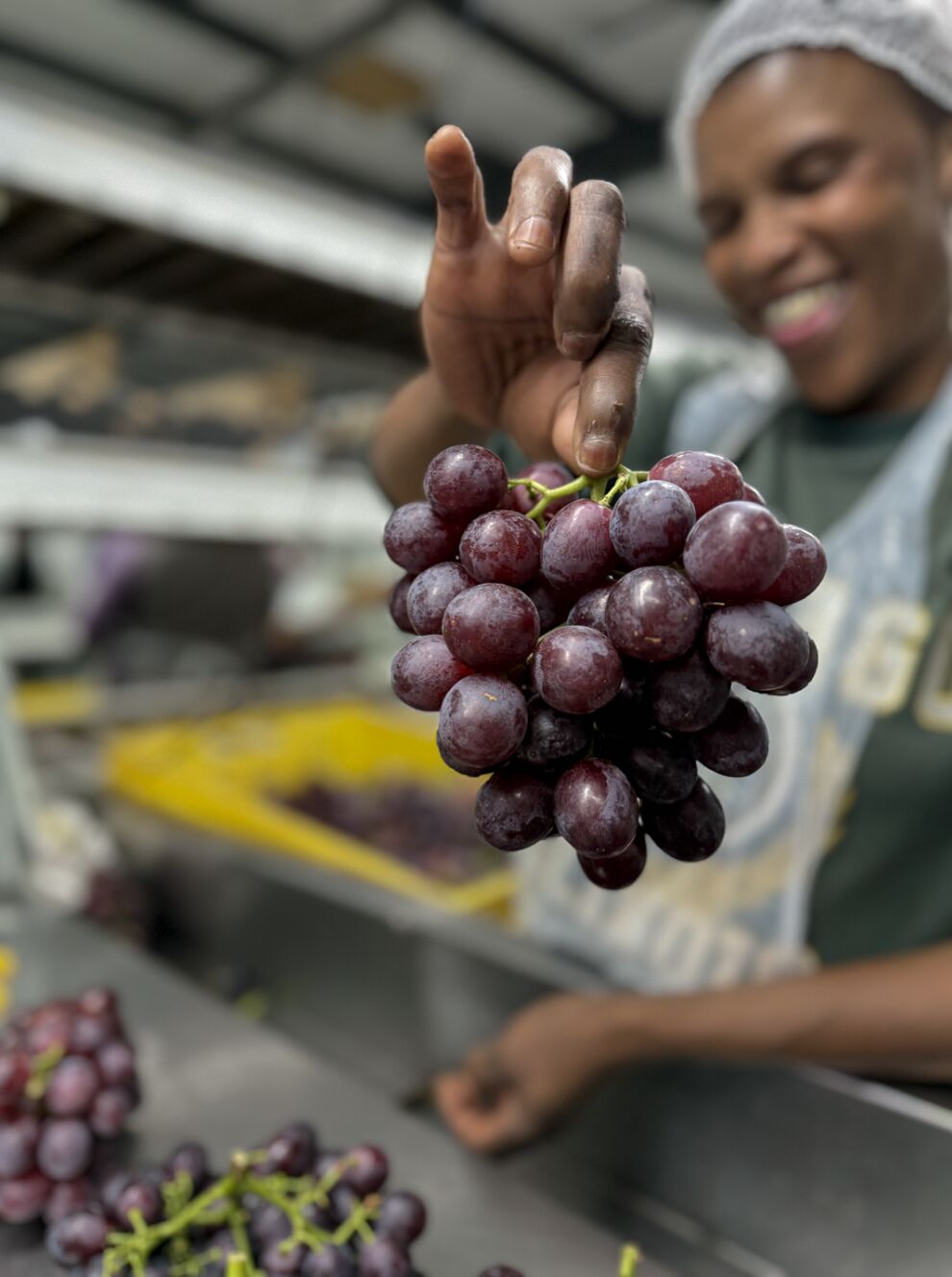
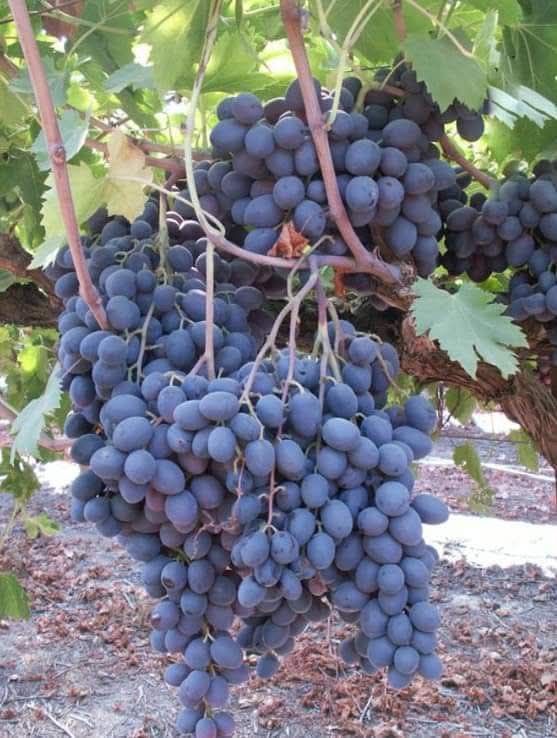
Crimson Seedless remains the king of table grapes in Kenya. Supermarkets love it because it ships well and stays fresh for weeks. Consumers love it because it crunches when bitten and tastes sweet without being overwhelming. A well-grown Crimson fetches KSh 500 to KSh 900 per kg consistently. Yield runs 15 to 20 tons per acre. This variety should be in every commercial vineyard.
Red Globe sells itself on size alone. These grapes are large, red, and beautiful. They have seeds, which some consumers mind and others ignore. But walk into Wakulima market with boxes of Red Globe and watch buyers compete. The size grabs attention. Prices run KSh 400 to KSh 700 per kg with yields of 12 to 18 tons.
Thompson Seedless gives you versatility. Sell it fresh, dry it into raisins, or process it into juice. This green grape is what most Kenyans picture when they think of grapes. Yields are high at 18 to 25 tons per acre. Prices run KSh 350 to KSh 600 per kg. The vines grow vigorously and establish quickly.
Victoria matures early. When other farmers still wait for their crop to color, you are already selling. Early market advantage means better prices. Victoria goes for KSh 300 to KSh 500 per kg and finishes in 90 to 105 days from flowering.
Black varieties like Regina and Autumn Royal deserve attention. The market for black grapes is less crowded. Customers who want them search specifically for them. Prices often match or exceed red varieties. Consider planting a block of black grapes to diversify your offering.
For wine growers, Cabernet Sauvignon and Merlot perform well in Kenyan highlands. Chenin Blanc handles warmer conditions and produces consistently. Wine grapes sell for less per kilo, but wineries take everything you grow without grading.
Talk to successful growers in your area before ordering seedlings. See what works for them. Visit their farms during harvest. Taste the fruit. Your own preferences matter less than what the market will pay for.
How Much Does It Cost to Start One-Acre Grapes Farming in Kenya?
Let me give you real numbers from farmers who planted in 2024 and 2025. These are actual costs, not theoretical estimates.
Land preparation runs KSh 30,000 to KSh 50,000. This assumes your land is reasonably clear already. If you are clearing thick bush, add more.
Seedlings cost KSh 250 to KSh 400 each. For an acre with 550 vines, budget KSh 137,500 to KSh 220,000. Pay more for certified seedlings from reputable sources. Cheap seedlings produce cheap results or die altogether.
The trellis system eats the biggest chunk of your budget. You need posts, wires, and labor to install everything properly. Farmers spending KSh 180,000 to KSh 250,000 on trellis materials report the best results. Cut corners here and your vines collapse under fruit load.
Drip irrigation runs KSh 80,000 to KSh 150,000 depending on your water source. If you already have water close to the field, costs stay lower. If you need to run long lines or pump from depth, costs climb.
Manure and initial fertilizers add KSh 30,000 to KSh 50,000. Young vines need good nutrition to build strong root systems. Do not skimp on establishment feeding.
First year labor runs KSh 60,000 to KSh 100,000. You need people for planting, weeding, pruning, and general care. Some farmers do this work themselves to save money. Calculate the value of your time honestly before deciding.
Total startup lands between KSh 500,000 and KSh 900,000 for a bare acre. If you already have a water tank or fencing, subtract those costs.
Here is what experienced growers emphasize. Have money left after planting. Vines need care for 18 months before they return anything. Running out of operating capital halfway through kills more vineyards than any disease.
How Long Do Grapes Take to Mature in Grapes Farming in Kenya?
Plant in March or April during the long rains. By December of that first year, your vines will have grown up the trellis and filled out. You might see a few flower clusters. Remove them. Letting the vine fruit in year one stunts its development permanently.
Year two brings the first real crop. Flowering happens around August or September. By December or January, you harvest. The fruit quality improves with each passing year as the vine matures.
Once established, each crop cycle runs 90 to 125 days from flowering to harvest. Hot weather speeds ripening. Cool weather slows it down. You learn to read the grapes rather than the calendar.
Some farmers achieve two harvests per year. This requires precise pruning and irrigation management. You push the vine to flower again immediately after harvest. Not all varieties respond to this treatment. Crimson Seedless handles double cropping better than most.
Your vines will produce for 20 to 30 years with proper care. The initial investment spreads over decades. Each year you learn more about your specific plants and their needs.
What Is the Ideal Spacing for Grapes Farming in Kenya?
Most commercial vineyards in Kenya use 3 meters between rows and 2 meters between vines. This gives you 550 to 800 vines per acre.
The wide rows serve a purpose beyond plant spacing. You need room to move sprayers, wheelbarrows, and harvest bins. You need air to circulate and dry leaves after rain. Narrow rows create humidity and disease problems.
Within the row, 2 meters gives each vine enough soil volume to support itself. Roots spread wide and deep. Vines do not compete with neighbors for water and nutrients.
For vigorous varieties like Thompson Seedless on fertile soil, consider 3.5 meters between rows and 2.5 meters between vines. You end up with fewer plants, about 400 to 450 per acre, but each plant reaches full potential.
Row orientation matters. Run rows north-south if possible. This gives both sides of the canopy equal sun exposure through the day. East-west rows shade one side and reduce quality.
Mark your field carefully before planting. Straight rows look professional and make all subsequent work easier. Dig holes 60 centimeters wide and 60 centimeters deep. Mix manure and phosphate fertilizer with the soil before refilling.
How Do You Manage Common Grape Diseases Like Powdery Mildew in Grapes Farming in Kenya?

Powdery mildew is the disease that haunts grape farmers. It appears as white powder on leaves, stems, and fruit. Left unchecked, it ruins entire crops.
The fungus thrives in conditions Kenyan farmers know well. Warm days, cool nights, and moderate humidity create perfect conditions. You cannot eliminate the spores. They exist everywhere. You manage the environment to make infection difficult.
Start with site selection. Good air movement through the vineyard dries leaves quickly. Wide row spacing helps. Pruning to open the canopy helps more. Sunlight penetrating to the fruit clusters keeps them dry and healthy.
Scout twice weekly during growing seasons. Look under leaves. Check developing fruit clusters. Early detection means you treat small problems before they become large ones.
Sulfur based fungicides work well for powdery mildew. Apply preventatively when conditions favor disease. During rainy seasons, spray every 7 to 14 days. Rotate between different fungicide classes to prevent resistance.
Downy mildew requires copper based products. This disease appears as yellow spots on leaves with white fuzz underneath. It spreads rapidly during wet weather. If you see it, act immediately.
Organic options include neem oil and milk sprays. These work as preventatives but lack the punch of synthetic chemicals for active infections. Many farmers use organic products early in the season and switch only when necessary.
Sanitation matters more than most beginners realize. Remove infected leaves and clusters. Destroy pruning debris. Keep weeds down. Each infected plant part left in the vineyard becomes a source of spores for next season.
Do Grapes Require a Lot of Water or Specific Irrigation for Grapes Farming in Kenya?
Grapes tolerate drought better than most fruit crops. But tolerance does not mean preference. For quality fruit, you need consistent moisture through the growing season.
Drip irrigation delivers water directly to roots without wetting leaves. Wet leaves invite disease. Dry leaves stay healthy. This makes drip the obvious choice for commercial growers.
A mature vine needs 20 to 40 liters per week during active growth. Sandy soils require more frequent but shorter irrigation sessions. Clay soils hold moisture longer and need less frequent watering.
The critical period runs from flowering through veraison, when grapes change color. Water stress during flowering reduces fruit set. Stress during berry development shrinks final fruit size. After harvest, you can reduce irrigation significantly.
Overwatering causes problems. Waterlogged soils suffocate roots and encourage rot diseases. They also push excessive vegetative growth at the expense of fruit. Your vines should show moderate growth, not rampant soft shoots.
Mulching around vines conserves moisture and suppresses weeds. Use straw, grass clippings, or compost. Keep mulch away from the trunk to prevent collar rot.
Young vines need more frequent irrigation while roots establish. Water every 3 to 5 days for the first two months. Gradually reduce frequency as roots grow deeper.

Where Can Farmers Buy Certified Grape Seedlings for Grapes Farming in Kenya?
Farmers Trend Nursery is your trusted source for certified grape seedlings in Kenya. We maintain mother blocks of all recommended varieties including Crimson Seedless, Red Globe, Thompson Seedless, Victoria, and black varieties like Regina and Autumn Royal. Our seedlings are true to type, disease free, and hardened for Kenyan conditions.
Visit our nursery in person to select your plants and speak with our agronomists. We help you choose varieties suited to your specific region and market goals.
For farmers outside Nairobi, order online through Virtual Agrovet. The platform delivers certified seedlings directly to your farm anywhere in Kenya. You get healthy plants with complete documentation and growing guides.
Order at least three months before your planned planting date. Popular varieties sell out quickly during peak seasons. Place your order early to secure the seedlings you need.
Where Is the Best Market to Sell Grape Harvests in 2026?
Supermarkets pay the highest prices but demand consistency. Quickmart, Carrefour, Naivas, and Chandarana need suppliers who deliver every week without fail. They require specific packaging and grade standards. If you can meet these requirements, you earn KSh 500 to KSh 900 per kg.
Export markets pay even more but demand certification. GlobalGAP compliance and residue testing add costs and complexity. Companies exporting to Europe and the Middle East seek large volumes of specific varieties with perfect appearance.
Open air markets move volume quickly. Wakulima in Nairobi, Kongowea in Mombasa, and major markets in Kisumu, Nakuru, and Eldoret have dedicated fruit sections. Brokers buy your entire harvest at KSh 350 to KSh 600 per kg. You get cash immediately and sell in bulk.
Direct sales through social media grow every year. Create a Facebook or Instagram page for your farm. Post photos of your grapes. Take orders and deliver to customers in your area. You get retail prices while customers enjoy farm fresh fruit straight from source.
Wine processors provide stable outlet for lower grade fruit. Leleshwa Wines in Naivasha and other processors pay KSh 80 to KSh 150 per kg. Prices are lower but they take everything you produce without strict grading.
Build relationships with buyers before your first harvest. Visit supermarkets and meet produce managers. Deliver samples when your grapes are ready. Consistent quality keeps buyers returning season after season.
Key Takeaways for Grapes Farming in Kenya Success
Start small. Master the basics on a quarter acre before expanding to larger plantings. Choose varieties matched to your region and target market. Crimson Seedless remains the safest choice for commercial production.
Invest in quality infrastructure. Strong trellises and reliable drip irrigation pay for themselves many times over. Buy certified seedlings from trusted sources like Farmers Trend Nursery.
Learn disease management. Powdery mildew will find your vineyard. Be ready with prevention strategies and treatment options.
Build markets before harvest. Talk to buyers early. Understand their requirements. Deliver consistent quality and they will return year after year.
Grapes farming in Kenya offers genuine opportunity for farmers willing to learn and work consistently. The demand exists. The climate suits the crop. Your success depends on execution, not luck.
https://farmerstrend.co.ke/fruits/grapes-farming-in-kenya-profitable-guide-2026/https://farmerstrend.co.ke/wp-content/uploads/2026/03/grapes-farming-in-kenya-719x1024.jpghttps://farmerstrend.co.ke/wp-content/uploads/2026/03/grapes-farming-in-kenya-150x150.jpgFruits# TrendingGrapes farmingGrapes Farming in Kenya: A Profitable 2026 Guide for Success Last year I stood in a vineyard in Makueni and watched a farmer pick grapes that would sell for KSh 800 per kilo in Nairobi. He started four years ago with no farming background. Today his grapes pay school fees...FarmersTrendjohn doefarmerstrend@gmail.comAdministratorFarmers Trend Ltd.


Leave a Reply