Why Farming Alone Will Keep You Poor – And How Agribusiness Builds Wealth
In Kenya, agriculture and agribusiness are often used as if they mean the same thing. But they don’t. Understanding the difference could change how you farm, how you sell, and how much wealth you build from your effort.

Many farmers believe that selling produce after harvest makes them agribusiness owners. That is not true. Selling your own crops or livestock is part of agriculture. Agribusiness is something bigger. One keeps you tied to the soil and busy with production. The other builds systems that multiply profit, open export markets, and put you at the negotiating table with investors and buyers.
Agriculture: The Act of Production
Agriculture is the foundation. It is about planting crops, rearing livestock, harvesting, and selling raw produce. It is the sweat and hard work on the ground. Without agriculture, there is no food and there is no value chain.
A maize farmer in Uasin Gishu tills his land, plants, weeds, harvests, and sells maize in bags. A dairy farmer in Nyeri wakes up at 4 a.m. to milk his cows and sells raw milk to neighbors. A mango farmer in Machakos harvests baskets of fruit and takes them to the roadside.
That is agriculture. It is noble. It feeds families. It creates jobs. But too often, it leaves farmers stuck in the same cycle. They work hard but remain at the mercy of weather, pests, fluctuating prices, and middlemen.
Agribusiness: The Act of Multiplying Profit
Agribusiness takes farming a step further. It is about adding value, creating systems, and multiplying profit. Agribusiness means packaging, processing, branding, exporting, distributing, and even consulting.
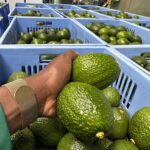
The difference is easy to see. Farmers sell raw milk in jerrycans. Agribusiness owners pasteurize, package in bottles, and supply supermarkets at five times the price. Farmers sell avocados at the farm gate. Agribusiness owners grade, package, brand, and export them to Europe, earning in dollars. Farmers sell maize in bags. Agribusiness owners mill, brand, and sell flour with barcodes in every retail shop.
Agriculture is about production. Agribusiness is about building a business system around production. One gives you seasonal cash flow. The other gives you wealth and financial stability.
Farmers Complain, Agribusiness Owners Take Charge
Across Kenya, farmers complain about middlemen who dictate prices. Agribusiness owners become the middlemen. Farmers wait for traders to show up at the farm. Agribusiness owners set up collection centers and negotiate supply contracts with supermarkets or exporters.
A farmer sells what he produces. An agribusiness owner sometimes sells what he did not sow. For example, a trader who buys tomatoes from farmers in Kirinyaga, sorts them, packages them in crates, and distributes them to Nairobi hotels is running an agribusiness, even if he never grew a single tomato.
This is why many hardworking farmers remain poor. They stop at production. Someone else takes their produce, adds value, and walks away with most of the profit.
Why the Shift Matters in Kenya
Kenya has millions of smallholder farmers. They are the backbone of the economy. But most of them are stuck on the soil side of the story. They sell raw produce, and that keeps their incomes low.
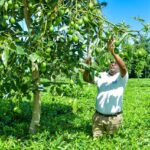
Take avocados. Kenya is now one of the largest avocado exporters in Africa. Yet many farmers sell their avocados in sacks to brokers for as little as 10 shillings each. Exporters, on the other hand, grade, package, and sell those same avocados in Europe or China at up to 150 shillings apiece. The farmer bends his back. The exporter builds wealth.
Or consider milk. A smallholder in Nyandarua sells raw milk at 40 shillings per liter. But companies like Brookside or New KCC pasteurize, process, and package the same milk. By the time it reaches a supermarket shelf in Nairobi, the price is 120 shillings per liter. The processor earns three times more from the same milk.
In mango farming, the story is the same. Farmers in Makueni struggle to sell ripe mangoes that rot fast. Meanwhile, processors like Del Monte dry mango slices, package them, and export to Europe, where they sell at premium prices.
This is why agribusiness matters. If you remain at production, you work harder for less. If you move into value addition, packaging, branding, and distribution, you capture more of the value chain.
Real Kenyan Examples of the Shift
Some farmers have already made this shift and show what is possible.
In Murang’a, some avocado cooperatives have pooled resources to invest in packhouses. Instead of selling raw fruit to brokers, they now wash, grade, and package Hass avocados for export. Members of these cooperatives are earning much more because they are part of agribusiness, not just agriculture.
In Nyeri, dairy cooperatives have set up small processing plants. Farmers who used to sell raw milk now produce yogurt, cheese, and pasteurized milk under their own brands. By moving into agribusiness, they have tripled their earnings and created jobs for their communities.
In Thika, pineapple farmers have linked with processors who make juice and canned products. This has opened international markets, something that would never be possible with raw fruit alone.
These examples show that the real money in farming is not only in the soil but in the system around the soil.
The Way Forward
The shift from agriculture to agribusiness is not automatic. It requires knowledge, investment, and organization. Farmers need training in business management, branding, quality control, and export standards. Cooperatives and partnerships make it easier to invest in processing and packaging. Government and private sector programs can also help.
But most importantly, the mindset has to change. Farmers must stop seeing themselves only as producers. They must start thinking like business owners. When you see your farm as a business, you stop complaining about middlemen and start asking how to become one.
The Takeaway
Agriculture feeds the world. Agribusiness builds wealth. Agriculture keeps you busy. Agribusiness frees your time and multiplies your profit. Agriculture is planting, rearing, harvesting, and selling raw produce. Agribusiness is packaging, processing, branding, exporting, and distributing.
If you stop at agriculture, someone else will always earn more from your sweat. If you step into agribusiness, you control your own financial story.
So, are you only farming, or are you building a business around your farming?
That is the real question every farmer must answer today.
https://farmerstrend.co.ke/trending/why-farming-alone-will-keep-you-poor-and-how-agribusiness-builds-wealth/https://farmerstrend.co.ke/wp-content/uploads/2025/09/unnamed-1.pnghttps://farmerstrend.co.ke/wp-content/uploads/2025/09/unnamed-1-150x150.png# TrendingIn Kenya, agriculture and agribusiness are often used as if they mean the same thing. But they don’t. Understanding the difference could change how you farm, how you sell, and how much wealth you build from your effort.Many farmers believe that selling produce after harvest makes them agribusiness owners....FarmersTrendjohn doefarmerstrend@gmail.comAdministratorFarmers Trend Ltd.











Leave a Reply