The Rise of Avocado Farming in Zimbabwe
Avocado farming is gaining momentum in Zimbabwe, particularly in the Eastern Highlands, where the climate and soils favour high-quality fruit production.
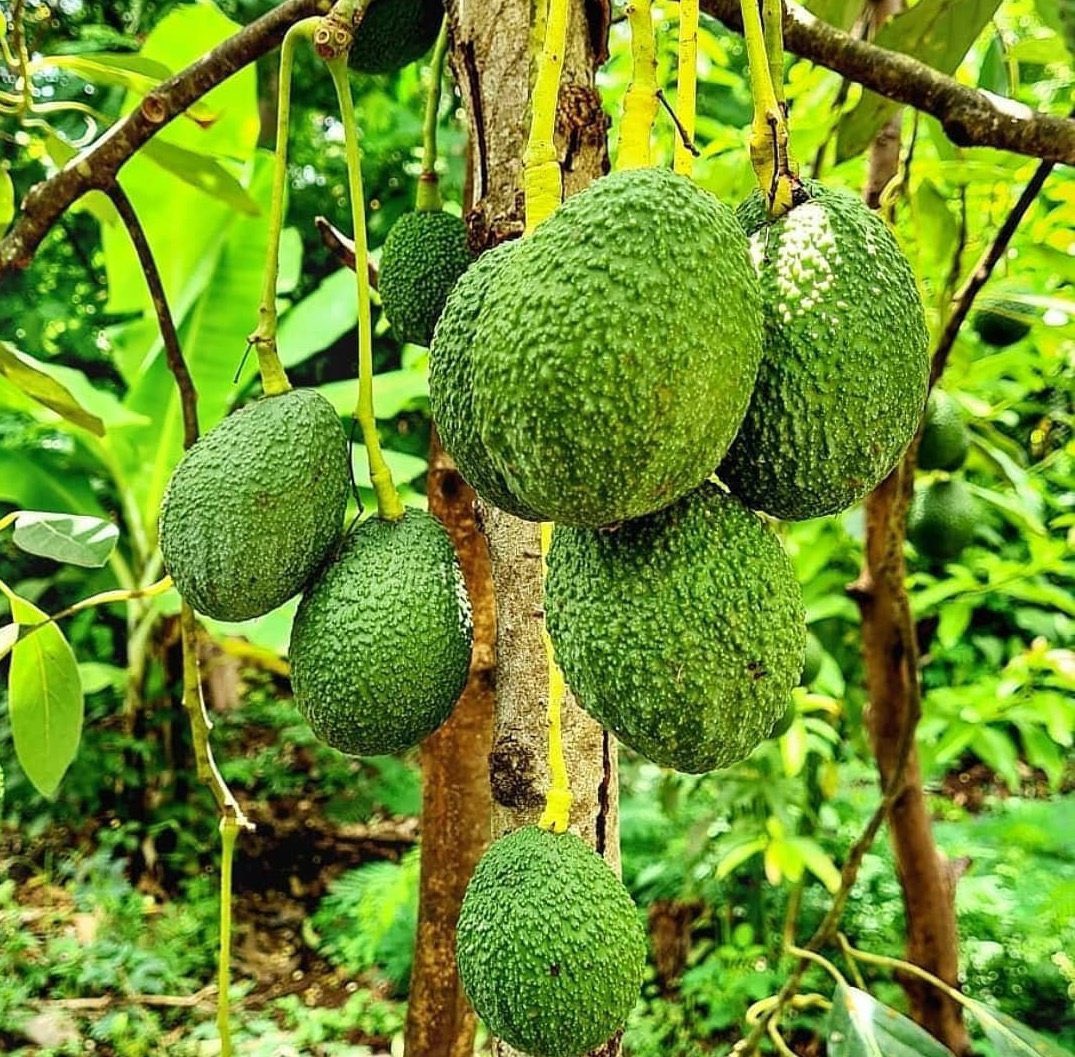
While agriculture is often associated with field crops and livestock, horticulture — specifically avocado farming — is proving to be a lucrative avenue for farmers looking to diversify and increase their earnings.
The global demand for avocados has skyrocketed in recent years, presenting Zimbabwean farmers with a golden opportunity to tap into export markets and boost foreign currency earnings.
Rise of avocado farming in Zimbabwe
Zimbabwe’s avocado industry is on an upward trend, with production increasing significantly in the past decade.
Key avocado varieties grown in the country include Hass, Esther, Fortuna, Ryan and Gwen.
These varieties, particularly Hass, have strong international demand due to their superior taste, longer shelf life and adaptability to various climatic conditions.
It takes an average of three to four years for an avocado tree to start bearing fruit if planted as a young, grafted tree, while one grown from seed takes longer — typically five to 10 years.
Given this long maturation period, avocado farming requires patience and long-term planning, but the returns are worth the wait.
Farmers who invest in good agronomic practices and value addition can command premium prices in both local and export markets.
Zimbabwe’s position in the market
Zimbabwe has the potential to become a key player in the international avocado market.
Currently, leading avocado-producing African nations include Kenya, South Africa, Malawi, Cameroon and the Democratic Republic of Congo.
Kenya, for example, has successfully penetrated the European and Middle Eastern markets, exporting over 80 000 tonnes annually.
Zimbabwe is following a similar path, with avocado exports growing steadily.
The Zimbabwe Avocado Growers Association (ZAGA) reported that the 2023 export season exceeded production estimates, with 5 180 tonnes of first-grade fruit shipped overseas and an additional 3 000 tonnes of second-grade fruit processed for oil extraction.
With an estimated 400 hectares of newly established plantations set to come into production, Zimbabwe could be exporting nearly 10 000 tonnes by 2025.
Recent reports indicate that Zimbabwe’s 2024 harvests were even higher, further positioning the country as a formidable player in global avocado trade.
The Government and the private sector have been working to expand avocado production, with more farmers receiving support through training, funding and access to export markets.
This projected increase in production is expected to attract more international buyers and create further opportunities for local farmers.
By: Tina Nleya
https://farmerstrend.co.ke/global-farming/the-rise-of-avocado-farming-in-zimbabwe/https://farmerstrend.co.ke/wp-content/uploads/2022/12/Kenya-hass-avocado-at-farmers-trend-nursery-seedlings--1024x1007.jpghttps://farmerstrend.co.ke/wp-content/uploads/2022/12/Kenya-hass-avocado-at-farmers-trend-nursery-seedlings--150x150.jpgGlobal FarmingAvocado farming is gaining momentum in Zimbabwe, particularly in the Eastern Highlands, where the climate and soils favour high-quality fruit production.While agriculture is often associated with field crops and livestock, horticulture — specifically avocado farming — is proving to be a lucrative avenue for farmers looking to diversify and...FarmersTrendjohn doefarmerstrend@gmail.comAdministratorFarmers Trend Ltd.












Leave a Reply