Profitable Nuts Farming in Kenya: A Complete Farmer’s Guide
Did you know Kenya supplies nearly 20% of the world’s macadamia nuts? That makes it one of the top players in the global nut trade. Impressive, right? Yet despite this milestone, Kenya’s nut industry hasn’t reached full throttle.

From the fertile highlands of Central Kenya where macadamia trees flourish, to the sun-soaked coast where cashews dominate, nuts are more than snacks. They are the livelihood of over 200,000 smallholder farmers, a growing export earner, and a sector with untapped potential.
Challenges like poor farming practices, limited extension services, and middlemen draining profits have slowed growth. But with global demand for organic and fair-trade nuts climbing, Kenya has a golden opportunity to turn nut farming into a billion-shilling industry.
So, let’s crack this wide open and look at the money-making nuts of Kenya, the opportunities, the hurdles, and how you can jump in.
Money-Making Nuts in Kenya
Kenya’s nut industry is steadily becoming one of the most promising sectors for farmers and investors. Nuts not only serve as nutritious food but also drive export earnings and provide livelihoods for thousands of households. With global demand rising, especially for organic and fair-trade products, Kenyan farmers have an opportunity to tap into both local and international markets. Below is a detailed look at some of the most profitable nuts in Kenya today.
Macadamia Nuts
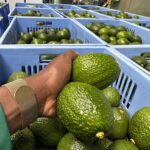
Macadamia nuts are the crown jewel of Kenya’s nut farming. The country currently supplies nearly 20 percent of the global demand, with Meru, Embu, Murang’a, and Kiambu counties leading in production. These highland regions provide the perfect climate and soils for macadamia trees to thrive.
A mature macadamia tree produces between 50 and 70 kilograms of nuts annually, making it a reliable cash crop for farmers. Farmgate prices range from KSh 180 to 250 per kilo, but processed kernels fetch even higher prices in export markets such as the United States, Europe, and Asia. The government and private processors are investing heavily in value addition, turning raw macadamia into premium oil, butter, and confectionery products. This makes macadamia farming one of the most lucrative ventures for Kenyan farmers.
Cashew Nuts
Cashew nuts thrive along Kenya’s coastal belt, particularly in Kilifi, Kwale, and Lamu counties. These regions enjoy warm, humid conditions that suit cashew trees well. Kenya’s cashew industry is undergoing revival, with old, low-yielding trees being replaced by improved, disease-resistant varieties.
Cashew farming has significant potential, not only for direct nut sales but also through processing. Local factories are now shelling, roasting, and packaging cashews, which boosts farmers’ incomes and creates employment. Cashew kernels are in high demand both locally and abroad, while cashew apple juice and cashew butter present new opportunities for value addition. With the right support, cashew farming could once again become a major foreign exchange earner for Kenya.
Groundnuts (Peanuts)
Groundnuts, commonly known as peanuts, are popular across Kenya, especially in Western and Nyanza regions. They are a household staple, used in peanut butter, sauces, roasted snacks, and animal feeds. Unlike tree nuts, peanuts are relatively quick to mature, taking only three to four months from planting to harvest, which allows farmers to generate income multiple times in a year.
The demand for peanuts is consistently high in both urban and rural markets. However, challenges such as aflatoxin contamination caused by poor post-harvest handling have limited the crop’s full potential. Farmers who adopt good storage and drying practices, along with improved seed varieties, stand to benefit from this fast-growing and highly profitable crop.
Coconut
Coconut farming dominates Kenya’s coastline, with Mombasa, Malindi, and Kilifi serving as major production hubs. The coconut palm is a multipurpose crop, providing nuts, water, oil, copra, and even fiber used in making mats and ropes. It is often referred to as the “tree of life” due to its wide range of uses.
Kenya’s coconut industry has long been underutilized, but the rising popularity of virgin coconut oil, coconut cream, and coconut-based beverages is creating new demand. Traditional products like mnazi (coconut wine) remain popular in coastal communities, while global health trends are pushing demand for organic coconut water. With value addition, coconut farming can significantly increase household incomes along the coast.
Almonds
Almond farming is relatively new in Kenya, but it is quickly gaining attention, particularly in semi-arid areas such as Kitui and Makueni. Almonds are highly valued in global markets, fetching between $8 and $10 per kilo, making them one of the most profitable nut crops per hectare.
The trees are drought-tolerant, which makes them suitable for regions that receive less rainfall. Although almond trees take several years to mature, once established, they provide consistent yields for decades. With proper investment in seedlings, irrigation, and post-harvest handling, Kenya has the potential to position itself as a supplier of almonds to both local and export markets.
Emerging and Niche Nuts
Beyond the mainstream nuts, Kenya also holds potential in lesser-known varieties that remain niche or experimental. These include pistachios, Brazil nuts, walnuts, hazelnuts, shea nuts, chestnuts, tiger nuts, betel nuts, and Bambara nuts.
While these crops are not yet widespread in Kenya, they are gaining interest among farmers and investors. For example, tiger nuts are becoming popular due to their health benefits and use in drinks such as tiger nut milk. Shea nuts are already supporting cosmetic industries with shea butter, and walnuts and hazelnuts show promise in the highland areas. With targeted research, improved seedlings, and market development, these specialty nuts could open new opportunities for health-conscious export markets.
Overview of Nut Farming in Kenya
Nut farming in Kenya is increasingly recognized as one of the most profitable opportunities for both new farmers and small-scale investors. The country has about 57,000 square kilometers of land that is suitable for agricultural production, with nearly half of this already under cultivation. Within this vast resource lies significant potential for expansion into nut farming, a sector that has often been overlooked compared to traditional cash crops.
Nuts, much like coffee and tea, are becoming important contributors to Kenya’s agricultural economy. They generate income for smallholder farmers, create employment in processing and distribution, and contribute to foreign exchange earnings through exports. The government and private sector are beginning to see the value of nut farming, leading to more investment in seedlings, processing facilities, and farmer training programs.
Kenya’s diverse climates and fertile soils make it possible to grow a wide variety of nuts across different regions. The highlands of Central Kenya are well-suited for macadamia, while the coastal counties such as Kilifi, Kwale, and Lamu provide ideal conditions for cashew and coconut production. Western Kenya and Nyanza favor groundnut farming, while semi-arid counties like Kitui and Makueni are emerging as promising areas for almonds and other drought-tolerant varieties.
The demand for nuts continues to rise globally, fueled by health-conscious consumers and the growing popularity of plant-based diets. Locally, nuts are also in high demand for snacks, cooking oils, and ingredients in processed foods. This surge in demand has opened new opportunities for farmers to enter the sector, whether through large-scale commercial ventures or smallholder operations targeting local markets.
With the right mix of improved farming practices, access to quality seedlings, and value addition through processing, nut farming has the potential to rival Kenya’s leading export crops. The sector is still young and developing, which means early adopters stand to gain the most. For farmers and investors looking for the next big thing in agriculture, nut farming in Kenya is proving to be a profitable and sustainable choice.
Why Invest in Nut Farming in Kenya
Nut farming in Kenya is quickly proving to be one of the smartest agricultural investments. With rising global demand, diverse climatic zones that support different varieties, and increasing government and private sector support, the sector offers strong returns for both smallholder farmers and large-scale investors. Beyond profitability, nut farming contributes to food security, rural employment, and foreign exchange earnings, making it a win for both individuals and the economy.
High Profitability
Nuts are among the most profitable crops you can grow in Kenya. Macadamia, cashew, and almonds stand out as leading earners, with market prices that often surpass traditional crops like maize or beans. Cashew nuts enjoy high demand in both local and export markets, while macadamia and almonds have established themselves as premium export products, fetching prices that can transform a farmer’s income.
To give perspective, here’s a breakdown of potential earnings per hectare under good management practices:
| Nut Type | Average Yield (kg/ha) | Price per kg (USD) | Estimated Revenue (USD) |
|---|---|---|---|
| Cashew Nuts | 1,500 | 1.2 | 1,800 |
| Macadamia Nuts | 3,000 | 5.5 | 16,500 |
| Almonds | 2,000 | 8.5 | 17,000 |
This comparison shows why nuts are attracting attention. While cashews provide steady returns, macadamia and almonds deliver much higher revenue per hectare, particularly when farmers invest in improved seedlings, good management, and post-harvest handling.
Strong Local and Export Demand
Kenya’s nut market benefits from both domestic consumption and export opportunities. Locally, peanuts and cashews are popular in households, street snacks, and value-added products like peanut butter, nut oils, and roasted snacks. Internationally, demand for macadamia, almonds, and cashews is surging in Europe, Asia, and the Middle East, driven by health-conscious consumers seeking plant-based proteins and oils.
The global nut market is projected to keep growing, meaning Kenyan farmers are well-positioned to benefit if they can maintain quality and consistency. With processors and exporters now operating closer to farming areas, access to international markets is improving, making it easier for smallholders to plug into global supply chains.
Long-Term Returns
Unlike many short-term crops, most nut trees are perennial and productive for decades once established. This makes them a reliable long-term investment, with yields increasing as trees mature. For example, macadamia trees reach peak production after about 7 years but continue producing for more than 40 years. This stability provides farmers with a dependable source of income year after year.
Value Addition Opportunities
Raw nuts fetch good prices, but processing them into higher-value products can multiply returns. Roasted cashews, macadamia oil, almond butter, and coconut milk are in high demand both locally and abroad. Farmers and cooperatives who invest in small-scale processing units can significantly increase profitability while also reducing post-harvest losses.
Supportive Environment
The Kenyan government has shown growing interest in nut farming as part of agricultural diversification efforts. Initiatives to provide improved seedlings, extension services, and connections to export markets are already underway. Partnerships with international buyers, particularly in the EU, China, and India, have opened more trade opportunities, giving farmers confidence to expand.
Favorable Climatic and Soil Conditions
Kenya’s diverse geography makes it one of the best places for nut farming in Africa. From the humid coastlines to the fertile highlands and semi-arid lowlands, each region provides unique conditions that suit different nut species. This variety allows farmers to grow multiple types of nuts across the country, ensuring that nearly every farmer can find a crop suited to their land.
Macadamia nuts thrive in the cool, fertile highlands of Central Kenya, where rainfall is reliable, and soils are deep and well-drained. Counties like Meru, Embu, Murang’a, and Kiambu have established themselves as the backbone of macadamia production. The slightly acidic soils and moderate temperatures in these areas create ideal growing conditions, producing high yields and quality kernels for the export market.
Cashew nuts, on the other hand, prefer warm, coastal climates with sandy soils. Kilifi, Kwale, and Lamu counties provide perfect conditions for cashews, with temperatures ranging between 24–30°C and moderate rainfall. Cashew trees are drought-tolerant and resilient, making them suitable for farmers in areas where other cash crops might struggle.
Groundnuts, commonly grown in Western Kenya and Nyanza, perform well in light, sandy-loam soils with good drainage. These areas experience adequate rainfall, allowing farmers to cultivate peanuts in both main and short rainy seasons. Their relatively short growing cycle also makes them a flexible crop for smallholders.
Coconuts flourish in coastal regions like Mombasa, Malindi, and Kilifi. The combination of high humidity, sandy soils, and salty air creates the right environment for coconut palms. These trees are adapted to tropical climates and continue producing year-round, offering farmers a steady income.
Emerging nut crops such as almonds and pistachios are finding a home in semi-arid regions like Kitui, Makueni, and parts of Machakos. These drought-resistant trees do well in areas with less rainfall, provided farmers invest in proper irrigation systems. With rising water-efficient technologies like drip irrigation, even traditionally dry areas are turning into hubs for high-value nut farming.
Kenya’s soils, ranging from volcanic in the highlands to sandy along the coast, provide farmers with the flexibility to choose the right nut crop for their land. Combined with favorable climatic conditions, this diversity makes nut farming a practical, profitable, and sustainable agricultural venture.
Export Potential
Global demand for nuts is rising fast, and Kenya is positioned to supply both raw and processed nuts to high-value markets. The health-conscious consumer base in Europe, North America, and Asia is driving increased consumption of macadamia, cashews, almonds, and peanuts. These markets prefer nuts for snacks, cooking oils, dairy alternatives, and confectionery products.
Kenya already exports large volumes of macadamia nuts, with China, Japan, the United States, and Europe as key buyers. Export volumes are projected to grow further as more farmers adopt improved seedlings and modern orchard management practices. Cashew nuts, traditionally grown at the Coast, are regaining international attention as new processing plants boost quality and meet export standards.
Trade ties with China and India continue to open reliable markets for bulk nut exports, while Kenya’s participation in trade blocs such as COMESA and the African Continental Free Trade Area (AfCFTA) makes it easier to access regional buyers. With proper certification, including GlobalG.A.P and organic labels, Kenyan farmers can capture premium niche markets where consumers pay more for traceability and sustainability.
The government, alongside private investors, is also supporting export infrastructure. Investments in cold storage, grading facilities, and farmer cooperatives are cutting post-harvest losses and improving competitiveness. With these systems in place, nut farming is no longer limited to local consumption but is part of a growing export economy.
Value Addition Opportunities
Selling raw nuts is profitable, but processing them can multiply returns. Value addition ensures farmers and agribusinesses capture a larger share of the profit instead of leaving it to international processors.
Some high-potential value-added products include:
- Roasted and salted nuts – Easy to produce and a favorite in local supermarkets.
- Nut butters – Peanut butter is already popular in Kenya, but macadamia and almond butter are growing trends among urban consumers.
- Nut oils – Macadamia and coconut oils are in high demand for cooking, baking, and cosmetic industries.
- Flour and dairy alternatives – Almond flour, cashew milk, and coconut milk are becoming staples in gluten-free and vegan diets.
- Confectionery and snacks – Chocolate-coated nuts, energy bars, and trail mixes attract premium buyers.
Processing not only raises earnings but also creates jobs in rural areas, builds stronger farmer cooperatives, and improves food security. For example, in Kilifi, cashew nut processors are employing hundreds of workers while supplying both domestic and export markets.
Farmers can start small with roasting and packaging for local markets, then expand to more advanced processing as demand grows. By focusing on branding, quality control, and certification, Kenyan nut businesses can compete with imports and even enter international shelves.
https://farmerstrend.co.ke/trending/profitable-nuts-farming-in-kenya-a-complete-farmers-guide/https://farmerstrend.co.ke/wp-content/uploads/2025/09/Gi7MBDJWwAA7xPX.jpeghttps://farmerstrend.co.ke/wp-content/uploads/2025/09/Gi7MBDJWwAA7xPX-150x150.jpeg# TrendingDid you know Kenya supplies nearly 20% of the world’s macadamia nuts? That makes it one of the top players in the global nut trade. Impressive, right? Yet despite this milestone, Kenya’s nut industry hasn’t reached full throttle.From the fertile highlands of Central Kenya where macadamia trees flourish, to...FarmersTrendjohn doefarmerstrend@gmail.comAdministratorFarmers Trend Ltd.












Leave a Reply