Turkana Can Feed the Nation! Learning from Dryland Farming Success Stories
Transforming Turkana Through Dryland Farming – Discover how smart water conservation, drought-resistant crops, and resilient livestock strategies can turn Turkana into a food-producing powerhouse.

The March-April-May (MAM) rains have arrived, and for regions like Turkana and other drylands, this is a golden opportunity to transform water into food security. With the right farming strategies, Turkana has the potential to become a food-producing powerhouse, proving that drylands are not barren lands but reservoirs of untapped agricultural potential.
Despite the challenges posed by low rainfall, high temperatures, and arid soils, dryland farmers around the world have found innovative ways to thrive. From Northern Kenya to Ethiopia, Somalia, Sudan, and the Sahel, farmers are using climate-smart techniques to grow food, rear livestock, and secure their livelihoods.
So, how can Turkana learn from these success stories? What strategies have helped other dryland farmers thrive? Let’s explore water conservation, drought-resistant crops, soil moisture management, and livestock strategies that can turn Turkana into a model for sustainable, climate-resilient farming.

The Power of Water: Storing and Managing Every Drop
Water is the most precious resource in drylands, and efficient storage and conservation are key to survival. Here are some of the methods used in dryland areas to capture, store, and utilize rainwater efficiently:
1. Rainwater Harvesting and Storage Ponds
During the rainy season, collecting and storing water ensures a continuous supply for crops and livestock during dry periods. Farmers in Ethiopia and Sudan have successfully used:
✅ Small Earth Dams & Pans – These store rainwater for irrigation and animal use.
✅ Farm Ponds & Underground Tanks – Simple yet effective for collecting runoff water.
✅ Sand Dams & Subsurface Dams – These slow down river flow, allowing water to seep into the soil and recharge groundwater.
2. Drip Irrigation: Making Water Go Further
Drip irrigation delivers water directly to the roots of plants, reducing waste through evaporation and runoff. Israeli and Sahelian farmers have widely adopted this water-saving irrigation technique, allowing them to farm in some of the driest regions on Earth.
3. Zai Pits & Sunken Beds: Holding Moisture for Longer
Zai pits—used extensively in the Sahel region—are shallow, circular pits filled with organic matter to capture rainwater and prevent soil erosion. This method allows crops like sorghum, millet, and maize to grow even in the harshest conditions.
Sunken beds work similarly by planting crops slightly below ground level, trapping moisture and reducing water loss.

Drought-Resistant Crops: What’s Thriving in Other Drylands?
Choosing the right crops can make the difference between a failed harvest and a food surplus. Dryland farmers worldwide have found success with crops that require minimal water, mature quickly, and withstand high temperatures. Some of the best options for Turkana include:
✅ Sorghum & Millet – These grains are drought-tolerant and thrive in sandy soils.
✅ Cowpeas & Pigeon Peas – Excellent for both food and nitrogen-fixing in the soil.
✅ Cassava & Sweet Potatoes – Hardy root crops that store food underground even in droughts.
✅ Moringa & Baobab – Nutritious and resilient trees that provide food, medicine, and shade.
✅ Opuntia (Prickly Pear Cactus) – Used in Mexico and North Africa as fodder for animals and food for humans.
By growing a mix of grains, legumes, tubers, and fruit trees, dryland farmers can ensure both food security and soil improvement.

Livestock in Drylands: Building Resilient Herds
Livestock is a key source of food, income, and culture for Turkana and other pastoralist communities. However, droughts make it essential to adapt livestock management practices to sustain herds.
Best Dryland Livestock Strategies:
✅ Indigenous Breeds – Turkana’s local breeds of goats, camels, and cattle are naturally adapted to heat and drought. Ethiopian Boran cattle and Somali goats are prime examples of hardy breeds.
✅ Livestock Feed Reserves – Farmers in Sudan store drought-resistant fodder plants like Napier grass, cactus, and fodder trees.
✅ Rotational Grazing – Managing pastureland by allowing some areas to regenerate before grazing again prevents desertification.
✅ Multi-Purpose Livestock – Animals like camels provide milk, meat, and transport, making them a sustainable investment.
Soil Conservation: Making Drylands Productive
Dryland soils are often sandy, nutrient-poor, and highly erodible. However, improving soil fertility and moisture retention can lead to higher yields and better food security. Some proven methods include:
1. Mulching & Cover Crops
Covering the soil with organic mulch (leaves, crop residues, straw) reduces evaporation, keeps the soil cool, and improves fertility. Cover crops like beans and legumes fix nitrogen, boosting soil health naturally.
2. Terracing & Contour Farming
Building stone terraces and planting along contours slows down water runoff, allowing more water to soak into the ground. This technique, widely used in Ethiopia and the Sahel, has transformed barren hills into productive farmland.
3. Agroforestry: Trees for Resilience
Growing drought-tolerant trees alongside crops helps in moisture retention, wind protection, and restoring soil fertility. Some beneficial trees include:
🌳 Moringa – A fast-growing tree that provides food and fodder.
🌳 Acacia – Fixes nitrogen and improves soil structure.
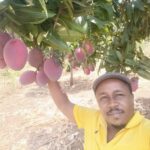
🌳 Fruit Trees (Mango, Guava, Papaya) – Provides shade, food, and extra income.
🔥 Learning from Success Stories: Drylands CAN be Productive!
Turkana and other drylands can learn from other successful dryland farming projects around the world. Examples include:
🔹 Niger’s Farmer-Managed Natural Regeneration (FMNR) – Farmers revived over 5 million hectares of degraded land by protecting natural tree regrowth, boosting soil fertility and crop production.
🔹 Israel’s Desert Farming Model – Using drip irrigation, greenhouses, and soil-enhancing microbes, Israeli farmers export food from the desert.
🔹 Kenya’s ASAL Resilience Programs – Projects in Garissa, Isiolo, and Wajir are showing how rainwater harvesting, fodder production, and community-managed irrigation schemes can transform drylands.
Turkana’s Future: A Dryland Farming Revolution
Turkana and other drylands are not barren wastelands—they are full of potential! By applying smart farming techniques, conserving water, choosing the right crops, and improving soil health, we can turn Turkana into a model of climate-resilient agriculture.
💡 How Can You Help?
✅ Are you a dryland farmer? Share your experiences and best practices!
✅ Do you have knowledge of dryland agriculture? Contribute to training programs!
✅ Do you believe in Turkana’s farming future? Support local farmers and agribusiness projects!
🌾 Drought or Rain, We Keep Rising! Let’s Make Turkana a Food Basket for Kenya! 💪🌱
#TurkanaAgriculture #DrylandFarming #ClimateResilience #FoodSecurity #SmartFarming #WaterHarvesting #RegenerativeAgriculture
https://farmerstrend.co.ke/trending/turkana-can-feed-the-nation-learning-from-dryland-farming-success-stories/https://farmerstrend.co.ke/wp-content/uploads/2025/03/1741686271464-1024x1024.jpeghttps://farmerstrend.co.ke/wp-content/uploads/2025/03/1741686271464-150x150.jpeg# TrendingTransforming Turkana Through Dryland Farming – Discover how smart water conservation, drought-resistant crops, and resilient livestock strategies can turn Turkana into a food-producing powerhouse.The March-April-May (MAM) rains have arrived, and for regions like Turkana and other drylands, this is a golden opportunity to transform water into food security. With...FarmersTrendjohn doefarmerstrend@gmail.comAdministratorFarmers Trend Ltd.







Leave a Reply