Breadfruit Farming in Kenya: 2026 Complete Profit & Planting Guide
Breadfruit farming in Kenya represents one of the most promising yet underexplored agricultural opportunities in the country. Known locally as Shelisheli or Mshelisheli in Swahili, this remarkable tree offers exceptional yields with minimal inputs, making it ideal for sustainable food security and commercial ventures. As Kenyan farmers seek resilient, high-yielding crops, breadfruit farming in Kenya emerges as a solution that deserves serious attention. This comprehensive guide by Farmers Trend Ltd. answers every question farmers are asking, provides exact profit calculations, and offers a complete step-by-step plan for success. Whether you are looking to plant a few trees for household food security or establish a commercial orchard, this guide to breadfruit farming in Kenya provides the essential knowledge you need.
Understanding the Breadfruit Tree
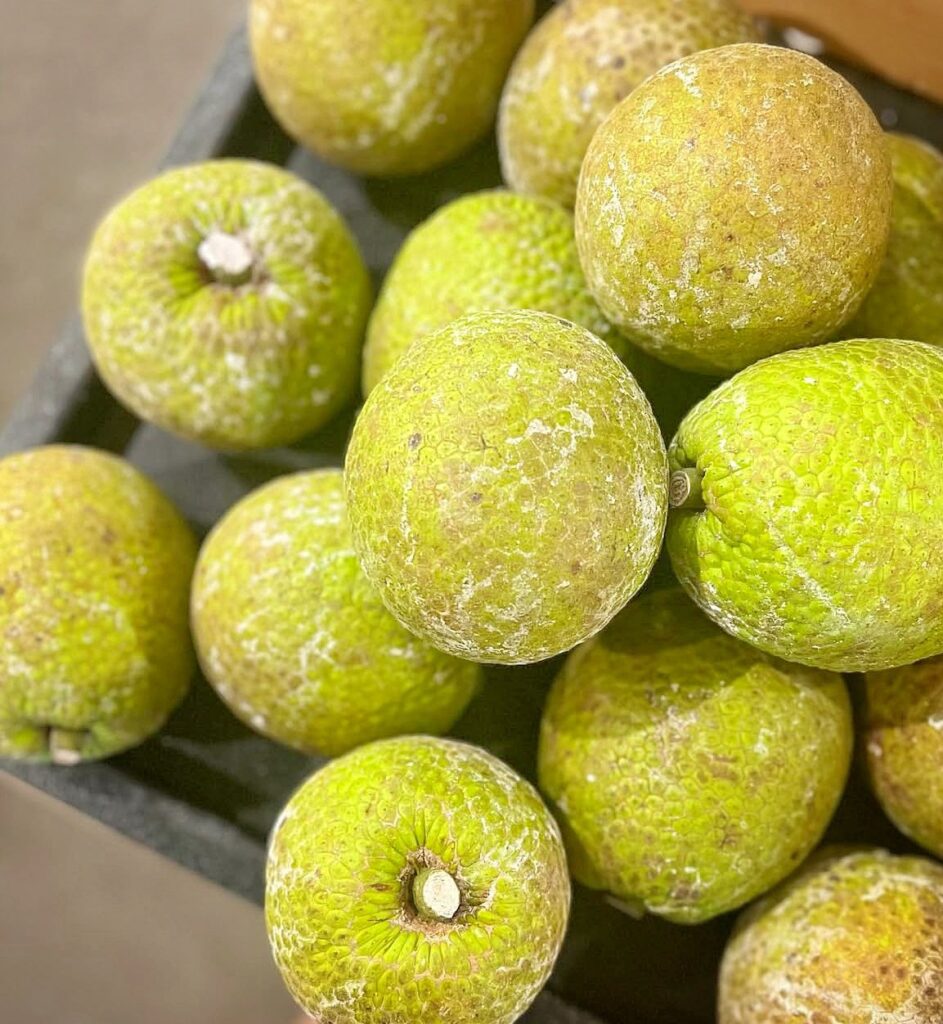
Before starting breadfruit farming in Kenya, it is crucial to understand this remarkable plant. Breadfruit, scientifically known as Artocarpus altilis, is a tropical evergreen tree native to the Pacific Islands but well-suited to Kenya’s coastal and mid-altitude regions.
The tree is famous for its starchy, versatile fruits that can be roasted, boiled, fried, or baked, serving as a potato-like staple with excellent nutritional value. Beyond the fruit, nearly every part of the tree has uses, from the leaves for animal fodder to the wood for construction and the latex for various applications.
A common question is whether breadfruit grows in Kenya. The answer is a definitive yes, particularly in coastal counties like Kilifi, Kwale, Mombasa, and Lamu, as well as in warmer mid-altitude regions up to approximately 1,200 meters above sea level. The tree thrives in areas with consistent warmth and adequate rainfall.
Profit Potential and Market Analysis
When farmers ask which fruit farming is most profitable in Kenya, breadfruit deserves strong consideration due to its extraordinary yield and low maintenance requirements.
Let us examine the numbers. A single mature breadfruit tree can produce between 150 and 300 fruits per year. With proper spacing allowing approximately 50 trees per acre, this translates to an annual yield of 7,500 to 15,000 fruits per acre.
To answer the question of how much breadfruit yield per acre in weight, each fruit averages 1 to 3 kilograms. Using a conservative average of 2 kilograms per fruit, one acre can yield 15,000 to 30,000 kilograms (15 to 30 metric tons) of fresh fruit annually.
The market for breadfruit in Kenya is developing but promising. Fresh breadfruit sells for between KSh 50 and KSh 150 per fruit in local markets, depending on size and season. Processed products like breadfruit flour command significantly higher prices, reaching KSh 300 to KSh 500 per kilogram.
Therefore, the gross annual revenue from one acre of mature breadfruit trees can range from KSh 750,000 to KSh 4,500,000, depending on yield and marketing strategy. When comparing what is the most profitable crop per acre, breadfruit’s combination of high yield, low input costs, and multiple product streams makes it exceptionally competitive.
The establishment cost for breadfruit farming in Kenya is moderate, primarily for quality breadfruit seedlings and initial land preparation. Annual maintenance costs are minimal since, as noted, breadfruit farming is not labor intensive and requires less inputs than most commercial crops. This low cost structure significantly enhances net profitability.
Growth Timeline and Tree Lifespan
Patience is essential in perennial crop farming, and breadfruit is no exception. Farmers consistently ask: How long does breadfruit take to grow? and How long before you get fruit from a tree?
From planting a seedling, breadfruit trees typically begin bearing fruit in 3 to 5 years. The exact timing depends on growing conditions, variety, and management practices. Some improved varieties may produce earlier, while trees grown from seed may take longer.
To clarify the difference between growth and fruiting: Does breadfruit grow fast? In optimal conditions, yes. Young trees can grow 1 to 2 meters per year initially. However, the more important question is how long does breadfruit take to mature for consistent, heavy production. Trees reach full production capacity at 6 to 8 years of age.
This investment in time is rewarded with an exceptionally long productive life. What is the lifespan of a breadfruit tree? With proper care, a breadfruit tree can remain productive for 50 to 70 years, with some trees continuing to bear fruit beyond that. This makes breadfruit one of the most sustainable long-term agricultural investments available to Kenyan farmers.
Ecological Requirements for Success
Successful breadfruit farming in Kenya requires understanding where breadfruit grows best. The tree has specific but manageable requirements.
Climate Requirements:
Breadfruit thrives in tropical climates with:
- Temperatures between 15°C and 35°C (optimal 21°C to 32°C)
- Annual rainfall of 1,500 to 3,000 mm
- High humidity (60% to 80%)
- Protection from strong winds
In Kenya, these conditions are found primarily in coastal regions and some protected valleys in warmer mid-altitude areas.
Soil Requirements:
Breadfruit prefers deep, well-drained soils but is adaptable to various soil types except poorly drained clays. The ideal soil pH is between 6.0 and 7.5. The tree develops an extensive root system, so deep soil is beneficial.
Water Requirements:
The question of whether breadfruit needs a lot of water has a nuanced answer. While established trees are somewhat drought-tolerant, consistent moisture is crucial for optimal growth and fruiting, especially during dry periods. Young trees particularly require regular watering until established. In areas with less than optimal rainfall, supplementary irrigation during dry spells significantly improves yield and fruit quality.
Complete Step-by-Step Planting Guide
This step-by-step guide to breadfruit farming in Kenya will help you establish a successful orchard.
1. Sourcing Quality Planting Material
The foundation of success is quality planting material. For breadfruit seedlings in Kenya, Farmers Trend nurseries offer certified, healthy seedlings through their physical locations and virtual agrovet platform. Starting with quality seedlings from a reputable source like Farmers Trend ensures genetic purity, health, and faster establishment compared to growing from seed.
https://agrovet.farmerstrend.co.ke/online-agrovet/farm-inputs/breadfruit-seedlings/
When considering breadfruit seeds, note that seed-grown trees are highly variable and take longer to fruit. Vegetatively propagated seedlings (through root cuttings or air layering) produce trees true to the parent type and fruit much sooner.
2. Land Preparation and Planting Time
Prepare land by deep plowing to at least 60 centimeters to accommodate the tree’s extensive root system. Remove all weeds and incorporate well-rotted manure or compost into the planting holes.
What is the best month to plant fruit trees in Kenya? For breadfruit, plant at the beginning of the long rains (March to April) to give seedlings maximum natural moisture for establishment. In areas with reliable irrigation, planting can occur year-round.
3. Optimal Spacing and Population
Proper spacing is crucial for long-term orchard health. The recommended spacing for breadfruit trees is 10 to 12 meters between trees in all directions. This spacing accommodates the tree’s mature size, which can reach 15 to 20 meters in height with a canopy spread of 10 to 15 meters.
This spacing gives a population per acre of approximately 30 to 50 trees. While this may seem low compared to other crops, remember that each tree produces abundantly, and the wide spacing allows for intercropping with shorter-term crops during the first few years.
4. Planting Technique
Dig planting holes at least 60 centimeters wide and deep. Mix the excavated soil with 20 kilograms of well-rotted manure or compost. Place the seedling in the hole at the same depth it was in the nursery container. Backfill with the soil mixture, water thoroughly, and mulch around the base to conserve moisture and suppress weeds.
5. Fertilization Program
What is the best fertilizer for breadfruit trees? A balanced approach works best:
- At planting: Incorporate ample organic matter into the planting hole
- Year 1-3: Apply balanced NPK fertilizer (10:10:10) quarterly at 200-500 grams per tree, increasing with tree size
- Mature trees: Apply 2-5 kilograms of well-rotted manure or compost annually around the drip line, plus occasional applications of complete fertilizer
- Micronutrients: Breadfruit benefits from occasional applications of micronutrients, particularly iron and zinc in deficient soils
Remember that breadfruit requires less inputs than many crops, so avoid over-fertilization, which can promote excessive vegetative growth at the expense of fruiting.
6. Water Management
While established trees are somewhat drought-tolerant, consistent moisture improves yield and fruit quality. Water young trees weekly during dry periods. Mature trees benefit from deep watering every 2-3 weeks during extended dry spells. Drip irrigation is ideal for breadfruit farming in Kenya as it delivers water efficiently to the root zone.
7. Pruning and Training
Minimal pruning is required. Remove only dead, diseased, or crossing branches. Some shaping in the early years can help develop a strong framework. Unlike many fruit trees, breadfruit does not require extensive annual pruning.
Harvesting and Yield Expectations

Breadfruit produces its main crop once or twice per year, depending on variety and climate, with some trees producing intermittently throughout the year in optimal conditions.
Fruits are ready for harvest when the skin becomes slightly yellow-green and small drops of latex appear on the surface. Harvest by cutting the stem with a pole harvester or climbing carefully to pick the fruits.
As noted earlier, yield per mature tree ranges from 150 to 300 fruits annually, with each fruit weighing 1 to 3 kilograms. This remarkable productivity from relatively few trees is why breadfruit has such strong profit potential per acre.
Pest and Disease Management
Breadfruit trees are relatively pest and disease resistant, contributing to their low maintenance requirements. Occasional issues may include:
- Fruit flies: Use pheromone traps and timely harvesting
- Mealybugs and scale insects: Control with horticultural oil sprays if populations become problematic
- Fungal leaf spots: Generally not serious but can be managed with improved air circulation and fungicides if severe
Regular monitoring and maintaining tree health through proper nutrition and watering is the best prevention strategy.
Marketing and Value Addition
Developing effective markets is crucial for commercial breadfruit farming in Kenya. Marketing channels include:
- Fresh fruit sales in local and urban markets
- Supply to hotels and restaurants seeking tropical specialty ingredients
- Processing into flour, chips, or frozen products for extended shelf life and higher value
- Export potential to diaspora communities and ethnic markets abroad
Value addition through processing significantly increases profitability. Breadfruit flour, with its gluten-free properties and nutritional benefits, has particularly strong market potential at premium prices.
Intercropping Opportunities
During the first 3-5 years before breadfruit trees reach full size, the space between trees can be utilized for intercropping. Suitable intercrops include:
- Vegetables (tomatoes, kale, spinach)
- Legumes (beans, peas)
- Root crops (sweet potatoes, yams)
- Pineapple or other low-growing fruits
This intercropping provides additional income during the establishment phase and helps with weed control and soil improvement.
Comparing Breadfruit with Other Tropical Fruits
Farmers often inquire about related fruits like canistel fruit Kenya and persimmon seedlings in Kenya. While these have their merits, breadfruit offers distinct advantages:
- Higher yield per tree than most tropical fruits
- Greater drought tolerance once established
- Multiple uses beyond fresh fruit consumption
- Longer productive lifespan
- Lower pest and disease pressure
For farmers in suitable regions, breadfruit represents a more resilient and productive option than many alternative tropical fruits.
Conclusion and Next Steps
Breadfruit farming in Kenya offers a remarkable combination of high productivity, sustainability, and profitability. With yields greater than any other starch crop and minimal input requirements, it represents an intelligent choice for food security and commercial agriculture.
The journey begins with sourcing quality breadfruit seedlings from reputable suppliers like Farmers Trend nurseries. Their expertise and reliable planting material provide the best foundation for success. Through their virtual agrovet platform, farmers across Kenya can access these seedlings along with the necessary inputs and advice.
While requiring patience during the establishment years, a breadfruit orchard becomes a legacy investment that can provide food and income for generations. As climate patterns change and food security concerns grow, breadfruit’s resilience and productivity make it increasingly relevant for Kenyan agriculture.
Whether you start with a few trees around your homestead or establish a commercial orchard, breadfruit farming in Kenya represents a forward-thinking agricultural investment with exceptional returns for those willing to embrace this remarkable tree.
https://farmerstrend.co.ke/fruits/breadfruit-farming/breadfruit-farming-in-kenya-profit-guide/https://farmerstrend.co.ke/wp-content/uploads/2025/12/GuVFMeOXUAAacV--768x1024.jpghttps://farmerstrend.co.ke/wp-content/uploads/2025/12/GuVFMeOXUAAacV--e1767086540827-150x150.jpgBreadfruit Farming# TrendingFruitsBreadfruit farming in Kenya represents one of the most promising yet underexplored agricultural opportunities in the country. Known locally as Shelisheli or Mshelisheli in Swahili, this remarkable tree offers exceptional yields with minimal inputs, making it ideal for sustainable food security and commercial ventures. As Kenyan farmers seek resilient, high-yielding crops, breadfruit farming in Kenya...FarmersTrendjohn doe[email protected]AdministratorFarmers Trend Ltd.



Leave a Reply