Butternut Farming in Kenya: 2026 Profit Per Acre & Complete Growing Guide
Butternut farming in Kenya has emerged as one of the most reliable and profitable vegetable ventures for smallholder and commercial farmers alike. Known for its sweet, orange flesh and excellent storage qualities, butternut squash enjoys strong and consistent demand in Kenyan markets throughout the year. This comprehensive guide addresses every question farmers are asking about butternut farming in Kenya, from detailed profit calculations and current market prices to complete agronomic practices that guarantee success. Whether you are a beginner starting with a small plot or an experienced farmer scaling up production, this guide to butternut farming in Kenya provides the essential knowledge for building a profitable enterprise.

Profit Analysis: Is Butternut Farming Profitable in Kenya?
This is the fundamental question every farmer must answer before investing. The profitability of butternut farming in Kenya can be exceptional when managed correctly. Let us examine the real numbers that define this venture.
First, we must understand yield potential. A well-managed acre of butternut can produce between 8,000 and 15,000 kilograms of fruits, depending on variety, management, and growing conditions. Excellent management with hybrid varieties can push yields toward 20,000 kilograms per acre.
Now, let’s examine market prices. The price of butternut per kg in Kenya varies by season, quality, and market channel. Currently, farmers receive between KSh 40 and KSh 80 per kilogram at the farm gate, with premium quality butternut fetching up to KSh 100 per kilogram in urban supermarkets and export markets.
Using conservative averages for calculation:
- Yield: 10,000 kg per acre
- Price: KSh 60 per kg
- Gross Revenue: 10,000 × 60 = KSh 600,000 per acre per growing cycle
Now, consider the cost of butternut farming in Kenya. Major expenses include seeds, land preparation, fertilizer, pest control, labor, and harvesting. Total production costs typically range from KSh 150,000 to KSh 250,000 per acre per crop cycle.
This means net profit from one acre of butternut can be KSh 350,000 to KSh 450,000 per growing cycle. Since butternut takes approximately 3-4 months to mature, farmers in suitable regions can grow 2-3 cycles per year, significantly multiplying annual profits.
When farmers ask which is the most profitable vegetable in Kenya, butternut consistently ranks among the top performers due to its reliable market, good price stability, and excellent yield potential. The question of whether butternut squash is profitable therefore receives a strong affirmative answer, with butternut farming profit per acre being among the highest in vegetable production.

Growth Timeline and Planting Schedule
Understanding the growth cycle is crucial for planning and marketing. Farmers often ask: How long does it take for butternut to grow? and How many months does butternut take to mature?
Butternut squash typically matures in 90 to 110 days from planting, which is approximately 3 to 4 months. The exact timing depends on variety and growing conditions. Early varieties may mature in as little as 85 days, while some larger-fruited types may need up to 120 days.
Which season is best to plant butternut? In Kenya’s diverse climates, planting times vary:
- High rainfall areas: Plant at the beginning of dry periods to avoid fungal diseases
- Drier regions: Plant at the start of rains or with irrigation support
- Moderate climates: Can plant year-round with proper water management
What month to plant butternut squash? For most regions, the optimal planting windows are:
- February to March (for harvest before heavy April/May rains)
- August to September (for harvest in the dry November/December period)
These timings help avoid excessive moisture during fruit development, which can cause rot and reduce quality.
Best Varieties for Kenyan Conditions
Selecting the right variety significantly impacts your success in butternut farming in Kenya. What is the best variety of butternut in Kenya? Several varieties perform exceptionally well:
Waltham Butternut: The classic variety known for its reliable performance, sweet flavor, and good storage qualities. It matures in about 100-110 days.
Atlas F1: A high-yielding hybrid with uniform fruits and good disease resistance. Popular among commercial growers for its consistency.
Honey Nut: A smaller, single-serving variety gaining popularity in urban markets. Commands premium prices despite smaller fruit size.
Butterboy: An early-maturing variety (85-95 days) suitable for regions with shorter growing seasons.
When selecting varieties, consider your target market. For wholesale and general markets, standard varieties like Waltham are ideal. For premium supermarkets and export, consider specialty varieties like Honey Nut. Quality butternut seeds prices in Kenya vary by variety, with hybrid seeds costing more but often delivering better yield and uniformity.
Complete Step-by-Step Growing Guide
This complete guide to butternut squash farming provides the practical knowledge needed for success.
1. Land Preparation and Soil Requirements
Butternut prefers well-drained, fertile soils with good organic matter. Prepare land by deep plowing to at least 30 centimeters. Incorporate well-rotted manure or compost (5-10 tons per acre) to improve soil structure and fertility. The ideal soil pH is between 6.0 and 6.8.
2. Optimal Spacing and Plant Population
Correct spacing is crucial for maximizing yield. The recommended butternut spacing in cm is:
- Between rows: 150 to 200 centimeters
- Between plants: 60 to 90 centimeters
This spacing allows for proper vine development and air circulation, reducing disease pressure. With this spacing, an acre accommodates approximately 5,000 to 7,000 plants.
How many butternut seeds per acre? You’ll need about 2 to 3 kilograms of seeds per acre, depending on germination rate and spacing. Plant 2-3 seeds per station and thin to the strongest seedling.
3. Planting Technique
Plant seeds 2-3 centimeters deep in moist soil. For early establishment, consider starting seeds in nursery trays and transplanting at 2-3 weeks old. Handle seedlings carefully to avoid root disturbance.
Regarding what seeds should you not soak before planting, butternut seeds generally don’t require soaking and can actually be harmed by excessive moisture before planting.

4. Water Management
Does butternut need a lot of water? Consistent moisture is crucial, especially during flowering and fruit development. Butternut requires about 2.5 to 4 centimeters of water per week. Drip irrigation is ideal as it delivers water directly to the root zone without wetting foliage, reducing disease risk.
When to stop watering butternut squash? Reduce watering about 2-3 weeks before harvest to concentrate sugars in the fruits and improve storage quality. However, don’t allow plants to wilt severely.
5. Fertilization Program
Which fertilizer is good for butternut? A balanced approach works best:
- Basal application: Incorporate DAP or TSP at planting (200kg per acre)
- Top dressing: Apply CAN or urea 3-4 weeks after planting (100kg per acre)
- Flowering stage: Apply a fertilizer higher in potassium (like 10:20:20) to support fruit development
- Foliar feeds: Micronutrient sprays during critical growth stages can improve yield and quality
6. Pest and Disease Management
Common pests include:
- Fruit flies: Use pheromone traps and timely harvesting
- Aphids: Control with insecticidal soap or neem-based products
- Squash vine borers: Monitor for wilting and apply appropriate controls
Common diseases:
- Powdery mildew: Ensure good air circulation and apply fungicides preventively
- Downy mildew: Avoid overhead watering and use resistant varieties
- Fruit rot: Keep fruits off damp soil using mulch or supports
Integrated pest management with regular monitoring provides the best protection for your crop.
Harvesting and Post-Harvest Handling
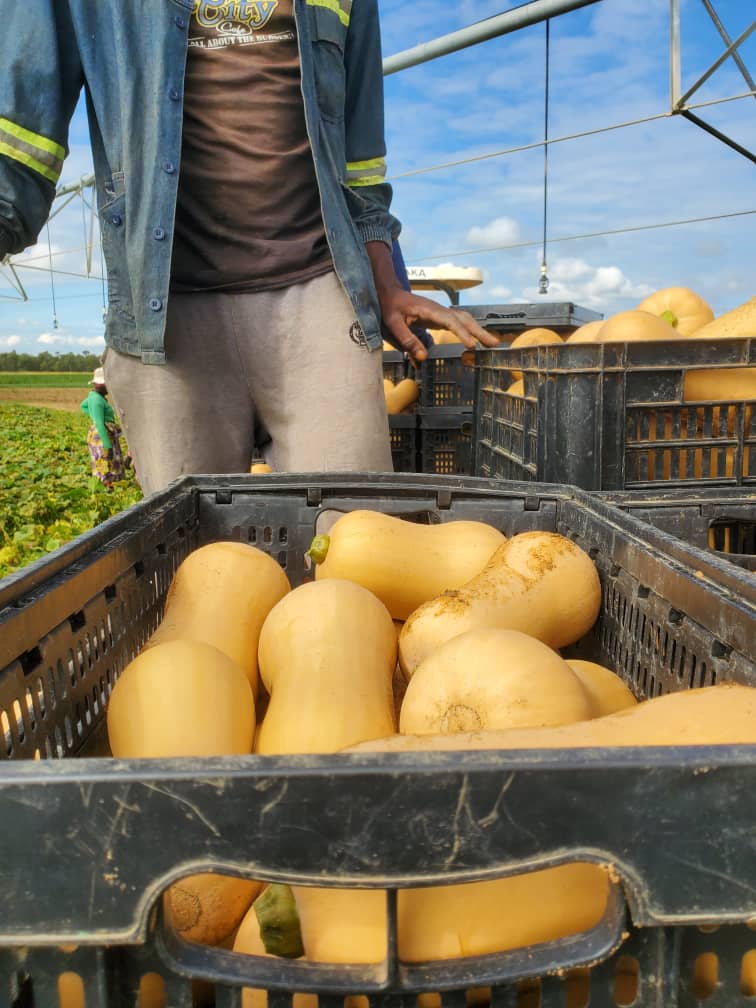
Knowing when and how to harvest significantly affects quality and shelf life. Butternut is ready for harvest when:
- The skin becomes hard and cannot be easily pierced with a fingernail
- The stem begins to dry and turn brown
- The ground spot (where fruit touches soil) changes from white to cream or tan color
How many butternut fruits per plant? A healthy plant typically produces 3 to 5 mature fruits, though exceptional plants may produce more. This translates to the question of how many butternut squash will grow from one plant being answered with a range of 3-5 quality fruits under good management.
Can you leave a butternut squash on the vine too long? Yes, overripe fruits become fibrous, may crack, and are more susceptible to rot. Harvest at optimal maturity for best quality and storage life.
How long does it take to cure butternut squash? After harvest, cure fruits in a warm (24-29°C), dry place for 10-14 days. This hardens the skin, heals minor wounds, and improves storage life to 3-6 months under proper conditions.
Yield Expectations and Calculations
Understanding yield potential is crucial for planning. Let’s address specific questions:
How much butternut squash per acre? As mentioned earlier, 8,000-15,000 kg is typical, with excellent management reaching 20,000 kg. This translates to approximately 16,000 to 40,000 fruits per acre, depending on average fruit weight.
How much does an acre of butternut squash yield? In monetary terms, using our earlier calculations: 10,000 kg × KSh 60/kg = KSh 600,000 gross revenue per acre per crop cycle.
How many butternut seeds per acre? Approximately 2-3 kg of seeds are needed, with each kilogram containing about 400-500 seeds depending on variety.
Marketing and Selling Your Produce
Finding reliable markets is crucial for profitability. Where to sell butternut in Kenya? Several channels exist:
Local markets: Direct sales to consumers in urban and rural markets
Wholesalers: Supply to consolidators who serve larger markets
Supermarkets: Premium markets that pay better prices for consistent quality
Export markets: Growing opportunities in regional markets
Processing companies: For butternut puree, soup, or other processed products
Developing relationships with buyers before harvest ensures you can move your produce quickly at good prices. Consider value addition like pre-cutting or packaging for specific market segments.
Why is butternut so expensive sometimes? Prices peak during off-seasons when supply is low. By timing your planting carefully, you can target these high-price windows. Additionally, premium varieties and organic production command higher prices consistently.
Challenges and Solutions in Butternut Farming
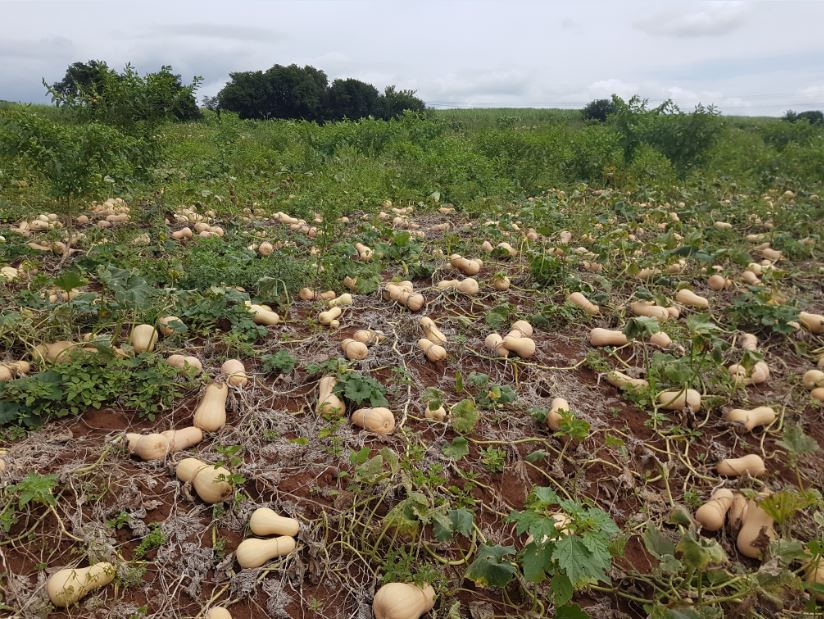
While profitable, butternut farming in Kenya presents challenges that farmers must manage:
Price fluctuations: Market prices can vary significantly. Solution: Time plantings to harvest during typically higher-price periods and consider contract farming arrangements.
Pest pressure: Several pests attack butternut. Solution: Implement integrated pest management with regular monitoring and preventive measures.
Perishability: While butternut stores well compared to many vegetables, proper handling is essential. Solution: Harvest at correct maturity, cure properly, and store in optimal conditions.
Labor requirements: Butternut farming can be labor-intensive, especially during harvesting. Solution: Plan labor needs in advance and consider labor-saving techniques like drip irrigation.
Climate sensitivity: Extreme weather can affect production. Solution: Use protective structures like greenhouses in challenging climates and select varieties suited to your specific conditions.
Comparative Advantage Over Other Vegetables
When farmers ask which vegetable has the highest profit margin, butternut deserves strong consideration due to:
- Excellent storage life (3-6 months with proper handling)
- Consistent market demand throughout the year
- Good adaptability to various Kenyan climates
- Multiple harvests possible per year in suitable regions
- Value addition opportunities through processing
Compared to cabbage farming, butternut generally offers better price stability and longer shelf life, though cabbage may have faster turnover.
Scaling Up: From Small Plot to Commercial Farming
For farmers wondering how to scale their butternut farming in Kenya operation:
- Start small: Begin with a manageable area (1/4 to 1/2 acre) to learn the crop before expanding.
- Keep records: Document all inputs, practices, yields, and sales to identify what works best in your specific conditions.
- Invest in quality inputs: Good seeds, proper fertilizer, and efficient irrigation pay dividends in higher yields and better quality.
- Build market relationships: Develop connections with multiple buyers to ensure you can sell your entire harvest at good prices.
- Consider mechanization: As scale increases, appropriate equipment for planting, spraying, and harvesting can reduce labor costs and improve efficiency.
The Future of Butternut Farming in Kenya
The future of butternut farming in Kenya looks promising due to several factors:
- Growing health consciousness: Consumers are increasingly recognizing butternut’s nutritional benefits as a source of vitamins, minerals, and fiber.
- Export opportunities: Regional markets are opening up for Kenyan horticultural products, including butternut.
- Processing industry growth: As local food processing expands, demand for butternut as a raw material increases.
- Climate adaptation: Development of more resilient varieties suitable for changing climate conditions.
- Technology adoption: Improved irrigation systems, protected cultivation, and digital market platforms are making butternut farming more efficient and profitable.
Take Away and Next Steps
Butternut farming in Kenya offers a proven path to agricultural profitability with relatively moderate investment requirements. The combination of good yields, decent prices, and manageable growing requirements makes it an excellent choice for both new and experienced farmers.
Success comes from attention to key details: selecting appropriate varieties, following proper spacing, providing consistent care especially regarding water and nutrition, managing pests proactively, and harvesting at the right time. By following the guidelines in this comprehensive guide and adapting them to your specific circumstances, you can build a thriving butternut enterprise.
Whether you start with a small kitchen garden or a commercial-scale operation, the principles of successful butternut farming in Kenya remain the same. Each growing cycle offers opportunities to refine your techniques, increase your yields, and grow your profits in this rewarding sector of Kenyan agriculture.
For those seeking more detailed technical information, resources like the butternut farming in Kenya PDF from agricultural research institutions provide additional depth. However, the practical guidance in this guide, combined with hands-on experience, will give you the foundation needed for success in butternut farming in Kenya.
https://farmerstrend.co.ke/crops/butternut-squash-farming/butternut-farming-in-kenya-profit-guide/https://farmerstrend.co.ke/wp-content/uploads/2025/12/Ght8CM7XYAAu_F_-826x1024.jpghttps://farmerstrend.co.ke/wp-content/uploads/2025/12/Ght8CM7XYAAu_F_-e1767094186383-150x150.jpgButternut squash Farming# TrendingButternut farming in Kenya has emerged as one of the most reliable and profitable vegetable ventures for smallholder and commercial farmers alike. Known for its sweet, orange flesh and excellent storage qualities, butternut squash enjoys strong and consistent demand in Kenyan markets throughout the year. This comprehensive guide addresses every...FarmersTrendjohn doefarmerstrend@gmail.comAdministratorFarmers Trend Ltd.









Leave a Reply