Chilli Farming in Kenya: A Complete 2026 Guide on Costs, Profit Per Acre, and Growing Steps
Introduction to Chilli Farming in Kenya
Chilli farming in Kenya is a growing agribusiness. Many farmers are turning to chillies due to strong market demand and a favourable financial return per acre. This guide by Farmers Trend Ltd. provides clear, practical steps for Kenyan farmers. You will learn how to start, manage costs, and calculate profit. We will answer common questions, including how long chillies take to grow, the current price per kilo in Kenya, and the best fertilizer to use. By the end, you should have a clear plan for successful chilli farming.
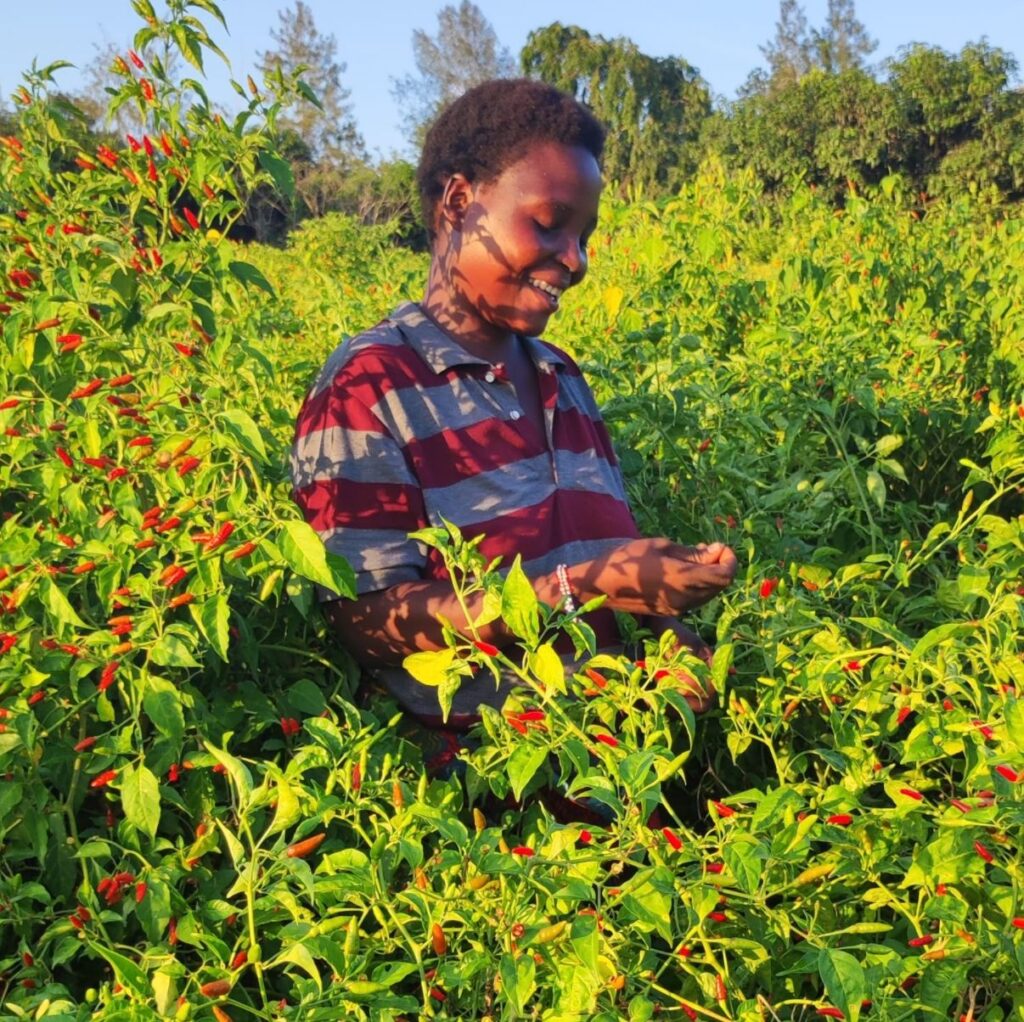
Why Consider Chilli Farming in Kenya?
Chilli farming in Kenya offers several benefits. The market is ready, with steady demand from households, restaurants, and export channels. Chillies adapt well to many parts of Kenya, particularly warm regions. With good management, the yield per acre is high, leading to significant profit. When farmers ask which crop makes the most money per acre, chilli is often a top contender for small-scale farmers, frequently outperforming traditional crops like maize in net profit due to its high value per kilogram.
Ecological Conditions for Chilli Farming in Kenya
Understanding the right growing conditions is the first step to success. Chillies are warm-season crops requiring temperatures between 20°C and 30°C. They are sensitive to frost and perform best in regions like Eastern, Coastal, and parts of the Rift Valley. Chillies need full sun, ideally six to eight hours of direct sunlight daily. In extremely hot, dry areas, intense afternoon sun can stress plants, where light shade nets might help, but generally, more sun encourages more fruiting.
Moderate, well-distributed rainfall is ideal, about 600mm to 1200mm per growing season. Irrigation is necessary in drier areas. The best soil is well-drained loam, rich in organic matter, with a pH between 6.0 and 7.0. Waterlogged soils will harm or kill chilli plants.
Common Varieties of Chilli in Kenya
Choosing the right variety is a fundamental decision that dictates your agronomic practices, market channel, and ultimate profit. In Kenya, the landscape of chilli varieties ranges from the ubiquitous small, hot types to large, sweet commercial peppers. It is essential to understand the specific names and characteristics to avoid market confusion, particularly between hot chillies and sweet peppers.
The following detailed table outlines the key varieties, including the essential African Bird’s Eye, which is a cornerstone of the Kenyan chilli industry.
Detailed Table of Common Chilli & Pepper Varieties in Kenya
| Variety Name | Common Local Name | Fruit Characteristics | Heat Level | Key Agronomic Traits | Primary Market | Maturity (Transplant to 1st Harvest) |
|---|---|---|---|---|---|---|
| African Bird’s Eye | Pilipili Mbilimbili, Pilipili Msiwa | Very small (2-4 cm), slender, pointed. Turns from green to bright red. | Very High (100,000-175,000 SHU) | Highly hardy, drought-tolerant, prolific producer. Open-pollinated, so seeds can be saved. | Drying for powder, local fresh market, condiments, export for bird’s eye products. | 60-75 days |
| Bird’s Eye (Hybrid Types) | Often just “Pilipili” | Small to medium, conical. More uniform than African Bird’s Eye. | Very High | More uniform growth and yield than open-pollinated types. Often has better disease tolerance. | Fresh market, drying, processing. | 65-80 days |
| Demon / Devil Hybrid | Demon F1 | Long (12-18 cm), slender, tapering. Deep green turning to red. | Extremely High (150,000+ SHU) | High-yielding hybrid, vigorous plant, requires good fertility and staking. | Export market, processing into flakes/oil, premium local hot chilli market. | 75-90 days |
| Jalapeño | Jalapeño | Medium (5-9 cm), plump, thick-walled, blunt end. Dark green to red. | Medium (2,500-8,000 SHU) | Prefers consistent moisture for good fruit fill. Good for warmer areas. | Pickling, fresh consumption in urban centres, salsas. | 70-85 days |
| Serrano | Serrano | Similar to Jalapeño but slimmer (3-6 cm). Green to red. | Medium to High (10,000-23,000 SHU) | Slightly more heat tolerance than Jalapeño. Productive plant. | Fresh market, sauces, those wanting more heat than Jalapeño. | 75-85 days |
| California Wonder | Pilipili Hoho (Bell Pepper) | Very large (8-10 cm), blocky, 3-4 lobes, thick flesh. Green to red/yellow. | None/Sweet (0-100 SHU) | Requires a longer, warm growing season. Needs consistent watering and feeding. | Fresh vegetable market, supermarkets, hotels, exports. Highest price per kg but higher input costs. | 90-110 days |
Choosing Your Variety:
Your selection must be guided by your target market and your farm’s ecological conditions. A farmer supplying local dry chilli powder vendors or a contract exporter should prioritize African Bird’s Eye or Demon hybrids. A farmer with access to premium fresh markets in cities should consider Jalapeños or the high-value Pilipili Hoho (California Wonder). Crucially, always conduct market research. Speak to buyers at your local wholesale market, consult with export aggregators, or visit successful farmers in your region before investing in seeds.
Step by Step Planting Guide on Chilli Farming in Kenya
This practical guide takes you from seed to harvest. Begin with thorough land preparation. Clear all weeds and previous crop residues. Plough deeply to break hard pans and harrow to achieve a fine tilth. Incorporate well-decomposed manure, about ten tonnes per acre, to improve soil fertility and structure.
Chillies are typically started in a nursery for better care of young plants. Create raised seedbeds one metre wide. Mix the soil with manure and sow seeds in rows about ten centimetres apart. Cover them lightly with soil and water gently using a fine spray. A thin layer of dry grass mulch helps conserve moisture. Seedling trays can also be used for better results. Seeds usually germinate within seven to fourteen days.
Seedlings are ready for transplanting at four to six weeks, when they have five to six true leaves. Harden them off by reducing water and shade a week before moving them. Transplant on a cloudy evening or during light rain to reduce shock, and water the nursery thoroughly before lifting seedlings.
Correct spacing is vital for light penetration, air circulation, and high yield. The standard spacing for most varieties is sixty to seventy-five centimetres between rows and thirty to forty-five centimetres between plants. For example, a spacing of 75cm by 30cm gives a plant population of approximately 18,000 plants per acre. A practical figure is between 15,000 and 18,000 plants per acre, with closer spacing for smaller varieties like Bird’s Eye and wider spacing for larger plants like California Wonder.
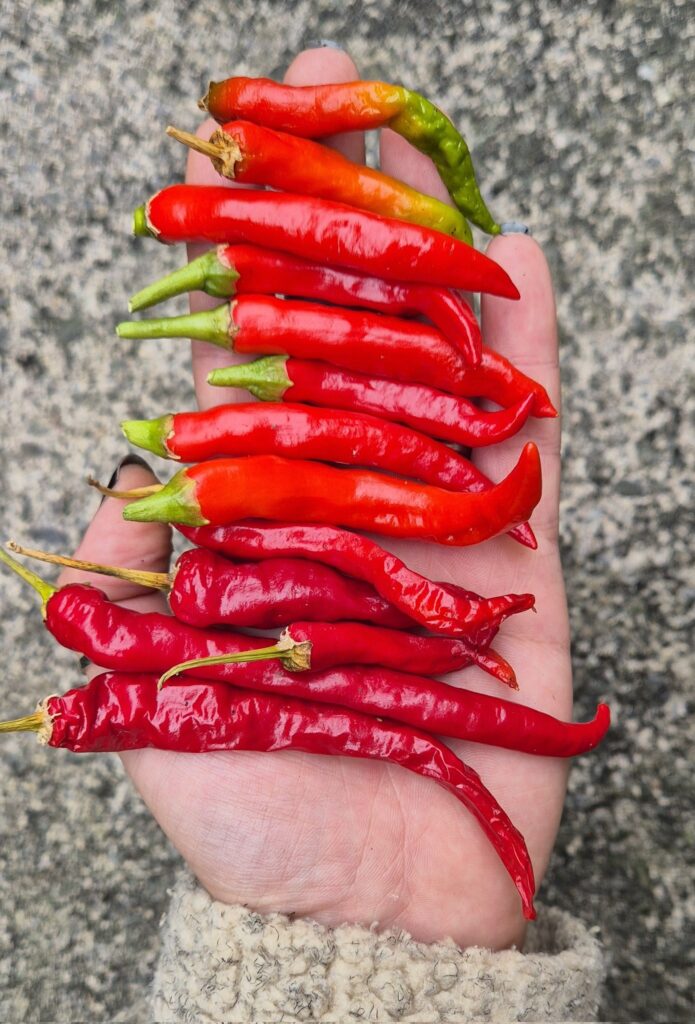
Watering and Fertilizer Application on Chilli Farming in Kenya
Consistent watering is key. Water deeply immediately after transplanting, then regularly to keep the soil moist but not soggy. In hot, dry weather, water every two to three days. In cooler weather, once a week may suffice. Drip irrigation is the best method as it saves water and keeps leaves dry, preventing disease. Signs of overwatering include yellowing leaves, leaf drop, and a general wilted appearance even when the soil is wet, often leading to stunted growth or root rot.
Chillies require a balanced diet, with particular need for potassium and phosphorus during flowering and fruiting. At planting, apply DAP or NPK 17:17:17 to support root and shoot development. After three to four weeks, top-dress with CAN to boost leaf growth. A second top-dressing at the start of flowering should use a fertilizer higher in potassium, like NPK 23:13:13 or Sulphate of Potash. Foliar feeds with micronutrients such as calcium and boron are beneficial during flowering and fruiting. Tomato feed, which is high in potassium, is suitable for chilli plants during the fruiting stage.
Weed, Pest, and Disease Management on Chilli Farming in Kenya
Keep the farm weed-free, especially in the first two months, as weeds compete for nutrients and water. Common pests include aphids, thrips, whiteflies, and fruit borers. Use recommended insecticides, with neem extract serving as an organic option. Common diseases are damping-off, bacterial wilt, powdery mildew, and anthracnose. Prevention involves using certified seeds, practicing crop rotation, applying fungicides when necessary, and avoiding overhead watering.
Pruning, Staking, and Plant Care on Chilli Farming in Kenya
Light pruning benefits chilli plants. Remove the first few flowers to allow the plant to establish more vegetative growth. Pinch off the growing tip when the plant is about thirty centimetres tall to encourage bushier growth with more fruiting points. Regularly remove any diseased or damaged branches. For tall varieties, use stakes to support the plant, especially when it is heavy with fruit.
Harvesting, Expected Yield, and Post-Harvest Handling on Chilli Farming in Kenya
The time to harvest depends on the variety. Fast-maturing types like Bird’s Eye are ready in two to three months from transplanting. Medium varieties like Jalapeño or Demon take three to four months. Large sweet peppers like California Wonder require three and a half to four and a half months.
Yield per plant varies greatly. A well-managed Bird’s Eye plant can produce one hundred to two hundred fruits per season, while a large-fruited hybrid may yield twenty to fifty fruits. In weight, a good Bird’s Eye plant can give half a kilogram to one kilogram of fresh chillies. A robust Demon or hybrid plant can yield one and a half to three kilograms.
For expected yield per acre on chilli farming in Kenya, a conservative estimate uses a plant population of 16,000 plants and an average yield of one kilogram per plant, resulting in 16,000 kilograms of fresh chillies per acre. With excellent management, some farmers report 20,000 to 25,000 kilograms per acre for high-yielding hybrids. The fresh-to-dry ratio is about three to one to five to one, meaning 16,000kg fresh could yield 3,200kg to 5,300kg of dry chillies.
Harvest chillies when they are firm and fully coloured, either green or red. Over-ripe chillies may wrinkle, rot, or attract pests, so regular harvesting every five to seven days during peak season is best. Use a sharp knife or scissors to cut the fruit stalk to avoid damaging the plant. Handle fruits carefully to prevent bruising.
After harvest, sort chillies by size, colour, and quality. For the fresh market, pack in clean, ventilated crates. For drying, spread them on clean raised racks in the sun, ensuring proper drying to prevent mould.
Cost of Production and Profit Per Acre Analysis on Chilli Farming in Kenya
This financial breakdown is based on a one-acre chilli farm in Kenya for the 2026 season, assuming a high-yielding hybrid variety like Demon, a plant population of 16,000, an expected fresh yield of 18,000 kilograms, and an average farm-gate price of KSh 80 per kilogram. Prices do fluctuate between KSh 50 and KSh 150 depending on season and quality.
The total cost of production includes several components. Land preparation, including ploughing, harrowing, and applying ten tonnes of manure, costs approximately KSh 25,000. Seeds or seedlings for 16,000 plants require about KSh 20,000. Fertilizers, including DAP, CAN, NPK, and foliar feeds, account for KSh 30,000. Pesticides and fungicides for regular sprays over four to five months cost around KSh 25,000.
Irrigation expenses for water charges, pump fuel, and system maintenance are estimated at KSh 20,000. Labour is a major cost, covering nursery management, transplanting, weeding, spraying, harvesting, and sorting, totalling KSh 70,000. Staking and support materials cost KSh 10,000. Harvesting and packaging, including sacks, crates, and labour, require KSh 15,000. Transport to the market is KSh 10,000, and a miscellaneous contingency fund is KSh 11,250. This brings the total cost of production to KSh 236,250.
Revenue is calculated from an expected yield of 18,000 kilograms sold at KSh 80 per kilogram, generating total revenue of KSh 1,440,000. Therefore, the gross profit per acre is approximately KSh 1,203,750. This figure demonstrates why chilli is considered a highly profitable crop per acre in Kenya. It is a gross profit and does not deduct land rent or permanent irrigation infrastructure costs. Actual profit can be higher with better yield and price or lower if challenges arise.
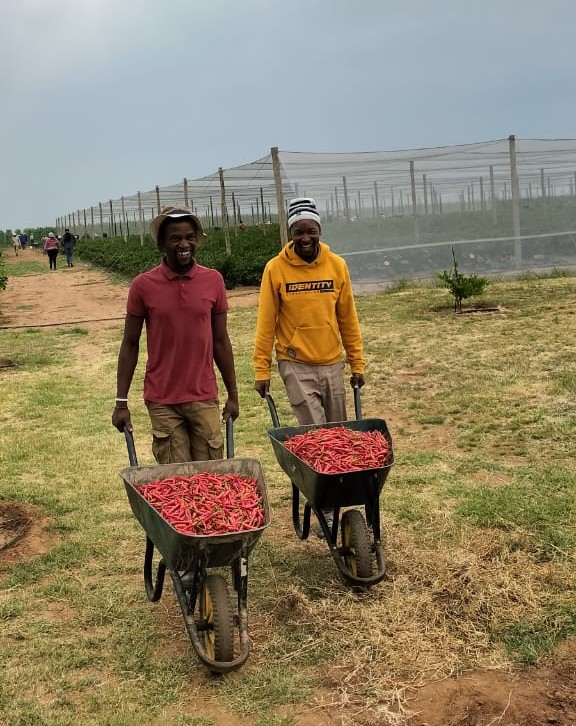
Answers to Common Growing Questions on Chilli Farming in Kenya
Many farmers wonder if chillies come back every year and what the lifespan of a chilli plant is. In Kenya’s climate, chilli plants are usually grown as annuals, completing their life cycle in one season of six to eight months. However, with excellent care and no frost, a plant can live and produce for two to three years as a perennial. Most farmers replant each season for better uniformity and yield.
Regarding winter survival, Kenya does not have a harsh winter. In cooler highland regions, temperatures below 15°C will slow growth significantly, and frost will kill plants. In such areas, planting should be timed to avoid the coldest months.
To make chilli plants grow faster and speed up growth, use a nursery for a strong start, transplant healthy seedlings, ensure optimal soil warmth with mulch, water consistently, apply the right fertilizers on time, and provide maximum sunlight.
Increasing chilli fruit size involves a few techniques. Pruning by removing some flowers and small fruits allows the plant to direct energy to fewer, larger fruits. Ensuring adequate potassium and calcium during fruiting with balanced fertilizer is crucial. Consistent watering avoids drought stress when fruits are swelling, and selecting a variety bred for large fruit size is fundamental.
Concerning planting time, September is at the start of the short rains season in many parts of Kenya and is a good time to plant in the nursery. Seedlings will be ready for transplanting in October, with harvest from January onwards, provided waterlogged conditions during heavy rains are avoided.
Commercialising Production and Contract Farming on Chilli Farming in Kenya
For farmers looking to move from subsistence to commercial production, understanding how to secure contract farming is vital. The first step is to produce consistently, building a reputation for quality and reliability on a small scale. Forming or joining a farmer group or cooperative makes you more attractive to buyers and processors, as groups can aggregate produce to meet large volume demands.
Approach potential off-takers such as food processing companies, export agencies, and large supermarkets. Companies involved in sauce making or export sometimes seek contracts. Explore NGO and government programs that facilitate market linkages for horticultural farmers, often coordinated through county agriculture offices.
Having a clear business plan is essential when approaching financiers or partners. A well-structured chilli farming business plan should outline your costs, production plan, and market strategy.
Conclusion: Your Path to Profitable Chilli Farming
Chilli farming in Kenya presents a clear and attainable opportunity for financial growth. As outlined in this guide, achieving success hinges on three core pillars: precise variety selection, meticulous crop management, and strict financial control. Choosing between a hardy African Bird’s Eye for the drying market or a high-value Pilipili Hoho for fresh sales is your first critical decision. From there, adhering to the detailed steps on spacing, irrigation, and fertilization forms the backbone of a good harvest.
While the projected profit of over one million shillings per acre is a powerful incentive, it is a reward reserved for diligent managers. The journey is best started modestly. Begin with a portion of an acre to master the unique challenges of the crop, from pest cycles to optimal harvest timing, before scaling up your operation.
This guide serves as a comprehensive manual for your venture. For decisions specific to your sub-county, such as soil amendments or local pest outbreaks, your local agricultural extension officer is an indispensable partner. Their on-the-ground knowledge is irreplaceable. For the latest official research, variety recommendations, and pest advisories, always refer to authoritative sources like the Kenya Agricultural and Livestock Research Organization (KALRO).
With dedication, careful planning, and the right information, your chilli farming business can indeed become a thriving and profitable cornerstone of your agricultural activities.
https://farmerstrend.co.ke/trending/chilli-farming-in-kenya-profit-guide/https://farmerstrend.co.ke/wp-content/uploads/2026/02/GZ3pqy8W0AEhAT3-695x1024.jpeghttps://farmerstrend.co.ke/wp-content/uploads/2026/02/GZ3pqy8W0AEhAT3-150x150.jpeg# TrendingChili FarmingIntroduction to Chilli Farming in Kenya Chilli farming in Kenya is a growing agribusiness. Many farmers are turning to chillies due to strong market demand and a favourable financial return per acre. This guide by Farmers Trend Ltd. provides clear, practical steps for Kenyan farmers. You will learn how to...FarmersTrendjohn doefarmerstrend@gmail.comAdministratorFarmers Trend Ltd.








New start in venturing in chili peppers farming, and focusing to influence my community, so that I influence to raise up their economic activity, as part their alternative cash crop of tea growing plant for many decades as their first cash crop farming dependable to sustain and improving their standards of living. And as I am introducing chili to my community, it will directly improve small utizations for more income.