Researchers turn to satellite technology to curb the fall armyworm menace in Kenya
For many years, Catherine Mwanzia, a farmer from Masii ward, Machakos county, has battled pest infestations on her maize farm.

But none has been as devastating as the fall armyworm.
“I have been farming for many years and encountered many challenges,” she said.
“The biggest one has been pests. They eat everything and controlling them costs us so much money because we have to keep buying chemicals.”
The pest can wipe out an entire maize field.
“To avoid total losses, I used ash to control it since chemicals were too expensive for me. But it was time consuming because I had to apply the ash on each plant.”
Despite her efforts, the method was exhausting and largely ineffective, as she still suffered significant losses.
She has now adopted better pest control practices thanks to training from researchers at the Kenya Agricultural and Livestock Research Organisation (Kalro). They include how to scout for pests and which biocontrol is available in the market.
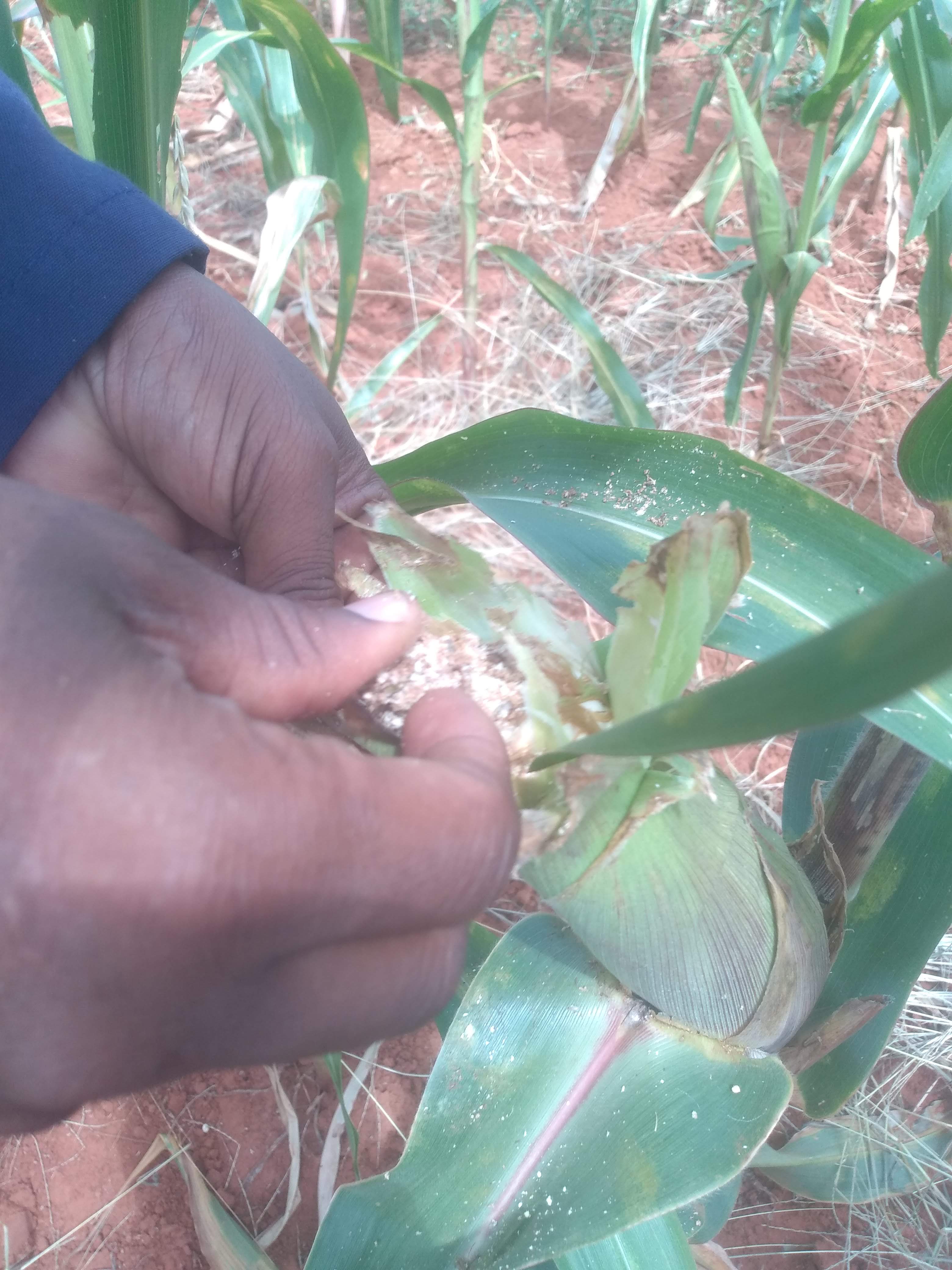
Mwanzia is among farmers who have benefited from a pest management programme run by Kalro in partnership with the Korean government under the Korea-Africa Food & Agriculture Cooperation Initiative (Kafaci).
“Before, I could harvest less than five bags per acre, but after working with the agricultural officers, I harvested more than 10 bags, and this was a huge difference.”
Through the initiative, farmers are trained on integrated pest management to reduce overreliance on chemical pesticides.
“We were taught how to plant, manage the crops and control pests without depending on chemicals,” she said.
“Now, we share what we’ve learned with our neighbours.”
Dr Kasina Muo, a researcher at Kalro, said the fall armyworm has become one of the most destructive pests on the continent, affecting nearly all maize-growing areas in Kenya.
The fall armyworm invaded Kenya in 2017 and has since ravaged maize farms across the country, leaving many farmers counting losses.
“This pest has been a very serious problem since 2017,” he said.
“You can hardly grow maize today without using pesticides.”
He said overuse of pesticides poses major risks to human health, wildlife and the environment. The Kafaci programme, he explained, focuses on promoting biological control methods.
“Every living organism has a natural enemy and so do pests,” he said.
“We are using beneficial fungi and parasitoid wasps that attack the fall armyworm. Some wasps lay eggs on the pest’s larvae and when they hatch, they kill it.”
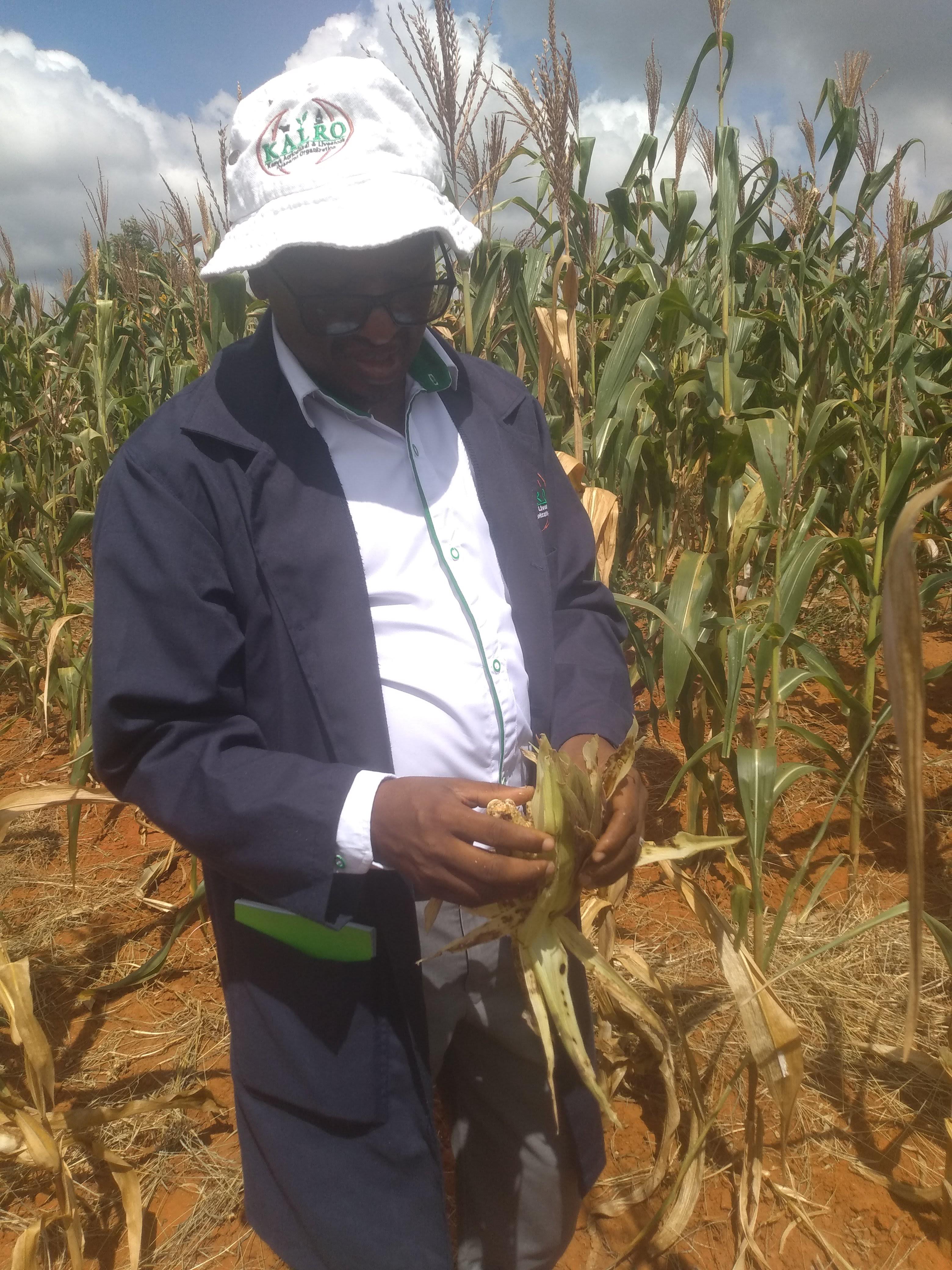
Credit: Agatha Ngotho
https://farmerstrend.co.ke/trending/researchers-turn-to-satellite-technology-to-curb-the-fall-armyworm-menace-in-kenya/https://farmerstrend.co.ke/wp-content/uploads/2025/11/1c6a67a3-5227-43bc-902e-bd3e15ccf6f3-1024x768.jpghttps://farmerstrend.co.ke/wp-content/uploads/2025/11/1c6a67a3-5227-43bc-902e-bd3e15ccf6f3-150x150.jpg# TrendingFor many years, Catherine Mwanzia, a farmer from Masii ward, Machakos county, has battled pest infestations on her maize farm.But none has been as devastating as the fall armyworm.“I have been farming for many years and encountered many challenges,” she said.“The biggest one has been pests. They eat everything...FarmersTrendjohn doefarmerstrend@gmail.comAdministratorFarmers Trend Ltd.











Leave a Reply