Agribusiness Talk: Understanding Seed Costs and Their Impact on Farming
- Explore how seed costs impact farming profitability. Understand the breakdown of seed costs for crops like tomatoes, onions, maize, and cabbages, and learn strategies to optimize yields for better returns.
- Wondering if seed costs are limiting your farming success? Dive into an in-depth analysis of seed costs and discover how maximizing yields can reduce their impact on your overall profits.
- Learn how to manage seed costs effectively in your farming operations. This guide covers the cost-benefit analysis of various crops, helping you optimize your agricultural investments.
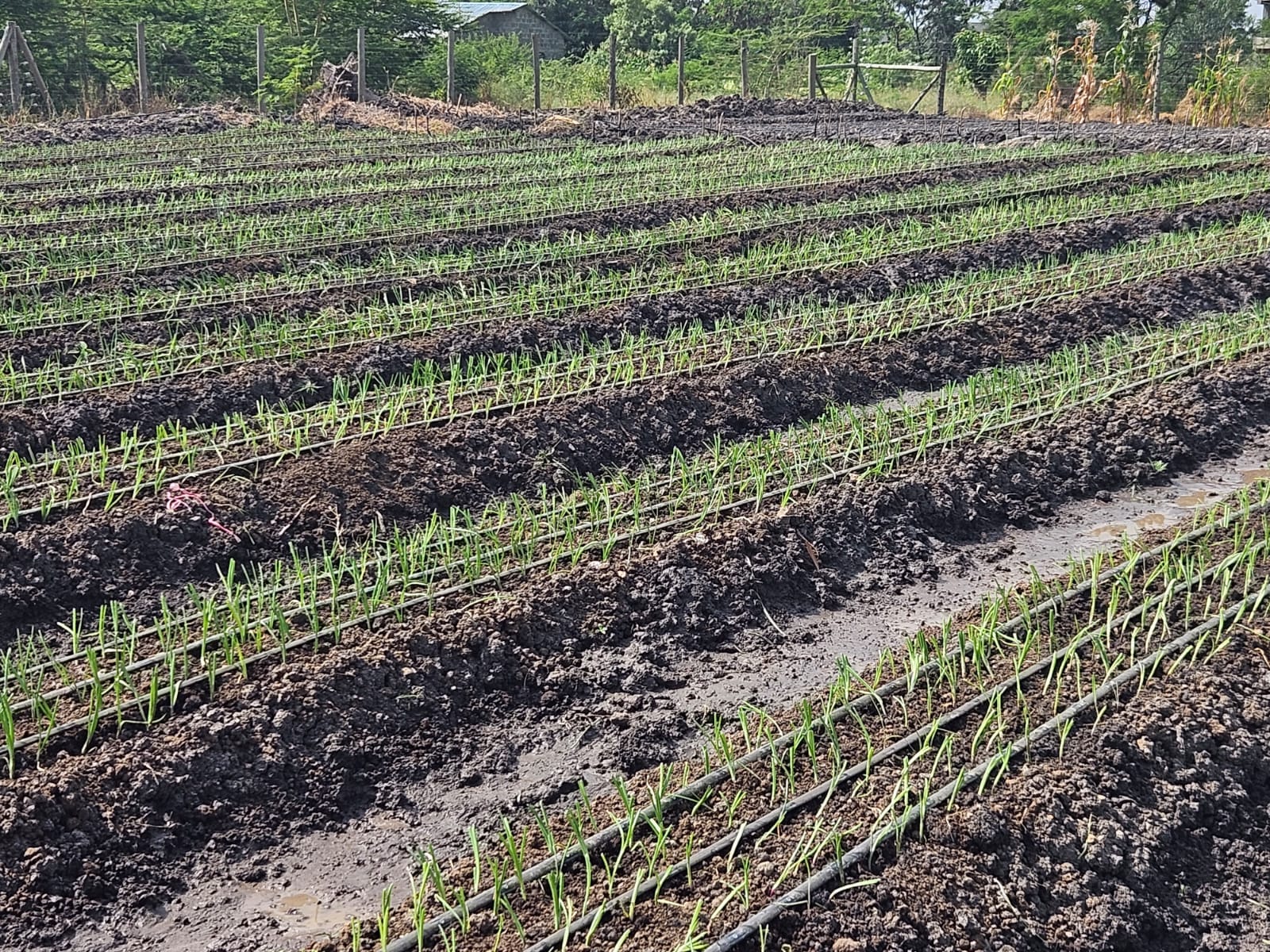
In the world of agriculture, every input counts, and seed cost is a crucial factor that can influence the profitability of a farm. But can the price of seeds really be a limiting factor for farmers? To explore this, we delve into the experiences and insights shared by David Ndegwa, a seasoned farmer, who has spent years cultivating various crops and optimizing his farming practices. In this article, we will analyze the costs associated with different crops—tomatoes, onions, maize, and cabbages—and how these costs impact overall farm profitability.
The Cost of Tomato Seeds: A Detailed Analysis
Tomatoes are a popular crop for many farmers, but how does the cost of tomato seedlings stack up against potential earnings? According to David, the average cost of a hybrid tomato seedling is approximately Ksh 5. While this may seem like a small amount, let’s break down the numbers to see if it truly is.
Tomato Spacing and Plant Population:
- Ideal spacing for tomatoes is 1m by 0.4m, resulting in a population of about 10,000 plants per acre.
- However, David prefers a spacing of 1.5m by 0.4m, which accommodates around 6,666 plants per acre.
David emphasizes that plants that tiller or produce suckers, such as tomatoes, require wider spacing. This reduces the overall number of seedlings needed, thereby lowering the initial seed investment.
Yield Potential:
- A well-maintained tomato plant can produce up to 130 flowers, with an average yield of 8 kg per plant.
- Taking a conservative estimate, a yield of 3 kg per plant is achievable for any serious farmer.
- With an average market price of Ksh 30 per kg, this translates to Ksh 90 per plant.
Cost-Benefit Analysis:
- The cost of a seedling (Ksh 5) as a percentage of the gross income per plant (Ksh 90) is approximately 5.5%.
- David concludes that this percentage is relatively low, indicating that the cost of tomato seedlings is not prohibitive when compared to potential earnings.
Onions: A Costly Endeavor?
Onions are another staple crop, but they present a different financial landscape. David explores the costs and returns associated with onion farming, particularly when purchasing seedlings versus growing them in a nursery.
Seedling Costs and Yields:
- If a farmer purchases 250,000 onion seedlings at Ksh 1 per seedling, the total cost is Ksh 250,000.
- With proper care, these seedlings can yield up to 15 tons per acre.
Revenue Potential:
- Assuming an average price of Ksh 50 per kg, the total revenue would be Ksh 750,000.
- However, the percentage cost of seeds relative to the gross income is a significant 33%.
Growing Your Own Seedlings:
- For those who opt to grow their own seedlings, the cost is reduced. With a 60% germination rate from seeds costing Ksh 50,000 per kg, the cost per seedling drops to Ksh 0.33.
- This lowers the percentage cost to around 16%, making it a more viable option for farmers with the capability to manage their own nurseries.
Maize: A High-Cost Seed Investment
Maize is a staple crop in many regions, but it also comes with high seed costs. David examines the financial implications of planting maize.
Cost and Yield Analysis:
- Last season, a kilogram of maize seed cost Ksh 1,400. For one acre, 10 kg of seed is sufficient, costing Ksh 14,000.
- With an average yield of 15 bags per acre, each bag selling at Ksh 3,000, the total revenue is Ksh 45,000.
Seed Cost Percentage:
- The seed cost accounts for 31% of the gross income, a substantial percentage that highlights the high initial investment required for maize farming.
Cabbages: A Middle Ground
Cabbages, particularly the Gloria variety, offer a more moderate seed cost when compared to onions and maize.
Cost-Benefit Analysis:
- The average cost of a cabbage seedling is Ksh 2, with an average farm gate price of Ksh 15 per head.
- This results in a seed cost percentage of approximately 13.3%, making cabbages a more balanced option in terms of seed investment versus return.
Conclusion: Yield as the Game Changer
David Ndegwa’s analysis across different crops reveals that while seed costs can be significant, they are not the sole determinant of profitability. The real game changer lies in yield optimization. Farmers must focus on maximizing production per unit area to reduce the relative cost of seeds and other inputs.
David concludes with a critical point: while farmers may not have control over seed prices, fertilizer costs, or chemical expenses, they do have control over their yields. Therefore, rather than cutting costs, farmers should aim to optimize inputs to achieve the highest possible yields.
Final Thoughts
Agriculture is not just about cost-cutting; it’s about input optimization. By understanding the relationship between seed costs and yields, farmers can make informed decisions that enhance their profitability. As David Ndegwa wisely advises, focus on what you can control—your yields—and let that drive your farming success.
Follow David Ndegwa on Facebook
https://farmerstrend.co.ke/trending/understanding-seed-costs/https://farmerstrend.co.ke/wp-content/uploads/2024/08/Understanding-Seed-Costs-and-Their-Impact-on-Farming-1024x768.jpghttps://farmerstrend.co.ke/wp-content/uploads/2024/08/Understanding-Seed-Costs-and-Their-Impact-on-Farming-150x150.jpg# TrendingAgribusiness,agricultural economics,agricultural inputs,agronomic practices,Cabbage farming,chemical costs,cost of seeds,crop investment,crop spacing,crop value,crop yields,farm gate prices,farm management,farming expenses,farming profitability,farming strategies,fertilizer costs,high-yield farming,hybrid seeds,input optimization,maize production,onion farming,seed costs,seed price analysis,seedling cost percentage,seedling germination,seedling transplanting,sustainable farming,tomato seedlings,Yield OptimizationExplore how seed costs impact farming profitability. Understand the breakdown of seed costs for crops like tomatoes, onions, maize, and cabbages, and learn strategies to optimize yields for better returns. Wondering if seed costs are limiting your farming success? Dive into an in-depth analysis of seed costs and...FarmersTrendjohn doefarmerstrend@gmail.comAdministratorFarmers Trend Ltd.









Leave a Reply