Why Your Avocado Fruits Have a Corky, Net-like Pattern: A Global Issue for a Growing Industry
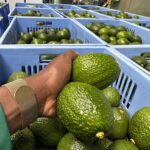
If you’ve noticed a corky, net-like pattern on the skin of your avocado fruits, you’re not alone. This unusual and often frustrating condition is a result of an infection caused by the fungus Sphaceloma perseae, the culprit behind what is known in the agricultural world as corky fruit spot. While the infection doesn’t impact the internal pulp of the avocado, it has serious implications for the commercial value of the fruit—especially for farmers growing for export or high-end local markets.

🍃 What Causes the Corky Pattern?
The distinctive net-like surface seen on infected avocados forms as a result of the tree’s own defense mechanism. Once the Sphaceloma perseae fungus infects the developing fruit, the plant responds by producing a specialized tissue called the periderm, which effectively replaces damaged epidermal cells and seals off the affected area to limit the spread of the pathogen.
This periderm is made up of three layers:
- Cork (phellem) – A tough outer barrier filled with suberin, a waxy substance that repels water and blocks microbial intrusion.
- Cork cambium (phellogen) – The meristematic tissue responsible for producing cork cells.
- Phelloderm – The inner layer that supports structural integrity.
Each tiny infection site initiates its own cork formation, and the result is a patchwork or net-like appearance that is easy to spot on mature avocado fruits.
🌱 When and How Does Infection Happen?
The fungus attacks the fruit in its early developmental stages, often right after fruit set. Unfortunately, the symptoms usually don’t appear until the fruit matures, making early detection difficult. The infection can remain latent, meaning farmers may not realize their trees are affected until it’s too late to act.
During the plant’s response to infection, programmed cell death (PCD) occurs at the site of fungal penetration. The surrounding cells also deposit lignin and suberin—two structural compounds that reinforce and seal off the damaged tissue. This combination of defense responses is what gives infected avocado skin its rough, geometric look.
Interestingly, this corky tissue response is not unique to avocados. Similar symptoms have been documented in other fruits such as apples and grapes, although the pattern in avocados is more distinct and widespread due to the fruit’s unique skin anatomy.
💸 Economic and Quality Implications
Though corky spot doesn’t degrade the inner fruit, it renders avocados unsuitable for premium export markets, where appearance is a key quality determinant. For farmers, this translates to:
- Lower prices for grade B or rejected fruit
- Higher post-harvest losses
- Reduced competitiveness in international markets
This is particularly damaging in regions like Kenya, where exporters are targeting high-value markets such as the USA, Europe, and China, which demand pristine-looking produce.
🧑🌾 Best Practices for Prevention and Control
Managing corky spot requires an integrated approach to orchard hygiene, monitoring, and environmental management. Here are key steps:
- Sanitation: Remove and destroy infected fruits and leaf litter from under trees to reduce fungal spores.
- Canopy Management: Prune trees regularly to allow airflow and light penetration, which reduces humidity levels conducive to fungal growth.
- Monitoring: Regularly scout orchards for early signs of disease, especially during wet or humid seasons.
- Fungicide Use: In commercial orchards, targeted fungicide sprays during early fruit development may be used under expert guidance.
- Resistant Varieties: Where available, plant cultivars known for higher resistance to corky spot.
🌍 A Global Issue for a Growing Industry
With global demand for avocados rising—particularly in North America and Asia—the stakes are high. Producers like Kakuzi PLC and other major exporters are pushing for increased access to premium markets like the USA, which consumed 1.3 million metric tonnes of avocado in 2024 alone.
But these markets have strict cosmetic standards. Understanding and preventing corky spot is essential for growers who want to meet these expectations and secure better prices.
✅ Conclusion
The corky, net-like pattern on avocado fruits may seem like a purely cosmetic flaw, but it reflects a deep and active defense response by the plant. While it helps protect the fruit from further damage, it also lowers its marketability.
Farmers must stay proactive, combining science-based knowledge with good agricultural practices to reduce incidence rates and maintain the quality of their avocado crops.
With the right approach, corky fruit spot can be managed effectively—helping farmers preserve both the health of their orchards and the economic viability of their harvest.
https://farmerstrend.co.ke/trending/why-your-avocado-fruits-have-a-corky-net-like-pattern-a-global-issue-for-a-growing-industry/https://farmerstrend.co.ke/wp-content/uploads/2025/04/1743363507821-768x1024.jpeghttps://farmerstrend.co.ke/wp-content/uploads/2025/04/1743363507821-150x150.jpeg# TrendingDiseasesIn FruitsIf you've noticed a corky, net-like pattern on the skin of your avocado fruits, you're not alone. This unusual and often frustrating condition is a result of an infection caused by the fungus Sphaceloma perseae, the culprit behind what is known in the agricultural world as corky fruit spot....FarmersTrendjohn doefarmerstrend@gmail.comAdministratorFarmers Trend Ltd.









Leave a Reply