Chayote Farming in Kenya: Complete 2026 Guide on Cost, Profit Per Acre & Growing
Chayote Farming in Kenya: A Complete Guide for High Profit
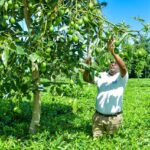
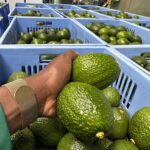
Chayote farming in Kenya is a profitable venture that is gaining popularity among small scale and large scale farmers. Known locally as shushu or christophine, chayote is a vine plant that produces a green, pear shaped fruit. This guide provides a detailed look at how to succeed in chayote farming in Kenya. We will answer all common questions, from planting to profit, and give you a clear step by step plan.

Understanding Chayote: Is it a Fruit or Vegetable?
First, many people ask, is chayote a fruit or vegetable? Botanically, chayote is a fruit because it contains a seed and develops from the flower of the plant. However, in cooking, it is used as a vegetable. It is mild in taste and can be eaten raw in salads, stir fried, steamed, or added to stews. Its versatility makes it a popular item in Kenyan markets.
Can Chayote Grow in Kenya? Ecological Conditions
Yes, chayote is grown successfully in Kenya, particularly in the high rainfall areas of the Central, Eastern, and Western regions. The plant thrives under specific conditions.
Climate: Chayote grows best in warm, frost free climates. The ideal chayote growing temperature is between 15°C and 25°C. It can tolerate a hot climate if it has enough water, but extreme heat can stress the plant. Can chayotes survive cold places? No, it cannot survive frost or prolonged cold. Temperatures below 10°C will damage the vine and kill the plant.
Rainfall and Water: The plant needs consistent moisture. An area with well distributed rainfall of 1500mm to 2000mm per year is ideal. How often should I water chayote? In drier periods, you must water deeply at least twice a week. The soil should remain moist but not waterlogged.
Soil: Chayote prefers deep, well drained, fertile soil rich in organic matter. Sandy loam or loamy soils with a slightly acidic to neutral pH (5.5 to 7.0) are perfect.
Sunlight: Does chayote like sun or shade? Chayote vines need full sun to produce a good yield. A minimum of 6 hours of direct sunlight is required. However, in very hot areas, some light afternoon shade can prevent scorching.
Step by Step Planting Guide for Chayote Farming in Kenya
Step 1: Planting Material and Timing
Chayote is grown from a mature fruit. Select a healthy, fully mature fruit that is firm and has begun to sprout. What is the best month to plant chayote? The best time is at the beginning of the long rains, from March to April. This gives the plant enough water to establish strong roots.
Step 2: Land Preparation and Spacing
Prepare the land by deep ploughing. Incorporate plenty of well rotted manure or compost into the soil. Chayote planting distance is crucial because the vines spread widely. The recommended spacing is 3 meters between plants and 4 to 5 meters between rows. This gives a plant population per acre of about 330 to 400 plants. This wide spacing allows each vine enough space to climb and spread on a strong trellis system.
Step 3: Planting and Trellising
Plant the whole fruit on its side, with the broad end slightly tilted down. Bury about two thirds of the fruit in a mound of soil, leaving the sprouted end exposed. Building a trellis is non negotiable. You must construct a strong overhead trellis system, about 2 meters high, using posts and wires. The vines will climb and spread on this trellis, which improves air circulation, makes pest control easier, and results in straighter, cleaner fruits.
Care and Management for Maximum Yield on Chayote Farming in Kenya
Fertilizer: What is the best fertilizer for chayotes? Chayote is a heavy feeder. At planting, use a handful of DAP or NPK fertilizer mixed with the soil. During the growing season, apply top dressing with CAN or NPK fertilizer every 3 months. Regular application of compost or manure around the base of the plant is highly beneficial.
Watering: Maintain consistent soil moisture, especially during flowering and fruit development. Drip irrigation is highly effective for chayote farming in Kenya.
Pruning: When to prune chayote? Prune to control excessive vegetative growth and direct the plant’s energy into fruit production. Remove some of the lateral vines and any dead or diseased growth. Pruning is best done after the main harvest or during the drier season.
Pollination: Chayote vines produce both male and female flowers. They are mainly pollinated by insects like bees. If your chayote is not fruiting, it could be due to poor pollination, excess nitrogen fertilizer (which causes too many leaves and no fruit), or lack of sunlight.
Growth Timeline, Harvesting, and Yield on Chayote Farming in Kenya
How long does it take to grow chayote? From planting, it takes about 4 to 5 months for the vine to start flowering. The first fruits are ready for harvest 5 to 6 months after planting.
What is the lifespan of a chayote plant? A well cared for chayote vine is a perennial. It can remain productive for 3 to 5 years before it needs to be replaced. After the main season, it will continue to produce smaller flushes of fruit.
Expected Yield: A single healthy chayote vine can produce 200 to 500 fruits per year. For an acre with 350 vines, the expected yield per acre can range from 70,000 to over 150,000 fruits. In weight, this translates to approximately 10,000 to 20,000 kilograms per acre per year, as an average fruit weighs 150-300 grams.

Cost of Production and Profitability Maths on Chayote Farming in Kenya
Let us analyze the potential of chayote farming profit per acre over a 3 year period.
Initial Establishment Cost (Year 1):
- Land Preparation & Trellis System: Ksh 80,000
- Planting Material (350 fruits): Ksh 10,000
- Manure & Fertilizer (Year 1): Ksh 30,000
- Labour & Pest Control: Ksh 40,000
- Total Year 1 Cost: Ksh 160,000
Annual Production Cost (Years 2 & 3): (Trellis is already built)
Fertilizer, Labour, Maintenance: Ksh 70,000 per year
Revenue Calculation:
- Conservative Yield: 12,000 kg per acre per year.
- Chayote price in Kenya today varies from Ksh 50 to Ksh 100 per kg at the farm gate. We use a low average of Ksh 60/kg.
- Annual Revenue: 12,000 kg x Ksh 60 = Ksh 720,000.
Profit Over 3 Years:
- Year 1 Profit: Ksh 720,000 – Ksh 160,000 = Ksh 560,000
- Year 2 & 3 Profit (each): Ksh 720,000 – Ksh 70,000 = Ksh 650,000 each year.
- Total 3-Year Profit: Ksh 560,000 + Ksh 650,000 + Ksh 650,000 = Ksh 1,860,000.
This high return per acre makes chayote a strong candidate when farmers ask which crop has the highest profit per acre in Kenya.
Market and Challenges
Chayote Market in Kenya: The demand is steady in urban markets like Nairobi, Nakuru, and Mombasa. It is sold in major supermarkets and local grocery stalls. Why is chayote so expensive? Its price is relatively high due to its perishability, the labour required for trellising and harvesting, and its year round demand against seasonal supply fluctuations.
Common Problems:
- Why does my hand feel weird after cutting chayote? The sap from the vine and fruit can cause a temporary, mild numbness or skin irritation in some people. Wear gloves when handling and cutting.
- Pests: Aphids, fruit flies, and mites. Control with recommended pesticides.
- Diseases: Powdery mildew and root rot. Ensure good spacing and avoid waterlogging.
What not to plant with chayote? Avoid planting other vigorous climbers or large trees nearby that will compete for light, water, and nutrients.
Health and Consumption
What will happen if I eat chayote every day? It is a healthy, low calorie vegetable rich in fiber, vitamin C, and folate. Eating it regularly can aid digestion. Can you drink chayote water? Yes, boiling chayote pieces in water to make a tea is a traditional practice believed to have health benefits, including managing blood pressure.
Conclusion
Chayote farming in Kenya is a viable and highly profitable long term agricultural business. It requires an initial investment in a strong trellis and consistent management. However, for farmers in suitable climates, the financial returns are exceptional. By following the guidelines on spacing, trellising, and fertilization, you can achieve high yields for 3 to 5 years from a single planting. Start by securing good planting fruits, prepare your trellis properly, and you can tap into the growing market for this nutritious and versatile vegetable. For a detailed chayote farming pdf guide, check resources from the Ministry of Agriculture or reputable agricultural training centers.
https://farmerstrend.co.ke/trending/chayote-farming-in-kenya-profit-guide/https://farmerstrend.co.ke/wp-content/uploads/2026/02/Chayote-Farming-in-kenya-2026.jpghttps://farmerstrend.co.ke/wp-content/uploads/2026/02/Chayote-Farming-in-kenya-2026-150x150.jpg# TrendingChayote FarmingChayote Farming in Kenya: A Complete Guide for High Profit Chayote farming in Kenya is a profitable venture that is gaining popularity among small scale and large scale farmers. Known locally as shushu or christophine, chayote is a vine plant that produces a green, pear shaped fruit. This guide provides a detailed look...FarmersTrendjohn doefarmerstrend@gmail.comAdministratorFarmers Trend Ltd.










Leave a Reply