Kenya’s Avocado Revolution: Growth, Challenges, and Opportunities in a Thriving Export Industry
Kenya has firmly established itself as the leading producer of avocados in Africa, earning its place among the top global producers. This thriving sector has become a major contributor to the country’s economy, offering opportunities for smallholder farmers, large-scale exporters, and international investors alike.
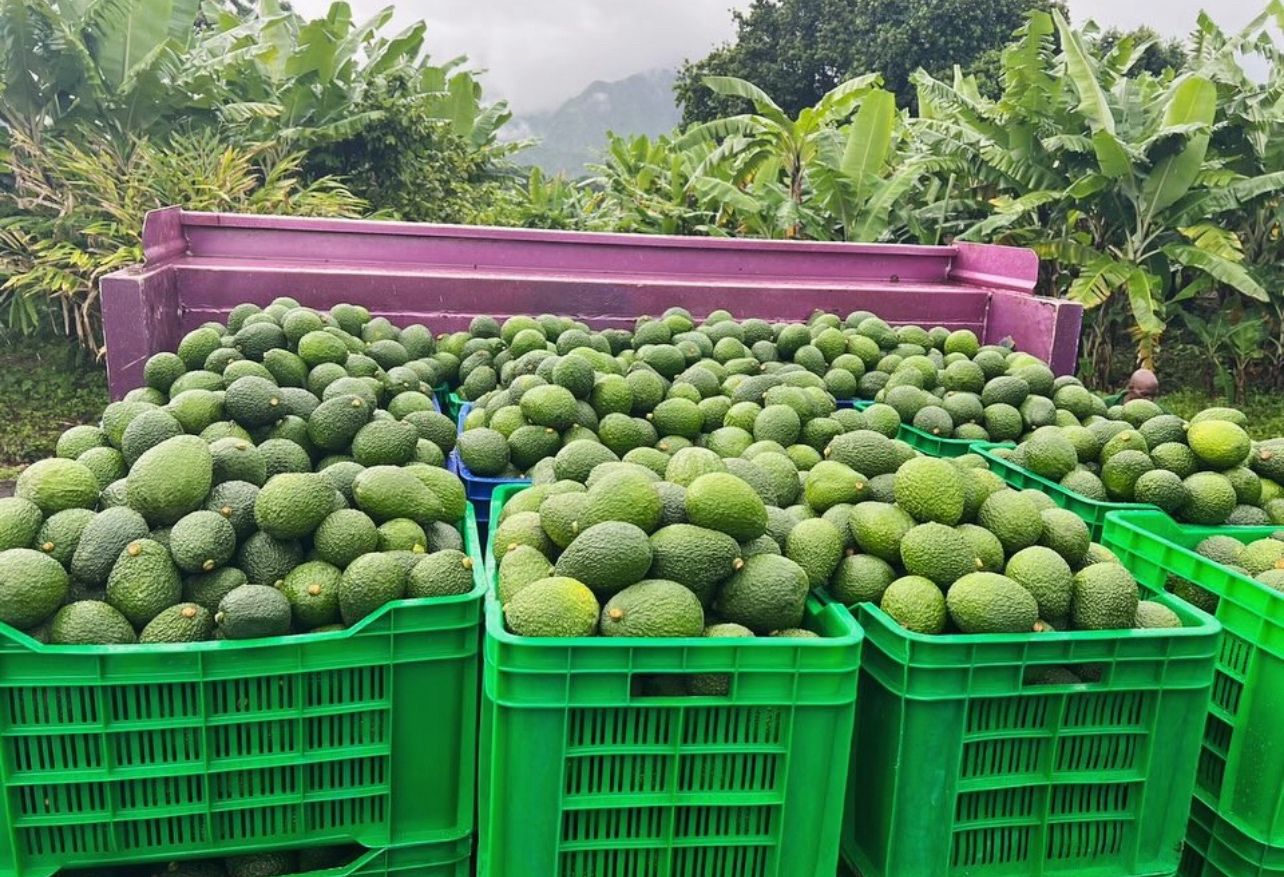
Below, we explore the in-depth dynamics of Kenya’s avocado industry, its success factors, and the challenges it faces.
Key Statistics
Kenya’s avocado industry has witnessed remarkable growth over the past decade, cementing its position as a global powerhouse in avocado production.
- Annual Production: Kenya produces approximately 416,803 tonnes of avocados annually (as of 2021). This figure has grown steadily due to increased cultivation and improved farming practices.
- Global Ranking: Kenya is ranked among the top 10 global avocado producers and leads Africa in production. The country’s avocados are particularly favored in international markets due to their quality, flavor, and consistency in supply.
- Export Growth: Kenya’s avocado exports account for over 80% of Africa’s total avocado shipments. In 2022 alone, the country generated billions in foreign exchange revenue from avocado exports, making the crop a critical pillar of Kenya’s agricultural export portfolio.
Popular Avocado Varieties in Kenya
Kenyan farmers grow several avocado varieties, with two dominating both local and export markets:
Hass Avocado
- Export Dominance: Hass avocado is the most sought-after variety in international markets. Its long shelf life and ability to withstand long shipping durations make it a favorite among exporters.
- Market Share: This variety constitutes a significant portion of Kenya’s avocado exports, finding its way to markets in Europe, the Middle East, and Asia.
- Characteristics: Hass avocados have a dark, bumpy skin that turns purplish-black when ripe, alongside a rich, creamy texture.
Fuerte Avocado
- Local and Export Markets: While mostly consumed in the local market, Fuerte avocados are also exported to niche markets.
- Characteristics: Fuerte avocados are known for their smooth green skin and buttery texture. They are less robust in terms of shelf life but are valued for their excellent taste.
Leading Growing Regions in Kenya
Kenya’s avocado-growing regions benefit from fertile soils, favorable climates, and altitudes suitable for avocado cultivation. Below are the leading regions:
1. Central Kenya
- Counties: Murang’a, Kiambu, Nyeri, and Kirinyaga.
- Attributes: These counties have fertile volcanic soils, consistent rainfall, and moderate temperatures, creating ideal conditions for avocado farming.
- Key Contribution: Central Kenya accounts for the largest share of the country’s avocado production, driven by smallholder farmers.
2. Rift Valley
- Counties: Nakuru, Bomet, and parts of Uasin Gishu.
- Attributes: Emerging as a hub for commercial avocado farming, this region is attracting significant investment due to its conducive climate and expansive arable land.
3. Western Kenya
- Counties: Kakamega, Kisii, and Bungoma.
- Attributes: Known for smaller-scale avocado farming, this region is making steady contributions to Kenya’s avocado industry.
Export Markets
Kenya exports avocados to over 60 countries, with the European Union (EU) being the largest consumer. The key destinations include:
- Europe:
- Major markets: The Netherlands, France, Spain, and Germany.
- The EU collectively absorbs over 60% of Kenya’s avocado exports. The demand for Hass avocados in Europe has skyrocketed, further solidifying Kenya’s market share.
- Middle East:
- Countries: United Arab Emirates (UAE), Saudi Arabia, and Qatar.
- The Middle East is a growing market for Kenyan avocados, driven by increasing health consciousness and demand for premium produce.
- Asia:
- Countries: China and India.
- China’s emerging middle class has contributed to rising demand for avocados, positioning Asia as an important growth frontier for Kenyan exports.
Challenges Facing Kenya’s Avocado Industry
Despite its success, the avocado sector in Kenya faces several challenges that need to be addressed to ensure sustainable growth.
1. Pest and Disease Management
- Key Threats: Pests like thrips and diseases such as anthracnose and root rot significantly affect yields.
- Solutions: Farmers are being trained on Integrated Pest Management (IPM) techniques, which combine biological, cultural, and chemical controls.
2. Market Access
- Challenges: Export markets impose strict quality and phytosanitary standards, which smallholder farmers often struggle to meet.
- Certifications: Exporters must comply with certifications like Global GAP, which guarantee adherence to international agricultural practices.
3. Climate Change
- Impact: Erratic weather patterns, including prolonged droughts and flooding, disrupt avocado production cycles.
- Mitigation Strategies: Farmers are adopting water-efficient farming methods, agroforestry practices, and the use of drought-resistant avocado varieties.
Initiatives to Boost Production
To address these challenges and enhance productivity, various stakeholders have undertaken initiatives to support the avocado sector.
1. Government Support
- Subsidized distribution of high-quality avocado seedlings to smallholder farmers.
- Training programs on modern avocado farming techniques, such as grafting and post-harvest handling.
2. Private Sector Investment
- Exporters and agribusinesses are partnering with farmers to ensure a consistent supply of export-grade avocados.
- Investments in cold storage facilities and transportation infrastructure to reduce post-harvest losses.
3. Sustainability Efforts
- Promotion of organic avocado farming to meet the demands of premium markets.
- Adoption of eco-friendly practices to ensure environmental conservation.
Opportunities in the Avocado Sector
Kenya’s avocado industry offers numerous opportunities for growth and value addition. Some of the key areas include:
1. Value Addition
- Processing avocados into value-added products like oil, guacamole, cosmetics, and avocado powder.
- Establishing processing plants to cater to both local and export markets.
2. Emerging Markets
- Expanding exports to non-traditional markets such as Russia, South Korea, and Southeast Asia.
- Exploring untapped African markets where avocado consumption is rising.
3. Agro-Tourism
- Promoting avocado farms as tourist destinations for visitors interested in sustainable farming and organic produce.
- Leveraging Kenya’s avocado farms to host events, workshops, and farm-to-table experiences.
Conclusion
Kenya’s leadership in avocado production is a testament to its favorable natural conditions, strategic investments, and commitment to quality. The industry’s robust growth offers immense opportunities for farmers, exporters, and investors. However, addressing challenges such as pest management, climate change, and market access remains crucial for sustaining this momentum.
As Kenya continues to strengthen its position in the global avocado market, the potential for economic transformation through job creation, increased foreign exchange earnings, and improved livelihoods for smallholder farmers is immense. By embracing innovation, sustainability, and strategic partnerships, Kenya’s avocado sector is poised to remain a shining example of agricultural success in Africa and beyond.
https://farmerstrend.co.ke/trending/kenyas-avocado-revolution-growth-challenges-and-opportunities-in-a-thriving-export-industry/https://farmerstrend.co.ke/wp-content/uploads/2025/01/1710399674703-1024x699.jpghttps://farmerstrend.co.ke/wp-content/uploads/2025/01/1710399674703-150x150.jpg# TrendingAvocado Farmingavocado export destinations,avocado export markets,avocado farming challenges,avocado farming opportunities,avocado pests and diseases,avocado production in Kenya,avocado value addition,climate change avocado farming,Fuerte avocado Kenya,hass avocado kenya,Kenya avocado farming,Kenya avocado revolution.,Kenyan avocado industry,Kenyan avocado varieties,sustainable avocado farming KenyaKenya has firmly established itself as the leading producer of avocados in Africa, earning its place among the top global producers. This thriving sector has become a major contributor to the country's economy, offering opportunities for smallholder farmers, large-scale exporters, and international investors alike.Below, we explore the in-depth dynamics...FarmersTrendjohn doefarmerstrend@gmail.comAdministratorFarmers Trend Ltd.






Leave a Reply