Pawpaw Farming in Kenya 2026 The Complete Guide to Earning KSh 4.5 Million Per Acre with Red Lady F1
Pawpaw Farming in Kenya: The 2026 Commercial Blueprint for High-Yield Hybrid Production
Commercial pawpaw farming in Kenya represents a sophisticated agribusiness frontier for the 2026 horticultural season. As global consumers prioritize organic tropical fruits and domestic markets in Nairobi and Mombasa demand higher sugar content, the transition toward technical precision has become mandatory. Success in this venture depends on moving away from local, unpredictable seeds and adopting high-performance F1 hybrids. This guide provides the technical framework required to establish a commercial orchard that maximizes yield while meeting international export standards.
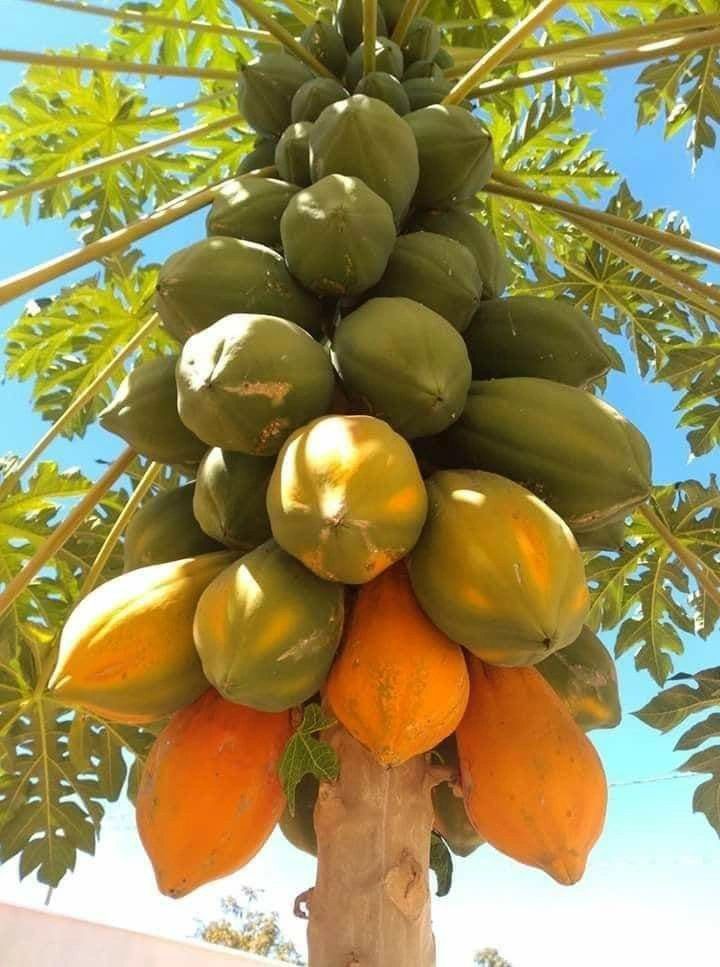
The economic landscape for pawpaw farming in Kenya has shifted toward professional estate management. Current market data shows that the price of the fruit remains stable throughout the year due to consistent demand from juice processors and fresh fruit exporters. Farmers often ask, how much is a kilo of pawpaw in Kenya? In 2026, farm-gate prices for high-quality hybrids range from 40 to 60 shillings per kilogram. Premium retailers and export agents often pay up to 100 shillings per kilogram for fruits with a high brix level and zero chemical residue. This price stability makes the crop a more reliable investment than seasonal vegetables like tomatoes or cabbage.
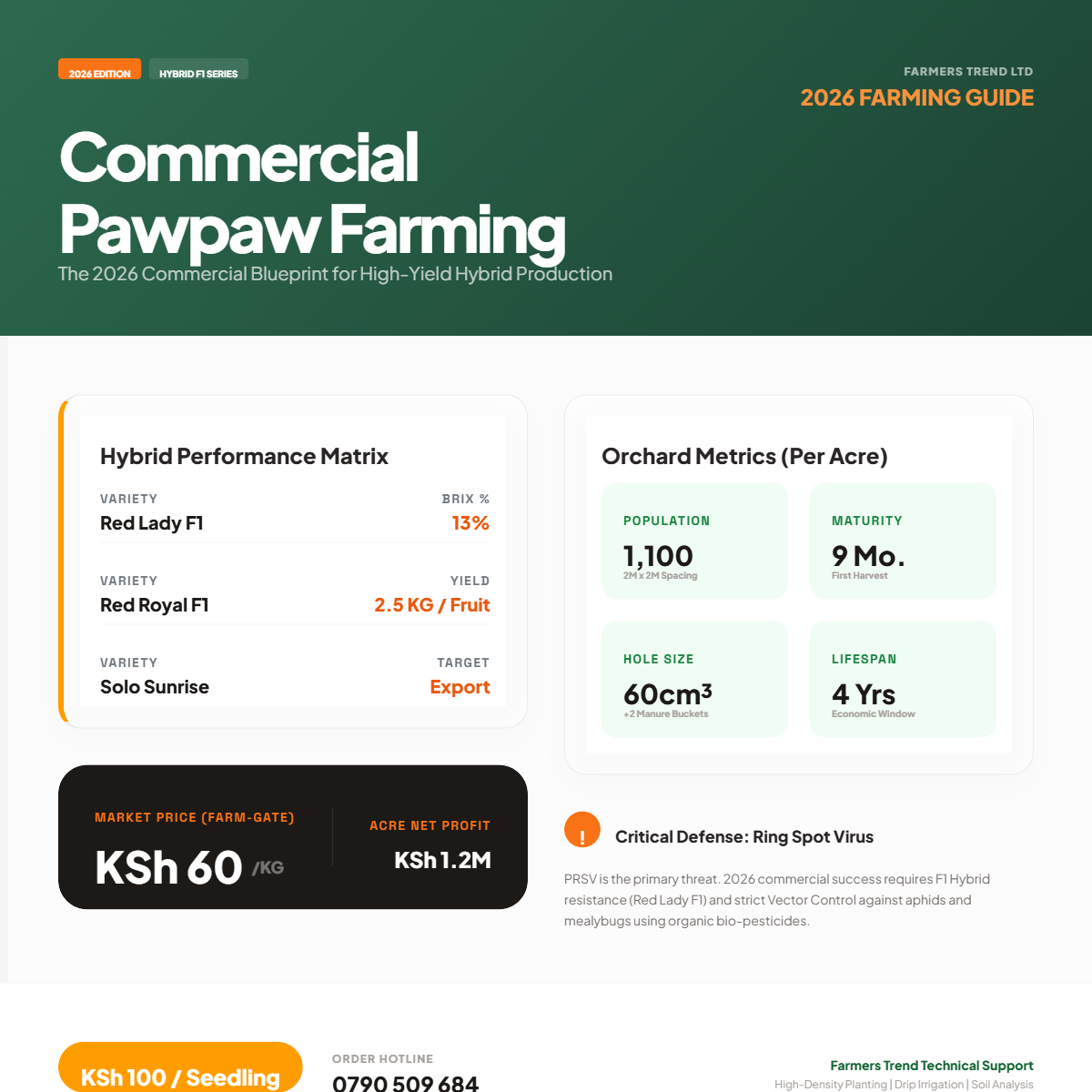
The 2026 Economics of Pawpaw Farming in Kenya
When evaluating the financial potential of this investment, serious growers frequently inquire, is pawpaw farming profitable in Kenya? The profitability depends on the choice of genetics and the management of soil nutrition. A well-managed acre using hybrid seeds generates a gross revenue of 800,000 to 1,500,000 shillings per year. After deducting production costs, the profit per acre pawpaw plant in Kenya typically falls between 500,000 and 1,200,000 shillings. This high margin explains why many entrepreneurs are making millions with pawpaw farming in Kenya by scaling their operations to five acres or more.
The lifespan of a pawpaw tree in a commercial setting is usually three to four years. While the tree can survive longer, fruit production declines and the height of the tree makes harvesting difficult after the fourth year. For this reason, commercial growers maintain a staggered planting schedule to ensure a continuous supply of fruit to the market. Understanding the pawpaw farming profit per acre requires a long-term view that accounts for the initial establishment costs and the recurring harvest cycles. The venture becomes cash-flow positive within the first year of harvest.
Choosing the Best Pawpaw Variety in Kenya for 2026
Selecting the best pawpaw variety in Kenya is the most critical decision a grower makes. In 2026, the market prefers hermaphrodite fruits due to the elongated shape and consistent size of the produce. Red Lady F1 and Red Royal F1 have become the industry standards for commercial success. Red Lady F1 is a dwarf hybrid that is highly tolerant to the Papaya Ring Spot Virus. This variety is popular because the tree starts to fruit very low to the ground, making management and harvesting easy for beginners.
Red Royal F1 is another top performer, known for thick, red flesh and excellent shipping quality. This hybrid resists bruising during transport, which is essential for growers targeting distant markets in the Middle East or Europe. Other notable mentions include Solo Sunrise, which produces small, sweet fruits ideal for the export market, and Malkia F1, which offers heavy fruit yields for the local juice and fruit salad industries. Some growers still explore Calina pawpaw farming in Kenya, also known as IPB9, due to the firm flesh and uniform fruit size of the variety.
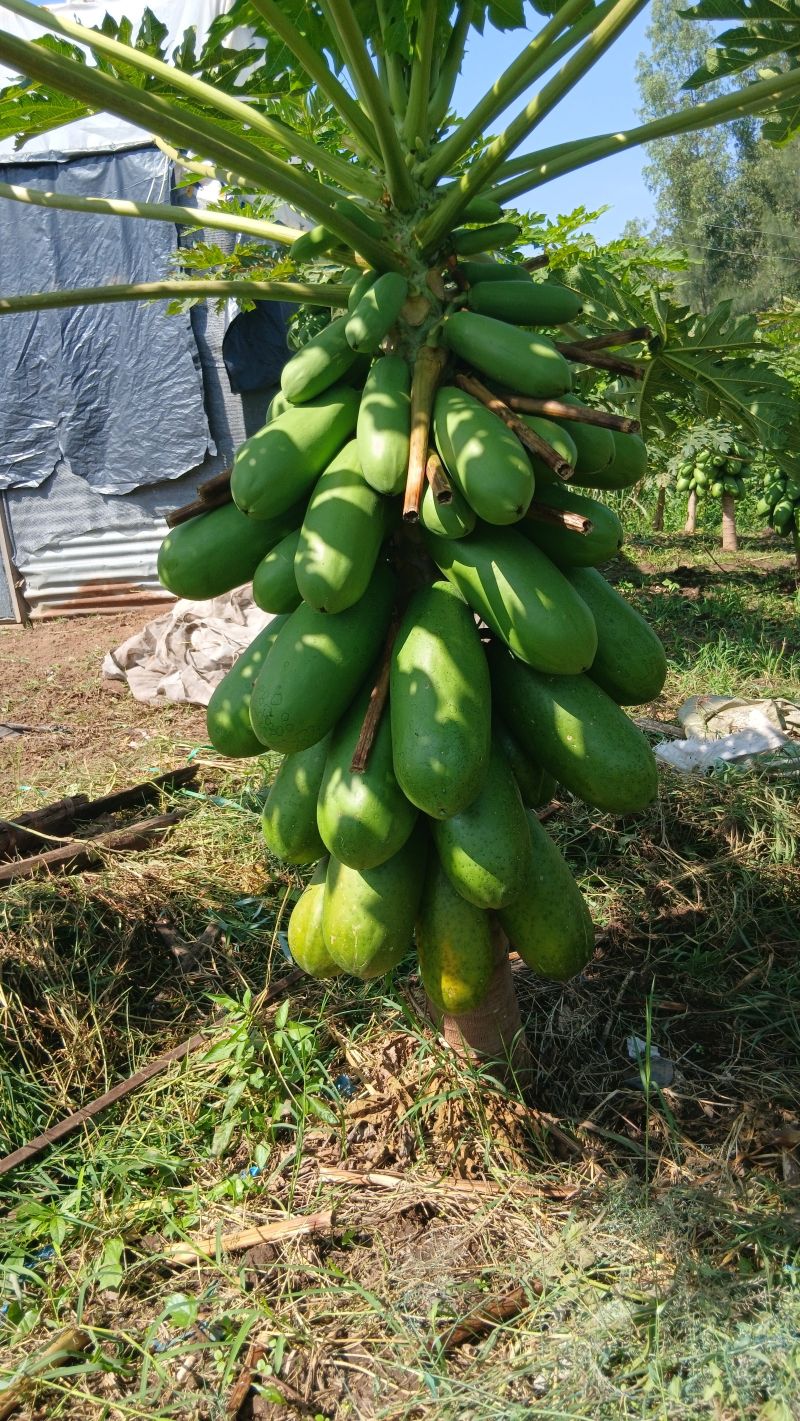
Technical Spacing and Planting Protocols
Establishing a plantation requires careful land preparation and soil analysis. The best month to plant pawpaws in Kenya is at the start of the long rains in March or April, although growers with drip irrigation can plant at any time of the year. Proper pawpaw spacing and hole size ensure that the plants have enough room to feed and receive sunlight. Prepare holes measuring 60cm by 60cm by 60cm. Fill these holes with a mixture of topsoil and two buckets of well-decomposed manure. Adding 200 grams of phosphate-rich fertilizer helps the young roots establish quickly.
A common question for space optimization is, how many pawpaw trees can you grow in an acre? Using a standard spacing of 2 meters by 2 meters, you can plant 1,100 trees per acre. Some growers prefer a wider spacing of 2.5 meters by 2.5 meters to allow for easier movement and better air circulation, which reduces the population to approximately 640 trees. The higher density of 1,100 trees is recommended for dwarf pawpaw farming in Kenya using varieties like Red Lady F1 to maximize the return on land investment.
Growth Timelines and Production Management
Growers must plan their cash flow based on how long the crop takes to reach the market. How long does a pawpaw take to bear? Most F1 hybrids like Red Royal F1 and Red Lady F1 begin flowering within 3 to 5 months of transplanting. However, the time the fruit takes to reach maturity is longer. How long does a pawpaw take to mature? From the day of transplanting, expect the first ripe fruit in 8 to 9 months. The tree reaches the peak production stage between 12 and 24 months of age.
To ensure the fruit reaches the full weight and sweetness required by exporters, consistent water and nutrient supply are mandatory. The best fertilizer for pawpaw during the vegetative stage is CAN, which promotes leaf and stem growth. Once flowering begins, switch to a fertilizer high in Potassium and Boron to increase the sugar content, also known as the brix level. High brix levels are essential for growers looking for pawpaw farming in Kenya success stories in the premium fruit sector.

Integrated Pest and Virus Management
The biggest threat to pawpaw farming in Kenya is the Papaya Ring Spot Virus (PRSV). This virus causes yellowing of leaves and dark rings on the fruit, making the produce unmarketable. Choosing resistant hybrids like Red Lady F1 is the first line of defense. Additionally, managing aphids and mealybugs, which spread the virus, is crucial for the survival of the orchard. Use organic bio-pesticides to maintain a zero residue profile for the export market.
Another challenge is the presence of male plants when using non-hybrid seeds. In 2026, commercial growers avoid this by using certified Solo Sunrise pawpaw seeds Kenya or other F1 hybrids that are guaranteed to be hermaphrodite or female. This eliminates the risk of having a field full of non-fruiting male trees. Scouting for spider mites and whiteflies every week ensures that infestations are caught before the pests damage the growing point of the tree. Keeping the field weed-free reduces competition for nutrients and removes hiding spots for insects.

2026 Variety Performance and Financial Data
Success in pawpaw farming in Kenya requires a data-driven approach. The following tables provide the performance and investment metrics for the 2026 season.
Table 1: Hybrid Variety Matrix
| Variety | Growth Habit | Maturity (Months) | Average Weight | Sugar Content (Brix) |
| Red Lady F1 | Dwarf Hybrid | 8 – 9 | 1.5 – 2.0 kg | 12% – 13% |
| Red Royal F1 | Robust Hybrid | 8 – 10 | 1.8 – 2.5 kg | 11% – 13% |
| Solo Sunrise | Export Standard | 9 – 10 | 0.5 – 0.8 kg | 14% – 15% |
| Malkia F1 | Large Producer | 9 – 11 | 2.0 – 3.0 kg | 10% – 12% |
Table 2: 1-Acre Commercial Startup Budget
| Item Description | Quantity | Unit Cost (KSh) | Total Cost (KSh) |
| Certified F1 Hybrid Seedlings | 1,100 | 150 | 165,000 |
| Hole Preparation & Manure | 1,100 | 100 | 110,000 |
| Drip Irrigation Installation | 1 Acre | 80,000 | 80,000 |
| Nutritional Inputs (Year 1) | – | 45,000 | 45,000 |
| Labor and Management | – | 60,000 | 60,000 |
| Total Investment Cost | – | – | 460,000 |
Post-Harvest Handling and Market Entry
The quality of the fruit at the point of sale determines the final profit. Harvest the fruit when a yellow stripe appears at the blossom end, known as the color break stage. Handling the fruit with care is necessary to avoid skin punctures, which lead to rapid rotting. For the export market, fruits must be washed, treated for fruit flies, and cooled to 12 degrees Celsius for transport.

Commercial pawpaw farming in Kenya is a high-reward agribusiness for those who prioritize quality inputs and technical management. Use certified Red Lady F1 or Red Royal F1 seeds to ensure early maturity and disease resistance. Maintain a 2m x 2m spacing to maximize the tree population to 1,100 plants per acre. Focus on soil health and potassium supplementation to produce the sweet, firm fruits that international buyers demand.
For growers seeking more detailed technical data, the pawpaw farming in Kenya pdf guides available from Farmers Trend Ltd provide month-by-month management schedules. Professional orchard establishment services help beginners avoid the common pitfalls of poor drainage and incorrect variety selection.
For certified F1 hybrid pawpaw seedlings, drip irrigation kits, and professional farm management, contact Farmers Trend Ltd at 0790509684. The Farmers Trend Technical Line provides customized advice to ensure the pawpaw farming in Kenya project meets international standards. The 2026 market is ready for high-quality Kenyan papaya. Start the journey toward commercial success today.
https://farmerstrend.co.ke/trending/pawpaw-farming-in-kenya-2026-profit-guide/https://farmerstrend.co.ke/wp-content/uploads/2026/04/1771851192070.jpghttps://farmerstrend.co.ke/wp-content/uploads/2026/04/1771851192070-150x150.jpg# TrendingPawpaw farmingBest pawpaw variety in Kenya,dwarf pawpaw farming in kenya,Farmers Trend pawpaw farming,High-Brix pawpaw production,How long does pawpaw take to mature,How many pawpaw trees per acre,Making millions with pawpaw farming in Kenya,Malkia F1,Papaya Ring Spot Virus control,Pawpaw farming in Kenya pdf,Pawpaw price per kg Kenya 2026,Pawpaw yield per acre Kenya,Red Lady F1 pawpaw,Red Royal F1,Solo Sunrise,Virtual Agrovet pawpaw seedsPawpaw Farming in Kenya: The 2026 Commercial Blueprint for High-Yield Hybrid Production Commercial pawpaw farming in Kenya represents a sophisticated agribusiness frontier for the 2026 horticultural season. As global consumers prioritize organic tropical fruits and domestic markets in Nairobi and Mombasa demand higher sugar content, the transition toward technical precision...FarmersTrendjohn doefarmerstrend@gmail.comAdministratorFarmers Trend Ltd.


Leave a Reply