Apricot Farming in Kenya: Profit, Growth Time & Step-by-Step Guide
Apricot farming in Kenya is an emerging opportunity that many farmers are starting to explore. While not as common as mangoes or avocados, apricots have great potential in our country. This golden fruit is loved for its sweet taste and nutritional value. This guide answers all the questions Kenyan farmers are asking about apricot farming in Kenya. We will talk about whether it can grow here, how long it takes, how profitable it is, and the step-by-step process to start. If you are looking for a unique fruit to farm, apricot farming in Kenya could be your next successful venture.
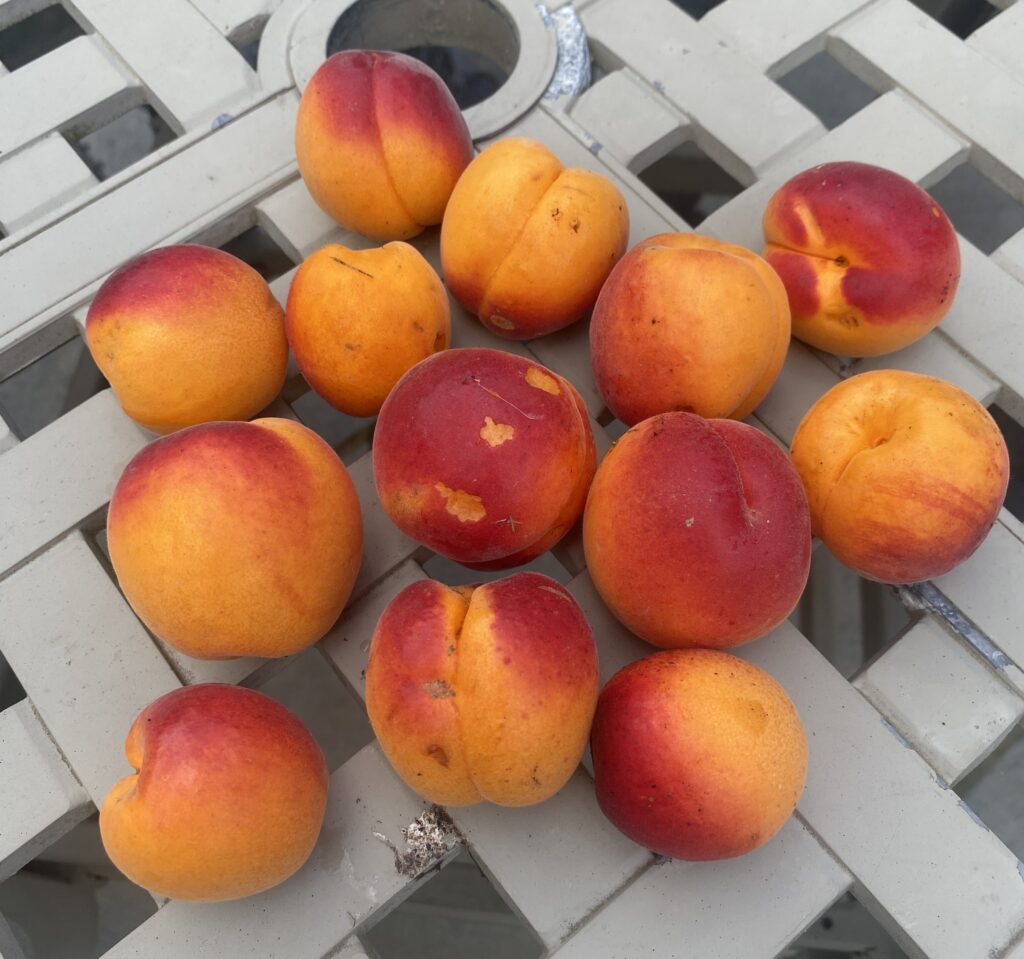
Can Apricots Grow in Kenya?
This is the first and most important question. Yes, apricots can grow in Kenya, but only in specific areas. Apricot trees originally come from cooler climates. They need a distinct cold period to flower and fruit properly. This means apricot farming in Kenya is best suited for the Kenyan highlands. Areas with altitudes between 1,800 and 2,800 meters above sea level are ideal. Counties like Nyandarua, Kericho, Nyeri (parts), and Meru (high altitude zones) have the right conditions. If you live in a warm, lowland area, apricot farming will likely not work for you.
Where Does Apricot Grow Best in the World?
Globally, apricots thrive in regions with cold winters and warm, dry summers. The largest producer of apricots in the world is Turkey, followed by countries like Iran, Uzbekistan, and Italy. These areas have the perfect temperate climate. In Kenya, we must mimic these conditions by choosing the right high-altitude, cool regions for successful apricot farming in Kenya.
How Long Does It Take an Apricot to Produce Fruit?
Patience is key in fruit farming. An apricot tree grown from a grafted seedling will not produce fruit immediately. After planting, it usually takes about 2 to 4 years for the tree to bear its first fruit. The tree will reach full production capacity by years 5 to 7. Once mature, a healthy apricot tree can produce fruit for many years. What is the lifespan of an apricot tree? A well-cared-for apricot tree can be productive for 20 to 25 years, making it a long-term investment.
How Profitable is Apricot Fruit Farming in Kenya?
Let us talk numbers. Apricot farming in Kenya can be very profitable due to the fruit’s high market value and lower local competition.
A mature, well-managed apricot tree can produce 40 to 80 kilograms of fruit per year. On one acre, you can plant about 70 to 100 trees depending on spacing. This means an annual yield of 3,000 to 8,000 kilograms per acre.
The apricot fruit price in Kenya is high because it is still a niche product. Fresh apricots can sell for KSh 300 to KSh 600 per kilogram in upscale markets and supermarkets.
This gives a potential gross revenue of KSh 900,000 to KSh 4,800,000 per acre at full production. After accounting for costs like seedlings, land preparation, labor, and pest control, the net profit can be substantial. While not the single most profitable, it ranks among the top high-value fruit farming options in Kenya, especially for farmers in cool regions.
What is the Most Profitable Fruit Farming in Kenya?
People often search for the most profitable fruit. There is no single answer, as it depends on your location and market. High-profit fruits in Kenya include Hass avocado, macadamia, passion fruit, and mangoes. Apricot farming in Kenya enters this list as a premium, high-value crop for specific regions. Its profitability comes from its high price per kilogram and growing demand from health-conscious consumers and exporters.
A Step-by-Step Guide to Start Apricot Farming in Kenya
Climate and Land Selection: Confirm your area is suitable (high altitude, 1800m+). Choose a sunny spot with well-drained, deep soil. Avoid frost pockets.
Getting Seedlings: Do not grow from seed. You must buy grafted apricot seedlings. Grafting ensures the tree will bear fruit true to type and sooner. Look for reputable nurseries. For quality fruit seedlings in Kenya, farmers can seek out certified horticultural tree nurseries like Farmers Trend for advice and purchase of apricot fruit seedlings, you can also order seedlings online via Farmers Trend Virtual Agrovet.
Planting: What month is best to plant apricots? The best time is at the beginning of the long rains (March-April) to help the young tree establish. Dig a large hole (2ft x 2ft). Mix the soil with well-rotted manure. Plant the tree at the same depth it was in the nursery bag. Spacing is crucial: plant trees 5 to 6 meters apart in rows that are 6 meters apart.
Pollination: Do you need two apricot trees to produce fruit? This depends on the variety. Some apricot varieties are self-fertile, meaning one tree can pollinate itself. Others need a different variety nearby for cross-pollination. What pollinates an apricot tree? Bees are the main pollinators. To be safe, plant at least two different varieties to guarantee good fruit set.
Care and Maintenance: Water young trees regularly. Use mulch to conserve moisture. Prune annually to maintain a good shape and remove dead wood. Fertilize with organic manure or balanced fertilizer.
Pest and Disease Management: Watch for diseases like bacterial canker and pests like fruit flies. Use recommended organic sprays. What not to spray on apricot trees? Avoid copper-based sprays during the growing season, as apricots are sensitive to copper.
Harvesting: Apricots are ready when they are fully colored and slightly soft. Harvest carefully by hand to avoid bruising.
Which Type of Apricot is Best?
For apricot farming in Kenya, choosing the right variety is critical. You need varieties with low chilling requirements that can adapt to our specific climate. Some recommended types include:
Moorpark: A classic, reliable variety known for its rich flavor.
Blenheim: Excellent for both fresh eating and drying.
Tilton: Good for cooler, high-altitude areas.
Consult with a fruit tree specialist or a research institution like KALRO to identify the best-suited variety for your specific location in Kenya.
Is Apricot Easy to Grow?
Compared to some local fruits, apricots require more specific conditions and care. They are not the easiest fruit to grow because of their need for cool temperatures and their sensitivity to certain pests and diseases. However, for a farmer in the right highland climate who is willing to learn and provide careful management, apricot farming in Kenya is a manageable and rewarding venture.
Conclusion
Apricot farming in Kenya presents a unique opportunity for farmers in the cool highlands. While it requires patience during the initial years and careful attention to climate needs, the potential rewards are high. The combination of good yields, premium market prices, and a long tree lifespan makes it a worthwhile long-term investment. Success depends on starting with the right grafted apricot seedlings, perfect location, and proper orchard management. For those interested in exploring this niche, thorough research and consultation with horticultural experts, such as those whose methods are shared by platforms like Farmers Trend, is the essential first step.
You can reach Farmers Trend via 0790509684 or 0724559286: Email: info@farmerstrend.co.ke
https://farmerstrend.co.ke/trending/apricot-farming-in-kenya-guide/https://farmerstrend.co.ke/wp-content/uploads/2025/12/Gv0q8VcXQAA3jUn-1024x959.jpghttps://farmerstrend.co.ke/wp-content/uploads/2025/12/Gv0q8VcXQAA3jUn-e1765105765481-150x150.jpg# TrendingApricot Fruit FarmingFruitsApricot farming in Kenya is an emerging opportunity that many farmers are starting to explore. While not as common as mangoes or avocados, apricots have great potential in our country. This golden fruit is loved for its sweet taste and nutritional value. This guide answers all the questions Kenyan farmers...FarmersTrendjohn doefarmerstrend@gmail.comAdministratorFarmers Trend Ltd.












Leave a Reply