The Ultimate 2026 Guide to Asparagus Farming in Kenya: Costs, Profits & Step-by-Step Plan
Asparagus farming in Kenya is expanding in specific highland regions of the country. Farmers in areas like Naivasha, Limuru, Kericho, and Nyeri County are now growing this crop commercially. Data from the Horticultural Crops Directorate shows asparagus has become a valuable export for Kenya. Most of the harvest goes to European markets where demand increases each year.
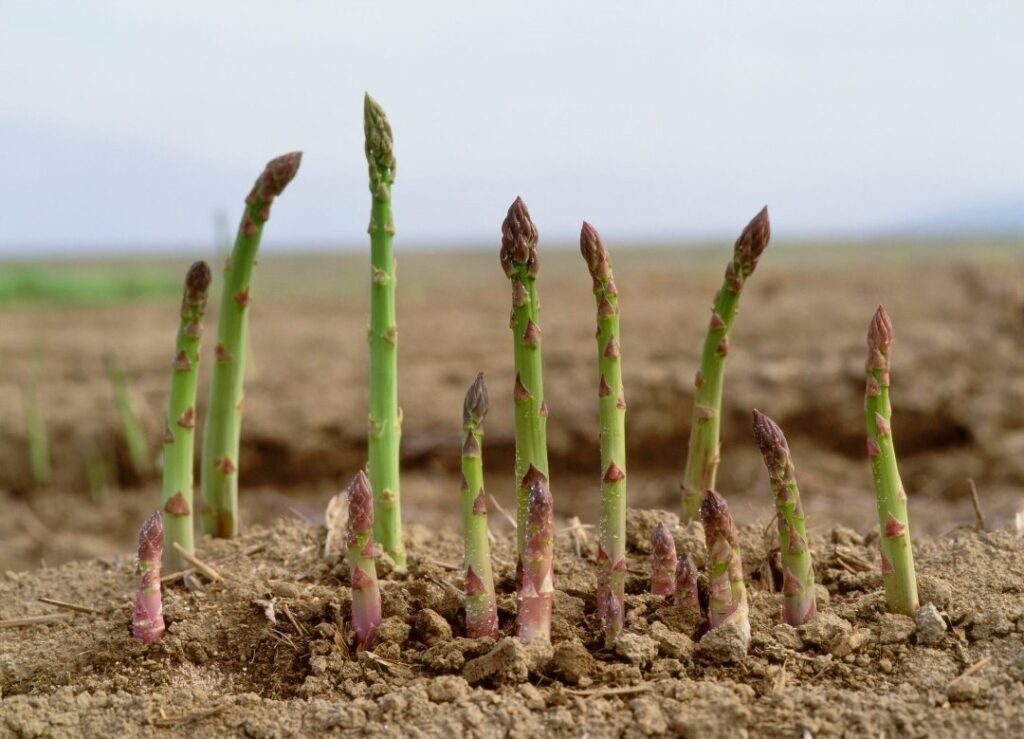
The main reason farmers choose asparagus farming in Kenya is the high income it can generate. Managed well, an asparagus farm makes more money per acre than most traditional crops. But to succeed, farmers must follow strict rules about where and how to grow it. This guide by Farmers Trend explains all the important details. You will learn how to select the right land, how much money you need to start, how to care for the plants, and how to sell your harvest.
Ecological Requirements for Successful Asparagus Farming
Asparagus needs specific growing conditions. Getting these right is the first step to success in asparagus farming in Kenya.
Climate Requirements
Asparagus grows best in areas with cool to moderate temperatures. The ideal temperature range is between 15°C and 25°C. The plant needs a cold period during dormancy, which makes the Kenyan highlands perfect. Areas with altitudes between 1,500 and 2,500 meters above sea level work well. Asparagus needs a dry season after harvest. Too much rain when the ferns are growing can cause disease.
Soil Requirements
The soil is very important for asparagus. It needs deep, well-drained soil. Sandy loam soils are the best. The soil must not hold water because asparagus roots will rot in wet conditions. The ideal soil pH is between 6.5 and 7.5. Before planting, you should test your soil. If your soil is acidic, you may need to add lime.
Water Requirements
Asparagus needs consistent moisture, especially in the first two years. But the soil must never be waterlogged. Drip irrigation is the best system for asparagus farming in Kenya. It gives the roots water without making the soil too wet. During the dry season, mature plants need watering every 7 to 10 days. Young plants need water more often.
How Long Does Asparagus Take to Grow and Mature?
This is the most important question about asparagus farming in Kenya. The growth timeline confuses many new farmers.
Asparagus has a different growth pattern from annual crops. It takes time to establish a strong root system. This root system, called a crown, must be strong before you can harvest regularly.
Year One: The Establishment Year
After planting asparagus crowns, thin spears will appear. These spears are not for eating. You must let every spear grow into a tall, leafy fern. The fern makes food through sunlight. This food goes down to build the crown. Do not harvest anything in the first year. The plant needs all its energy to grow strong roots.
Year Two: The Building Year
In the second year, thicker spears will grow. The plant is stronger now. Some farmers take a very small harvest for one or two weeks. But it is better to wait. Let most spears grow into ferns again. This gives the crown even more energy for the future.
Year Three: The First Harvest Year
By the third year, the crown is mature. You can start harvesting. The harvest period should be short, about three to four weeks. Harvest only the thick spears. After this period, let the plant grow ferns for the rest of the season. These ferns will feed the crown for next year’s harvest.
Year Four and Beyond: Full Production
From the fourth year, you can harvest for 6 to 8 weeks each season. A healthy asparagus plant can produce spears for 15 to 20 years. This makes it a long-term investment.
Complete Cost Analysis for Asparagus Farming in Kenya
Starting an asparagus farm requires careful financial planning. Here are the main costs for one acre.
Initial Establishment Costs (Years 1-3)
Land Preparation: KSh 25,000 – KSh 40,000
Deep ploughing and trench digging
Soil testing and amendment
Planting Materials: KSh 600,000 – KSh 1,400,000
6,000 to 7,000 crowns needed per acre
Each crown costs KSh 100 to KSh 200
Irrigation System: KSh 100,000 – KSh 150,000
Drip irrigation installation
Water storage if needed
Fertilizer and Manure: KSh 40,000 – KSh 60,000
Well-rotted manure
Soil amendments based on test results
Labour Costs: KSh 150,000 – KSh 200,000
Planting labour
Weeding and maintenance for three years
Total Establishment Cost: KSh 915,000 to KSh 1,850,000
Annual Production Costs (From Year 4)
Harvesting labour: KSh 150,000
Fertilizer and manure: KSh 30,000
Pest and disease control: KSh 20,000
Irrigation maintenance: KSh 15,000
Miscellaneous: KSh 25,000
Total Annual Production Cost: KSh 240,000
Profit Potential and Market Analysis
Yield Per Acre
A well-managed asparagus farm can produce:
Year 4: 2,000 – 3,000 kg
Year 5 onwards: 3,000 – 5,000 kg per year
Market Prices in Kenya
Export quality: KSh 500 – KSh 800 per kg
Local supermarket quality: KSh 400 – KSh 600 per kg
Local market: KSh 300 – KSh 500 per kg
Profit Calculation Example
Let us calculate with average numbers:
Yield: 4,000 kg per acre
Price: KSh 600 per kg (export quality)
Gross income: 4,000 × 600 = KSh 2,400,000
Annual production cost: KSh 240,000
Net profit: KSh 2,160,000 per acre
This high profit is why farmers choose asparagus farming in Kenya despite the three-year wait.

Step-by-Step Guide to Starting Asparagus Farming
Step 1: Site Selection and Preparation
Choose land in the right ecological zone. The area must have the correct altitude, soil type, and climate. Test your soil pH and nutrient levels. Prepare the land by deep ploughing. Remove all weeds and stones.
Step 2: Planting
- Dig trenches 30 cm deep and 40 cm wide
- Space trenches 1.5 meters apart
- Mix compost or manure with soil in the trench
- Place crowns 40 cm apart in the trench
- Cover with 5 cm of soil initially
- Gradually fill the trench as plants grow
- The best planting time in Kenya is at the start of the long rains in March or April.
Step 3: Irrigation Management
Install drip irrigation before planting. Water young plants regularly to keep soil moist. Mature plants need deep watering every 7-10 days in dry weather. Avoid overhead irrigation to prevent disease.
Step 4: Weed Control
Weeds compete with asparagus for nutrients. Hand weeding is best, especially around young plants. Mulching helps control weeds and conserve moisture.
Step 5: Fertilization
Asparagus needs balanced nutrition. Use well-rotted manure or compost. Apply fertilizer at the start of the growing season. A soil test will tell you exactly what nutrients your soil needs.
Step 6: Pest and Disease Management
Common problems include:
- Asparagus beetle: Hand pick or use recommended insecticides
- Fusarium root rot: Ensure good drainage and crop rotation
- Rust: Use resistant varieties and proper spacing
Always follow integrated pest management practices.
Harvesting and Post-Harvest Handling
When to Harvest
Start harvesting in the third year for 3-4 weeks. From the fourth year, harvest for 6-8 weeks. Harvest spears when they are 15-20 cm tall and before tips open.
How to Harvest
Cut spears at soil level with a sharp knife. Harvest every 1-2 days during the season. Handle spears carefully to avoid damage.
Post-Harvest Care
- Cool spears immediately after harvest
- Sort by size and quality
- Bundle spears for market
- Store at 2-4°C if not selling immediately
- Package properly for transport
Marketing Your Asparagus in Kenya
Potential Buyers
- Export companies: They offer the best prices but have strict quality requirements
- Supermarkets: Urban supermarkets pay good prices for quality produce
- Hotels and restaurants: High-end establishments in cities
- Local markets: For lower-grade produce
Marketing Tips
- Establish buyer relationships before harvest
- Maintain consistent quality
- Understand buyer specifications
- Consider contract farming with exporters
- Join farmer groups for better market access
Frequently Asked Questions
How many asparagus plants do I need per acre?
You need 6,000 to 7,000 crowns per acre with proper spacing.
Can asparagus grow in hot areas of Kenya?
No, asparagus needs cool temperatures. It grows best in highland areas above 1,500 meters.
What happens if I harvest asparagus in the first year?
The plant will weaken and may die. The crown needs time to develop strength.
How often should I water asparagus plants?
Young plants need regular watering to keep soil moist. Mature plants need deep watering every 7-10 days in dry weather.
What fertilizer is best for asparagus?
Well-rotted manure or compost is best. Apply at the beginning of the growing season.
Does asparagus need special soil?
Yes, it needs deep, well-drained soil with pH between 6.5 and 7.5.
How long does an asparagus plant live?
A healthy plant can produce for 15 to 20 years.
Can I intercrop asparagus with other plants?
No, asparagus does not compete well with other crops. Give it dedicated space.
What are the main pests and diseases?
Watch for asparagus beetles, fusarium root rot, and rust. Good management prevents most problems.
When is the best time to plant asparagus in Kenya?
Plant at the start of the long rains in March or April.
Asparagus farming in Kenya offers excellent income potential for farmers in suitable regions. The initial three-year wait requires patience and planning, but the long-term rewards justify the investment. Success depends on selecting the right location, following proper cultivation practices, and accessing reliable markets.
Farmers interested in asparagus farming in Kenya should start with thorough research. Visit existing farms, talk to experienced growers, and consult with agricultural experts. Proper planning from the beginning increases your chances of success in this profitable venture.
https://farmerstrend.co.ke/trending/asparagus-farming-in-kenya-cost-profit/https://farmerstrend.co.ke/wp-content/uploads/2025/12/asparagus-farming-in-kenya-768x1024.jpeghttps://farmerstrend.co.ke/wp-content/uploads/2025/12/asparagus-farming-in-kenya-150x150.jpeg# TrendingAsparagus farmingCropsAsparagus farming in Kenya is expanding in specific highland regions of the country. Farmers in areas like Naivasha, Limuru, Kericho, and Nyeri County are now growing this crop commercially. Data from the Horticultural Crops Directorate shows asparagus has become a valuable export for Kenya. Most of the harvest goes to...FarmersTrendjohn doefarmerstrend@gmail.comAdministratorFarmers Trend Ltd.









Leave a Reply