Climate Smart Agriculture Kenya 2026: The Ultimate Guide to Crop Diversification and Resilience
Climate Smart Agriculture Kenya 2026: The Ultimate Farmer’s Guide to Resilience and Profit
Climate Smart Agriculture Kenya 2026 is not a government slogan or an academic concept. It is the essential survival and growth manual for every Kenyan farmer facing the reality of unpredictable rains, rising temperatures, and new pests. If your yields have been falling, your inputs costs rising, and your anxiety growing with each season, this guide is your turning point. We are moving beyond simply hoping for a good rainy season. Climate Smart Agriculture Kenya 2026 provides the proven framework to actively build a shamba that is productive, profitable, and resilient, no matter what the weather brings.

This comprehensive guide by Farmers Trend Ltd. is designed to be your primary resource, your pillar of knowledge, for transforming your farm this year and for the future. We will demystify the strategies, provide specific, certified seed recommendations for every major region, and outline the practical steps you can take immediately. Embracing Climate Smart Agriculture Kenya 2026 means taking control of your agricultural destiny.
Why Climate Smart Agriculture Kenya 2026 is Non-Negotiable
The evidence is on your farm and in the news. The old calendar of Long and Short Rains is no longer reliable. Droughts are more frequent, rains are more intense and erratic, and pests like Fall Armyworm have become permanent residents. Continuing with “business as usual” farming is a fast track to loss and frustration.
Climate Smart Agriculture Kenya 2026 is built on three interconnected pillars that directly address these challenges:
- Sustainable Productivity Increase: It’s about getting more from your land, water, and labor using efficient, knowledge-driven practices—not just more chemicals.
- Adaptation and Resilience: This is the core. It’s about making your farm shock-proof. We do this by diversifying crops, using drought-tolerant varieties, and implementing soil and water conservation techniques that act as a buffer against climate shocks.
- Mitigation (Where Possible): It involves practices that can help reduce agriculture’s own environmental footprint, like smarter fertilizer use and agroforestry, which can also benefit your soil.
For the Kenyan smallholder or agri-preneur in 2026, the most immediate and powerful lever is Strategic Crop Diversification. This is the heart of our guide.
The 2026 Weather Reality: Planning for Uncertainty
To practice true Climate Smart Agriculture Kenya 2026, you must plan based on the most likely scenario, not the ideal one. The consensus from seasonal forecasts points to a high probability of below-average to poorly distributed rainfall during the 2026 Long Rains (March-May) in many traditional growing zones. The Short Rains (Oct-Dec) may offer a reprieve but expect intense downpours that can cause runoff on bare soil.
The “New Normal” Takeaway: Assume every season will have a dry spell. Assume rains will start late or stop early. Your entire farm plan—from seed selection to planting date to land preparation—must be designed to capture, conserve, and efficiently use every single drop of moisture.
Pro-Tip for 2026: Shift your mindset from rain-fed to rain-capturing agriculture. Your first investment should be in practices that harvest rainwater in your soil, such as zai pits, contour bunds, or deep tillage, before you even think about which seed to plant.
The Engine of Resilience: Drought-Tolerant Seed Varieties for 2026
The single most important decision you make each season is your choice of seed. For Climate Smart Agriculture Kenya 2026, this means moving away from old, thirsty varieties and adopting certified, climate-resilient champions. Below are critical recommendations, focusing on KALRO and KEPHIS-certified options.
Top Maize Hybrids for a Drier 2026
Maize remains king, but its kingdom needs new rulers. Prioritize Water Efficient Maize for Africa (WEMA) hybrids and other drought-adapted varieties.
| Variety | Maturity (Days) | Key Trait for 2026 | Ideal Region |
|---|---|---|---|
| DH04 | 90-100 | Excellent dryland performer, early maturity | Eastern, Lower Eastern |
| SC Puma | 95-105 | Strong WEMA hybrid, reliable yield under stress | Mid-altitude zones |
| H629 | 95-105 | Very fast-maturing, escapes terminal drought | Dry mid-altitude areas |
| WE1101 | 105-115 | Proven WEMA stability | Medium altitude, variable rains |
| KATEH 1 | 85-95 | Bred for extreme ASAL conditions | Arid & Semi-Arid Lands |
The Bean Revolution: Heat-Tolerant & Nutritious
The future of beans lies in speed and strength. Look for varieties that flower and set pods quickly under warmer conditions.
- Nyota Bean: The poster child for Climate Smart Agriculture Kenya 2026. Matures in 65-75 days, is drought-tolerant, and is biofortified with high iron and zinc.
- KAT B1 & KAT X56: The proven Katumani warriors for marginal rainfall areas, offering early maturity and dependable yields.
- Angela (GLP 2): A high-yielding, disease-resistant variety for medium to high altitudes where rainfall is slightly more reliable.
Strategic Shift: Embracing Sorghum and Millet
This is where Climate Smart Agriculture Kenya 2026 unlocks new income. These are not famine crops; they are smart business.
- Sorghum (Mtama): Demand is soaring from breweries (EABL), animal feed millers, and health-food consumers. Varieties like Gadam (for brewing) and Sila (for flour and uji) are drought-tolerant and high-yielding.
- Finger Millet (Ulezi): Driven by the “Ujimix” health trend, its market price is strong. Varieties like KAT FM1 are resilient and rich in calcium and iron.
Pro-Tip: Allocate at least 25-30% of your cereal acreage to sorghum or millet. They are your climate insurance policy and can often generate more net income per acre than maize in a dry year.
County-Specific Blueprints for Climate Smart Agriculture Kenya 2026
A one-size-fits-all plan fails. Here is how to adapt the principles of Climate Smart Agriculture Kenya 2026 to your specific region.
Eastern & Lower Eastern (Machakos, Makueni, Kitui)
Core Challenge: Frequent and severe drought.
- Core Strategy: Extreme drought tolerance and water harvesting.
- Crop Mix: Maize: DH04, KATEH 1. Beans: Nyota, KAT B1. Main Crop: Sorghum (Sila), Millets.
- Mandatory Practice: Zai Pits and deep mulching with crop residues.
North Rift (Uasin Gishu, Trans Nzoia)
Core Challenge: Erratic rainfall patterns threatening the grain basket.
- Core Strategy: High-yield potential combined with moderate drought tolerance.
- Crop Mix: Maize: WE1101, SC Puma, Duma 43. Beans: Angela, Rosecoco. Diversifier: Sorghum (Gadam) for brewing contracts on drier fields.
- Mandatory Practice: Crop rotation with legumes to maintain soil health and break pest cycles.
Central Highlands (Kiambu, Nyeri, Murang’a)
Core Challenge: Smaller land parcels, cooler temperatures, and soil erosion.
- Core Strategy: High-value crops and intensive soil conservation.
- Crop Mix: Maize: H629, SC Puma. Beans: Angela, Rosecoco. High-Value Diversifiers: Avocado (Hass), Passion Fruit, Potatoes (Shangi).
- Mandatory Practice: Terracing and permanent mulch covers on slopes.
Western & Lake Basin (Bungoma, Kakamega, Siaya)
Core Challenge: Soil acidity, Striga weed, and sometimes waterlogging.
- Core Strategy: Striga resistance and managing excess moisture.
- Crop Mix: Maize: WH507 (Striga-resistant), FAW 7020. Beans: Rosecoco, Nyota. Diversifier: Soybeans for protein markets.
- Mandatory Practice: Use of dolichos as a cover crop to suppress Striga and raised beds for drainage.
Where to Source Trusted Inputs and Estimated 2026 Costs
Investing in the right seed is futile if it’s fake. Only buy from accredited stockists of reputable companies.
Recommended Certified Seed Companies:
- Kenya Seed Company Ltd
- Seed Co Kenya
- Western Seed Company
- Pannar Seed Kenya
- Dryland Seed Ltd
2026 Estimated Price Guide (KSh):
- Drought-Tolerant Maize (2kg): KSh 800 – KSh 1,300
- Nyota Beans (2kg): KSh 900 – KSh 1,600
- Sorghum Seed (2kg): KSh 450 – KSh 750
- Finger Millet Seed (1kg): KSh 300 – KSh 500
Pro-Tip: Form or join a Farmer Producer Organization (FPO). Bulk purchasing of inputs directly from distributors can cut costs by 20% and guarantee quality. This collective power is a key component of Climate Smart Agriculture Kenya 2026.
Five Foundational Practices for Your 2026 Shamba
Technology without technique fails. Pair your new seeds with these non-negotiable management practices.
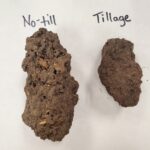
- Minimum Tillage: Stop destructive ploughing. Use a ripper or jab planter to disturb only the planting line. This conserves soil moisture, saves labor, and protects soil structure.
- Mulching as a Culture: Never leave your soil bare. A layer of organic mulch (grass, leaves, crop residues) is like a blanket for your soil—it reduces evaporation, suppresses weeds, and adds organic matter.
- Integrated Soil Fertility: Combine small amounts of well-placed mineral fertilizer with large amounts of organic matter (manure, compost, green manure). This feeds the crop and feeds the soil for long-term health. Resources from the Kenya Agricultural and Livestock Research Organization (KALRO) provide excellent guidance on this.
- Micro-Catchment Water Harvesting: Use zai pits, contour furrows, or negarims to trap every raindrop on your farm, directing it to the root zone of your crops.
- Diversified Farm Income: Integrate livestock (even a few dairy goats), poultry, or beekeeping with your crops. This spreads economic risk, provides manure, and ensures year-round cash flow.
Conclusion: Your 2026 Action Plan Starts Now
Climate Smart Agriculture Kenya 2026 is not a vague future idea. It is a concrete set of decisions you will make before the next planting season. The power to build a resilient, profitable farm lies in your hands.
Your Next Steps:
- Audit Your Farm: Which zone are you in? What has failed in the past three seasons?
- Select Your New Champions: From this guide, choose 1 new maize, 1 new bean, and 1 new “future crop” (sorghum/millet) to trial.
- Source Authentically: Locate a certified agro-vet for your chosen seed companies.
- Prepare Your Land Smartly: Commit to preparing zai pits or planting basins and gathering mulch material NOW, before the rains.
- Connect and Learn: Engage with your local ward agricultural officer or join a farmers’ group focused on climate-smart practices. Sharing knowledge accelerates success.
By adopting the principles and practices outlined in this guide, you are doing more than just farming. You are future-proofing your livelihood, contributing to national food security, and leading the essential transition to a more sustainable agricultural future for Kenya. Let’s make 2026 the year your shamba becomes a model of resilience and productivity.
For the most current advisories and official variety release information, always consult your local extension officer and the official websites of the Ministry of Agriculture and KALRO.
https://farmerstrend.co.ke/trending/climate-smart-agriculture-kenya-2026-guide/https://farmerstrend.co.ke/wp-content/uploads/2026/02/Climate-Smart-Agriculture-Kenya-2026.jpghttps://farmerstrend.co.ke/wp-content/uploads/2026/02/Climate-Smart-Agriculture-Kenya-2026-150x150.jpg# TrendingClimate Smart Agriculture Kenya 2026: The Ultimate Farmer's Guide to Resilience and ProfitClimate Smart Agriculture Kenya 2026 is not a government slogan or an academic concept. It is the essential survival and growth manual for every Kenyan farmer facing the reality of unpredictable rains, rising temperatures, and new pests. If...FarmersTrendjohn doefarmerstrend@gmail.comAdministratorFarmers Trend Ltd.









Leave a Reply