The Realities of Fresh Herb Farming for Export in Kenya
- “Fresh herb farming in Kenya offers high profits but comes with challenges like high wastage, seasonality, and logistics. Learn how to succeed with quality control, value addition, and market strategies. #HerbFarming #KenyaAgriculture #Export”
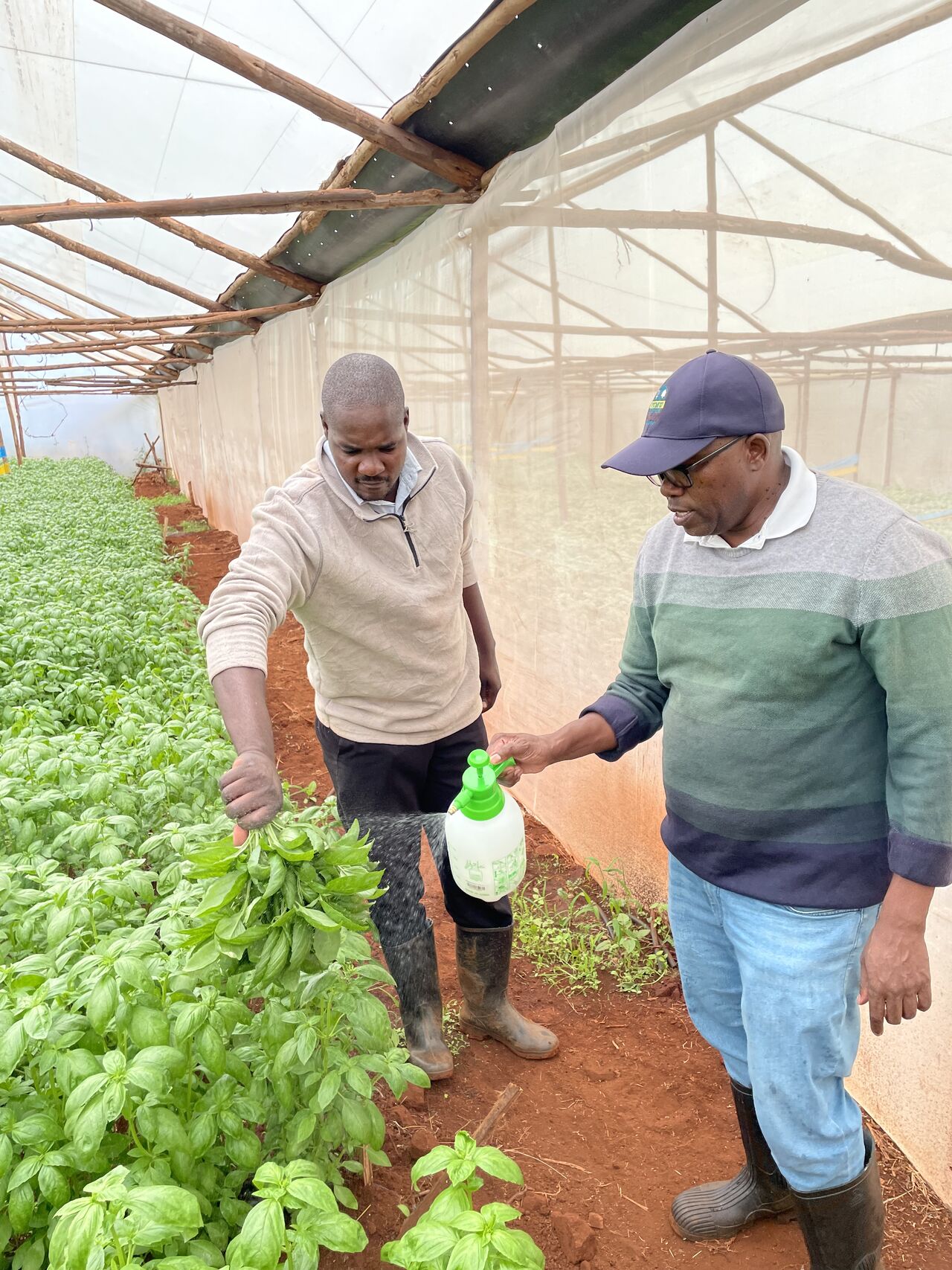
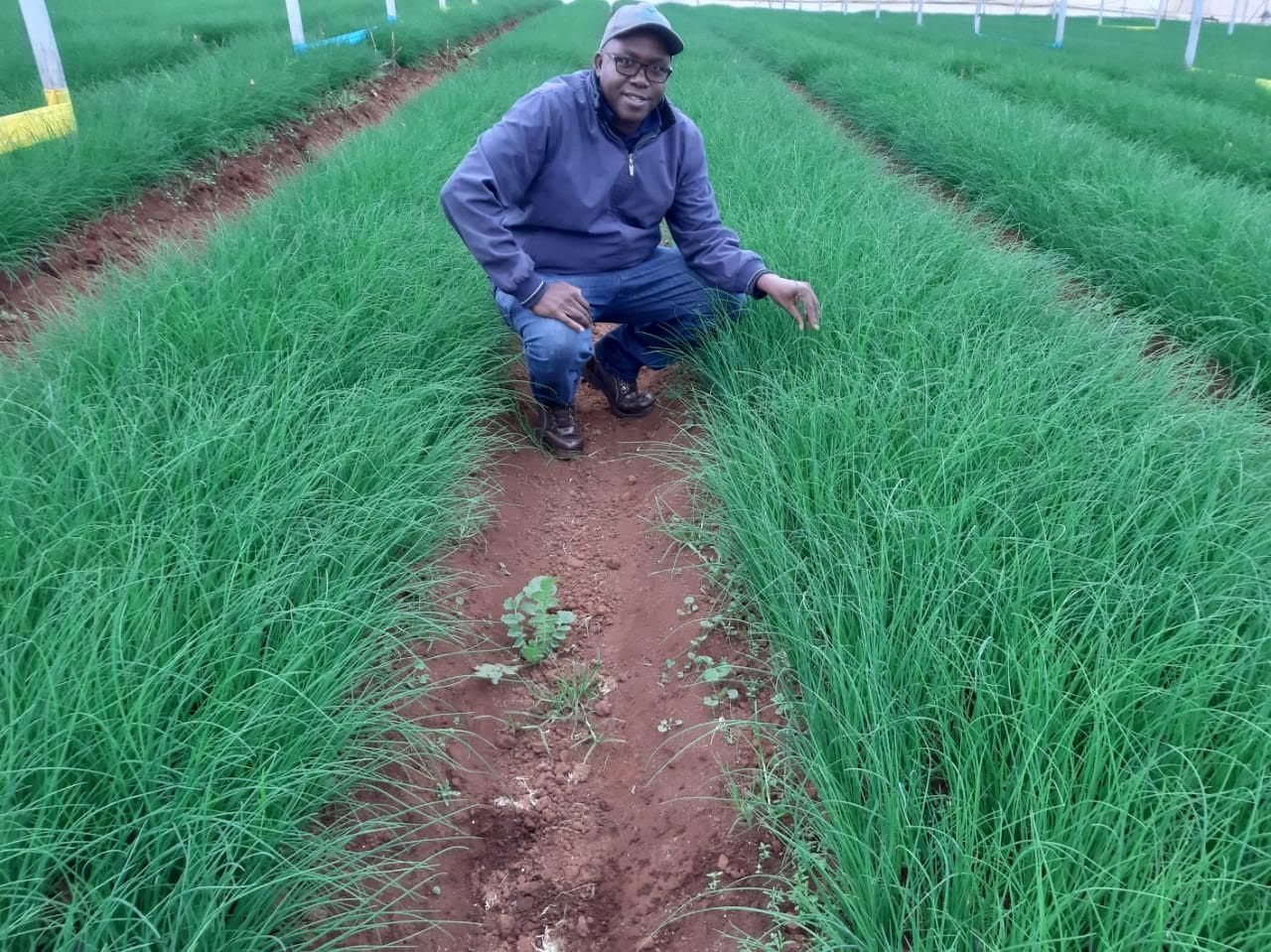
Kenya has emerged as a significant player in the global fresh herb market, exporting a variety of culinary herbs such as chives, basil, mint, and thyme to Europe and, increasingly, to the Middle East. These herbs are highly sought after due to their aromatic and culinary value, offering attractive profit margins that have drawn the interest of small and medium-sized investors. However, while the potential for profitability is high, fresh herb farming is far more complex and demanding than it may initially appear.
High Wastage Rates and Quality Challenges
One of the most significant challenges in fresh herb farming is the high rate of wastage. For some herbs, up to 65% of the harvested produce is discarded because it fails to meet the stringent quality standards required for export. For example, delicate herbs like chives often see only about 35% of the crop making the grade, while other herbs face rejection rates of over 30%. This high level of wastage not only impacts profitability but also highlights the need for meticulous attention to quality control throughout the production process.
To address this issue, farmers are increasingly exploring value addition strategies, such as drying herbs that do not meet fresh export standards. By converting these rejected herbs into dried products, farmers can reduce waste, create new revenue streams, and tap into additional markets. Dried herbs have a longer shelf life and are less perishable, making them a viable alternative for farmers looking to maximize their returns.
Seasonality and Market Dynamics
The fresh herb market is highly seasonal, with demand fluctuating significantly throughout the year. For instance, the European market experiences a surge in demand during the winter months when local production is low. However, during the summer, when European farmers ramp up their own production, demand for imported herbs drops sharply. This seasonality requires Kenyan farmers to carefully plan their production cycles to align with these market windows, ensuring they can capitalize on periods of high demand.
High Expertise and Investment Requirements
Herb farming is more resource-intensive than many other agricultural ventures, including vegetable and even flower farming. Maintaining a robust cold chain is essential, as some herbs require storage temperatures as low as 2°C to preserve their freshness and quality. Additionally, herbs demand fertile soils, a consistent supply of fresh water, and significant infrastructure, such as greenhouses and irrigation systems.
To remain competitive in the global market, herb growers often need to diversify their offerings. Specializing in just one or two types of herbs can make a farm less competitive, as buyers typically prefer to source a diverse basket of herbs from a single supplier. This diversification requires not only additional investment but also a deep understanding of the unique growing requirements and market dynamics of each herb.
Logistics and Sustainability Concerns
Logistics pose another major challenge for fresh herb exporters. Most herbs are airfreighted to maintain their freshness, but this method of transport comes with a high carbon footprint. With global consumers increasingly demanding environmentally sustainable products, the reliance on airfreight could become a liability. To address this, some farmers are exploring alternative strategies, such as drying herbs locally to reduce the need for airfreight and align with sustainability trends.
The Role of Aggregation in Market Access
Many herb farms in Kenya are small, typically ranging from 1 to 10 acres, which makes it difficult for individual farmers to access international markets independently. Aggregation, where small-scale farmers pool their produce to meet market demands, offers a promising solution. By working together, farmers can achieve the economies of scale needed to compete in the global market, while also improving their bargaining power and reducing logistical costs.
Why This Matters
As someone currently supporting both new and established herb businesses, I often get asked what it takes to succeed in this niche sector. My advice is straightforward but requires careful execution:
- Secure Your Market: Establish reliable buyers before scaling up production.
- Maintain Top Quality: Invest in quality control measures to meet export standards.
- Ensure Strong Logistics: Build a reliable cold chain and efficient transport systems.
- Explore Value Addition: Consider drying herbs to reduce waste and create new revenue streams.
Fresh herb farming in Kenya offers immense potential for profitability and growth, but it is not without its challenges. Success in this sector requires precision, expertise, and a well-thought-out strategy that addresses the complexities of production, quality control, logistics, and market dynamics. For those willing to invest the time and resources, the rewards can be significant.
If you are exploring opportunities in fresh herb farming or are already in the business and looking to optimize your operations, I am always open to sharing insights and discussing potential collaborations. Together, we can unlock the full potential of this exciting and dynamic sector.
https://farmerstrend.co.ke/trending/the-realities-of-fresh-herb-farming-for-export-in-kenya/https://farmerstrend.co.ke/wp-content/uploads/2025/03/1741012579836-1024x767.jpeghttps://farmerstrend.co.ke/wp-content/uploads/2025/03/1741012579836-150x150.jpeg# TrendingCropsHerbs Farming In KenyaFresh herb farming'Fresh herb farming in Kenya offers high profits but comes with challenges like high wastage, seasonality, and logistics. Learn how to succeed with quality control, value addition, and market strategies. #HerbFarming #KenyaAgriculture #Export'Kenya has emerged as a significant player in the global fresh herb market, exporting a variety...FarmersTrendjohn doefarmerstrend@gmail.comAdministratorFarmers Trend Ltd.

Leave a Reply