Understanding Kenya’s Avocado Seasons and Availability: Harvest Periods, Varieties, Regions and Export Planning
- Understand Kenya’s avocado season, harvest periods, regional availability, and export windows for Hass and Fuerte to plan successful international sourcing.
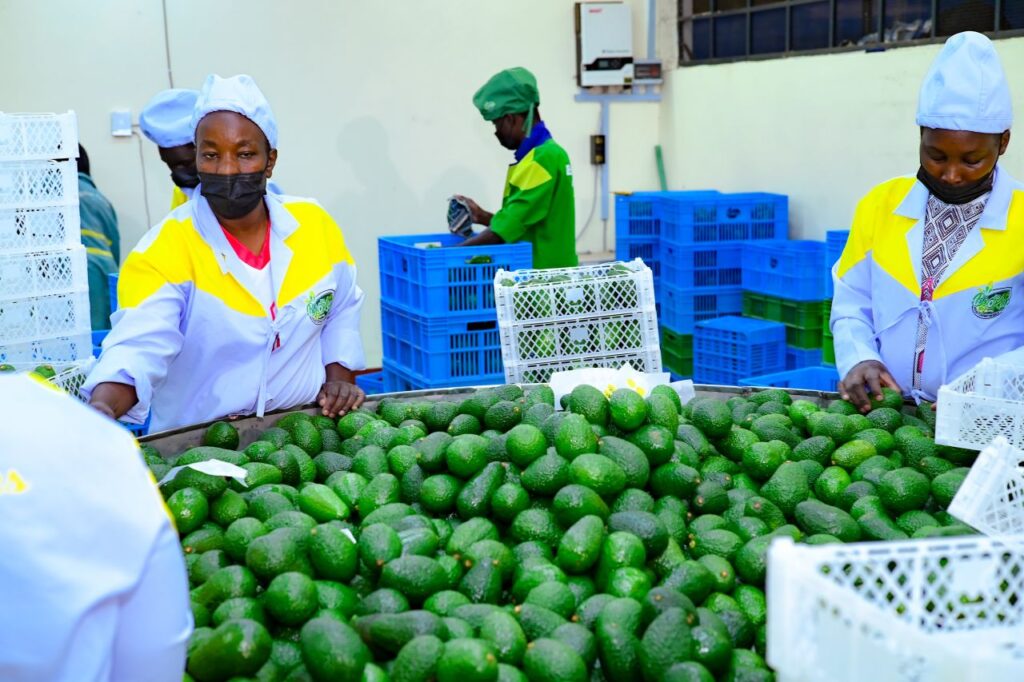
Kenya’s Avocado Season Guide: Harvest Calendar, Varieties and Export Planning
An international produce buyer contacting an exporter in Nairobi with a simple question – “Do you have avocados in Kenya right now?” – often receives a answer that seems more complicated than expected. A supplier might reply that fruit is available on the trees in certain high-altitude orchards, but the national export window remains officially closed. Or they may state that Fuerte green-skin avocados are ready for domestic market collection, while Hass avocados in the same district require another three to four weeks to reach the dry matter threshold required for sea freight.
Understanding Kenya’s avocado calendar requires looking past a single harvest date. The country does not operate as one uniform orchard where every tree flowers, sets fruit, and matures simultaneously. Instead, Kenya’s avocado production represents a mosaic of microclimates, varied elevations, diverse varieties, and changing seasonal weather patterns.
                  KENYA AVOCADO SUPPLY ARCHITECTURE

  VARIETY SELECTION         GEOGRAPHIC ELEVATION       CLIMATIC DRIVERS
  - Hass (Primary Export)   - Low Altitude (<1,500m)   - Bimodal Rainfall
  - Fuerte (Green-skin)     - Mid Altitude (1,500m-    - Temperature Fluctuation
  - Jumbo / Local           1,800m)                    - Sun Exposure
                            - High Altitude (>1,800m)
            │                          │                      │
            └──────────────────────────┼──────────────────────┘
                                       │
                                       v
                      [ DYNAMIC HARVEST WINDOWS ]
                       - March to October: Main Window
                       - April to August: Peak Export
                       - November to February: Quieter Period
For farmers, packhouse operators, aggregators, and overseas importers, mastering the nuances of Kenya’s avocado supply is critical for commercial success. Misinterpreting harvest timing can result in picking immature fruit that fails to ripen properly, leading to rejected sea containers at destination ports or missed market windows when overseas prices peak.
By analyzing how variety, altitude, climate, and post-harvest handling interact, industry players can build reliable sourcing programs, protect fruit quality, and optimize returns.
Does Kenya Have One Uniform Avocado Season?
The short answer is no. Kenya does not have a single, monolithic avocado season. While commercial marketing materials often summarize the national supply as running from March through October, this broad timeline masks substantial regional and varietal diversity across the country.
Several factors create rolling harvest periods across Kenya’s growing zones:
Elevation Variance: Avocado production spans from low-altitude zones below 1,500 meters above sea level up to high-altitude slopes exceeding 2,100 meters in the Central Highlands and Rift Valley. Higher elevations experience lower average daily temperatures, which slows tree metabolism, extends the fruit development cycle, and delays maturity by up to six to eight weeks compared to warmer, lower-altitude orchards.
Varietal Characteristics: Fuerte, a green-skin hybrid variety, typically blooms and matures earlier than Hass. A farmer growing both varieties in the same county will routinely pick Fuerte weeks before the Hass crop achieves required export maturity.
Microclimatic Rainfall Patterns: Kenya experiences bimodal rainfall seasons, but the timing, intensity, and duration of the Long Rains (typically March to May) and Short Rains (typically October to December) vary significantly between Eastern Kenya, the Central Highlands, and the Western Rift Valley.
Orchard Management Practices: Supplementary drip irrigation, specialized tree nutrition, and canopy pruning can influence bloom uniformity and subtle variations in fruit set, affecting when specific farm blocks reach target dry matter levels.
Because of these variables, two orchards situated just twenty kilometers apart can operate on distinct harvesting schedules. Importers and aggregators who recognize these regional dynamics can maintain steady supply streams by shifting their procurement focus across different growing districts throughout the year.
Kenya’s Main Avocado Export Season
The national export calendar centers around a core window running roughly from March to October. During these eight months, climatic conditions across the primary growing zones yield fruit that meets both physical size specifications and physiological maturity standards for long-distance transport.
                       KENYA ANNUAL EXPORT CALENDAR

  Jan   Feb   Mar   Apr   May   Jun   Jul   Aug   Sep   Oct   Nov   Dec
 ┌─────┬─────┬─────┬─────┬─────┬─────┬─────┬─────┬─────┬─────┬─────┬─────┐
 │  Q  │  Q  │  M  │  P  │  P  │  P  │  P  │  P  │  M  │  M  │  Q  │  Q  │
 └─────┴─────┴─────┴─────┴─────┴─────┴─────┴─────┴─────┴─────┴─────┴─────┘
  Legend:
  [Q] Quieter Export Window (Selective harvesting, domestic focus)
  [M] Main Export Window (Opening & closing transitions)
  [P] Peak Export Window (Maximum packhouse throughput & sea freight)
The establishment of this official window is overseen by agricultural regulatory bodies, including the Horticultural Crops Directorate (HCD) and the Kenya Plant Health Inspectorate Service (KEPHIS). To protect the international reputation of Kenyan produce, authorities monitor field maturity and regulate the opening and closing dates for commercial sea-freight exports. This regulatory oversight prevents early harvesting of immature fruit, which lacks adequate oil content and fails to ripen properly upon arrival in destination markets.
As the main season opens in March, early-maturing districts begin harvesting, packhouses initiate sea-container stuffing, and logistics networks ramp up operations. The season progresses through peak volumes in mid-year before winding down in October, as remaining late-season fruit in high-altitude zones is cleared.
What Happens During the Peak Window: April to August?
The period from April to August represents the peak of Kenya’s avocado production and export activity. During these five months, multiple major growing zones reach full maturity simultaneously, creating the highest weekly fruit volumes of the year.
                     PEAK SEASON SUPPLY CHAIN FLOW

  ORCHARD HARVESTING           PACKHOUSE PROCESSING         EXPORT LOGISTICS
  - Dry matter testing         - Automated sorting & sizing - Reefeer container loading
  - Field clipping & crates    - Fungicide/wash treatments  - Transit to Port of Mombasa
  - Farm-gate collection       - Cold room precooling       - Sea freight shipment
This peak period brings intense activity across every link of the supply chain:
Orchard Operations: Harvesting crews work continuously across smallholder farms and commercial estates, utilizing specialized picking shears and field crates to prevent mechanical injury to the fruit skin.
Aggregation and Transport: Field buyers and licensed aggregators consolidate fruit at rural collection centers, ensuring rapid transfer in covered, ventilated trucks to centralized packhouses to minimize field-heat accumulation.
Packhouse Throughput: Processing facilities in industrial hubs such as Nairobi, Thika, and Ruiru operate at maximum capacity. Automated grading lines wash, sanitize, size, weight-class, and pack fruit into standard 4kg cartons or larger loose-fill crates.
Cold Chain Maintenance: Packed fruit enters forced-air precooling rooms to pull core pulp temperatures down to 5°C to 6°C before being stuffed into temperature-controlled refrigerated containers (reefers).
Maritime Logistics: Loaded reefers travel via the SGR railway or highway corridors to the Port of Mombasa, where they are loaded onto container vessels bound for Europe, the Middle East, and Asia.
While volume peaks during this mid-year window, fruit sizing and availability naturally shift month by month. Early pickings often yield smaller fruit sizes (such as counts 22 to 26), while mid-to-late season harvests from mature trees yield larger fruit sizes (counts 12 to 20).
Hass Avocado Season in Kenya
Hass is the primary commercial avocado variety grown in Kenya, accounting for the vast majority of the country’s export shipments. Recognized globally for its pebbly skin that turns from green to deep purple-black upon ripening, Hass offers exceptional transport durability, a long shelf life, and high oil content.
                    HASS MATURITY DEVELOPMENT TIMELINE

  FLOWERING & SET         FRUIT EXPANSION          MATURITY THRESHOLD
  (Sept - Nov)            (Dec - Mar)              (Mar - Aug)
 ┌───────────────────────┬────────────────────────┬─────────────────────────┐
 │ Major bloom flush &   │ Cell expansion, skin   │ Dry matter crosses 21%  │
 │ initial fruitlet set  │ thickening, oil buildup│ Ready for harvest & export│
 └───────────────────────┴────────────────────────┴─────────────────────────┘
The main Hass harvest begins in March in warmer, lower-altitude areas and extends through August and September in cooler, high-altitude regions. Hass trees require roughly 8 to 10 months from full bloom to achieve export maturity.
Determining True Hass Maturity
Relying solely on calendar dates or external fruit size to determine harvest readiness is risky. A large Hass avocado can remain physiologically immature if harvested too early.
Commercial exporters use dry matter analysis to determine true maturity. For Hass avocados destined for international sea freight, the standard minimum dry matter threshold is 21% to 23%.
                DRY MATTER vs. RIPENING QUALITY IN HASS

  DRY MATTER LEVEL     PHYSIOLOGICAL STATUS    MARKET / LOGISTICAL RESULT
  ─────────────────────────────────────────────────────────────────────────
  Under 19%            Immature                Rubber-like pulp, skin shrivels,
                                               fails to ripen, uneven decay.
  21% - 23%            Minimum Export Standard Reaches target oil content, ripens
                                               evenly, holds cold chain.
  24% - 28%            Optimal Maturity        Rich flavor, creamy texture, ideal
                                               eating quality for premium buyers.
  Over 30%             Late / Over-Mature      High oil content, shortened shelf
                                               life, vulnerable to internal rot.
When fruit is harvested at optimal dry matter levels, its internal oil content creates a creamy texture and rich flavor upon ripening. If picked below the 21% dry matter threshold, the fruit loses water rapidly during cold transit, displays skin shriveling, develops rubbery flesh, and fails to ripen evenly.
Fuerte Avocado Season in Kenya
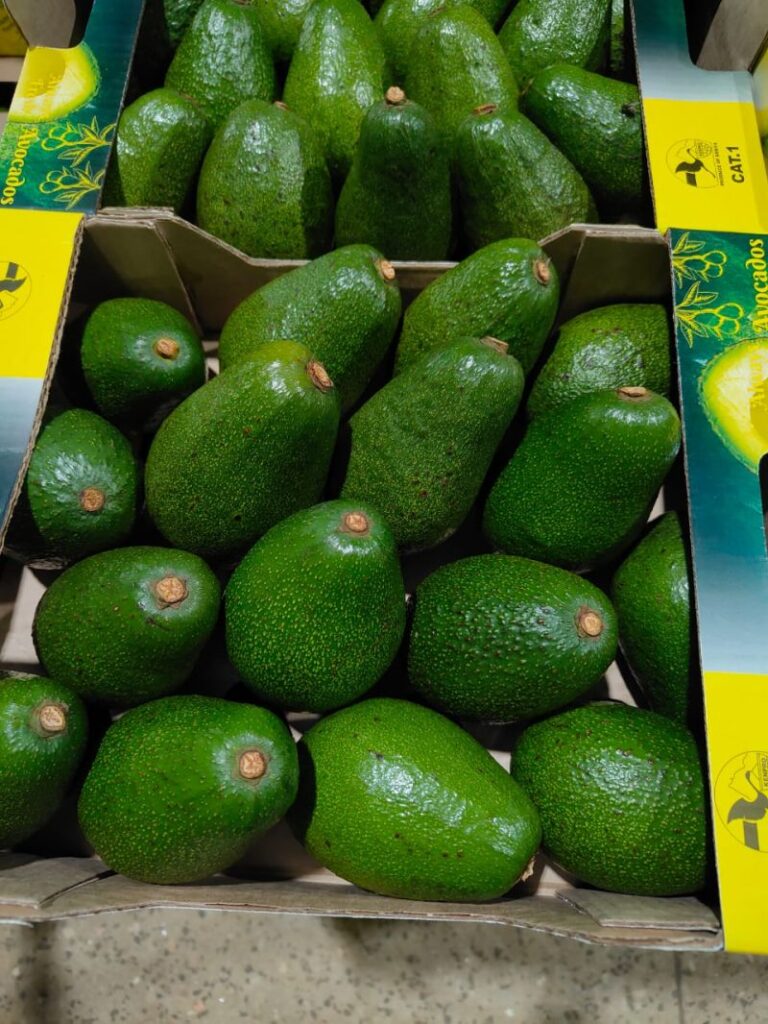
Fuerte is a green-skin avocado variety that plays an important role in Kenya’s export mix and domestic trade. A natural hybrid of Mexican and Guatemalan races, Fuerte produces pear-shaped fruit with smooth, pliable green skin that retains its green color even when fully ripe.
                   VARIETAL PROFILE: HASS vs. FUERTE

  METRIC / FEATURE          HASS AVOCADO           FUERTE AVOCADO
  ─────────────────────────────────────────────────────────────────────────
  Skin Texture & Color      Pebbly; turns purple   Smooth; remains green
                            when fully ripe        when fully ripe
  Average Harvest Window    March to September     February to July
  Minimum Dry Matter Target  21% - 23%              19% - 20%
  Primary Export Markets    Europe, China, Gulf    Middle East, North Africa,
                            States, Far East       Eastern Europe, Local
  Handling Sensitivity      High oil, tough skin   Thin skin; susceptible to
                            resists minor scuffs   bruising & friction marks
Fuerte generally flowers and matures slightly earlier than Hass. In many growing zones, Fuerte harvest readiness leads Hass by two to four weeks, with initial pickings starting as early as February in lower-elevation orchards.
While global consumer demand has shifted heavily toward Hass, Fuerte maintains strong market share in the Middle East, parts of Europe, and across regional domestic markets. Fuerte requires careful field handling because its thinner, smooth skin shows friction marks and fingernail scratches more readily than the thicker, pebbly skin of Hass.
Other Avocado Varieties in Kenya
In addition to Hass and Fuerte, Kenyan farmers cultivate several secondary and traditional avocado varieties. While these varieties represent a smaller fraction of sea-freight exports, they contribute to domestic food security, supply local processing industries, and provide regional income outside the primary Hass window.
                       SECONDARY VARIETY PROFILE

  VARIETY      SKIN TYPE     MATURITY PERIOD       PRIMARY MARKET USE
  ─────────────────────────────────────────────────────────────────────────
  Jumbo /      Smooth, green  Early to mid-season  Domestic fresh consumption,
  Local selections                                 local wholesale markets
  Pinkerton    Pebbly, green  Mid to late-season   Export niche, processing,
                                                   local high-end retail
  Puebla       Smooth, dark   Early season         Local markets, oil extraction,
                                                   rootstock seed supply
  Simmonds /   Smooth, light  Mid-season           Local fresh market trade,
  West Indian  green                               coastal regional sales
Jumbo / Local Green-skin Types: These large-sized avocados produce fruit weighing 400 grams to over 800 grams. While too large for standard export carton specifications, they are widely traded in domestic wholesale markets across Nairobi, Mombasa, and Kisumu.
Pinkerton: A high-yielding variety producing long, pear-shaped fruit with rough green skin and a small seed. Pinkerton exhibits good cold-storage characteristics and is selectively grown for targeted export programs and oil processing.
Puebla and Rootstock Varieties: Smaller, dark-skinned fruits like Puebla mature early in the year. While their commercial fresh-market value is limited, their seeds are highly valued by nursery operators for raising rootstock seedlings for grafting.
A diversified varietal mix across different ecological zones helps extend the overall period of avocado activity in Kenya, providing income opportunities outside the main Hass export window.
Why Altitude Matters in Avocado Maturity
Altitude is the primary geographic variable governing avocado harvest timing across Kenya. Because Kenya sits directly on the Equator, sea-level temperatures are high, but temperatures drop steadily as elevation increases—a physiological phenomenon known as the environmental lapse rate.
               ALTITUDE VS. HARVEST MATURITY TIMELINE

  ELEVATION ZONE       AVG TEMP RANGE   HASS MATURITY WINDOW
  ─────────────────────────────────────────────────────────────────────────
  Low Elevation        22°C - 28°C      Early Harvest
  (< 1,500m)                            (February - April)
  Mid Elevation        17°C - 23°C      Mid-Season Harvest
  (1,500m - 1,800m)                     (April - July)
  High Elevation       12°C - 18°C      Late Harvest
  (> 1,800m)                            (July - October/November)
Temperature directly drives the rate of tree metabolism, cell division, and oil synthesis inside the developing fruit:
Low-Altitude Zones (< 1,500 meters): Warmer day and night temperatures accelerate fruit development. Trees complete their bloom-to-maturity cycle rapidly, making these zones the first to hit export dry matter targets in February and March. However, fruit sizing can be smaller if warm weather is accompanied by soil moisture deficits.
Mid-Altitude Zones (1,500 to 1,800 meters): This elevation band represents the classic growing environment for Kenyan avocados, providing an ideal balance of warm days, cool nights, and moderate rainfall. Fruit reaches maturity steadily between April and July, yielding consistent fruit sizing and high pack-out rates.
High-Altitude Zones (> 1,800 meters): Cool temperatures slow down cellular division and oil accumulation, extending the fruit retention period on the tree. Orchards located on the high slopes of the Aberdare Range, Mount Kenya, and the Mau Escarpment often hold mature fruit through September and October, well after lower-altitude harvests have concluded.
By sourcing across lower, middle, and higher elevation zones, exporters can maintain continuous supply lines throughout the main eight-month commercial season.
Regional Differences in Kenyan Avocado Production
Avocado production in Kenya spans diverse agricultural zones, each characterized by distinct soil profiles, rainfall patterns, and harvest timelines.
                 MAJOR AVOCADO GROWING REGIONS IN KENYA

  [ WESTERN & RIFT VALLEY ]       [ CENTRAL HIGHLANDS ]       [ EASTERN REGION ]
  - Trans Nzoia, Uasin Gishu,     - Murang'a, Kiambu,         - Meru, Embu,
    Bungoma, Kisii, Nandi           Nyeri, Kirinyaga            Machakos
  - Late season potential         - Heart of production       - Early to mid-season
  - Deep volcanic soils           - High density orchards     - Variable rainfall
1. The Central Highlands (Murang’a, Kiambu, Nyeri, Kirinyaga)
The Central Highlands represent the historic heartland of commercial avocado growing in Kenya. Murang’a County alone accounts for a major share of smallholder Hass production. Characterized by fertile, deep red volcanic soils (nitisols) and elevations ranging from 1,400 to over 2,000 meters, this region provides steady volume from March through August.
2. The Eastern Slopes (Meru, Embu, Machakos)
Extending around the eastern side of Mount Kenya and down into lower hills, counties like Meru and Embu benefit from early flowering cycles. Lower-altitude blocks in Machakos and Embu yield early-season picks, while high-altitude orchards in Meru provide mid-to-late season fruit.
3. The Rift Valley and Western Kenya (Trans Nzoia, Uasin Gishu, Nandi, Kisii, Bungoma)
Historically focused on maize and cereal production, the North Rift and Western regions have seen rapid expansion in commercial avocado acreage over the past decade. Deep soils, reliable rainfall, and high elevations (often exceeding 2,000 meters) allow these regions to produce high-quality Hass fruit that matures late in the national calendar, extending supply into September and October.
Overview of Key Growing Regions and Harvest Windows
| Region / County | Primary Elevations | Major Varieties Grown | Typical Main Harvest Window | Key Regional Characteristics |
| Murang’a & Kiambu | 1,400m – 1,900m | Hass, Fuerte, Local | March to August | Established smallholder base, dense packhouse infrastructure, reliable quality. |
| Nyeri & Kirinyaga | 1,500m – 2,100m | Hass, Fuerte | April to September | Higher altitude blocks provide mid-to-late season supply with good fruit sizing. |
| Meru & Embu | 1,300m – 1,800m | Hass, Fuerte, Jumbo | March to July | Early bloom flushes; strong early to mid-season volume; expanding commercial acreage. |
| Kisii & Bungoma | 1,400m – 1,700m | Fuerte, Hass, Local | February to June | Bimodal rainfall drives early Fuerte picks; growing smallholder Hass transition. |
| Trans Nzoia & Uasin Gishu | 1,800m – 2,200m | Hass | May to October | Large-scale commercial orchards; high altitude extends supply into late season. |
Flowering and Avocado Seasonality
To understand why avocados mature when they do, you must track the tree’s reproductive timeline back to the initial flowering flush. An avocado harvested in June began as a flower cluster up to ten months earlier.
                   THE AVOCADO REPRODUCTIVE CYCLE

  MAIN BLOOM FLUSH       FRUIT SET & THINNING     OIL SYNTHESIS        HARVEST MATURITY
  (July - October)       (Nov - January)          (Feb - May)          (June - August)
 ┌──────────────────────┬────────────────────────┬────────────────────┬──────────────────┐
 │ Mass flowering;      │ Initial fruitlet set;  │ Carbohydrate accumulation;│ Dry matter >21%; │
 │ bee pollination      │ natural leaf shedding  │ oil buildup        │ commercial picking│
 └──────────────────────┴────────────────────────┴────────────────────┴──────────────────┘
The main flowering flush across Central and Eastern Kenya generally occurs between July and October, following the dry spell that triggers flower bud differentiation. Once pollinated, young fruitlets develop through late spring and summer, accumulating water, carbohydrates, and structural minerals.
In some regions, short rains in October and November can trigger a minor secondary bloom flush, often called a “fly bloom.” This secondary flowering produces a small, secondary crop of fruit that matures out of sync with the primary harvest, providing limited off-season fruit during the early months of the following year.
What Determines When an Avocado Is Ready for Harvest?
Harvesting an avocado tree requires monitoring physical and physiological maturity indicators rather than relying on guesswork. Picking fruit prematurely damages the reputation of the entire supply chain, while leaving fruit on the tree past its optimal window reduces shelf life and can trigger severe alternate bearing the following season.
                      MATURITY EVALUATION MATRIX

  PHYSICAL INDICATORS               LABORATORY INDICATORS
  - Fruit size & weight class       - Dry matter percentage (Oven / Food Scanner)
  - Seed coat color (turns dark brown)- Oil content percentage (Solvent extraction)
  - Skin gloss (shifts from shiny   - Moisture loss rate testing
    to dull green in Hass)
  - Pedicel/stalk appearance        - Destructive ripening trial assessments
Key Readiness Criteria
Dry Matter Content: The ultimate standard for commercial harvest readiness. As an avocado matures on the tree, its water content decreases while its oil content increases proportionally. Measuring dry matter via microwave drying, drying ovens, or calibrated near-infrared (NIR) handheld scanners gives a clear numeric readout of fruit readiness.
Seed Coat Discoloration: Cutting sample fruits open reveals the status of the seed coat inside the central cavity. In immature fruit, the seed coat is white or light tan and clings tightly to the flesh. In mature fruit, the seed coat turns dark brown, paper-dry, and separates easily from the pulp.
Skin Appearance: In Hass avocados, the outer skin transitions from a bright, shiny yellow-green to a deeper, matte dark-green before turning purple-black during final ripening.
Pedicel (Fruit Stalk) Condition: As the fruit reaches full maturity, the fruit stalk attached to the branch turns slightly yellowish or brown, indicating that the tree has slowed nutrient transport to the fruit.
The Risk of Harvesting Immature Avocados
Harvesting avocados before they achieve minimum maturity standards is a major quality pitfall in the international produce trade.
                   THE COST OF IMMATURE HARVESTING

  IMMATURE FRUIT PICKING ──> POOR COLD CHAIN PERFORMANCE ──> MARKET REJECTION
  - Low oil / high water    - Accelerated skin shriveling   - Rubbery texture
  - Unsealed stem scar      - Internal vascular browning     - Failed ripening
                            - Fungal rot susceptibility     - Financial loss
When an immature avocado is clipped from the tree, its tissues contain high moisture levels and insufficient oil reserves. The primary consequences of premature harvesting include:
Shriveling and Weight Loss: High moisture content causes the fruit to lose water rapidly through respiration during transit, resulting in shriveled skin and sunken stem ends upon arrival.
Inability to Ripen: Immature fruit fails to undergo normal ethylene-driven ripening. Instead of softening to a buttery consistency, the flesh turns rubbery, develops a bitter taste, and rots internally.
Vulnerability to Fungal Decay: Immature fruit skin lacks structural density, making it easy for fungal spores like Colletotrichum gloeosporioides (anthracnose) and Botryosphaeria (stem-end rot) to invade damaged surface tissues.
Commercial Rejection: Overseas buyers routinely reject ocean containers that show high rates of uneven ripening or internal vascular browning, leaving exporters with severe financial losses and damaged commercial relationships.
Risks of Harvesting Too Late
While picking fruit too early causes obvious quality failures, holding mature avocados on the tree for too long creates a different set of agronomic and commercial risks.
                   CONSEQUENCES OF OVER-MATURE HARVEST

  TREE-LEVEL IMPACT                 COMMERCIAL & QUALITY IMPACT
  - Carbohydrate depletion           - Shortened shelf-life window
  - Severe alternate bearing trigger  - Increased risk of internal decay
  - High natural fruit drop loss     - Rancid oil development in pulp
Avocado fruit does not soften while attached to the tree; it uses the branch as a living storage medium. However, leaving fruit on the tree long past optimal dry matter levels (e.g., above 30% dry matter in Hass) causes several problems:
Shortened Storage Life: Over-mature fruit ripens rapidly following harvest, drastically shortening its post-packhouse handling window and increasing the risk of fruit softening inside sea containers during long ocean voyages.
Rancidity and Flavor Deterioration: Excessively high oil concentrations can lead to rancid, off-flavors in the flesh, reducing consumer satisfaction.
Trunk Exhaustion and Alternate Bearing: Holding a heavy crop on the branches late into the season drains the tree’s carbohydrate and nutrient reserves. This starves the upcoming flowering flush, plunging the orchard into a severe alternate-bearing cycle where a heavy crop year is followed by a near-total crop failure.
Pre-Harvest Fruit Drop: As fruit stems naturally weaken, windstorms and heavy rains cause mature fruit to drop to the ground, resulting in physical damage and unmarketable losses.
The November to February Quieter Period
The period from November through February represents the off-peak window for Kenya’s main avocado export operations. During these winter-into-summer months, the primary export harvest in Central and Eastern Kenya has concluded, and new-season fruit is still developing on the trees.
                 NOVEMBER TO FEBRUARY ORCHARD ACTIVITY

  ORCHARD MANAGEMENT FOCUS            LIMITED AVAILABILITY SOURCES
  - Major canopy pruning              - High-altitude late-hanging blocks
  - Soil fertility & compost dosing   - Low-altitude early Fuerte flush
  - Irrigation during dry spells      - "Fly bloom" secondary crop pickings
  - Pest & disease monitoring         - Domestic market distribution
It is important to clarify that Kenya does not run completely out of avocados during this four-month window. Rather, the volume of export-quality fruit drops significantly compared to the high-throughput period of April to August.
During this quieter period:
Sea-Freight Shipping Pauses: Large-scale container shipping shifts down as exporters complete their seasonal programs and conduct annual maintenance on packhouse grading lines.
Limited Air-Freight Operations Continue: Exporters with specialized air-freight programs supply niche buyers in the Middle East and Europe using select late-season high-altitude fruit or early-maturing green-skin pickings.
Focus Shifts to Orchard Maintenance: Farmers use these months to prune tree canopies, apply organic manure and soil amendments, maintain irrigation infrastructure, and execute pest management programs ahead of the upcoming main bloom.
Does Kenya Have Off-Season Avocados?
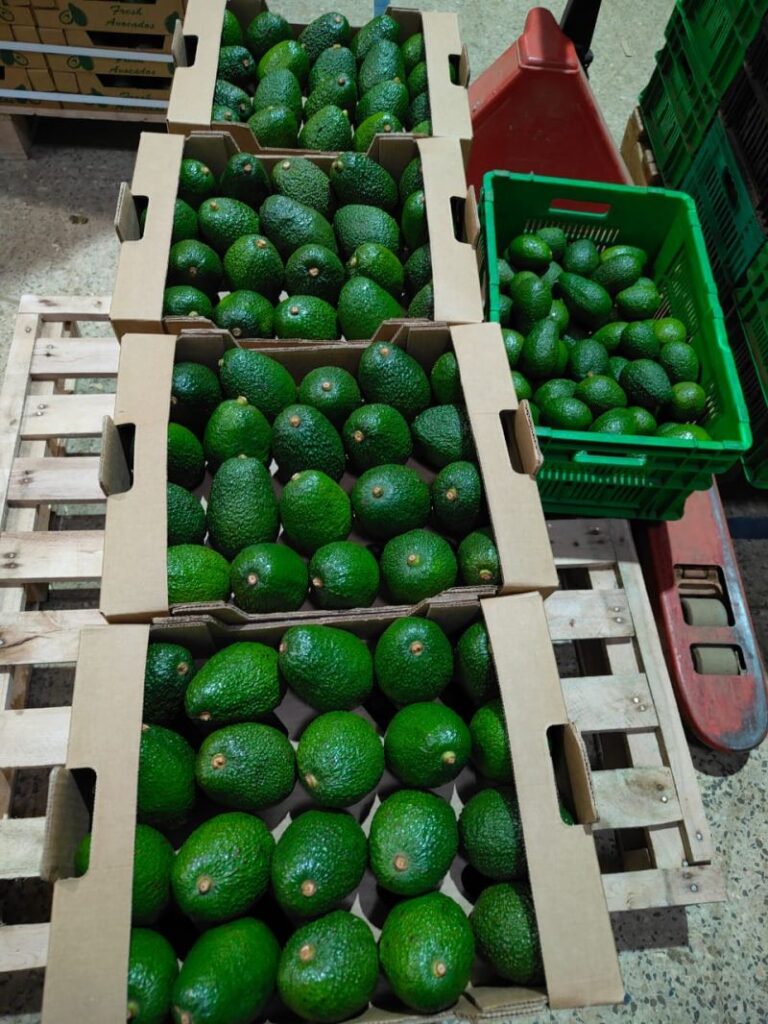
Commercial buyers often ask whether Kenya can supply avocados year-round. While small volumes of fruit can be found across the country in every month of the year, year-round volume supply remains limited by biological constraints.
                       OFF-SEASON SUPPLY REALITY

  YEAR-ROUND AVAILABILITY           COMMERCIAL SCALE EXPORT
  [YES - Small Scale]               [NO - Seasonal Peak Required]
  Available via microclimates,      Sea-freight efficiency relies on mass
  scattered regions & varieties     volume peak from March to October
True “off-season” availability in Kenya is driven by three main factors:
Microclimatic Diversity: Orchards situated in unique ecological pockets (such as low-elevation irrigated blocks in Eastern Kenya or sheltered valleys in Western Kenya) can flower out of sync with the main national bloom, producing mature fruit between December and February.
Fly-Bloom Harvesting: Secondary bloom flushes that occur during short autumn rains produce small bursts of mature fruit early in the following year.
Varietal Staggering: Cultivating early-maturing green-skin varieties alongside late-maturing Hass selections allows specific farm businesses to extend their active selling window beyond average industry timelines.
However, international buyers should distinguish between small-scale local market availability and commercial sea-freight volumes. Building a ocean-freight supply program requires large, continuous volumes to fill reefer containers efficiently. As a result, major commercial export programs remain aligned with the main March-to-October calendar.
Weather and Climate Impacts on Seasonality
Seasonal weather variations can shift Kenya’s avocado production calendar forward or backward by several weeks from year to year.
                     CLIMATIC DRIVERS OF HARVEST TIMING

  WEATHER EVENT         PHYSIOLOGICAL EFFECT             CALENDAR SHIFT
  ─────────────────────────────────────────────────────────────────────────
  Prolonged Cold       Slows cellular division &         Delays harvest maturity
  Spells               oil synthesis                     by 2 to 4 weeks
  Extended Drought     Accelerates fruit drops;          Forces early selective
                       restricts fruit expansion         picking of smaller fruit
  Heavy El Niño        Increases fungal disease risk;   Disrupts picking logistics
  Rains                causes physical bloom drop        & road transport
Temperature Fluctuation: Unseasonably cold weather during the fruit development stage slows plant metabolism, pushing back harvest maturity dates. Conversely, warm, sunny weather accelerates dry matter accumulation, bringing harvest dates forward.
Rainfall Patterns: Delayed long rains can stress un-irrigated trees, causing young fruitlets to drop or delaying fruit expansion. Conversely, excessive rainfall during the harvest period halts field picking operations, as clipping wet fruit increases the risk of skin rot and oleocellosis (oil gland rupture).
Climate Anomalies: Global climate shifts, including El Niño and La Niña events, alter historical flowering dates across East Africa. Exporters and buyers must maintain clear field communication to adjust logistics schedules when weather anomalies occur.
Irrigation and Seasonal Production
While rain-fed agriculture accounts for the majority of smallholder avocado production in Kenya, commercial orchards increasingly utilize pressurized drip and micro-sprinkler irrigation to manage seasonal risks.
                     IRRIGATION VS. RAIN-FED DYNAMICS

  RAIN-FED ORCHARDS                 IRRIGATED COMMERCIAL ESTATES
  - Dependent on natural rain       - Precise soil moisture control
  - Subject to drought drops        - Uniform flower set & fruit sizing
  - Variable annual harvest timing  - Stabilized annual yield profiles
Irrigation provides several agronomic advantages that directly influence harvest timing and fruit quality:
Sustaining Bloom and Fruit Set: Supplying consistent root-zone moisture during the critical flowering and early fruit-set stages prevents tree water stress, reducing premature fruitlet drop.
Optimizing Fruit Sizing: Consistent water availability during rapid cell expansion helps fruit reach preferred commercial weight classes (counts 14 to 20) rather than remaining undersized.
Smoothing Annual Yield Fluctuation: Irrigated orchards recover faster after harvest, helping minimize the extreme yield swings associated with alternate bearing.
However, irrigation is not a silver bullet for forcing trees to produce fruit out of season. Tree flowering remains regulated by temperature shifts and internal hormonal cycles. Irrigation supports tree health and maximizes fruit quality within natural biological windows, rather than creating an artificial production calendar.
How Farmers Can Plan Around the Avocado Season
To maximize returns, Kenyan avocado growers should align orchard management practices with the national production calendar.
                      FARMER SEASONAL ACTION PLAN

  PRE-SEASON (Nov - Jan)     PEAK SEASON (Feb - Aug)     POST-SEASON (Sept - Oct)
 ┌──────────────────────────┬───────────────────────────┬──────────────────────────┐
 │ - Canopy pruning         │ - Dry matter monitoring   │ - Orchard sanitation     │
 │ - Compost & manure dosing│ - Sanitized clipping      │ - Soil fertility testing │
 │ - Irrigation management  │ - Rapid shade transport   │ - Post-harvest recovery  │
 └──────────────────────────┴───────────────────────────┴──────────────────────────┘
Practical steps for farmers include:
Track Flowering Records: Document exact bloom dates across different farm blocks. Adding 8 to 10 months to peak bloom dates gives an accurate estimate of when fruit will reach export dry matter targets.
Monitor Maturity Before Picking: Never harvest fruit based solely on size or field-gate cash offers. Require buyers or field aggregators to test dry matter levels to confirm readiness, protecting your orchard’s reputation.
Practice Hygienic Harvesting: Use sanitized picking shears to leave a clean 2mm to 3mm stem stalk on every fruit. Never shake trees or drop fruit onto bare soil, as internal bruising leads to immediate rejection at the packhouse.
Protect Harvested Fruit from Heat: Keep field crates in shaded collection areas out of direct sunlight while awaiting transport. Reducing field heat slows fruit respiration and preserves shelf life.
Establish Buyer Relationships Early: Initiate discussions with licensed exporters two to three months before harvest to secure market access, confirm quality specifications, and establish transparent pricing structures.
How Exporters Plan Around the Season
Operating a successful avocado export business in Kenya requires coordinating farm-gate procurement, packhouse operations, regulatory compliance, and ocean logistics.
                      EXPORTER PLANNING WORKFLOW

  FIELD AUDITS & MAPPING ──> PACKHOUSE PREPARATION ──> LOGISTICS & EXPORT
  - GlobalGAP compliance    - Automated line calibration - SGR / Highway freight
  - Dry matter field checks - Cold chain testing         - Port of Mombasa booking
  - Maturity mapping        - Box & pallet sourcing      - Phytosanitary clearance
Key exporter workflows include:
Pre-Season Field Mapping: Exporter field teams audit partner farms and outgrower schemes months before the harvest season opens. They estimate block volumes, verify GlobalG.A.P. compliance, and monitor dry matter development.
Packhouse Calibration: Facility managers service automated weight-grading machinery, calibrate optical sizing sensors, sanitize cold rooms, and secure packaging inventory (cartons, corner pieces, strapping) ahead of peak throughput.
Cold Chain Infrastructure Management: Reefeer trucks and forced-air precooling units must be tested to ensure they can pull core fruit temperatures down to 5°C within hours of packhouse arrival.
Logistics Coordination: Booking container space on ocean lines months in advance ensures reliable transport routes through the Port of Mombasa to destination ports in Europe, the Middle East, and Asia.
Why International Importers Should Plan Early
International produce buyers sourcing avocados from Kenya should establish supply agreements well ahead of the harvest season rather than waiting for peak volumes to hit the market.
                      IMPORTER SOURCING TIMELINE

  OCTOBER - DECEMBER         JANUARY - FEBRUARY         MARCH - AUGUST
 ┌──────────────────────────┬──────────────────────────┬──────────────────────────┐
 │ - Supplier negotiations  │ - Quality specs agreement│ - Main season execution  │
 │ - Annual volume mapping  │ - Pre-season farm audits │ - Ocean container tracking│
 │ - Contract finalizing    │ - Logistics setup        │ - Arrival inspection     │
 └──────────────────────────┴──────────────────────────┴──────────────────────────┘
Securing supply programs early offers clear commercial advantages:
Guaranteed Volume Allocation: Peak season demand for quality Kenyan Hass is intense. Importers who finalize seasonal programs early secure priority allocations from top-tier exporters.
Customized Packaging and Branding: Early planning allows packhouses to print customized carton designs, apply specialized retailer PLU labels, and prepare specific box weight configurations (e.g., 4kg, 10kg, or loose-fill crates).
Transparent Quality Standards: Sourcing early allows buyers to define strict arrival specifications, including target dry matter ranges, weight-grade mixes, fruit size counts, and residue limits.
Logistical Reliability: Securing fixed shipping schedules minimizes transit delays, ensuring a consistent flow of fresh fruit into destination distribution networks.
Key Questions Importers Should Ask Kenyan Suppliers
When evaluating potential Kenyan avocado suppliers, importers should conduct thorough due diligence to verify technical and operational capacity.
                     SUPPLIER DUE DILIGENCE FRAMEWORK

  1. HORTICULTURAL CAPACITY    2. QUALITY & COMPLIANCE      3. COLD CHAIN LOGISTICS
  - Own farm vs outoutgrower   - KEPHIS / HCD licensing     - Precooling facilities
  - Regional supply footprint  - GlobalGAP / SMETA certs    - Temperature monitoring
  - Dry matter testing protocol - Maximum Residue Limits     - Transit time to port
Essential questions to ask include:
What is your primary sourcing mix? Determine whether the exporter relies on company-owned commercial estates, structured outgrower schemes, or open-market aggregators. Outgrower schemes with agronomic support offer better quality control than open-market buying.
How do you verify harvest maturity? Confirm that the supplier uses laboratory dry matter testing rather than relying on visual inspection.
What food safety and social compliance certifications do you hold? Verify active GlobalG.A.P., GRASP, and SMETA certifications for both packhouses and supplying farms.
What are your cold chain capabilities? Confirm that the exporter operates forced-air precooling facilities and utilizes temperature data loggers inside every ocean container.
How do you handle phytosanitary compliance? Ensure the exporter complies with destination-specific pest and disease protocols, including cold-treatment options where required by importing countries.
Questions International Avocado Importers Should Ask Suppliers
| Sourcing Dimension | Critical Question to Ask | Why This Matters to the Buyer |
| Procurement Origin | Where are the supplying orchards located and at what elevations? | Determines harvest timing, fruit sizing expectations, and supply continuity across the season. |
| Maturity Verification | What dry matter testing protocol is used before picking begins? | Ensures fruit meets the minimum 21%+ threshold required to ripen properly upon arrival. |
| Cold Chain Management | What is the forced-air precooling capacity at your packhouse facility? | Pulling core pulp heat down quickly is essential for preserving shelf life during sea transit. |
| Traceability Systems | Can you trace individual packed cartons back to specific farm blocks? | Critical for managing food safety issues, customer complaints, and regulatory audits. |
| Regulatory Compliance | Do you hold valid KEPHIS phytosanitary clearance and export licenses? | Prevents container border detentions and regulatory rejections at destination ports. |
Seasonal Sourcing Risks and How to Mitigate Them
Navigating international avocado procurement involves managing operational risks that can impact fruit quality and business margins.
                     RISK MITIGATION MATRIX

  IDENTIFIED RISK            PRIMARY CAUSE                   MITIGATION STRATEGY
  ─────────────────────────────────────────────────────────────────────────
  Immature Fruit Delivery    Early harvesting driven by      Require dry matter test
                             high early-season prices        certificates per batch
  Cold Chain Breakdown       Inadequate precooling or        Mandate temperature loggers
                             reefer unit failure             in every sea container
  Transit Delays             Port congestion at Mombasa      Book ocean freight early;
                             or transshipment hubs           monitor shipping routes
  Uneven Fruit Ripening      Mixing fruit from different    Insist on single-origin
                             altitudes in one batch          lot consolidation
Risk Mitigation Strategies
Insist on Batch-Level Dry Matter Testing: Require suppliers to provide dry matter certificates for every packing lot prior to container loading.
Mandate Continuous Temperature Logging: Place independent USB or cellular data loggers inside ocean containers to monitor pulp temperatures throughout transit.
Avoid Lot Mixing: Ensure packhouses do not combine fruit from low-altitude and high-altitude orchards into the same container, as differing maturity rates cause uneven ripening upon arrival.
Diversify Sourcing Regions: Work with exporters who source across multiple geographic counties to buffer against localized weather disruptions or regional harvest delays.
Domestic Market vs. Export Market Dynamics
Kenya’s avocado industry operates across two distinct commercial channels: the high-specification export market and the flexible domestic wholesale market.
                 DOMESTIC VS. EXPORT MARKET COMPARISON

  FEATURE / METRIC      EXPORT MARKET CHANNEL       DOMESTIC MARKET CHANNEL
  ─────────────────────────────────────────────────────────────────────────
  Primary Varieties     Hass, smooth-skin Fuerte   Local green-skins, Jumbo, Fuerte
  Quality Standards     Strict sizing, zero blemishes, Flexible specifications, cosmetic
                        certified residue compliance flaws accepted
  Maturity Target       Strict dry matter (21%-23%) Flexible; sold for immediate local
                        for sea transit             consumption
  Packaging             Standard 4kg / 10kg cartons Loose bulk crates, sacks, or
                        or RPC crates              open-air stalls
  Price Stability       Contracted seasonal pricing Volatile daily market prices
                        in foreign currency        based on spot supply
The domestic market acts as an important economic stabilizer for Kenyan avocado growers. Fruits that fail to meet strict export cosmetic standards (e.g., due to minor thrips scarring or wind scuffs) are redirected into local wholesale markets in Nairobi, Mombasa, and regional urban centers, or supplied to domestic avocado oil extraction facilities. This dual-market structure ensures that growers can monetize their entire harvest rather than suffering total losses on non-export grades.
Seasonal Availability and Price Trends
Avocado pricing in Kenya follows a classic supply-and-demand curve driven by seasonal availability.
                    SEASONAL PRICE DYNAMICS IN KENYA

  PRICE / KG (KES)
   │
   │   /\                                               /\
   │  /  \                                             /  \
   │ /    \                                           /    \
   │/      \_________________________________________/      \
   └───────────────────────────────────────────────────────────> TIME
    JAN   FEB   MAR   APR   MAY   JUN   JUL   AUG   SEP   OCT   NOV   DEC
    [Off-Season High]    [Peak Season Stable]    [Late Season Rising]
Early-Season Price Spikes (February – March): As the export window opens, strong demand from international buyers competing for limited early-maturing fruit drives farm-gate prices up.
Mid-Season Price Stabilization (April – July): As peak volumes arrive from Central and Eastern growing zones, market supply balances demand, leading to stable, predictable farm-gate and packhouse pricing.
Late-Season Price Increases (August – October): As national harvest volumes taper off and supply becomes concentrated in high-altitude zones, farm-gate prices rise again as exporters compete to fill final seasonal contracts.
Importers and exporters who negotiate fixed-price seasonal contracts can protect themselves from spot-market price volatility during the opening and closing months of the season.
Can Farmers Adjust Their Avocado Harvest Window?
Growers often ask if they can manipulate tree management to produce fruit out of season when market prices are highest. While farmers cannot completely rewrite tree biology, specific cultural practices can influence harvest timing to a degree.
                 MANAGEMENT DRIVERS OF HARVEST TIMING

  AGRONOMIC PRACTICE    INFLUENCE ON HARVEST TIMING
  ─────────────────────────────────────────────────────────────────────────
  Targeted Irrigation   Sustains bloom through dry spells; prevents premature drop
  Canopy Pruning        Regulates light penetration and flower bud formation
  Balanced Nutrition    Maintains tree energy reserves for steady fruit growth
  Microclimate Planting Selecting sheltered, high-altitude or low-altitude sites
Strategic Site Selection: Planting orchards in unique microclimates (such as warm low-altitude valleys for early crops, or cool high-altitude slopes for late crops) is the most effective way to target specific market windows.
Nutritional and Water Management: Maintaining balanced tree health through precise drip irrigation and tailored nutrition prevents stress-induced bloom drops, ensuring fruit develops on a predictable schedule.
Regulated Canopy Pruning: Pruning trees immediately post-harvest encourages uniform, early shoot flushes that support balanced flowering in the following season.
However, growers should avoid applying unregulated chemical growth hormones or withholding water in dangerous attempts to force off-season bloom, as these practices can cause severe root damage, branch dieback, and long-term orchard decline.
How Seasonality Influences New Orchard Planning
For agribusiness investors and farmers planning new avocado orchards in Kenya, understanding seasonal supply dynamics is critical when selecting farm locations and varieties.
                     NEW ORCHARD PLANNING ROADMAP

  SITE ELEVATION ANALYSIS ──> VARIETY SELECTION ──> MARKET TARGETING
  - Check altitude & climate  - Match Hass / Fuerte  - Align harvest window
  - Test soil & water access  - Choose rootstocks    - Secure buyer channels
Key considerations for new developments include:
Evaluate Farm Elevation: Assess your farm’s altitude to determine its natural harvest window. A farm located above 2,000 meters in the Rift Valley will naturally target late-season markets, whereas a lower-elevation farm in Embu will target early-season production.
Select Commercial Export Varieties: Align planting decisions with international market demand. Grafted Hass remains the primary choice for export-focused orchards, while Fuerte and select green-skin varieties suit regional and niche export programs.
Plan for Water Infrastructure: Invest in reliable water storage and drip irrigation systems during field preparation to ensure your young trees establish quickly and maintain uniform production once they mature.
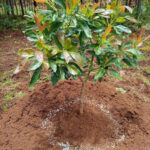
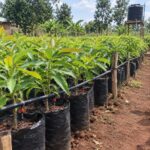
Sourcing Certified Grafted Hass Seedlings
Building a productive, high-yielding avocado orchard starts with sourcing clean, certified planting material. Applying advanced fertilizer, irrigation, and seasonal management to weak or diseased seedlings will lead to poor commercial results.
[ CERTIFIED NURSERY SEEDLING ] ──> [ PROPER FIELD MANAGEMENT ] ──> [ HIGH-EXPORT YIELDS ]
When establishing an orchard, source seedlings from accredited nurseries that propagate certified grafted Hass material using verified, disease-free scions and strong rootstocks. Healthy seedlings develop robust root systems, show strong graft union compatibility, and establish quickly in the field.
Farmers Trend Limited operates nurseries supplying certified grafted Hass avocado seedlings to farmers across Kenya. In addition to supplying high-quality planting stock, Farmers Trend Limited provides agronomy consultancy services to help growers evaluate site suitability, design field layouts, implement nutrition programs, and prepare orchards for long-term commercial production.
Framework for Sourcing Avocados from Kenya
For international importers establishing a procurement program in Kenya, following a structured sourcing framework ensures product quality and operational efficiency.
                   INTERNATIONAL SOURCING FRAMEWORK

  1. VARIETY & VOLUME DEFINITION  ──>  2. SUPPLIER AUDITING & SELECTION
     Specify Hass counts & tons        Verify certifications & precooling
                    │                                │
                    v                                v
  4. OCEAN LOGISTICS EXECUTION    <──  3. QUALITY & MATURITY MAPPING
     Reefer logging & tracking         Mandate dry matter testing certificates
Define Sourcing Requirements: Specify required varieties, target volume schedules, fruit size distributions (counts), packaging formats, and arrival windows.
Audit and Select Suppliers: Partner with licensed Kenyan exporters who operate certified packhouse facilities, maintain full cold chain infrastructure, and hold valid KEPHIS phytosanitary clearances.
Establish Quality Protocols: Agree on clear dry matter thresholds (minimum 21%+ for Hass), Maximum Residue Limits (MRLs), cosmetic defect tolerances, and temperature logging requirements.
Coordinate Transport: Align container bookings with peak packhouse throughput and ocean vessel schedules from the Port of Mombasa.
Maintain Operational Communication: Stay in regular contact with your supplier’s field agronomy team throughout the season to monitor harvest progression and adjust logistics when weather events occur.
Summary Tables
Seasonal Overview of Kenyan Avocado Availability
| Season Phase | Calendar Months | Active Regions / Altitudes | Primary Varieties | Commercial Focus |
| Early Season | February – March | Low to mid-elevation Eastern Kenya, Kisii | Fuerte, early Hass | Opening sea-freight programs; air-freight shipments; domestic sales. |
| Peak Season | April – August | Central Highlands, Rift Valley, Western | Hass, Fuerte | Maximum sea-freight volumes; main European, Asian, and Middle East export programs. |
| Late Season | September – October | High-altitude Central, North Rift Valley | Late Hass | Clearing late-hanging blocks; elevated farm-gate prices; winding down sea freight. |
| Quieter Window | November – January | Scattered microclimates, high altitude | Local, minor Fuerte | Air-freight niche supply; domestic local markets; major orchard pruning and maintenance. |
Responsibilities for Seasonal Export Planning
| Supply Chain Role | Key Pre-Season Tasks | Key In-Season Tasks | Post-Season Tasks |
| Avocado Farmer | Canopy pruning, manure application, irrigation setup, pest monitoring. | Dry matter testing, sanitized field clipping, protecting picked fruit from heat. | Orchard sanitation, soil fertility testing, ordering certified replacement seedlings. |
| Exporter / Packhouse | Outgrower auditing, GlobalGAP checks, machine calibration, ocean bookings. | Field aggregation, forced-air precooling, weight grading, container loading. | Machinery maintenance, commercial buyer reviews, annual reporting. |
| International Importer | Volume forecasting, contract negotiation, arrival spec definition. | Tracking ocean reefers, arrival quality inspections, retail distribution. | Seasonal performance reviews, supplier feedback, contract renewals. |
Planning Ahead for Kenya’s Next Avocado Season
Understanding Kenya’s avocado production landscape requires looking beyond simple calendar dates. The interaction between elevation, varietal genetics, microclimates, and post-harvest cold chain management creates a dynamic supply system that rewards careful planning.
                  THE PATH TO COMMERCIAL SUCCESS

  KNOW THE ELEVATION ──> TEST DRY MATTER ──> PRESERVE COLD CHAIN ──> SECURE MARKETS
For farmers, success comes from monitoring fruit maturity, maintaining clean harvesting practices, and establishing reliable buyer partnerships well before picking begins. For international importers, success relies on partnering with certified, technically capable exporters who prioritize fruit maturity, maintain full cold-chain integrity, and deliver consistent quality.
By replacing guesswork with clear agronomic data, structured quality standards, and proactive logistics planning, growers and buyers can navigate Kenya’s avocado seasons effectively, building profitable, long-term commercial partnerships.
Frequently Asked Questions (FAQs)
1. When is the main avocado harvest season in Kenya?
Kenya’s main commercial avocado export season generally runs from March to October. Peak availability and maximum ocean-container shipments occur between April and August, when primary growing zones across the Central Highlands, Eastern Kenya, and the Rift Valley reach full harvest maturity simultaneously.
2. Are avocados available in Kenya year-round?
Small volumes of avocados are available in Kenya throughout the year for local consumption. However, large-scale commercial export volumes suitable for sea-freight ocean containers are concentrated within the main March-to-October window. The period from November to February is significantly quieter for export operations.
3. What is the peak harvest month for Hass avocados in Kenya?
Peak harvest volumes for Hass avocados occur between May and July. During these mid-year months, mid-to-high altitude orchards in Murang’a, Kiambu, Nyeri, Meru, and the Rift Valley reach optimal dry matter levels concurrently.
4. How does altitude affect avocado harvesting dates in Kenya?
Altitude directly governs temperature, which dictates how fast fruit develops. Low-altitude orchards (< 1,500m) mature early in the year (February – April), mid-altitude orchards (1,500m – 1,800m) mature mid-season (April – July), and high-altitude orchards (> 1,800m) mature late in the season (July – October).
5. What dry matter percentage is required to harvest Hass avocados for export?
For ocean-freight exports, Hass avocados must achieve a minimum dry matter threshold of 21% to 23%. Harvesting below 21% dry matter results in rubbery flesh, uneven ripening, skin shriveling, and high decay rates during sea transit.
6. What is the main difference between Hass and Fuerte avocado seasons in Kenya?
Fuerte green-skin avocados generally flower and mature slightly earlier than Hass, with harvests beginning as early as February in lower-elevation zones. Hass avocados mature slightly later, possess a higher oil content at full maturity, and represent the primary variety used for long-distance sea-freight export.
7. Which counties in Kenya produce the highest volumes of avocados?
Key commercial avocado production counties include Murang’a, Kiambu, Nyeri, Kirinyaga, Meru, Embu, Machakos, Kisii, Bungoma, Trans Nzoia, and Uasin Gishu.
8. Why do agricultural authorities regulate the opening dates for avocado exports in Kenya?
Regulating bodies like KEPHIS and HCD establish official opening and closing dates for avocado sea exports to prevent growers and aggregators from picking immature fruit early in the season. This regulatory oversight protects the international reputation and quality standards of Kenyan produce.
9. What happens if an avocado is harvested before reaching proper maturity?
Immature avocados fail to ripen properly. They lose water rapidly during transit, shrivel externally, develop rubbery, bitter flesh, turn black or brown internally, and become highly susceptible to fungal rot during cold storage.
10. Can irrigation change the avocado harvest season in Kenya?
Irrigation ensures consistent tree health, reduces flower drop during dry spells, and optimizes fruit size, but it does not completely alter the tree’s natural flowering and harvest calendar. Flowering remains largely governed by seasonal temperature shifts and tree biology.
11. What is “fly bloom” in Kenyan avocado farming?
“Fly bloom” refers to a secondary, smaller flowering flush triggered by short rain cycles in October or November. This produces a minor secondary crop that matures out of sync with the primary harvest early in the following year.
12. How do exporters transport avocados from farms to packhouses?
Harvested avocados are clipped using shears, placed into plastic field crates, kept in shaded collection areas, and transported in covered, ventilated trucks to centralized packhouses where they undergo washing, grading, precooling, and cold storage.
13. What container pulp temperature is required for sea-freight avocado exports?
During ocean transit, refrigerated containers (reefers) maintain core pulp temperatures between 5°C and 7°C (depending on fruit maturity and voyage duration) to slow respiration and extend shelf life.
14. What are the primary export markets for Kenyan avocados?
Key international destinations for Kenyan avocados include countries across the European Union (e.g., the Netherlands, France, Spain, Germany), the United Kingdom, the Middle East (e.g., UAE, Saudi Arabia, Qatar), China, India, and emerging Asian markets.
15. How do I know if an avocado on the tree is mature without cutting it?
While physical signs like skin dullness, seed coat darkening, and fruit size provide rough indicators, commercial readiness must be verified using laboratory dry matter testing with drying ovens or calibrated near-infrared (NIR) scanners.
16. What is the difference between domestic and export market specifications in Kenya?
Export markets mandate strict dry matter levels, certified residue limits (MRLs), specific weight-size counts, GlobalG.A.P. compliance, and defect-free skin. Domestic markets accept wider sizing variations, minor cosmetic skin blemishes, and flexible maturity levels for immediate consumption.
17. How does high altitude extend the avocado supply window in Kenya?
Cool temperatures at high elevations (> 1,800m) slow down tree metabolism and oil synthesis, allowing fruit to hang safely on the branches through September and October without over-maturing, extending national supply into late autumn.
18. What causes alternate bearing in avocado orchards?
Alternate bearing occurs when a heavy crop load one year drains the tree’s carbohydrate and nutrient reserves, leaving insufficient energy for the following season’s flower set. Proper pruning, balanced nutrition, and timely harvesting help minimize this cycle.
19. Why should international buyers establish sourcing contracts early in the year?
Booking contracts early (between October and January) guarantees volume allocations from top packhouses, secures custom packaging, establishes clear quality specs, and locks in ocean shipping schedules before peak-season competition begins.
20. Where can I buy certified grafted Hass avocado seedlings in Kenya?
Certified grafted Hass avocado seedlings can be sourced directly from accredited nurseries such as Farmers Trend Limited, which provides disease-indexed planting stock alongside professional agronomy consultancy for commercial orchard establishment.
https://farmerstrend.co.ke/fruits/avocado-farming/kenyas-avocado-season-availability-guide/https://farmerstrend.co.ke/wp-content/uploads/2026/10/Understanding-Kenyas-Avocado-Seasons-1024x682.jpeghttps://farmerstrend.co.ke/wp-content/uploads/2026/10/Understanding-Kenyas-Avocado-Seasons-150x150.jpegAvocado Farming# TrendingFruitsUnderstand Kenya’s avocado season, harvest periods, regional availability, and export windows for Hass and Fuerte to plan successful international sourcing.Kenya's Avocado Season Guide: Harvest Calendar, Varieties and Export Planning An international produce buyer contacting an exporter in Nairobi with a simple question - 'Do you have avocados in Kenya...FarmersTrendjohn doefarmerstrend@gmail.comAdministratorFarmers Trend Ltd.





Leave a Reply