Why Vegetable Farming in Kenya is a Smart Investment
Vegetable farming has quietly become one of the most attractive investments in Kenya’s agricultural sector. With demand rising in both local markets and export destinations, farmers who take this path often find themselves smiling all the way to the bank. From sukuma wiki sold in roadside kiosks to high-value crops like capsicum and cherry tomatoes destined for supermarkets, vegetables offer unmatched returns per unit of land compared to many other crops.

So, why exactly should you think seriously about vegetable production in Kenya?
Growing Demand for Vegetables in Kenya
Kenya’s population is growing fast, and with it the demand for fresh, nutritious vegetables. Urbanisation has changed eating habits, with many families preferring quick-to-cook vegetables. Hotels, schools, hospitals, and restaurants consume large volumes daily. Nairobi, Mombasa, Kisumu, Nakuru, and Eldoret provide thriving urban markets.
Beyond domestic consumption, Kenya is positioning itself as an exporter of fresh produce. European Union countries, the Middle East, and regional neighbors like Uganda and South Sudan provide ready markets for Kenyan vegetables such as French beans, snow peas, African bird’s eye chilies, and baby corn.
Why Vegetable Farming Pays Better than Many Crops
Unlike crops like maize which require large tracts of land and longer growth cycles, vegetables mature fast and deliver high returns within weeks or months. For example:
- Sukuma wiki (kale) matures in 30–45 days and can be harvested continuously for months.
- Tomatoes are ready in 70–90 days and fetch high prices in urban markets.
- Capsicum (green pepper) takes 75–90 days and attracts buyers in supermarkets, hotels, and exporters.
- Cabbage matures in 90–120 days and has steady demand throughout the year.
A farmer with just a quarter acre of land under tomatoes or capsicum can earn far more than a farmer growing maize on the same piece of land.
Key Requirements for Success in Vegetable Farming
Farming in Kenya is no longer cheap. Rising costs of inputs, erratic rainfall, and climate change have raised the stakes. Success in vegetable farming requires preparation and discipline. Here are critical factors to consider:

High-Quality Seed Varieties
Choose hybrid or open-pollinated varieties that suit your region. For example, hot and dry areas like Makueni or Kitui require drought-tolerant varieties, while cooler zones like Kiambu or Nyandarua need varieties resistant to fungal diseases.Irrigation Systems
Kenya’s unreliable rainfall means irrigation is a must. Drip irrigation is the smartest option because it saves water and applies fertilizer directly to the root zone. Sprinkler irrigation suits leafy vegetables like sukuma wiki and spinach. Smallholder farmers are also adopting solar-powered pumps to reduce energy costs.Crop Management Knowledge
Understanding crop physiology helps in planning planting cycles, fertilizer application, spraying, and harvesting. For instance, tomatoes require staking and pruning for better yields, while cabbages need spacing to avoid head rot.Market Awareness
Timing is everything. Many farmers flood markets with tomatoes in December, leading to price crashes. Smart farmers plan to harvest when supply is low, such as during school opening terms or dry seasons when prices are higher.Pest and Disease Control
Vegetables are highly vulnerable to pests such as aphids, whiteflies, and caterpillars, and diseases like bacterial wilt, blight, and powdery mildew. Integrated Pest Management (IPM) is the most sustainable approach. It combines resistant varieties, good hygiene, biological control, and minimal chemical use.Security and Investment Protection
Theft of produce is a growing problem, especially in peri-urban areas. Farmers need fencing, night guards, or community-based security systems to protect their investments.Expert Guidance and Training
Many farmers fail because they rely on trial-and-error methods. Extension officers, agronomists, and agritech firms provide valuable knowledge that prevents costly mistakes.
Profitable Vegetable Options in Kenya
While sukuma wiki remains the most common crop for both rural and urban farmers, high-value vegetables are gaining popularity. Examples include:
- Tomatoes: High demand year-round, especially in Nairobi, Kisumu, and Nakuru.
- Onions: High returns, with prices peaking when imports from Tanzania reduce.
- Capsicum (green, yellow, red peppers): Attracts premium prices in supermarkets and export markets.
- Cabbage: Popular across households, schools, and institutions.
- Chilies (habanero, African bird’s eye): High-value cash crop with export potential.
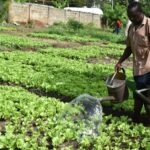
- Spinach: Fast-maturing, consistent demand.
Challenges Facing Vegetable Farmers in Kenya

Despite the potential, vegetable farming has hurdles:
- High cost of inputs like fertilizer and pesticides.
- Unpredictable rainfall patterns due to climate change.
- Market exploitation by brokers who underpay farmers.
- Lack of cold storage leading to post-harvest losses.
- Limited access to affordable credit for smallholder farmers.
Why Habanero Pepper is a Hidden Gem
From personal experience, habanero pepper is one of the most rewarding crops for Kenyan farmers. It thrives in warm areas such as Machakos, Kitengela, and parts of Western Kenya. With proper spacing, irrigation, and good market links, habanero pepper can earn over Ksh 600,000 per acre per season. Exporters are always on the lookout for quality chili.
Greenhouse vs Open-Field Vegetable Production
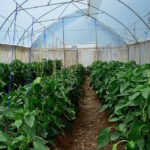
Greenhouse Farming: Offers controlled environments, reduced pest pressure, and higher yields. Suitable for tomatoes, capsicum, and cucumbers. Initial costs are high, but returns are significant if managed well.
Open-Field Farming: Cheaper to start, accommodates large-scale production, and suits crops like cabbage, onions, and sukuma wiki. Risks include pest attacks and weather changes.
Practical Tips for Aspiring Vegetable Farmers
- Start small, master one crop, then expand.
- Keep records of expenses and yields to track profitability.
- Join farmer groups or cooperatives to access bulk markets.
- Explore value addition, such as drying chilies or processing tomato paste.
- Use certified seedlings from trusted nurseries to avoid crop failure.
Final Word
Vegetable farming in Kenya is not just about planting seeds. It is about planning, precision, and persistence. Whether you start from a backyard garden, an open field, or a modern greenhouse, opportunities exist for both small and large-scale farmers. With growing demand, changing diets, and export opportunities, vegetable farming is one of the smartest investments today.
So, what’s stopping you? The best time to start is now.
https://farmerstrend.co.ke/trending/why-vegetable-farming-in-kenya-is-a-smart-investment/https://farmerstrend.co.ke/wp-content/uploads/2025/09/1759003171276-768x1024.jpghttps://farmerstrend.co.ke/wp-content/uploads/2025/09/1759003171276-150x150.jpg# Trendingbest irrigation for vegetables in kenya,best vegetables to grow in kenya,cabbage farming in kenya,Capsicum farming in kenya,chili farming in kenya,cost of vegetable farming in kenya,drip irrigation for vegetables kenya,export vegetables from kenya,greenhouse farming in kenya,greenhouse tomato production kenya,habanero farming in kenya,horticulture crops in kenya,horticulture farming in kenya,hybrid vegetable seeds kenya,onion farming in kenya,open field vegetable farming,organic vegetable farming in kenya,pest control in vegetable farming,profitable vegetable crops in kenya,small scale vegetable farming in kenya,spinach farming in kenya,sukuma wiki farming in kenya,tomato farming in kenya,vegetable demand in kenya,vegetable farmers in kenya,vegetable farming advice kenya,vegetable farming agribusiness kenya,vegetable farming agronomy kenya,vegetable farming benefits kenya,vegetable farming business plan kenya,vegetable farming capital kenya,vegetable farming challenges kenya,vegetable farming climate kenya,vegetable farming cooperatives kenya,vegetable farming export opportunities kenya,vegetable farming extension services kenya,vegetable farming fertilizers kenya,vegetable farming for beginners kenya,vegetable farming future kenya,vegetable farming guide kenya,vegetable farming in kenya,vegetable farming institutions kenya,vegetable farming investments kenya,vegetable farming land preparation kenya,vegetable farming loans kenya,vegetable farming mistakes kenya,vegetable farming opportunities kenya,vegetable farming peri urban kenya,vegetable farming pesticides kenya,vegetable farming prices kenya,vegetable farming profitability analysis kenya,vegetable farming profits kenya,vegetable farming returns kenya,vegetable farming returns per acre kenya,vegetable farming risks kenya,vegetable farming rural kenya,vegetable farming soil requirements kenya,vegetable farming solutions kenya,vegetable farming storage solutions kenya,vegetable farming success kenya,vegetable farming success stories kenya,vegetable farming systems kenya,vegetable farming technologies kenya,vegetable farming tips kenya,vegetable farming tools kenya,vegetable farming training kenya,vegetable farming urban kenya,vegetable farming value addition kenya,vegetable irrigation systems kenya,vegetable market prices kenya,vegetable production costs kenya,vegetable production in kenya,vegetable seedlings suppliers kenyaVegetable farming has quietly become one of the most attractive investments in Kenya’s agricultural sector. With demand rising in both local markets and export destinations, farmers who take this path often find themselves smiling all the way to the bank. From sukuma wiki sold in roadside kiosks to high-value...FarmersTrendjohn doefarmerstrend@gmail.comAdministratorFarmers Trend Ltd.








Leave a Reply