Cherry Guava Farming in Kenya: 2026 Complete Profit & Growing Guide
Introduction to Cherry Guava Farming in Kenya
Cherry guava farming in Kenya is emerging as a smart agricultural venture for farmers seeking high value fruit crops with strong market potential. Known scientifically as Psidium cattleianum, this small, flavorful fruit offers multiple advantages for Kenyan growers. This comprehensive guide by Farmers Trend Ltd. addresses every question farmers have about cherry guava farming in Kenya. You will learn about the exact profitability per acre, the complete growing timeline, optimal planting conditions, and where to source quality seedlings. Whether you have a small homestead or commercial farmland, this information provides the foundation for building a successful cherry guava enterprise that can generate substantial income for years to come.

Understanding Cherry Guava: The Fruit and Its Benefits
Before starting cherry guava farming in Kenya, it is important to understand what makes this fruit special. Cherry guava produces small, round fruits that range from yellow to deep red when ripe. The fruits are about two to four centimeters in diameter with a sweet, aromatic flavor that combines notes of strawberry, guava, and tropical fruit. The skin is edible, and the flesh contains numerous small seeds.
The benefits of cherry guava are numerous and contribute to its growing popularity. The fruits are exceptionally rich in vitamin C, containing up to four times more than oranges. They are also a good source of dietary fiber, antioxidants, and essential minerals. The leaves of the cherry guava tree have traditional medicinal uses and can be brewed into tea. Many people ask if cherry guava is good for diabetes. The fruit has a low glycemic index and contains compounds that may help regulate blood sugar levels, making it suitable for diabetic diets when consumed in moderation. However, individuals with diabetes should consult healthcare providers regarding their specific dietary plans.
The question of why guava is called poor man’s apple or why is guava known as poor man’s apple has historical roots. This nickname originated because guava trees are highly productive and require minimal care compared to many fruit trees, making the fruit abundantly available to people across economic classes. The cherry guava variety shares this characteristic of being a reliable, low maintenance producer of nutritious fruit.
Growth Timeline and Fruiting Expectations
One of the most common questions about cherry guava farming in Kenya concerns the time required before harvesting begins. How long does cherry guava take to fruit? From planting a grafted seedling, cherry guava trees typically begin flowering and fruiting within one to two years. Some well cared for trees may produce a small crop in their first year after planting.
A related question is how many years does it take for a guava tree to bear fruit? While standard guava varieties (Psidium guajava) may take two to four years, cherry guava generally fruits more quickly due to its smaller size and different growth habit. This faster production timeline makes cherry guava farming in Kenya attractive for farmers seeking quicker returns on their investment.
Regarding how quickly does a cherry tree grow, cherry guava trees have a moderate growth rate. In optimal conditions, they can grow thirty to sixty centimeters per year. How big is a three year old cherry tree? A three year old cherry guava tree typically reaches one and a half to two meters in height with a similar spread, and it should be producing regular fruit crops by this age.
The lifespan of a cherry guava tree is substantial. With proper care, these trees can remain productive for twenty to thirty years, though they may continue living and fruiting beyond this period with reduced yields. This longevity makes cherry guava farming in Kenya a long term investment that can provide income for decades.
Profitability Analysis and Market Potential
The financial aspect of cherry guava farming in Kenya deserves careful consideration. A mature cherry guava tree can produce between ten and twenty kilograms of fruit annually under good management. With optimal spacing allowing approximately four hundred trees per acre, an acre could yield four thousand to eight thousand kilograms of fruit each year.
Current market prices for exotic fruits like cherry guava in Kenya’s urban centers are promising. Fresh cherry guava sells for between two hundred and four hundred Kenya Shillings per kilogram in premium markets. Processed products such as jams, juices, and dried fruits command even higher prices. During periods of low supply, prices can increase significantly.
Calculating cherry guava farming profit requires considering both revenue and costs. If an acre produces six thousand kilograms of fruit sold at an average price of three hundred Shillings per kilogram, the gross revenue would be 1,800,000 Kenya Shillings annually. Establishment costs for one acre, including quality seedlings, land preparation, irrigation infrastructure, and initial care, typically range from 300,000 to 500,000 Kenya Shillings. Annual maintenance costs after establishment are relatively modest, usually between 100,000 and 200,000 Kenya Shillings per acre.
This financial analysis shows that cherry guava farming in Kenya can generate substantial net profits, potentially exceeding 1,500,000 Kenya Shillings per acre annually once trees reach full production. The combination of good prices, reliable yields, and relatively low maintenance requirements makes cherry guava a compelling option for farmers considering diversification or seeking high value crops.
Ideal Ecological Conditions for Success
Successful cherry guava farming in Kenya requires understanding where cherry guava grows best and providing appropriate environmental conditions. Cherry guava is surprisingly adaptable but performs optimally under specific parameters.
The tree thrives in areas with moderate temperatures between fifteen and twenty eight degrees Celsius. It can tolerate brief temperature drops but may suffer damage from frost. In Kenya, this makes many mid altitude regions between one thousand and two thousand meters above sea level ideal for cultivation.
Cherry guava prefers well distributed rainfall of one thousand to fifteen hundred millimeters annually. However, it is moderately drought tolerant once established. The question of do guava trees need a lot of water has a nuanced answer. While consistent moisture improves growth and fruiting, cherry guava can survive dry periods better than many fruit crops. Supplemental irrigation during extended droughts and the fruiting season significantly boosts yield and fruit quality.
Soil requirements are flexible but important. Cherry guava grows best in well drained, fertile soils rich in organic matter. The ideal soil pH ranges from 5.5 to 7.0. Heavy clay soils should be amended with organic material to improve drainage. The tree develops a relatively shallow root system, so soil quality in the top layers is particularly important.
Sunlight requirements are specific. Cherry guava trees need full sun for optimal fruit production, meaning at least six to eight hours of direct sunlight daily. While they tolerate partial shade, reduced sunlight decreases flowering and fruiting. Where to plant cherry guava should therefore prioritize sunny locations protected from strong winds that could damage branches or flowers.

Complete Step by Step Planting Guide
This practical guide covers everything needed to establish a successful cherry guava orchard in Kenya.
Begin by sourcing quality planting material. Farmers can purchase certified cherry guava seedlings from reputable suppliers like Farmers Trend nurseries, which have locations in Nairobi and Muthaiga, or through their convenient online virtual agrovet platform. Starting with healthy, true to type seedlings ensures faster establishment and earlier production.
Prepare your land thoroughly. Clear all weeds and debris, then plough to a depth of at least thirty centimeters. Test your soil pH and amend if necessary to reach the optimal range. Incorporate well rotted manure or compost at a rate of ten to fifteen tons per acre to improve soil structure and fertility.
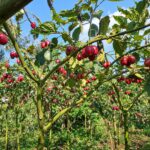
Proper spacing is crucial for long term orchard health. How much space does a guava tree need or how much space does a cherry tree need depends on the specific variety and growing system. For cherry guava, recommended spacing is three to four meters between trees in all directions. This spacing gives a population per acre of approximately two hundred fifty to four hundred fifty trees, depending on the exact measurement chosen. Adequate spacing ensures each tree receives sufficient sunlight and air circulation while allowing space for equipment access and maintenance activities.
The best planting time in Kenya is at the beginning of the rainy season, typically March to April for long rains or October to November for short rains. This gives seedlings natural moisture for establishment without excessive irrigation costs.
Dig planting holes at least sixty centimeters wide and deep. Mix the excavated soil with five to ten kilograms of well rotted manure or compost. Place the seedling in the hole at the same depth it was in the nursery container. Backfill with the soil mixture, water thoroughly, and apply mulch around the base to conserve moisture and suppress weeds. Staking young trees may be necessary in windy locations.
Care and Maintenance Practices
Ongoing care determines the success of cherry guava farming in Kenya. How to care for cherry guavas involves several key practices that ensure healthy growth and maximum production.
Irrigation management is important, especially during the first two years while trees establish their root systems. Water young trees weekly during dry periods. Mature trees benefit from deep watering every two to three weeks during extended dry spells, with increased frequency during flowering and fruit development. Drip irrigation provides efficient water delivery directly to the root zone.
Fertilization supports growth and fruiting. What is the best fertilizer for guava trees? A balanced approach works well. Apply well rotted manure or compost annually around the drip line of each tree. Supplemental fertilization with a balanced NPK formula (such as 10:10:10) three to four times per year during the growing season supports healthy development. As trees begin fruiting, additional potassium and phosphorus support flower formation and fruit quality.
Pruning maintains tree health and productivity. How to prune a cherry guava tree involves several considerations. Prune to maintain an open canopy structure that allows sunlight penetration and air circulation. Remove dead, diseased, or crossing branches. Thin crowded growth to reduce competition. Shape young trees to develop a strong framework. The best time for major pruning is after harvest or during the dry season when disease pressure is lower.
Pollination is generally not a concern for cherry guava. Is cherry guava self pollinating? Yes, the flowers contain both male and female parts and are capable of self fertilization. However, cross pollination by insects, particularly bees, can improve fruit set and quality. Having multiple trees nearby encourages better pollination through increased insect activity.
Pest and disease management requires regular monitoring. Common issues include fruit flies, scale insects, and fungal diseases like anthracnose. Implementing integrated pest management strategies, including proper sanitation, biological controls, and targeted use of approved pesticides when necessary, provides effective protection. Regular inspection allows early intervention before problems become severe.
Harvesting and Post Harvest Handling
Knowing when and how to harvest maximizes fruit quality and shelf life. Cherry guava fruits are ready for harvest when they achieve their full color, from yellow to deep red depending on variety, and yield slightly to gentle pressure. The fruits should come away easily from the stem when ripe.
Harvest carefully to avoid bruising the delicate fruits. Use shallow containers to prevent crushing during collection. Handle fruits gently as they are more fragile than standard guavas. Harvest regularly during the fruiting season, typically every two to three days, to collect fruits at optimal maturity.
For those asking can you freeze cherry guava, the answer is yes. Freezing extends shelf life significantly. Wash and dry fruits thoroughly before freezing. They can be frozen whole or sliced. Frozen cherry guava works well for smoothies, cooked dishes, and processing into jams or sauces later.
Post harvest handling affects market value. Sort fruits by size and quality, removing any damaged or diseased specimens. For fresh market sales, package fruits in clean, ventilated containers to prevent moisture buildup. Properly handled cherry guava can maintain quality for one to two weeks under cool storage conditions.

Marketing and Value Addition
Developing reliable markets is crucial for commercial success in cherry guava farming in Kenya. Marketing channels include direct sales at farmers markets, supplying specialty stores and supermarkets in urban areas, partnering with hotels and restaurants, and exploring export opportunities to regional markets.
Value addition significantly increases profitability. Processing cherry guava into jams, jellies, juices, dried fruits, or wine extends shelf life and commands higher prices. The unique flavor profile makes cherry guava products distinctive in the marketplace. Developing branded products with attractive packaging can capture premium market segments.
Educating consumers about cherry guava benefits creates market demand. Offering samples, providing recipes, and highlighting nutritional advantages helps introduce this fruit to new customers. As awareness grows, market opportunities expand.
Challenges and Solutions
While promising, cherry guava farming in Kenya presents challenges that farmers must manage. Pest pressure, particularly from fruit flies, requires vigilant monitoring and control measures. Market development takes time as consumer familiarity with cherry guava grows. Perishability necessitates efficient post harvest handling and marketing systems. Climate sensitivity in some regions may require protective measures during temperature extremes.
Solutions include implementing integrated pest management, developing relationships with buyers before harvest, investing in proper post harvest infrastructure, and selecting appropriate planting sites. Joining farmer associations provides collective marketing power and knowledge sharing opportunities.
Getting Started with Farmers Trend
For farmers interested in cherry guava farming in Kenya, Farmers Trend provides essential support through their nurseries in Nairobi and Muthaiga and their online virtual agrovet platform. They offer quality cherry guava seedlings, expert advice on establishment and management, market information, and growing resources. Their convenient access points make starting a cherry guava enterprise accessible to farmers across Kenya.
https://agrovet.farmerstrend.co.ke/online-agrovet/farm-inputs/cherry-guava-seedlings/
With proper planning, suitable site selection, quality planting material from reliable sources, and attention to management practices, cherry guava farming in Kenya can become a highly profitable component of a diversified agricultural enterprise. This crop offers both nutritional produce and excellent economic returns in Kenya’s evolving fruit market.
As consumer preferences shift toward healthy, exotic fruits and as farmers seek high value alternatives to traditional crops, cherry guava presents a timely opportunity. By addressing production challenges, developing strong market linkages, and implementing good agricultural practices, Kenyan farmers can successfully establish cherry guava as a valuable addition to the country’s horticultural portfolio, generating income and contributing to food diversity for years to come.
https://farmerstrend.co.ke/trending/cherry-guava-farming-in-kenya-profit-guide/https://farmerstrend.co.ke/wp-content/uploads/2026/01/1745071852246-1024x1024.jpeghttps://farmerstrend.co.ke/wp-content/uploads/2026/01/1745071852246-150x150.jpeg# TrendingCherry Guava FarmingFruitsIntroduction to Cherry Guava Farming in KenyaCherry guava farming in Kenya is emerging as a smart agricultural venture for farmers seeking high value fruit crops with strong market potential. Known scientifically as Psidium cattleianum, this small, flavorful fruit offers multiple advantages for Kenyan growers. This comprehensive guide by Farmers...FarmersTrendjohn doefarmerstrend@gmail.comAdministratorFarmers Trend Ltd.




Leave a Reply