Fig Farming in Kenya: The 2026 Money Guide to Earning Millions from Africa’s Most Underestimated Fruit
Fig Farming in Kenya: The 2026 Guide to Harvesting The Fruit of the Gods for High Profit
Fig farming in Kenya is the most underestimated horticultural venture in 2026. While farmers rush to plant avocados and macadamia, a small group of smart investors are quietly establishing fig orchards. They understand something most farmers miss. Figs are drought-tolerant, low-maintenance, and fetch prices of one thousand to three thousand shillings per kilogram in high-end Nairobi markets.

The fruit of the gods has a history stretching back thousands of years. In Kenya, fig farming remains in its infancy. This creates opportunity. Few farmers supply the market. Demand from hotels, health-conscious consumers, and export buyers continues growing. Farmers Trend sells fig seedlings at competitive prices for those starting their journey into this profitable venture.
Figs offer returns that justify attention. A well-managed acre yields four to five tons of fruit annually. At farm-gate prices of five hundred shillings per kilogram, gross revenue reaches two million shillings. With prices touching one thousand shillings in premium markets, the potential exceeds four million shillings per acre.
This guide by Farmers Trend Ltd. covers everything you need to know about fig farming in Kenya. You will learn about varieties, planting techniques, the difference between sacred and edible figs, and how to harvest twice yearly. Read on to discover why fig farming in Kenya deserves your attention in 2026.
Identifying the True Fig: Edible Versus Sacred
Many Kenyans hesitate to plant figs due to cultural beliefs. This confusion requires immediate clarification.
Is Mugumo tree the same as fig tree? No, they are entirely different. The Mugumo tree belongs to the Ficus family, specifically Ficus thonningii. It grows wild across Kenya and holds deep spiritual significance for communities around Mount Kenya. Elders perform ceremonies under Mugumo trees when praying for rain.
The edible fig is Ficus carica. This is the Mediterranean fig cultivated for thousands of years for its sweet, nutritious fruit. It is not sacred. It is not protected. It is simply a fruit tree you can plant and harvest like any other.
Do not eat the fruit of a Mugumo expecting the sweet taste of a Mediterranean fig. Mugumo fruits are small, dry, and inedible. The confusion between these two trees has held back fig farming in Kenya for too long. Understanding this difference opens the door to profitable cultivation.
How Many Years Does It Take for a Fig to Produce Fruit
Fig farming in Kenya rewards farmers with quick returns compared to other fruit trees. From a rooted cutting, you can expect first fruits in six to eight months. These early fruits are few, but they signal that your tree is on track.
Commercial production begins in year three. By this time, trees have developed strong root systems and branching structures. Each tree produces five to ten kilograms of fruit in the third year. Production increases annually as trees mature.
Full production arrives in year five to seven. Mature trees yield twenty to thirty kilograms each. With two hundred seventy trees per acre, this translates to five thousand to eight thousand kilograms of fruit annually.
The quick return on investment makes fig farming in Kenya attractive. You wait years for avocados or macadamia to produce. Figs start paying within months of planting.
Can Figs Grow in Kenya
Figs thrive in Kenyan conditions. Fig farming in Kenya succeeds across diverse agro-ecological zones.
Warm areas with well-drained soils produce the best results. Machakos, Makueni, Kitui, and parts of Meru offer ideal conditions. The warm days and moderate nights suit fig development perfectly.
Naivasha and the surrounding areas also perform well. The volcanic soils and reliable water sources support vigorous growth. Farmers near Lake Naivasha have established productive orchards.
Coastal regions provide year-round warmth. Figs grow continuously in these conditions, though humidity requires attention to disease management. Mombasa, Kilifi, and Kwale offer potential for fig farming in Kenya.
Highland areas like Kiambu and Murang’a succeed with proper variety selection. Choose varieties suited to slightly cooler conditions. Protect young trees from frost in the highest areas.
The adaptability of figs means farmers across Kenya can participate. Fig farming in Kenya is not limited to specific regions. With proper management, figs grow almost anywhere.
How Many Figs Per Acre
Planting density determines your production potential. Fig Fruit farming in Kenya uses spacing that balances individual tree growth with total orchard yield.
Standard spacing for commercial fig orchards is three meters by five meters. This gives you two hundred seventy trees per acre. The three meters between trees allows each tree room to spread. The five meters between rows provides access for harvesting and maintenance.
Some farmers plant closer at three meters by four meters. This increases tree numbers to three hundred thirty per acre. You get more trees but each tree has less space. Management must be more intensive to prevent overcrowding.
Wider spacing of four meters by five meters gives two hundred trees per acre. Trees grow larger with this spacing, potentially producing more per tree. Total yield per acre may be similar to closer spacing.
At full production, each tree yields twenty to thirty kilograms. With two hundred seventy trees, your annual harvest reaches five thousand four hundred to eight thousand one hundred kilograms. This volume at good prices creates substantial income.
What Is the Best Month to Plant Figs
Timing affects establishment success. Fig farming in Kenya benefits from planting during favorable weather windows.
March is the ideal planting month. The long rains start in March and continue through May. Young trees establish quickly with natural rainfall. Root systems develop before the dry season arrives.
October offers another excellent planting window. The short rains begin in October and continue through November. Trees planted at this time benefit from good moisture and establish well before the main dry season.
Year-round planting works with irrigation. If you have reliable water, plant any month. Fig farming in Kenya with drip irrigation removes dependence on rain. Young trees need consistent moisture regardless of season.
Avoid planting during peak dry months without irrigation. January to February and August to September stress young trees. Heat and dry soil slow growth and can kill new plants.
Plant in the morning when temperatures are cool. Water immediately after planting. Mulch heavily to retain soil moisture. Your fig farming in Kenya venture starts with proper establishment.
Does Fig Grow All the Twelve Months
Figs in Kenya grow throughout the year. Unlike temperate regions where figs go dormant in winter, Kenyan conditions allow continuous growth.
The trees are evergreen in warm climates. They retain their leaves year-round and grow whenever conditions favor it. This continuous growth supports two harvest cycles annually.
Growth rates vary with seasons. Warm, wet months produce rapid growth. Cool, dry months slow growth but do not stop it. The trees rest briefly but never enter full dormancy.
This continuous growth means fig farming in Kenya produces more fruit per year than in traditional fig-growing regions. Two harvests annually double your income potential.
What Is the Lifespan of a Fig Tree
Longevity makes figs a superior investment. Fig farming in Kenya offers productive life unmatched by most fruit trees.
Fig trees live thirty to fifty years with proper care. Some specimens in their native Mediterranean regions exceed one hundred years. Your orchard can serve you for decades once established.
The first five years build the tree structure. Branches develop and the root system expands. Early production increases each year during this period.
Years six through twenty represent peak production. Trees are mature and fully developed. They produce maximum fruit annually with good management. This is your high-income period.
Years twenty-one to fifty see gradual changes. Production may stabilize or decline slightly. Some branches age and need replacement. But trees continue producing valuable crops with appropriate care.
Maintenance affects longevity. Regular pruning removes old wood and encourages new growth. Good nutrition keeps trees vigorous. Pest and disease control prevents problems that shorten life.
Your children and grandchildren can benefit from the orchard you plant today. Fig farming in Kenya creates generational wealth.

What Is the Best Location to Plant a Fig Tree
Site selection determines long-term success. Fig farming in Kenya requires attention to location factors.
Full sun is non-negotiable. Figs need six to eight hours of direct sunlight daily. Shaded trees produce fewer fruits with lower sugar content. Choose open sites away from tall trees or buildings.
Well-drained soil is essential. Figs cannot tolerate waterlogged roots. Sandy loam soils with good organic matter content are ideal. Avoid heavy clay soils that hold water.
Soil pH should range from six to six point five. Slightly acidic to neutral conditions suit figs best. Test your soil before planting. Add lime to raise pH or sulfur to lower it based on test results.
Slope affects drainage and frost risk. Gentle slopes provide good air drainage and reduce frost potential. Avoid valley bottoms where cold air settles and frost forms.
Wind protection improves growth. Strong winds damage leaves and can break branches. Plant windbreaks on exposed boundaries. Choose naturally sheltered sites where available.
Do Figs Prefer Sun or Shade
Sunlight drives fig production. Fig farming in Kenya succeeds only in full sun.
Figs evolved in the sunny Mediterranean basin. They need intense light to produce sweet, high-quality fruit. Trees in shade produce fewer fruits with lower sugar content. The fruits that do form lack the characteristic fig sweetness.
Sun exposure affects ripening. Fruits on sun-facing sides of trees ripen earlier and sweeter than those in shade. Proper pruning opens the canopy to let light reach all parts of the tree.
Morning sun is especially important. It dries dew from leaves quickly, reducing disease pressure. It also drives photosynthesis throughout the day.
Choose your planting site with sunlight as the priority. Avoid areas shaded by buildings, hills, or larger trees. South-facing slopes in the southern hemisphere receive maximum sun exposure.
How to Speed Up Fig Tree Growth
Fast growth means faster returns. Fig farming in Kenya responds to management practices that accelerate development.
Mulching is the most effective growth booster. Apply a thick layer of dry grass or other organic material around each tree. Mulch keeps soil cool and moist. It suppresses weeds that compete for nutrients. It adds organic matter as it decomposes.
Regular irrigation supports continuous growth. Figs need consistent moisture, especially during establishment. Drip irrigation delivers water efficiently without wetting leaves. Water stress slows growth and delays production.
Nitrogen-rich organic manure fuels vegetative growth. Apply well-decomposed manure around trees twice yearly. Manure provides slow-release nutrition that supports steady growth. Avoid fresh manure that can burn roots.
Compost tea provides quick nutrient boosts. Apply monthly during active growth periods. This liquid fertilizer delivers nutrients directly to roots for rapid uptake.
Remove competing vegetation. Keep a clean circle around each tree. Weeds and grass steal water and nutrients that should go to your figs. Mulching helps control weeds naturally.
Prune properly to direct growth. Remove crossing branches and inward-growing shoots. Focus the tree’s energy on developing strong structure. Proper pruning produces faster growth than letting trees grow wild.
How Many Times a Year Do Fig Trees Produce
Fig farming in Kenya offers two harvests annually. This double production sets figs apart from most fruit trees.
The first crop is called the breba crop. It develops on last year’s wood and ripens early in the season. In Kenya, breba crops typically ripen in June and July. These fruits are often larger but fewer in number than the main crop.
The main crop develops on new growth. It ripens later in the season, usually from October to December. This crop produces the bulk of your harvest. Fruits are abundant and of excellent quality.
Some varieties produce continuously under ideal conditions. Warm, frost-free environments encourage ongoing flowering and fruiting. Kenyan conditions support extended production cycles.
The two harvests mean two income streams annually. You receive payments in mid-year and again at year end. This cash flow supports your farm operations throughout the year.
Management affects harvest timing. Pruning, fertilization, and irrigation influence when trees flower and fruit. Experienced farmers manipulate these factors to optimize harvest windows.
Do Figs Need Two Trees
Most edible fig varieties are self-fertile. Fig farming in Kenya does not require planting multiple varieties for pollination.
Brown Turkey, the most common commercial variety, is self-fertile. A single tree produces fruit without needing another tree nearby. This simplifies orchard planning and management.
Black Mission and White Genoa are also self-fertile. These varieties set fruit reliably on their own. You can plant a single variety across your entire orchard.
Some fig varieties require cross-pollination. These are less common in commercial production. Your seedling supplier will advise if you choose a variety with special requirements.
The fig wasp plays a role in wild fig pollination. But commercial edible figs produce fruit without wasp intervention. You do not need to introduce wasps to your orchard.
Planting multiple varieties offers other benefits. Different varieties ripen at different times, extending your harvest season. Varieties also differ in flavor, color, and market appeal.
Will Figs Ripen in October
October ripening aligns with the main crop cycle. Fig farming in Kenya produces significant harvests during this month.
If your tree produces its second crop in August, fruits will ripen in October. The main crop takes eight to ten weeks from fruit set to maturity. August flowering leads to October harvest.
Weather conditions affect ripening speed. Warm October days accelerate ripening. Cool, cloudy weather slows it down. Fruits on sun-exposed branches ripen first.
Signs of ripeness guide harvest timing. Ripe figs become soft to touch. The skin changes color according to variety. A drop of sweet liquid appears at the fruit base. Birds start showing interest in ripening fruits.
Harvest figs at peak ripeness for best flavor. Unlike many fruits, figs do not continue ripening after picking. Harvest only what you can sell or process immediately.
The Gross Truth About Figs
Many people avoid figs due to misconceptions. Understanding the truth helps you market your fruit confidently.
The crunch you feel when eating a fig is the seed, not insect parts. Each fig contains hundreds of tiny seeds that provide the characteristic texture. These seeds are completely harmless and add nutritional value.
The relationship between figs and wasps fascinates biologists. Female wasps enter wild figs to lay eggs. The fig produces enzymes that digest the wasp completely. Nothing recognizable remains in the mature fruit.
Commercial edible figs produce fruit without wasp intervention. Most varieties grown in Kenya are parthenocarpic, meaning they set fruit without pollination. You do not need to worry about wasps in your figs.
The nutritional benefits of figs far outweigh any concerns. Figs are rich in fiber, potassium, calcium, and antioxidants. They support digestive health and provide natural energy.
Educate your customers about fig facts. Share the nutritional benefits and the truth about fig production. Informed buyers become loyal customers for your fig farming in Kenya operation.
Varieties for Fig Farming in Kenya
Choosing the right variety determines your success. Fig farming in Kenya offers several excellent options.
Brown Turkey is the most popular commercial variety. It produces medium to large fruits with amber flesh and rich flavor. The trees are vigorous and productive. Brown Turkey performs well across Kenyan conditions. It produces both breba and main crops reliably.
Black Mission produces dark purple to black fruits with strawberry-red flesh. The flavor is exceptionally sweet and complex. This variety commands premium prices in high-end markets. Black Mission requires warm conditions for best results.
White Genoa produces large, greenish-yellow fruits with amber flesh. The flavor is mild and sweet. This variety performs well in coastal areas and other warm regions. White Genoa fruits are striking in appearance and attract premium prices.
Kadota produces small to medium green fruits with pale amber flesh. The flavor is sweet and delicate. This variety is excellent for drying and processing. Kadota trees are productive and disease-resistant.
San Pedro varieties require special attention. They produce breba crops without pollination but need pollination for main crops. These are less suitable for commercial fig farming in Kenya unless you plant pollinator varieties.
Farmers Trend sells fig fruit seedlings of these varieties. Their seedlings are true to type and disease-free. Buying from reputable sources ensures you get the variety you want.
Land Preparation for Fig Farming in Kenya
Good preparation prevents future problems. Fig farming in Kenya starts with proper land work.
Clear the land completely of weeds and perennial grasses. Remove all vegetation and roots. These compete with young trees for water and nutrients. They also harbor pests and diseases.
Test your soil before planting. Figs prefer pH between six and six point five. Soils outside this range need amendment. Add lime to raise pH or sulfur to lower it based on test results.
Dig planting holes sixty centimeters deep and wide. This size allows roots to establish quickly. Keep topsoil separate from subsoil when digging. Topsoil contains more organic matter and beneficial organisms.
Mix well-decomposed manure with topsoil before refilling. Use twenty kilograms of manure per hole. Add two hundred grams of DAP fertilizer for phosphorus. Refill holes and mark positions clearly.
Install irrigation before planting. Drip systems work best for figs. Run lines along each row with emitters positioned at each planting hole. This ensures every tree receives adequate water from day one.
Water the prepared holes thoroughly before planting. This settles the soil and provides moisture for new trees. Your fig farming in Kenya operation is now ready for seedlings.
Planting Guide for Fig Farming in Kenya
Proper planting gives your trees the best start. Follow these steps for success in fig farming in Kenya.
Plant at the start of rains or when irrigation is ready. March and October are ideal months. Morning planting reduces transplant shock. Water immediately after planting.
Set seedlings at the same depth they grew in nursery pots. Planting too deep encourages stem rot. Planting too shallow exposes roots to drying. The graft union should stay above soil level.
Space trees according to your chosen pattern. Three meters by five meters is standard. Mark positions accurately before planting. Straight rows make management easier.
Apply mulch immediately after planting. Spread organic material around each tree, keeping it away from the trunk. Mulch conserves moisture and suppresses weeds. Replenish mulch as it decomposes.
Provide shade for the first week if planting during sunny weather. Banana leaves or shade cloth protect young trees from excessive sun. Remove shade once trees are established.
Water regularly during the first year. Young trees need consistent moisture to develop strong root systems. Drip irrigation set to run daily for short periods works well.
Irrigation for Fig Farming in Kenya
Water management affects growth and production. Fig farming in Kenya requires attention to irrigation.
Figs need regular water but cannot tolerate waterlogging. The soil should stay moist but never saturated. Overwatering causes root rot and tree decline. Underwatering reduces growth and fruit production.
During establishment, water young trees twice weekly. Apply enough water to moisten the root zone thoroughly. As trees grow, adjust frequency based on weather and soil type.
Mature trees need twenty to thirty liters per week during dry weather. This varies with temperature, wind, and soil type. Sandy soils need more frequent but lighter applications. Clay soils hold water longer.
Drip irrigation is the best method for figs. It delivers water directly to the root zone. Leaves and fruits stay dry, reducing disease risk. You can run drip systems frequently with small amounts.
Mulching reduces water needs significantly. A thick layer of organic material around each tree keeps soil cool and moist. It also adds organic matter as it breaks down.
Reduce irrigation during cool months and after harvest. Trees need less water when not actively growing. Overwatering during rest periods encourages disease.
Fertilizer for Fig Farming in Kenya
Proper nutrition drives productivity. Fig farming in Kenya requires balanced fertilizer programs.
Avoid nitrogen-heavy fertilizers at planting. Too much nitrogen encourages excessive leaf growth at the expense of fruit. It also produces soft growth susceptible to pests.
DAP at planting provides phosphorus for root development. Apply two hundred grams per hole mixed with manure. Phosphorus supports strong root systems that anchor trees and access nutrients.
Organic manure forms the foundation of fig nutrition. Apply twenty to thirty kilograms of well-decomposed manure per tree annually. Spread around the drip line and work lightly into soil.
Potassium becomes important during fruiting. Apply potassium-rich fertilizers when fruits are developing. Wood ash provides potassium at low cost. Apply two hundred grams per tree before flowering.
Foliar feeds help during critical stages. Spray during flowering and fruit development. These provide quick nutrient boosts when trees need them most. Choose products with high potassium and trace elements.
Compost tea provides balanced nutrition. Apply monthly during active growth. This liquid fertilizer delivers nutrients directly to roots for rapid uptake.
Soil testing guides precise applications. Test every two to three years to monitor nutrient levels. Apply only what your soil needs. This saves money and prevents environmental pollution.

Pruning Fig Trees
Pruning shapes trees and directs growth. Fig farming in Kenya requires annual pruning for best production.
Prune during the dormant period after harvest. In Kenya, this is typically January to February. Pruning during active growth can stress trees and reduce yields.
Remove dead, diseased, or damaged wood first. Cut back to healthy wood and dispose of removed material away from the orchard. This prevents disease spread and improves tree health.
Thin crowded branches to improve light penetration. Figs need sunlight to develop sweetness. Remove crossing branches that rub together. Open the center of the tree to let light reach all parts.
Shorten long branches to encourage branching. Cut back to an outward-facing bud. This directs growth outward rather than inward. More branches mean more fruiting wood.
Remove suckers growing from the base. These compete with the main tree and produce inferior fruit. Remove them as soon as they appear.
Keep pruning tools clean and sharp. Disinfect between trees if cutting out diseased wood. Dirty tools spread pathogens from infected to healthy trees.
Pests and Diseases in Fig Farming in Kenya
Figs face fewer pest problems than many fruits. But fig farming in Kenya still requires vigilance.
Fig beetles attack ripe fruits. These large beetles bore into fruits and feed on the flesh. Damaged fruits rot and become unmarketable. Hand pick beetles in small orchards. Use traps in larger plantings.
Birds love ripe figs. They peck at fruits, creating entry points for rot. Netting provides the best protection. Scare devices help in smaller orchards.
Mealybugs cluster on stems and leaves. They suck sap and excrete honeydew that promotes sooty mold. Control with horticultural oil or insecticidal soap. Introduce natural predators like ladybugs.
Scale insects attach to bark and suck sap. Heavy infestations weaken trees. Control with dormant oil sprays during winter. Prune out heavily infested branches.
Root knot nematodes attack roots in sandy soils. They cause galls that reduce water and nutrient uptake. Plant resistant varieties where nematodes are present. Rotate with marigolds to reduce populations.
Fungal leaf spots appear during wet weather. They cause cosmetic damage but rarely affect tree health. Improve air circulation through pruning. Copper fungicides provide control if needed.
Harvesting Figs
Harvest timing determines fruit quality. Fig farming in Kenya requires attention to ripeness indicators.
Figs ripen on the tree and do not continue ripening after picking. Harvest only when fully ripe. Underripe figs lack sweetness and never improve.
Ripe figs become soft to gentle touch. The skin changes color according to variety. Brown Turkey turns purplish-brown. Black Mission becomes dark purple. White Genoa turns yellow-green.
A drop of sweet liquid appears at the fruit base. This nectar signals peak ripeness. Birds start showing interest in ripening fruits. Use this as a harvest cue.
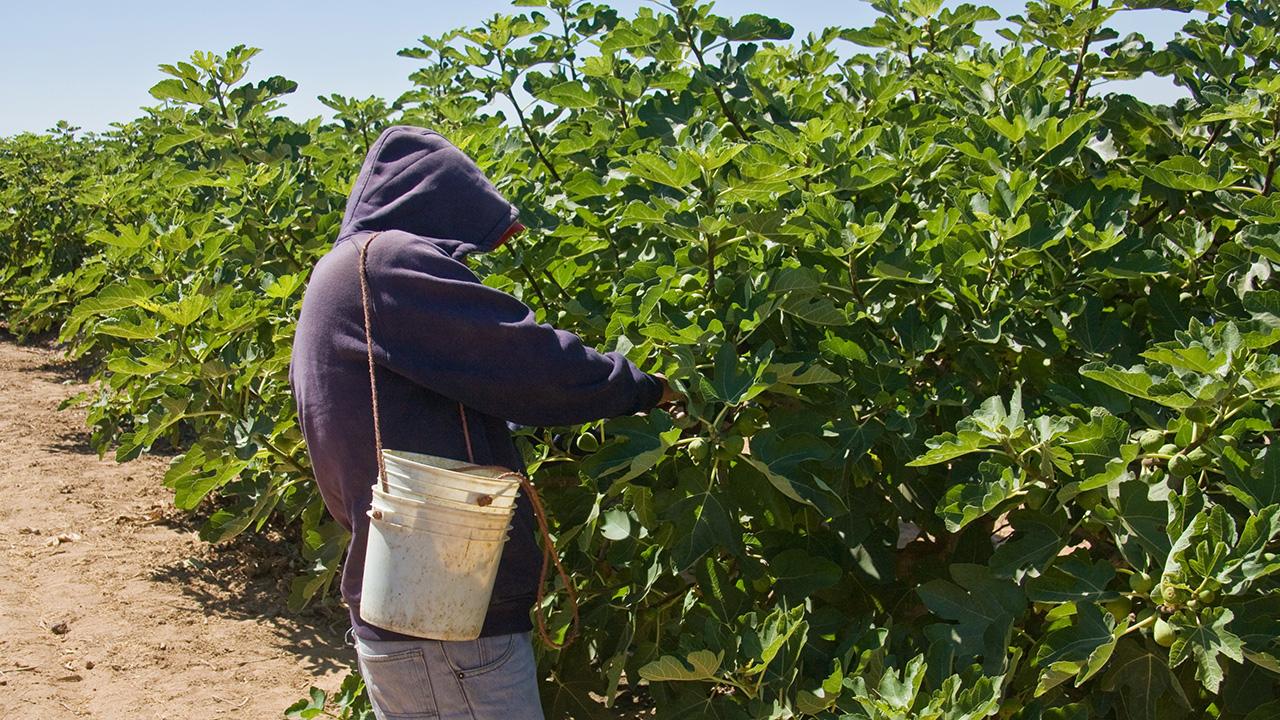
Harvest in early morning when temperatures are cool. Fruits are firmest at this time and handle better. Place harvested figs carefully in shallow containers to prevent bruising.
Handle figs gently at all times. They bruise easily and damaged fruit rots quickly. Use shallow trays lined with soft material. Do not stack fruits more than two layers deep.
Cool harvested figs immediately if possible. Remove field heat by placing in shade. Refrigerate at four degrees Celsius for storage. Figs store for one to two weeks under ideal conditions.
The Financial Blueprint for Fig Farming in Kenya
Numbers tell the story. Fig farming in Kenya delivers exceptional returns.
Establishment costs for one acre total approximately three hundred thousand shillings. This includes seedlings, trellises where needed, irrigation, and land preparation. Costs vary based on your choices and location.
Seedlings from Farmers Trend cost five hundred to one thousand two hundred shillings each. For two hundred seventy trees, this totals two hundred sixteen thousand to three hundred twenty-four thousand shillings. These are quality, true-to-type seedlings that ensure good production.
Irrigation for one acre costs one hundred fifty thousand to two hundred fifty thousand shillings. Drip systems are most efficient and worth the investment. A water source adds extra cost if not already available.
Land preparation including ploughing and holes costs thirty thousand to fifty thousand shillings. Manure and initial fertilizer add fifty thousand to one hundred thousand shillings.
Annual maintenance costs run one hundred thousand to one hundred fifty thousand shillings. This covers fertilization, pruning, pest control, and irrigation operation.
Revenue starts in year two. Year two production of two to three kilograms per tree generates one hundred eight thousand to one hundred sixty-two thousand shillings at five hundred shillings per kilogram.
Year three production of five to ten kilograms per tree generates six hundred seventy-five thousand to one million three hundred fifty thousand shillings. Year four and beyond deliver full production.
At full production, four to five tons per acre generate two million to two million five hundred thousand shillings at five hundred shillings per kilogram. Premium markets at one thousand shillings double these figures.
Net profit reaches one million five hundred thousand to two million shillings annually after full establishment. This income continues for thirty to fifty years.
Marketing Figs in Kenya
Good marketing maximizes your returns. Fig farming in Kenya offers multiple market channels.
High-end hotels are prime customers. Five-star hotels in Nairobi, Mombasa, and tourist lodges use figs in breakfast buffets and dessert menus. Approach their procurement managers with samples. Deliver consistently to build relationships.
Supermarkets like Naivas, Quickmart, and Carrefour stock fresh figs when available. They require consistent quality and supply. Pack fruits attractively in punnets with labels. Price competitively against imported figs.
Health food stores target nutrition-conscious consumers. Figs are positioned as superfoods rich in fiber and antioxidants. These stores pay premium prices for quality fruit.
Direct sales to consumers through online platforms reach urban buyers. Social media marketing builds awareness. Deliver to estates in Nairobi and other cities. Build a customer list for regular sales.
Export markets offer huge potential. Middle Eastern countries import figs during their off-season. European markets pay high prices for quality fruit. Export requires certification and consistent volume.
Value addition creates additional products. Dry figs for extended shelf life. Make fig jam for specialty food markets. Process fig paste for baking industry. These products use fruits that are too small for fresh market.
The 2026 market is hungry for unique fruits. Your shamba is the perfect site to supply this demand. Fig farming in Kenya positions you in a growing market with few suppliers.
Conclusion
Fig farming in Kenya offers one of the most profitable opportunities in horticulture today. Quick returns starting in months, not years. Two harvests annually providing regular income. Thirty to fifty years of production from one planting. Prices of five hundred to one thousand shillings per kilogram.
The confusion between Mugumo and edible figs has held farmers back. Now you understand the difference. The sacred tree stays in the forest. The profitable tree belongs in your orchard.
Success requires attention to the basics. Choose the right variety for your area. Prepare land properly with manure and good drainage. Space trees at three by five meters for two hundred seventy trees per acre. Irrigate consistently but avoid waterlogging. Prune annually to maintain productivity.
The market awaits your fruit. Hotels need fresh figs for their guests. Supermarkets want local supply to replace imports. Health-conscious consumers seek nutrient-dense foods. Export buyers look for Kenyan produce.
Farmers Trend sells fig seedlings to get you started. Their seedlings are true-to-type and disease-free. One call secures your trees for the coming season.
Your shamba is waiting for a thirty to fifty year profit machine. The 2026 planting window approaches. March rains offer perfect conditions for establishment.
What is your next step? Visit Farmers Trend nursery to order your seedlings. Talk to successful fig farmers in your area. Calculate your costs and potential returns. Make your planting plan for the coming season.
The farmers earning millions from figs started exactly where you are now. They learned, they planned, and they took action. You can do the same. Your fig farming in Kenya journey begins today.
https://farmerstrend.co.ke/trending/fig-farming-in-kenya-2026-guide/https://farmerstrend.co.ke/wp-content/uploads/2026/02/1770949123814-768x1024.jpeghttps://farmerstrend.co.ke/wp-content/uploads/2026/02/1770949123814-150x150.jpeg# TrendingFig Fruit FarmingFig Farming in Kenya: The 2026 Guide to Harvesting The Fruit of the Gods for High Profit Fig farming in Kenya is the most underestimated horticultural venture in 2026. While farmers rush to plant avocados and macadamia, a small group of smart investors are quietly establishing fig orchards. They understand...FarmersTrendjohn doefarmerstrend@gmail.comAdministratorFarmers Trend Ltd.






Leave a Reply