Cucumber Farming in Kenya: The 2026 Blueprint to KES 600,000 Profit per Acre
Cucumber Farming in Kenya: The 2026 Blueprint for High-Yield Commercial Success
Cucumber farming in Kenya has transformed from a niche salad ingredient into a profitable commercial venture. Twenty years ago, cucumbers were rare in local markets. Today, they are everywhere. Supermarkets stock them year-round. Juice bars blend them daily. Street vendors sell them sliced with spices. This growing demand creates opportunities for farmers who approach cucumber farming as a serious business.
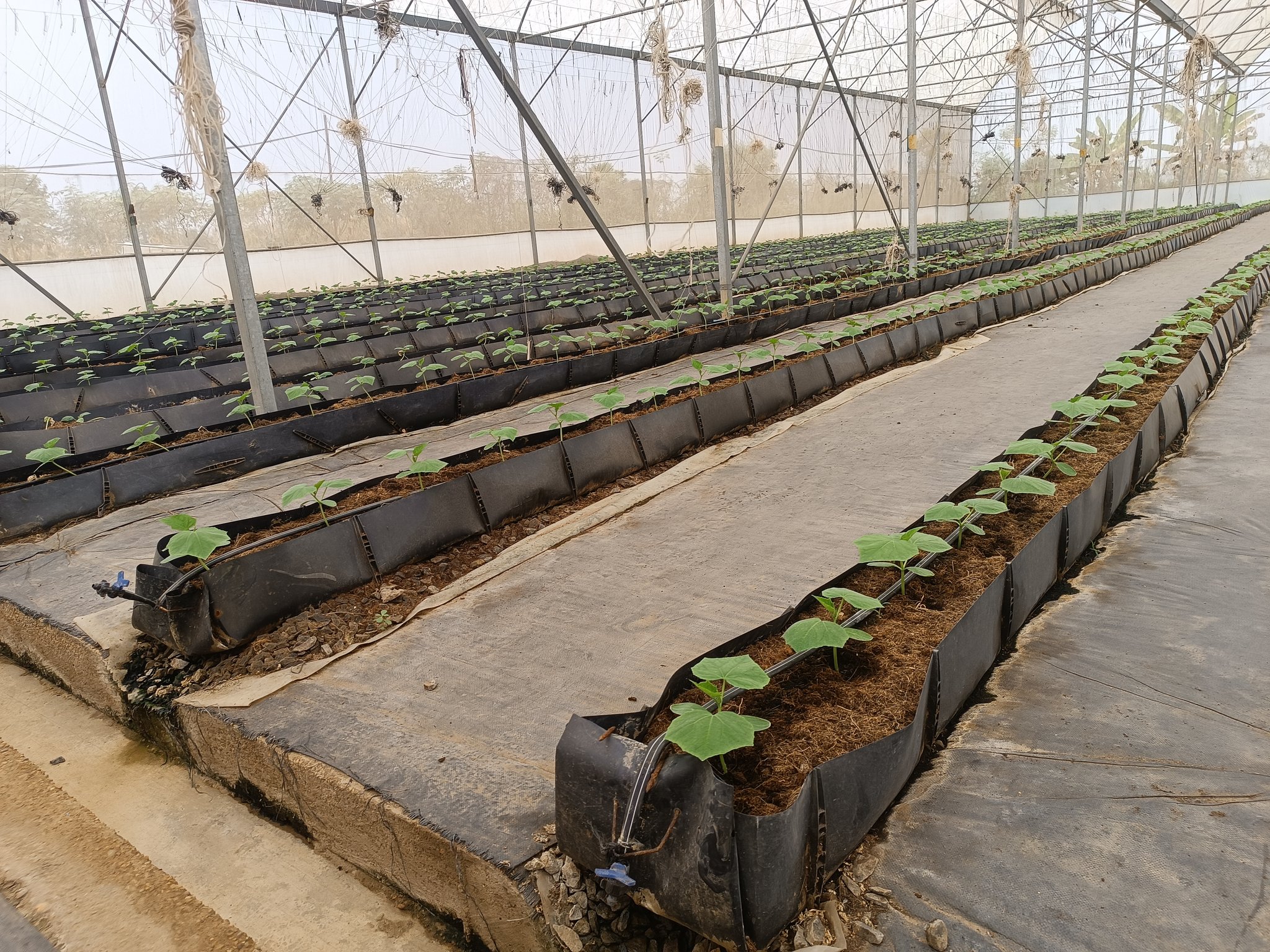
Commercial farmers now treat cucumber farming in Kenya as a systematic enterprise. They plant multiple cycles annually. They invest in irrigation infrastructure. They study market trends and adjust their planting schedules accordingly. The results justify the effort. A well-managed acre generates six hundred thousand shillings profit in a single season. With three cycles per year, annual earnings exceed one point eight million shillings.
This guide by Farmers Trend Ltd. covers everything you need for commercial success in cucumber farming in Kenya. You will learn about variety selection, planting timing, nutrition programs, pest control strategies, and marketing approaches. Read on to discover how you can capture your share of this growing market in 2026.
The Evolution of Cucumber Farming in Kenya
Cucumber farming in Kenya began as a small-scale enterprise in the 1980s. European settlers and expatriates demanded cucumbers for their salads. Farmers near Nairobi grew limited quantities for this niche market. Production remained small and prices remained high throughout this period.
The 1990s brought wider acceptance. Kenyan families started incorporating cucumbers into their diets. Local dishes like kachumbari began including cucumber alongside traditional tomatoes and onions. This expanded the market beyond expatriates to ordinary Kenyan consumers.
The 2000s marked a turning point. Health consciousness swept through urban centers. Cucumber juice became a popular health drink. Juice bars opened in every major town. Demand exploded virtually overnight. Farmers struggled to keep pace with this sudden growth.
Today, cucumber farming in Kenya supports thousands of farm families across the country. The industry generates billions of shillings annually. Supermarkets contract directly with growers. Export markets in the Middle East are opening. The future holds tremendous potential for farmers who enter this space with professional commitment and business discipline.
Why Cucumber Farming Attracts Commercial Farmers
Cucumber farming in Kenya offers several advantages that attract serious farmers. The short growth cycle means quick returns on investment. From planting to first harvest takes only forty-five to sixty days. This speed allows multiple cycles per year.
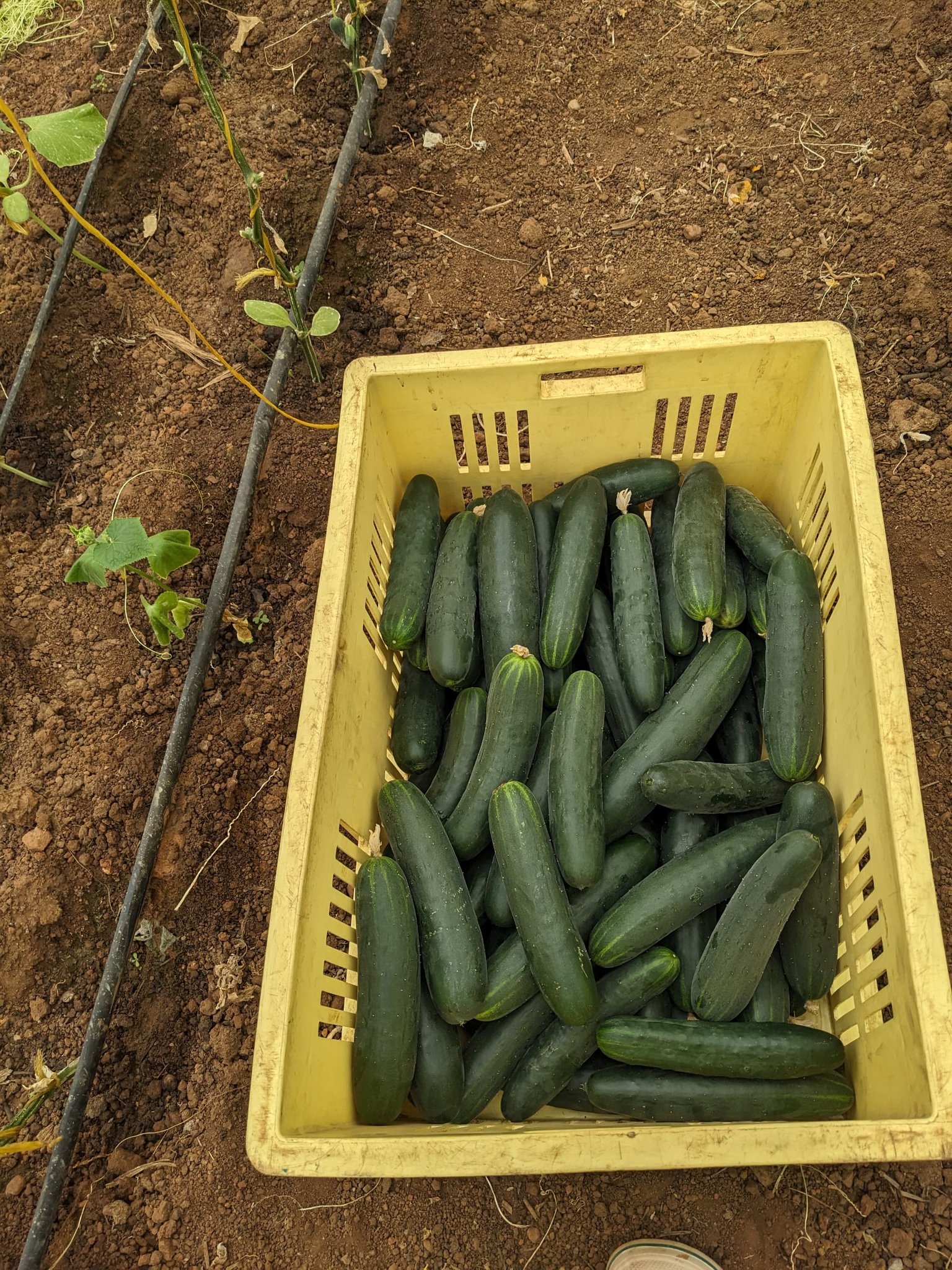
The high yield per acre creates impressive revenue potential. A well-managed acre produces fifteen to twenty tons of cucumbers per cycle. With three cycles annually, total production reaches forty-five to sixty tons.
The market continues expanding. Urban populations grow each year. Health trends favor fresh vegetables. Hotels and restaurants need consistent supply. Supermarkets require year-round availability. All these factors support strong demand.
The crop adapts well to Kenyan conditions. Cucumbers thrive in warm, sunny environments. They tolerate drought better than many vegetables. They produce well in both open fields and protected structures.
Variety Selection for Commercial Success on Cucumber farming in Kenya
Choosing the right variety determines your market options. Cucumber farming in Kenya offers several excellent hybrid varieties bred for local conditions.
Ambassador F1
Ambassador F1 dominates the Kenyan market. It produces dark green fruits measuring twenty to twenty-five centimeters long. The fruits are straight and uniform, perfect for supermarket shelves. Ambassador F1 resists common diseases and yields heavily. Maturity comes in forty-five to fifty days from planting.
Jude F1
Jude F1 offers similar characteristics with enhanced disease resistance. It performs well in both open field and greenhouse conditions. The fruits hold their quality after harvest, making them suitable for longer transport distances. Jude F1 produces consistently across different seasons.
Mitchelle F1
Mitchelle F1 produces slightly shorter fruits ideal for snack packs. Hotels and juice bars prefer this size for individual servings. The variety yields well under stress conditions including high temperatures and variable water availability.
Dina F1
Dina F1 works well for farmers targeting export markets. The fruits meet international grade standards consistently. Disease resistance is excellent, reducing spray costs throughout the growing cycle. Dina F1 maintains quality during cold storage and transport.
Cucumber plants are annuals, not perennials. They complete their life cycle in three to four months. You must replant for each cycle. This annual nature allows variety changes each season based on market demand and performance observations.
Ecological Conditions for Optimal Production on Cucumber farming in Kenya
Cucumbers have specific climate preferences. Cucumber farming in Kenya succeeds when these conditions are met.
Temperature Requirements
Temperature range of eighteen to thirty degrees Celsius is ideal for cucumber production. Growth slows noticeably below fifteen degrees. Plants experience stress above thirty-five degrees. Choose planting times and locations that avoid temperature extremes.
Sunlight Needs
Cucumber plants need six to eight hours of direct sunlight daily. Morning sun is especially important for drying dew and driving photosynthesis. Plants grown in shade produce fewer fruits with lower quality. Choose open sites away from buildings and tall trees.
Altitude Considerations
Cucumbers grow best below eighteen hundred meters above sea level. Lower areas like Machakos, Makueni, and coastal regions are ideal. Higher areas need careful variety selection and frost protection during cold months.
Rainfall and Moisture
Cucumbers need consistent moisture but cannot tolerate waterlogging. Well-drained soils are essential for healthy root development. In high-rainfall areas, plant on raised beds to improve drainage. During dry periods, irrigation must supply adequate moisture.
Cucumber plants are annuals. They do not come back every year like fruit trees. You must plant new seeds each season. This allows variety adjustments based on market demand and seasonal conditions.
Strategic Planting Timing
Timing affects both your yields and market prices. Cucumber farming in Kenya rewards farmers who plant strategically.
September Planting
September is an excellent planting month across most of Kenya. The weather warms after the cool July to August period. Soil temperatures favor quick germination and rapid early growth. The short rains starting in October provide moisture support. Harvest comes in November when market prices typically rise.
March Planting
March offers another prime planting window. The long rains start in March and continue through May. Planting early in March allows establishment before heavy rains. Harvest comes in May when demand remains strong.
October Planting
October planting works well for farmers targeting the holiday market. The short rains provide moisture for establishment. Harvest comes in December and January when holiday demand peaks. Prices during this period are often higher than other months.
Year-Round Planting with Irrigation
Year-round planting with irrigation gives you complete control over timing. You can plant any month and manage the growing environment. This allows you to target specific market windows and avoid seasonal gluts.
Successive planting every two to three weeks spreads your harvest. Instead of one large crop followed by a gap, you get steady production. This maintains continuous income and reduces marketing pressure during peak periods.
Land Preparation for Commercial Production on Cucumber farming in Kenya
Proper land preparation prevents future problems. Cucumber farming in Kenya requires attention to soil preparation.
Initial Clearing and Ploughing
Clear the land completely of weeds and previous crop residues. Deep plough to twenty-five centimeters depth. This breaks compacted layers and allows roots to penetrate deeply. Harrow to create a fine seedbed that supports uniform germination.
Soil Testing
Test your soil before planting. Know your pH and nutrient levels. Cucumbers prefer slightly acidic to neutral soil with pH between six and seven. Add lime if pH is too low. Add sulfur if pH is too high. Apply recommended fertilizers based on test results.
Manure Application
Incorporate well-decomposed manure at fifteen tons per acre. Manure improves soil structure and water-holding capacity. It provides slow-release nutrition throughout the growing cycle. Spread manure evenly during land preparation.
Bed Formation
Form raised beds if drainage is poor. Beds one meter wide and twenty centimeters high improve root health. Space beds one point five meters apart for access. In well-drained soils, flat planting works adequately.
Irrigation Installation
Install drip irrigation before planting. Lay drip lines along each bed with emitters spaced at thirty centimeters. Test the system to ensure even coverage across the entire field. Mulch beds with dry grass to conserve moisture and suppress weeds.
Cucumber farming in Kenya Planting Procedure for Maximum Yields
Proper planting establishes the foundation for your entire crop. Follow these steps for success.
Seed Selection
Buy certified hybrid seeds from reputable dealers. Ambassador F1 and Jude F1 are proven performers in Kenyan conditions. Cheap seeds from unknown sources often have low germination and produce inferior yields. The extra cost for quality seeds pays back many times over.
Planting Depth
Plant seeds at two to three centimeters depth. Deeper planting delays emergence. Shallower planting exposes seeds to birds and sun. Cover lightly with soil and firm gently around each seed.
Spacing Guidelines
Spacing depends on your production system. For open field production, maintain sixty centimeters between rows and forty-five centimeters between plants. This gives approximately thirteen thousand plants per acre. For greenhouse production with trellising, closer spacing of fifty by forty centimeters works well.
Planting Procedure
Plant two seeds per hole to guard against poor germination. After emergence, thin to the strongest single seedling per station. Cut weaker seedlings at ground level rather than pulling to avoid disturbing roots.
First Irrigation
Water immediately after planting. Maintain consistent moisture through the germination period. Seeds emerge in three to five days under warm, moist conditions. Continue regular irrigation throughout the crop cycle.
Crop Growth Timeline
Understanding the growth timeline helps you plan and manage effectively.
Germination Phase
Days one to seven focus on germination and emergence. Seeds absorb water and sprout. Seedlings push through the soil surface. Keep soil consistently moist during this critical period.
Vegetative Growth Phase
Days eight to twenty-one bring rapid vegetative development. Plants produce true leaves and establish root systems. Vines begin elongating. Apply nitrogen fertilizer during this phase to support growth.
Flowering Phase
Days twenty-two to thirty-five mark the flowering period. Both male and female flowers appear on the same plants. Female flowers have a tiny cucumber shape behind the petals. Bees and other pollinators transfer pollen between flowers.
Fruiting Phase
Days thirty-six to sixty bring fruit development and harvest. Fruits grow rapidly after pollination. Harvest begins around day forty-five and continues for three to four weeks. Pick daily to maintain quality and encourage continued production.
Crop Termination
After sixty to seventy days, production declines. Plants tire and produce fewer fruits. Disease pressure increases. It is better to terminate the crop and replant than to struggle with declining plants.
Water Management for Quality Production
Water management directly affects fruit quality. Cucumber farming in Kenya requires attention to irrigation practices.
Daily Water Requirements
Cucumbers need consistent moisture throughout their growth cycle. Daily watering benefits plants in most conditions. Drip irrigation running for one to two hours each day maintains ideal moisture levels.
Signs of Water Stress
Watch for early signs of water stress. Leaves droop during hot afternoons. Growth slows noticeably. Flower production decreases. Fruits become misshapen or develop bitter flavor. Do not wait for these signs before watering.
Adjusting for Conditions
Adjust irrigation based on weather and soil type. Hot, windy weather increases water needs. Sandy soils require more frequent watering than clay soils. Check soil moisture at root level to guide decisions.
Mulching Benefits
Mulch heavily with dry grass or other organic material. Mulch keeps soil cool and moist. It reduces water evaporation significantly. It also suppresses weeds that compete for water.
Avoiding Overwatering
Avoid waterlogging at all costs. Cucumber roots cannot survive in saturated soil. Waterlogged conditions promote root rot diseases. Ensure proper drainage and adjust irrigation frequency accordingly.
Nutrition Programs for High Yields
Proper nutrition drives productivity. Cucumber farming in Kenya requires balanced fertilizer programs.
Pre-Planting Nutrition
Apply DAP at planting to provide phosphorus. Phosphorus supports strong root development and early growth. Apply fifty kilograms per acre. Place in planting holes or bands alongside seeds.
Vegetative Stage Nutrition
Apply CAN three to four weeks after planting. Nitrogen fuels leaf and vine growth during the vegetative phase. Apply fifty kilograms per acre. Too much nitrogen delays fruiting, so balance carefully.
Flowering and Fruiting Nutrition
Apply NPK 17.17.17 during flowering and fruiting. This balanced formula provides nitrogen, phosphorus, and potassium. Apply every two weeks through irrigation or as side dressing. Potassium becomes especially important during fruit development.
Foliar Feeding
Apply foliar feeds during critical growth stages. Spray during flowering and fruit development. These provide quick nutrient boosts when plants need them most. Choose products with high potassium and trace elements.
Coffee Grounds as Amendment
Coffee grounds add nitrogen and organic matter to soil. They improve soil structure and support beneficial microorganisms. But coffee grounds are acidic and can lower soil pH. Compost them first and use sparingly. Mix with other organic materials for best results.
Pruning for Better Production
Pruning improves air circulation and fruit quality. Cucumber farming in Kenya benefits from selective pruning.
Lower Leaf Removal
Remove lower leaves touching the ground. These leaves collect soil splash during rain and irrigation. They develop diseases first and spread spores upward. Removing them improves air flow and reduces disease pressure.
Diseased Leaf Removal
Remove yellow or diseased leaves promptly. These leaves no longer contribute to plant health. They harbor spores and pests that spread to healthy parts. Cut them off and destroy them away from the field.
Canopy Thinning
Thin dense foliage in vigorous plants. Good air circulation prevents fungal diseases. Remove some interior leaves to let light penetrate. But do not remove so many leaves that plants cannot photosynthesize effectively.
Trellised Plant Pruning
For trellised plants, remove lateral branches below the first fruits. This directs energy into main vine growth and fruit production. It also improves air flow along the base of plants.
Pruning Limits
Never remove more than twenty percent of leaves at once. Heavy defoliation stresses plants and reduces yield. Gradual removal over time is safer and more effective.
Pest Management Strategies
Pests threaten your profits. Cucumber farming in Kenya requires vigilant pest management.
Aphids
Aphids cluster on new growth and leaf undersides. They suck sap and transmit viruses. Heavy infestations stunt plants and reduce yields. Control with neem oil spray or insecticidal soap. Encourage natural predators like ladybirds.
Whiteflies
Whiteflies cause similar damage to aphids. They also excrete honeydew that promotes sooty mold. Yellow sticky traps help monitor populations. Spray with recommended insecticides when populations build.
Fruit Flies
Fruit flies sting developing fruits. Females lay eggs inside fruits. Larvae feed on the flesh, causing rot and fruit drop. Use pheromone traps to monitor populations. Apply protein bait sprays mixed with insecticide. Remove and destroy infested fruits.
Red Spider Mites
Red spider mites thrive in hot, dry conditions. They cause yellow stippling on leaves and fine webbing. Severe infestations defoliate plants. Miticides provide control when applied early. Maintaining good soil moisture reduces mite pressure.
Thrips
Thrips cause silvering on leaves and flower damage. They rasp plant tissues and suck the contents. Damaged flowers fail to set pods. Spray with appropriate insecticides when you see thrips. Early morning spraying works best when thrips are active.
Disease Management
Diseases spread rapidly in humid conditions. Cucumber farming in Kenya requires preventive disease management.
Downy Mildew
Downy mildew causes yellow angular spots on leaf surfaces. Fuzzy purple growth develops on leaf undersides. This disease spreads during wet, humid weather. It can defoliate plants quickly. Copper-based fungicides help control downy mildew. Apply preventatively before rains. Remove infected leaves promptly.
Powdery Mildew
Powdery mildew appears as white powder on leaves. It spreads rapidly in dry conditions with cool nights. Sulfur-based fungicides provide control. Remove severely infected leaves. Improve air circulation through proper spacing.
Bacterial Wilt
Bacterial wilt causes plants to collapse suddenly. Leaves wilt and stems show bacterial ooze when cut. Cucumber beetles transmit this disease. Control beetles to control wilt. Remove infected plants immediately to prevent spread.
Anthracnose
Anthracnose causes sunken lesions on fruits and leaves. Dark spots with pink spore masses appear on infected tissues. Copper fungicides provide control when applied early. Practice crop rotation to reduce soil-borne spores.
Virus Diseases
Several viruses affect cucumbers. Mosaic viruses cause mottled leaves and stunted growth. Aphids and whiteflies transmit these viruses. Control insect vectors to control viruses. Use resistant varieties where available.
Companion Planting and Crop Rotation
What you plant near cucumbers affects their health. Smart planning improves results.
Plants to Avoid
Potatoes are bad neighbors for cucumbers. Both crops attract similar pests. Potatoes also compete heavily for nutrients. Plant them far apart or in separate seasons.
Melons and pumpkins share pests with cucumbers. Planting them together increases disease and insect pressure. Rotate these crops rather than planting them together.
Aromatic herbs like sage and rosemary can inhibit cucumber growth. Their strong oils affect nearby plants. Plant these herbs in separate areas of your garden.
Good Companions
Beans and peas fix nitrogen that benefits cucumbers. Plant them nearby but not competing for space.
Corn provides shade and support in traditional intercropping systems.
Nasturtiums repel pests and attract pollinators. Plant them around your cucumber beds.
Marigolds deter aphids and beetles. Their roots produce compounds that suppress nematodes.
Crop Rotation Importance
Do not plant cucumbers in the same spot every season. Soil-borne diseases build up without rotation. Plant cereals or legumes between cucumber cycles. A three-year rotation between cucurbit crops is ideal.
Open Field Versus Greenhouse Production
Choosing your production system affects costs and returns. Compare both options carefully.

Open Field Production
Open field production requires lower initial investment. Land preparation and basic inputs cost one hundred fifty thousand shillings per cycle. No expensive structures are needed. Entry barriers are low for beginners.
Challenges in open field include weather exposure. Heavy rain damages leaves and fruits. Temperature extremes stress plants. Pest pressure is higher without exclusion.
Greenhouse Production
Greenhouse production costs more initially. A one-acre greenhouse structure costs eight hundred thousand to one point two million shillings. Drip irrigation and trellising add to this investment.
Benefits of greenhouse production include environmental control. You protect crops from rain and excessive sun. Production continues through adverse weather. Quality is higher with fewer blemishes.
Yield differences justify greenhouse investment. Open fields produce fifteen to twenty tons per acre. Greenhouses produce twenty-five to thirty-five tons per acre. Higher quality also commands better prices.

Decision Factors
For cucumber farming for beginners, open field is the entry point. Start with one acre in open field. Learn the crop and market. Expand to greenhouse as you gain experience and capital.
Consider your location when deciding. Areas with reliable weather favor open field. Areas with extreme conditions may justify greenhouse investment.
Yield Expectations and Production Maths on Cucumber Farming in Kenya
Numbers tell the story. Cucumber farming in Kenya delivers impressive statistics.
Per Plant Production
A healthy cucumber plant produces ten to twenty fruits across its harvest window. This varies with variety, season, and management quality. First fruits are often the largest. Regular picking stimulates continued production.
Per Acre Yield
With thirteen thousand plants per acre and fifteen fruits per plant, total fruits reach one hundred ninety-five thousand. At average weight of two hundred grams per fruit, total yield reaches thirty-nine thousand kilograms.
Realistic commercial yields range from fifteen to twenty tons per acre in open field. Greenhouse yields reach twenty-five to thirty-five tons per acre. These figures assume good management and favorable conditions.
Production Costs
Cost of production for one acre includes:
Seeds: ten thousand shillings for hybrid varieties
Land preparation: five thousand shillings
Manure: fifteen thousand shillings
Fertilizer: fifteen thousand shillings
Pest control: twenty thousand shillings
Labor: fifty thousand shillings
Irrigation operation: ten thousand shillings
Miscellaneous: ten thousand shillings
Total costs: one hundred thirty-five thousand shillings
Revenue Projections
Revenue at fifteen tons and fifty shillings per kilogram: seven hundred fifty thousand shillings
Revenue at twenty tons and sixty shillings per kilogram: one point two million shillings
Profit Calculations
Profit per cycle: six hundred fifteen thousand to one point zero six five million shillings
Three cycles per year: one point eight million to three point two million shillings annual profit
Marketing Strategies for Maximum Returns
Good marketing maximizes your returns. Cucumber farming in Kenya offers multiple channels.
Supermarkets
Supermarkets like Naivas, Quickmart, and Carrefour stock cucumbers daily. They require consistent quality and supply. Pack fruits attractively in bags or trays. Deliver on schedule to build relationships. Supermarkets pay within agreed terms and provide steady demand.
Hotels and Restaurants
Hotels and restaurants use cucumbers in salads and garnishes. Approach their procurement managers with samples. Offer reliable delivery and consistent quality. Premium prices come with premium service. Build relationships with multiple establishments.
Open-Air Markets
Open-air markets serve the mass market. Traders buy in bulk and sell to consumers. Prices are lower but volume is high. Build relationships with several traders for consistent sales. Morning hours are best for market sales.
Schools and Institutions
Schools and institutions need steady supply. Their demand is predictable and year-round. Contract to supply at agreed prices. This provides stable income and reduces marketing stress.
Processing Companies
Processing companies use cucumbers for juices and pickles. This market accepts seconds and irregular fruits. Negotiate contracts based on volume. Build relationships with processors for consistent off-take.
Direct Sales
Direct sales to consumers through online platforms reach urban buyers. Social media marketing builds awareness. Deliver to estates in Nairobi and other cities. Build a customer list for regular sales.
Professional FAQ Section
Where can I find a cucumber farming PDF download?
The Ministry of Agriculture offers free publications at your local county office. KALRO provides downloadable guides on their website. Farmers Trend publishes regular articles with practical information. These resources supplement the practical knowledge you gain from farming.
What is the difference between trellised and ground cucumbers?
Trellised cucumbers grow upward on strings or nets. This saves space and produces straighter fruits. Fruits stay cleaner off the ground. Ground cucumbers spread along the soil. They require more space and fruits may curve. Trellising costs more but often pays through higher quality.
How do I manage cucumber bitterness?
Bitterness results from stress. Water stress during fruit development is the main cause. Maintain consistent irrigation throughout the season. High temperatures also trigger bitterness. Provide afternoon shade in very hot areas. Harvest fruits at optimal size before they over-mature.
Can I grow cucumbers in sacks or containers?
Yes, sack gardening works for small spaces. Use fifty-kilogram sacks filled with quality soil mix. Plant two to three seeds per sack. Water and fertilize regularly. Production is lower than field planting but suitable for urban farmers with limited space.
2026 Financial Blueprint Summary
| Item | Amount per Acre |
|---|---|
| Seeds | KES 10,000 |
| Land preparation | KES 5,000 |
| Manure | KES 15,000 |
| Fertilizer | KES 15,000 |
| Pest control | KES 20,000 |
| Labor | KES 50,000 |
| Irrigation operation | KES 10,000 |
| Miscellaneous | KES 10,000 |
| Total costs | KES 135,000 |
| Production Level | Yield | Price | Revenue | Profit |
|---|---|---|---|---|
| Conservative | 15 tons | KES 50/kg | KES 750,000 | KES 615,000 |
| Good management | 18 tons | KES 55/kg | KES 990,000 | KES 855,000 |
| Excellent | 20 tons | KES 60/kg | KES 1,200,000 | KES 1,065,000 |
Variety Comparison Table
| Variety | Maturity | Fruit Length | Disease Resistance | Market Preference |
|---|---|---|---|---|
| Ambassador F1 | 45-50 days | 20-25 cm | High | Supermarkets |
| Jude F1 | 45-50 days | 20-25 cm | Very High | All markets |
| Mitchelle F1 | 48-52 days | 15-18 cm | High | Hotels, snack packs |
| Dina F1 | 50-55 days | 22-28 cm | Excellent | Export |
Open Field Versus Greenhouse Comparison
| Factor | Open Field | Greenhouse |
|---|---|---|
| Initial investment | KES 150,000 per cycle | KES 1,000,000+ |
| Yield per acre | 15-20 tons | 25-35 tons |
| Fruit quality | Good | Excellent |
| Pest pressure | High | Low |
| Weather protection | None | Complete |
| Production cycles | 3 per year | 4 per year |
| Labor requirements | Moderate | Higher |
| Entry barrier | Low | High |
Month-by-Month Planting Calendar
| Planting Month | Harvest Month | Market Conditions | Irrigation Need |
|---|---|---|---|
| September | November | Rising prices | Supplementary |
| October | December | Holiday peak | Supplementary |
| November | January | Good demand | Full irrigation |
| February | April | Stable market | Full irrigation |
| March | May | Good demand | Rain-fed |
| April | June | Stable market | Rain-fed |
| July | September | Rising prices | Full irrigation |
Fertilizer Schedule Table
| Growth Stage | Timing | Product | Rate per Acre |
|---|---|---|---|
| Planting | Day 0 | DAP | 50 kg |
| Vegetative | Week 3-4 | CAN | 50 kg |
| Flowering | Week 5-6 | NPK 17.17.17 | 50 kg |
| Fruiting | Week 7-8 | NPK 17.17.17 | 50 kg |
| Throughout | Weekly | Foliar feed | As directed |
Next Step
Cucumber farming in Kenya offers one of the fastest returns in agriculture. Forty-five days from seed to harvest. Three to four cycles per year. Six hundred thousand shillings profit per acre per cycle. These numbers demand action.
The 2026 planting windows approach. September and October offer ideal conditions. Your seeds are waiting at certified dealers. Your land is ready for preparation.
Start with professional soil testing. Know your pH and nutrient levels before planting. This simple step prevents costly mistakes and guides your fertilizer program.
Order your hybrid seeds today. Ambassador F1 and Jude F1 are proven performers. Buy from reputable suppliers like Kenya Seed Company or East African Seed. Avoid cheap seeds that waste your time.
Prepare your land thoroughly. Incorporate manure and form raised beds if needed. Install drip irrigation for consistent moisture. Mulch to conserve water and suppress weeds.
The farmers earning millions from cucumbers started exactly where you are now. They learned, they planned, and they took action. You can do the same.
Your cucumber farming in Kenya journey begins today. The market is waiting. The profits are real. The time to act is now.
https://farmerstrend.co.ke/trending/cucumber-farming-in-kenya-2026-guide/https://farmerstrend.co.ke/wp-content/uploads/2026/02/HBlWWGxXkAIr1hl-768x1024.jpeghttps://farmerstrend.co.ke/wp-content/uploads/2026/02/HBlWWGxXkAIr1hl-150x150.jpeg# TrendingCucumber FarmingCucumber Farming in Kenya: The 2026 Blueprint for High-Yield Commercial Success Cucumber farming in Kenya has transformed from a niche salad ingredient into a profitable commercial venture. Twenty years ago, cucumbers were rare in local markets. Today, they are everywhere. Supermarkets stock them year-round. Juice bars blend them daily. Street...FarmersTrendjohn doefarmerstrend@gmail.comAdministratorFarmers Trend Ltd.











Leave a Reply