Over 700,000 Tea Farmers in Kenya to Receive Annual Bonuses as KTDA Releases September Payments
- Tea farmers in Kenya will receive annual bonuses alongside September earnings from October 12, 2026, with more than 700,000 KTDA growers set to benefit.
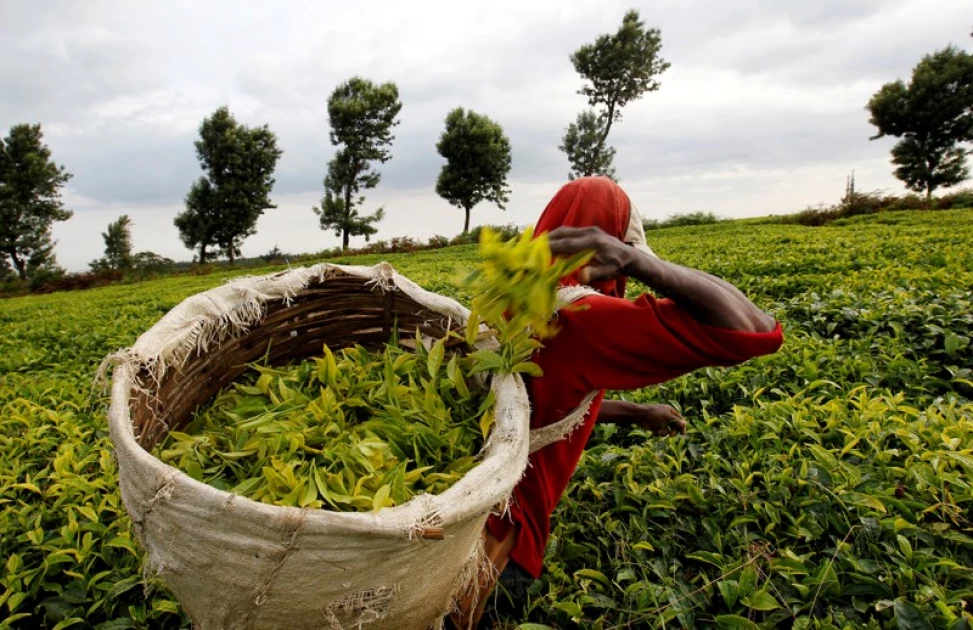
Tea Farmers in Kenya to Receive Annual Bonuses as KTDA Releases September Payments
More than 700,000 small-scale tea farmers in Kenya are set to receive their annual bonus payments alongside their September earnings from Monday, October 12, 2026, following the release of funds under the Kenya Tea Development Agency (KTDA) system.
KTDA Holdings chairperson Enos Njeru said the money had been released the previous Friday, allowing farmers to access their payments through their usual banking arrangements during normal banking hours.
“Farmers will access their money from Monday, during normal banking hours,” Njeru said.
The total amount to be paid to farmers this year has not yet been announced. However, bonus rates are expected to range from KSh12.50 to KSh50 per kilogramme of green leaf, depending on the factory supplying the farmer.
The payments, commonly known as second payments, are an important source of annual income for small-scale tea growers, helping them meet household expenses, pay school fees, invest in farms and settle other financial obligations.
Tea Factories to Announce Their Own Bonus Rates
This year’s announcement marks a change in how bonus rates are communicated. Individual tea factories will announce their respective rates instead of the KTDA board declaring the rates on behalf of all factories.
KTDA’s 77 factories have been consolidated into 54 units, including satellite factories operating under mother factories.
The final payment will depend on the financial performance of each factory, particularly the revenue earned from tea sales and the expenses incurred during processing and marketing.
During the 2024/25 financial year, tea farmers received KSh69.8 billion in bonus payments, down from KSh89.6 billion in the 2023/24 financial year. The latest total payout is yet to be disclosed, leaving farmers waiting to see how their factories performed during the period under review.
Why Tea Bonus Payments Differ Between Factories
Tea farmers supplying different KTDA-managed factories do not receive uniform bonus rates. The amount available for distribution depends on the prices each factory earns from tea sold through the Mombasa Tea Auction and direct sales to local and export markets.
Buyer demand and the quality of tea supplied influence the prices factories can secure. Factors such as rainfall, altitude, soil type and farming practices affect tea growth, leaf quality and production volumes.
Farm management also matters. Regular weeding, appropriate fertiliser application, timely plucking and proper pruning help maintain healthy bushes and improve the quantity and quality of green leaf delivered to factories.
Factories must also meet operating expenses before determining how much revenue remains for farmers. These costs include salaries and allowances, fuel, transport, equipment maintenance, loan repayments, statutory deductions, taxes, purchases and management fees.
The exchange rate between the Kenyan shilling and the US dollar can also affect the value of tea sold at auction, influencing the revenue available for distribution.
How KTDA Calculates Annual Tea Bonuses
Under the KTDA system, farmers receive monthly payments for green leaf delivered to their factories. This is commonly referred to as the first payment. The rate varies between factories because of differences in operating costs, market performance and the prices earned from tea sales.
At the end of the financial year, each factory calculates the total revenue earned from tea sold through the Mombasa Tea Auction and direct sales. It then deducts the costs of processing, marketing, transport, administration, financing and other operations.
The remaining amount is assessed against the total quantity of green leaf received and processed during the year to establish the returns available per kilogramme.
The monthly payments already made to farmers are then deducted from the calculated returns. The balance is paid as the annual bonus, or second payment.
This means the bonus is not a fixed amount guaranteed across all factories. It depends on the factory’s earnings, costs and the volume of tea processed during the financial year.
Why Farmers Supplying the Same Factory Receive Different Amounts
Even when farmers supply the same factory and receive the same rate per kilogramme, their total bonus payments can differ.
The key factor is the quantity of green leaf each farmer delivers over the year. A farmer with a larger tea plantation or higher production per bush may deliver more leaf and consequently receive a higher total payment than a farmer supplying smaller quantities.
Production depends on plantation size, the condition of tea bushes, rainfall, fertiliser use, weeding, pruning and how consistently farmers pluck their tea.
For growers seeking to improve their annual earnings, maintaining healthy tea bushes and harvesting regularly can help increase the quantity of quality green leaf delivered to the factory. However, production costs must also be managed carefully to ensure that higher output translates into better returns.
Tea Bonus Payments Across Kenya’s Growing Regions
Kenya’s tea-growing areas are broadly grouped into two zones, East of Rift and West of Rift. These regions include counties with different elevations, weather conditions, soil types and production characteristics, which can influence tea quality and factory performance.
The West of Rift tea-growing region includes Bomet, Kericho, Nakuru, Kisii, Nyamira, Narok, Nandi, Elgeyo Marakwet, Uasin Gishu and Trans Nzoia.
The East of Rift region covers the wider Mount Kenya tea-growing areas, including Nyeri, Kiambu, Meru, Embu, Kirinyaga, Murang’a and Tharaka Nithi.
Differences in growing conditions and the performance of factories serving these regions can contribute to variations in the bonus rates announced each year.
How Tea Farmers Can Improve Leaf Quality and Earnings
The recommended harvesting method is to pluck two leaves and a bud from each tea shoot. This helps maintain the quality of green leaf supplied to factories and supports the production of tea sought after in domestic and export markets.
Harvesting at the right stage, keeping plantations weed-free, applying fertiliser according to recommendations and pruning bushes when necessary can support healthy growth and consistent production.
On average, about 4.3 kilogrammes of fresh green tea leaves are required to produce one kilogramme of processed tea. This conversion illustrates why both the quality and quantity of green leaf supplied matter to the processing and marketing business.
How Private Tea Factories Differ From KTDA
Multinational tea companies and private factories generally operate under different payment arrangements from KTDA-managed factories. According to the information provided, these companies pay farmers a higher price for green leaf but do not provide a separate annual bonus payment.
Farmers should therefore compare the overall payment arrangements, including monthly rates and any additional payments, rather than judging earnings from the annual bonus alone.
As more than 700,000 KTDA-affiliated growers prepare to receive their 2026 payments, the individual factory announcements will determine the rates farmers can expect. The final amount each grower receives will depend on the factory’s performance and the quantity of green leaf supplied throughout the financial year.
https://farmerstrend.co.ke/trending/tea-farmers-in-kenya-bonus-pay/https://farmerstrend.co.ke/wp-content/uploads/2026/10/Tea-farmers-in-Kenya.webphttps://farmerstrend.co.ke/wp-content/uploads/2026/10/Tea-farmers-in-Kenya-150x150.webp# TrendingTea farmers in Kenya will receive annual bonuses alongside September earnings from October 12, 2026, with more than 700,000 KTDA growers set to benefit.Tea Farmers in Kenya to Receive Annual Bonuses as KTDA Releases September Payments More than 700,000 small-scale tea farmers in Kenya are set to receive their...FarmersTrendjohn doefarmerstrend@gmail.comAdministratorFarmers Trend Ltd.











Leave a Reply