Guava Farming in Kenya: The 2026 Blueprint to Earning KES 1.5 Million Per Acre
Guava Farming in Kenya: A Complete 2026 Profitability Guide
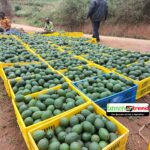
Guava farming in Kenya is slowly becoming one of the most reliable ways to build long-term agricultural wealth. The common guava also known locally as mapera, with its familiar green skin and pink or white flesh, has been part of Kenyan homesteads for generations. But only recently have farmers started treating it as a serious commercial crop rather than a casual backyard tree.

The fruit you know from local markets contains four times the Vitamin C of oranges. It provides significant fiber, potassium, and antioxidants. These nutritional benefits drive demand in health-conscious urban markets. Juice processors seek guava for blending. Hotels feature it in breakfast buffets. Supermarkets stock it alongside other fruits. The market gap between supply and demand continues widening.
Commercial farmers are taking notice. Guava orchards offer clear advantages over other fruit ventures. Trees establish quickly and begin producing within two to three years of planting. They tolerate a wider range of soil and climatic conditions than more demanding fruits. Once established, they produce for fifteen to twenty-five years with proper management. This combination of quick returns and long-term productivity makes guava farming attractive for farmers building sustainable agricultural enterprises.
This guide by Farmers Trend Ltd. provides the technical and financial roadmap for successful guava farming in Kenya. You will learn about suitable growing regions, variety selection, establishment costs, planting techniques, pest management, and market strategies. The information comes from successful commercial growers and agricultural research stations across the country.
The Commercial Potential of Guava Farming in Kenya
Is guava farming a profitable venture for Kenyan farmers in 2026? Yes, and the numbers prove it. A mature guava tree under good management produces 50 to 100 kilograms of fruit annually. With 250 trees per acre using standard spacing of four meters by four meters, total yield reaches 12,500 to 25,000 kilograms per year.
Farm-gate prices for common guava varieties range from 50 to 100 shillings per kilogram depending on season and quality. Prices peak during dry seasons when supply from rain-fed orchards declines. January through March typically sees the highest prices as few farmers have fruit during this period.
Using conservative figures of 15,000 kilograms per acre at 70 shillings per kilogram, gross revenue reaches 1,050,000 shillings. Subtract annual production costs of approximately 150,000 shillings for fertilizer, labor, pest control, and irrigation operation. Net profit stands at 900,000 shillings per acre. With good management and timing, profits exceed 1.5 million shillings annually.
The return on investment becomes even more attractive when considering the orchard’s productive lifespan. A well-maintained guava orchard continues producing for 15 to 25 years. The initial establishment cost spreads across two decades of harvests, making the long-term returns exceptional compared to annual crops.

Suitable Growing Regions for Guava Farming in Kenya
Which counties in Kenya are most suitable for commercial guava production? Guava trees are adaptable, but certain areas offer distinct advantages.
Eastern Kenya counties including Machakos, Kitui, Makueni, and Embu provide ideal conditions. Warm temperatures ranging from 20 to 30 degrees Celsius throughout most of the year support continuous growth and multiple fruiting cycles. Trees in these areas often produce two significant harvests annually. The semi-arid climate reduces disease pressure, meaning lower fungicide costs and fewer crop losses. Farmers in these areas benefit from relatively affordable land prices and established routes to Nairobi markets.
Central Kenya counties like Kiambu, Murang’a, and Nyeri produce guavas with excellent fruit size and quality. Fertile volcanic soils combined with moderate rainfall support vigorous tree growth and larger fruit development. Proximity to major urban centers reduces transport costs and allows farmers to respond quickly to market opportunities. The main challenge is higher land prices, requiring more intensive production.
Rift Valley areas including Nakuru, Uasin Gishu, and Kericho offer good conditions for guava cultivation. The region experiences distinct wet and dry seasons that synchronize fruiting cycles, making harvest planning more predictable. Access to major highways helps move produce efficiently to Nairobi, Kisumu, and other urban markets.
Western Kenya and Coastal regions also support guava production successfully. Warm, humid conditions suit the trees, though disease management requires more attention. Farmers in these regions enjoy proximity to local markets and emerging processing facilities.

Best Varieties for Kenyan Markets
What are the best guava varieties for the Kenyan market, including cherry guava? For common guava farming, two main types dominate local markets.
The pink-fleshed guava is the most popular variety in Kenya. It produces medium to large fruits with pink interior flesh that signals sweetness to consumers. The flavor is sweet and aromatic. This variety commands slightly higher prices because of its attractive color. Trees grow vigorously and yield heavily under good management.
The white-fleshed guava produces fruits with white interior flesh. The flavor is sweet but milder than the pink variety. Some consumers prefer this variety for juicing and processing. It yields well and stores slightly longer than pink varieties. Both pink and white guavas grow on the same type of tree and require identical care.
Cherry guava is a separate species altogether. It produces small, intensely sweet fruits with red or yellow skin. The fruits are prized for fresh eating and premium processing. Cherry guava fetches 150 to 250 shillings per kilogram in Nairobi markets. Trees are smaller and can be planted at higher density. They require the same care as common guava but offer higher returns per acre.
For farmers focused on common guava, planting both pink and white varieties provides market flexibility. Some farmers dedicate most of their acreage to pink guava for fresh markets and include some white guava for processing buyers.
Capital Requirements for Orchard Establishment on Guava Farming in Kenya
How much capital do you need to start a one-acre guava farm? The investment ranges from 150,000 to 250,000 shillings for common guava depending on your choices and location.
| Cost Item | Amount |
|---|---|
| Seedlings (250 trees at 200 KSh each) | 50,000 KSh |
| Land preparation | 20,000 KSh |
| Manure (15 tons) | 25,000 KSh |
| Drip irrigation system | 75,000 KSh |
| Labor for planting and mulching | 25,000 KSh |
| Miscellaneous expenses | 10,000 KSh |
| Total First-Year Investment | 205,000 KSh |
Seedlings form the largest expense category. Common guava seedlings cost 200 shillings each from certified nurseries. For 250 trees per acre using standard spacing, seedling cost totals 50,000 shillings.
Land preparation costs include ploughing, harrowing, and digging planting holes. Tractor services for one acre cost 8,000 to 12,000 shillings depending on location and soil condition. Manual hole digging for 250 holes at 50 shillings each adds 12,500 shillings.
Manure application at 15 tons per acre improves soil structure and provides slow-release nutrition. Manure costs 1,500 to 2,000 shillings per ton delivered, totaling 25,000 to 30,000 shillings. Incorporate manure during land preparation or in planting holes.
Irrigation installation ensures consistent moisture through dry periods. A basic drip irrigation kit for one acre costs 75,000 shillings for a quality system. Drip irrigation delivers water efficiently while keeping leaves dry and reducing disease risk.
Labor for planting, mulching, and early care adds 25,000 shillings. This covers planting activities, applying mulch around young trees, and maintaining weed-free conditions during establishment.
Annual maintenance after establishment costs 50,000 to 80,000 shillings for fertilization, pruning, pest control, and irrigation operation.

Growth Timeline and Harvest Expectations on Guava Farming in Kenya
How long do grafted guava trees take to reach full maturity and harvest? Grafted trees begin producing faster than seed-grown trees, following this timeline.
| Year | Yield per Tree | Total Yield (250 trees) |
|---|---|---|
| Year 1 | 0 kg | 0 kg |
| Year 2 | 5 kg | 1,250 kg |
| Year 3 | 15 kg | 3,750 kg |
| Year 4 | 30 kg | 7,500 kg |
| Year 5 | 45 kg | 11,250 kg |
| Year 6+ | 60 kg | 15,000 kg |
Year one focuses on establishment. Trees grow roots and develop above-ground structure. Remove any flowers that appear during this phase to direct energy into growth. Water consistently and control weeds. Trees reach 1.5 to 2 meters in height by the end of the first year.
Year two brings early production. Trees produce 3 to 5 kilograms of fruit each. This first harvest signals that your orchard is on track. Allow some fruits to develop while continuing to support tree growth through adequate water and nutrition.
Year three production increases significantly. Trees yield 10 to 15 kilograms per tree. Your orchard now generates meaningful income while trees continue developing toward full size. Many farmers recover their establishment costs during this year.
Full production arrives in year five to seven. Mature trees yield 50 to 60 kilograms annually. At 250 trees per acre, total yield reaches 12,500 to 15,000 kilograms per acre.
The trees remain productive for 15 to 25 years with proper care. Regular pruning removes old wood and encourages new growth. Annual fertilization maintains soil fertility. Pest and disease control prevents problems that shorten orchard life.
Recommended Spacing for High-Density Planting on Guava Farming in Kenya
What is the recommended spacing for high-density guava planting? Your spacing choice affects long-term productivity and management requirements.
| Spacing | Trees per Acre | Advantages | Considerations |
|---|---|---|---|
| 5m x 5m | 160 | Maximum tree size, easy access | Lower early yields |
| 4m x 4m | 250 | Good balance of size and density | Standard recommendation |
| 3m x 3m | 450 | Higher early production | Requires more pruning |
For commercial guava farming, 4 meters by 4 meters is the standard spacing. This gives you 250 trees per acre. Each tree has room to develop a full canopy without competing with neighbors. Air circulates freely, reducing disease pressure. Sunlight reaches all parts of the tree for even ripening. Access for harvesting and maintenance remains easy.
Some farmers choose 5 meters by 5 meters for 160 trees per acre. This allows maximum individual tree growth. Trees become larger and may produce more per tree. Total yield per acre is similar to closer spacing because of the larger tree size.
Closer spacing of 3 meters by 3 meters gives 450 trees per acre. This increases early production but requires more intensive management. Trees need regular pruning to prevent overcrowding. Competition for water and nutrients increases. Disease pressure rises with reduced air flow.
For cherry guava, closer spacing of 2 meters by 2 meters or 3 meters by 2 meters works well due to the smaller tree size.
Soil and Water Requirements
What are the soil and water requirements for high-yielding guava orchards? Meeting these requirements ensures optimal production.
Guava trees thrive in well-drained loamy soils rich in organic matter. Soil pH should range from 5.0 to 7.0, with slightly acidic conditions preferred. If your soil is heavy clay, plant on raised beds or ridges to improve drainage. Waterlogging stresses plants and lowers fruit quality while creating conditions for root rot.
Test your soil before planting. Your county agricultural office can assist with testing or direct you to a private laboratory. Know your pH and nutrient levels. If pH is below 5.0, apply agricultural lime at rates recommended by soil test results.
Add organic matter through manure application. Well-decomposed manure at 15 tons per acre improves soil structure and water-holding capacity. It provides slow-release nutrition throughout the growing season. Repeat manure applications every two to three years.
Mulch heavily around each tree after planting. Apply dry grass, banana leaves, or coffee husks to a depth of 10 to 15 centimeters. Mulch keeps soil cool and moist. It suppresses weeds that compete for water and nutrients. It adds organic matter as it decomposes.
The trees tolerate drought once established, but regular watering improves fruit size and consistency. During the first year, water young trees twice weekly. Apply 10 to 15 liters per tree each watering. Mature trees need 20 to 30 liters per week during dry weather.
Drip irrigation is the best method for guava orchards. It delivers water directly to the root zone through tubes and emitters. Leaves and fruits stay dry, reducing disease risk. You can run drip systems frequently with small amounts, maintaining consistent soil moisture.
Pest and Disease Management
How do you control fruit flies and other common guava pests in Kenya? An integrated approach combining prevention, monitoring, and targeted control works best.
Fruit flies are the most destructive pest affecting guava production. Female flies lay eggs inside developing fruits. The eggs hatch into maggots that feed on the flesh, causing rot and premature fruit drop. Even slight damage makes fruits unmarketable.
Prevention starts with orchard hygiene. All fallen and infested fruits must be collected and destroyed. These fruits contain developing larvae that will emerge as adult flies. Bury them deep in a pit or burn them away from the growing area. Do not leave them on the ground or compost them near the orchard.
Monitoring tells you when fruit flies are active. Set up pheromone traps at one per acre to catch male flies. Check traps weekly and record counts. When catches increase, take action before populations reach damaging levels.
Protein bait sprays offer effective control with less chemical than full-coverage spraying. Mix insecticide with a protein attractant and spray on part of each tree. Adult flies are attracted to the protein and die after feeding. This method targets flies while sparing beneficial insects.
Biological control introduces natural enemies. The fungus Metarhizium anisopliae can be applied in pheromone traps to infect and kill adult flies. Beneficial mites feed on fruit fly pupae in the soil.
When chemical control becomes necessary, rotate between different product classes to prevent resistance. Spot treat affected trees rather than broadcasting sprays across the entire orchard.
Other pests include aphids and mealybugs that cluster on new growth. Neem oil sprays or insecticidal soap control them effectively. Scale insects and whiteflies also attack guava. Monitor regularly and spray when populations build.
Common diseases include guava wilt, a soil-borne fungal disease. Avoid overwatering and plant only in well-drained soils. Remove infected trees immediately. Anthracnose causes dark lesions on fruits and leaves. Copper fungicides provide control when applied early.

Where to Purchase Quality Seedlings
Where can you purchase certified and grafted guava seedlings in Kenya? Farmers Trend Limited nursery is your trusted source for quality guava seedlings.
Farmers Trend Limited offers common guava seedlings in both pink and white-fleshed varieties. Their seedlings are certified and disease-free, giving you the best start for your orchard. The nursery maintains mother blocks of proven varieties to ensure genetic quality and consistent performance.
Farmers Trend has locations in Murang’a and Nairobi for your convenience. The Murang’a nursery benefits from ideal growing conditions for propagating healthy seedlings. The Nairobi location provides easy access for farmers from surrounding areas. Both locations maintain high standards for seedling quality and customer service.
Contact Farmers Trend Limited at 0790509684 for current availability and pricing. Their knowledgeable staff can advise on variety selection based on your location and target market. They stand behind their products and want to see their customers succeed.
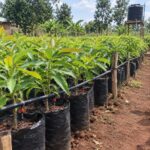
When buying seedlings, look for healthy plants with straight stems and vibrant green leaves. The graft union should be strong and well-healed with no cracks or damage. Roots should be well-developed but not pot-bound. Avoid seedlings with yellow leaves, damaged stems, or signs of disease.
Market Opportunities and Buyers
Who are the primary buyers for guava fruits in urban centers like Nairobi? Understanding your market helps you target the right buyers.
Fresh produce markets in Nairobi, Mombasa, Kisumu, and Nakuru have consistent demand for guava. Traders at Wakulima Market in Nairobi buy in bulk throughout the year. Build relationships with several traders to ensure consistent sales and avoid dependence on a single buyer. Prices in these markets range from 50 to 100 shillings per kilogram.
Supermarkets like Naivas, Quickmart, and Carrefour stock guava when quality fruit is available. They require consistent supply, proper packaging, and reliable delivery. Approach their procurement departments with samples and a supply proposal. Supermarkets pay within agreed terms and provide steady demand.
Juice processors need consistent supply of guava for blending. Companies like Sunny Processors Limited actively seek guava suppliers. They require volume and acceptable quality standards. Contact processors directly to discuss supply contracts. Building a relationship with a processor provides stable income.
Hotels and restaurants use guava in breakfast buffets, desserts, and juice programs. High-end establishments pay premium prices for quality fruit. Approach their procurement managers with samples and price quotes. Deliver consistently to maintain these accounts.
Export opportunities exist for guava and guava products. Kenya exports guava to European and Middle Eastern markets. Export requires certification and consistent quality standards. Work with export companies if you can meet their requirements.
Value addition creates additional opportunities. Process guava into juice, jam, or dried fruit. These products fetch higher prices and have longer shelf life. Health food stores and online customers seek these products.

Financial Projections on Guava Farming in Kenya for One Acre
| Year | Yield (kg) | Price/kg | Gross Revenue | Annual Costs | Net Profit |
|---|---|---|---|---|---|
| Year 1 | 0 | 70 KSh | 0 KSh | 100,000 KSh | -100,000 KSh |
| Year 2 | 1,250 | 70 KSh | 87,500 KSh | 100,000 KSh | -12,500 KSh |
| Year 3 | 3,750 | 70 KSh | 262,500 KSh | 100,000 KSh | 162,500 KSh |
| Year 4 | 7,500 | 70 KSh | 525,000 KSh | 100,000 KSh | 425,000 KSh |
| Year 5 | 11,250 | 70 KSh | 787,500 KSh | 100,000 KSh | 687,500 KSh |
| Year 6+ | 15,000 | 70 KSh | 1,050,000 KSh | 100,000 KSh | 950,000 KSh |
The initial investment of 205,000 shillings is recovered by year three. From year four onward, the orchard generates 425,000 to 950,000 shillings annually. Over a 20-year productive life, total profit exceeds 15 million shillings from a single acre.
Next Step
Guava farming in Kenya offers one of the most accessible and profitable opportunities in fruit production. Trees establish quickly and begin producing within two to three years. Yields increase annually, reaching 50 to 60 kilograms per tree at maturity. Prices range from 50 to 100 shillings per kilogram depending on season. The trees remain productive for 15 to 25 years, creating long-term wealth from a single planting.
The 2026 planting windows approach. March and October offer ideal conditions with the long and short rains. Your seedlings are waiting at Farmers Trend Limited nursery. Your land is ready for preparation.
Start with professional soil testing to know your pH and nutrient levels. Choose the right variety for your target market. Pink guava suits fresh markets. White guava works well for processing.
Prepare your land thoroughly. Dig holes 60 centimeters wide and 60 centimeters deep. Incorporate manure and allow holes to settle. Install irrigation before planting for consistent moisture through dry periods.
Order your seedlings from Farmers Trend Limited at 0790509684. They offer quality common guava seedlings from their nurseries in Murang’a and Nairobi. Buy certified seedlings to ensure true-to-type trees and disease-free establishment.
The farmers earning substantial incomes from guava started exactly where you are now. They learned, they planned, and they took action. You can do the same.
Your guava farming in Kenya journey begins today. The market is waiting. The profits are real. The time to act is now.





Leave a Reply