Pigeon Peas Farming in Kenya 2026 – The Complete Guide to Growing Mbaazi for Export and Local Markets
Pigeon Peas Farming in Kenya 2026 – The Complete Guide to Growing Mbaazi for Export
Pigeon peas, known locally as mbaazi, have been grown in Kenya for generations, but only recently have they become a serious cash crop for farmers in dry areas. The global demand for pigeon peas has exploded, with India and Middle Eastern countries needing over 1 million tons every year, and Kenya is positioned to supply a significant portion of this market. The improved short-duration hybrids like Mituki and Egerton Mbaazi have changed the game because they mature in just 4 months instead of the 11 months that traditional varieties take.
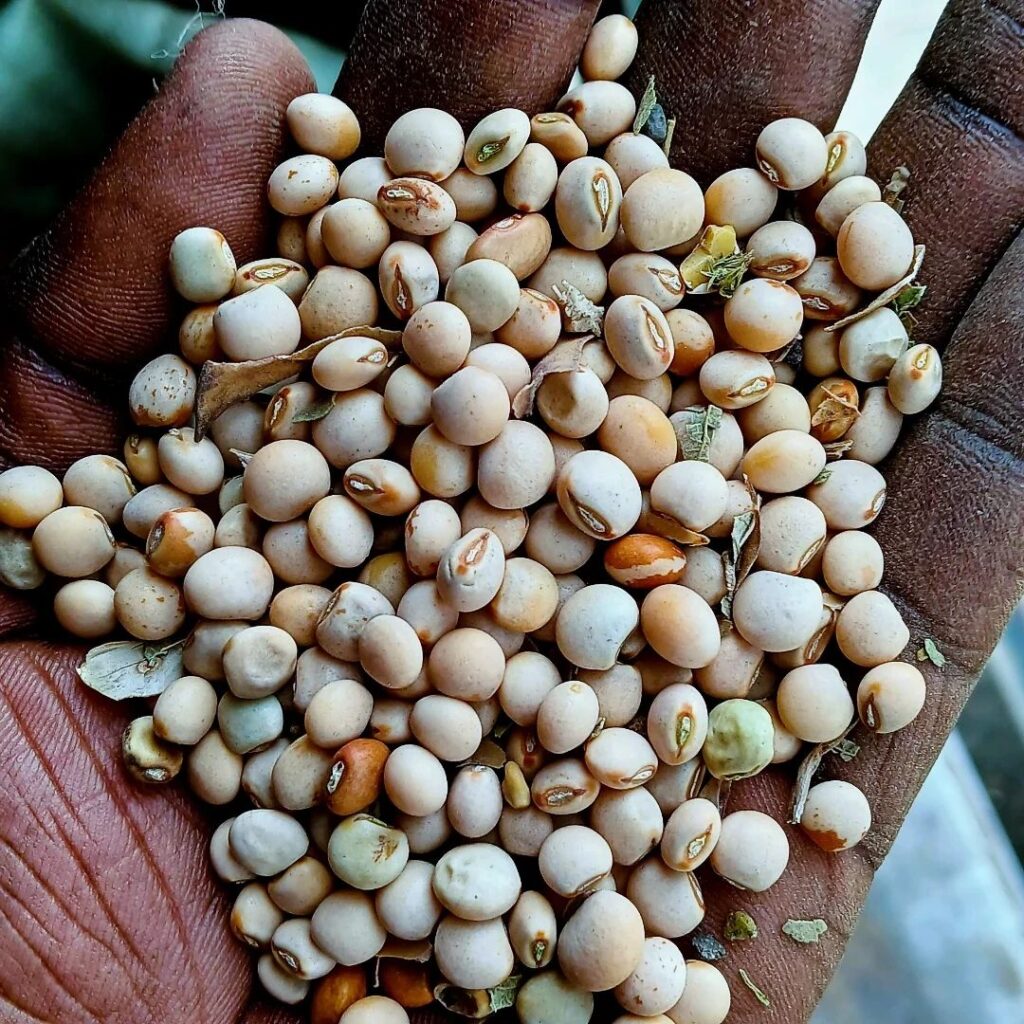
Pigeon peas farming in Kenya is ideal for the dry areas of Machakos, Kitui, Makueni, and the Coastal belt, as well as drier parts of Nyeri and Tharaka Nithi where temperatures stay between 18 and 38 degrees Celsius. A well-managed acre of improved hybrids produces 12 to 17 bags of 90 kilograms each, which is a huge jump from the 3 to 5 bags that farmers used to get from traditional varieties. With export prices reaching 100 shillings per kilogram through contract farming, the revenue per acre can reach 108,000 to 153,000 shillings per season.
This guide by Farmers Trend Limited covers what you need to know about growing pigeon peas for money in Kenya. You will learn which varieties to plant, how to prepare your land, how to space the plants, how to feed them, how to control pests, how to harvest, and how much money you can make from pigeon peas farming in Kenya. The information comes from successful farmers and from research institutions like KALRO and Egerton University.

Why Pigeon Peas Farming in Kenya Is Growing Fast
Pigeon peas farming in Kenya has expanded rapidly because farmers have discovered that improved hybrid varieties can produce two crops per year instead of one. The traditional long-duration varieties took 11 months to mature, which meant only one harvest per year, but the new short-duration varieties like Mituki mature in 125 to 135 days, which is about 4 months. This means a farmer can plant in March and harvest in July, then plant again in August and harvest in December.
The crop is perfect for dry areas because it can survive three months of total drought once the roots are established. The deep taproot system reaches water deep in the soil, and the plant continues to produce pods even when other crops have dried up. This drought tolerance makes pigeon peas farming in Kenya very attractive for farmers in ASAL regions where rainfall is unreliable.
Pigeon peas also improve the soil because they fix nitrogen. A well-nodulated crop adds about 40 kilograms of nitrogen per hectare to the soil, which means the next crop of maize or sorghum will need less fertilizer. This is why many farmers rotate pigeon peas with cereals, and they save money on fertilizer while getting good yields from both crops.
The export market for pigeon peas is very strong, with India being the largest buyer. Indian processors buy Kenyan pigeon peas and turn them into dal, which is a split-pea product used in many dishes. The export prices are stable because India has a consistent demand, and contract farming arrangements give farmers a guaranteed price of about 100 shillings per kilogram.
Pigeon Peas Varieties in Kenya
| Variety Name | Maturity (Days) | Yield (Bags/Acre) | Drought Resistance | Market Target |
|---|---|---|---|---|
| Mituki | 125-135 | 12-15 | High | Export dal |
| Egerton Mbaazi 1 | 130-140 | 10-12 | Very High | Local, export |
| Egerton Mbaazi 2 | 130-140 | 10-12 | Very High | Local, export |
| Egerton Mbaazi 3 | 130-140 | 10-12 | Very High | Local, export |
| ICEAP 554 | 150-160 | 12-15 | Medium | Export dal |
| ICEAP 557 | 150-160 | 12-15 | Medium | Export dal |
Choosing Pigeon Peas Seeds for Farming in Kenya
The seeds you plant determine the type of crop you will get and how much you will harvest, so this decision is very important for commercial pigeon peas farming in Kenya. High-yield certified pigeon pea seeds like Mituki, ICEAP, and the Egerton Mbaazi series currently average 250 to 350 shillings per kilogram at licensed institutions such as KALRO and Egerton University. You need about 10 kilograms of seeds per acre, so the seed cost per acre ranges from 2,500 to 3,500 shillings.
- Mituki is the short-duration powerhouse that has transformed pigeon peas farming in Kenya because it matures in only 4 months. This variety was developed for the dry areas of Ukambani, and it produces 12 to 15 bags of 90 kilograms per acre. Mituki has good resistance to Fusarium wilt, which is a common disease in pigeon peas, and the seeds are large and white, which is what Indian buyers prefer.
- The Egerton Mbaazi series includes three varieties, Egerton Mbaazi 1, 2, and 3, and these are drought-resistant strains engineered for ASAL survival. They mature in 130 to 140 days and produce 10 to 12 bags per acre. These varieties have very good tolerance to dry conditions, and they can produce a second flush of pods after the first harvest if the rains continue.
- ICEAP 554 and 557 are medium-duration varieties that mature in 150 to 160 days, and they are optimized for the export dal market. These varieties produce 12 to 15 bags per acre, and the seeds are large and uniform, which is what processors want. They have good resistance to pod borers, which are a major pest in pigeon peas farming in Kenya.
Planting Your Pigeon Peas Farm
The spacing for pigeon peas depends on the variety you are planting, and short-duration varieties need closer spacing than long-duration ones. For short-duration varieties like Mituki and Egerton Mbaazi, the recommended spacing is 60 centimeters between rows and 30 centimeters between plants, which gives about 55,000 plants per acre. For long-duration varieties, the spacing is 150 centimeters by 50 centimeters, which gives about 13,000 plants per acre.
The planting depth should be 2.5 to 10 centimeters, depending on the soil moisture. In dry conditions, plant deeper so the seeds can reach moisture. In wet conditions, plant shallower so the seeds do not rot. The seeds should be placed in the planting furrow and covered with soil, then firmed gently.
The best time to plant pigeon peas is at the onset of the rains, which is March to April for the long rains and October to November for the short rains. The strategic advantage of planting at the start of the rains is that the crop will establish before the dry season, and the deep taproot will reach water deep in the soil. Farmers with irrigation can plant at any time, but pigeon peas are usually grown as a rain-fed crop.
Pigeon peas can be intercropped with maize and sorghum, and this is a common practice in many parts of Kenya. The maize provides some shade for the young pigeon pea plants, and the pigeon peas fix nitrogen that benefits the maize. The push-pull system, which uses desmodium and napier grass, also works well with pigeon peas to control Striga weed and stem borers.
| Cost Item | Quantity | Unit Price | Total |
|---|---|---|---|
| Certified pigeon pea seeds (Mituki) | 10 kg | 300 KSh | 3,000 KSh |
| Land preparation | 1 acre | 5,000 KSh | 5,000 KSh |
| DAP fertilizer | 50 kg | 130 KSh/kg | 6,500 KSh |
| Labor (planting, weeding, harvest) | 15 days | 500 KSh/day | 7,500 KSh |
| Pest control materials | 1 acre | 3,000 KSh | 3,000 KSh |
| Total Per Season | 25,000 KSh |

Fertilizer and Soil Management for Pigeon Peas Farming
Pigeon peas do not need a lot of nitrogen fertilizer because they fix their own nitrogen from the air. However, they do need phosphorus at planting to help the roots develop and to support the nitrogen-fixing bacteria. Apply DAP fertilizer at 50 kilograms per acre at planting, placing the fertilizer in the planting furrow but not touching the seeds.
The soil pH should be between 5.0 and 7.0 for pigeon peas farming in Kenya. If the soil is too acidic, add lime several months before planting. If the soil is too alkaline, add sulfur. A soil test before planting is essential to know what your soil needs.
Pigeon peas are very good at improving soil fertility because the deep taproot brings up nutrients from deep in the soil, and the fallen leaves add organic matter to the topsoil. After harvesting, the remaining plant material can be incorporated into the soil, adding even more organic matter and nitrogen for the next crop.
Water Management for Pigeon Peas Farming
Pigeon peas are very drought-tolerant once established, but they need moisture during germination and early growth. The seeds will not germinate if the soil is too dry, so you should plant at the start of the rains or irrigate after planting. Once the plants are established, they can survive long dry periods because the deep taproot reaches water deep in the soil.
The crop can survive up to three months of total drought, which is why pigeon peas farming in Kenya is so popular in dry areas. When the rains return, the plant will start growing again and will produce pods. This ability to recover from drought is unique to pigeon peas and makes them a reliable crop for farmers in ASAL regions.
If you have irrigation, you can water the plants during flowering and pod filling to increase yields. The plants will produce more pods and larger seeds if they have adequate moisture during these critical stages. However, even without irrigation, pigeon peas will produce a reasonable harvest in most years.

Pests and Diseases in Pigeon Peas Farming
Pod borers are the most serious pest in pigeon peas farming in Kenya because the caterpillars eat the pods and the seeds inside. A single caterpillar can destroy several pods, and heavy infestations can reduce yields by 50 percent or more. Control pod borers with pheromone traps that attract the male moths, and apply recommended insecticides when trap catches are high.
Fusarium wilt is a soil-borne disease that causes the plants to turn yellow and die. The fungus enters through the roots and blocks the water-conducting vessels, causing the plant to wilt even when the soil is moist. Resistant varieties like Mituki and Egerton Mbaazi have good tolerance to Fusarium wilt, and crop rotation also helps reduce the disease in the soil.
Aphids are another pest that attacks young plants, and they cluster on the growing tips and suck sap. Heavy infestations can stunt the plants and reduce yields. Control aphids with neem oil or insecticidal soap, and encourage natural predators like ladybugs.
| Pest/Disease | Damage | Control |
|---|---|---|
| Pod borers | Eat pods and seeds | Pheromone traps, insecticides |
| Fusarium wilt | Yellowing, wilting, death | Resistant varieties, rotation |
| Aphids | Stunted growth, curled leaves | Neem oil, insecticidal soap |
| Pod sucking bugs | Damaged seeds, pod drop | Insecticides |
| Leaf spot | Dark spots on leaves | Copper fungicides |
Harvesting Your Pigeon Peas
Pigeon peas can be harvested in two ways, depending on the market you are targeting. For the fresh green pea market, harvest the pods when they are 80 percent mature but still green and plump. The pods should be picked by hand, and the green peas are sold fresh or frozen. The fresh green pea market pays premium prices because the demand is high and the supply is limited.
For the dry grain market, leave the pods on the plant until they turn brown and dry. The pods will start to split open when they are fully dry, so you need to harvest before they shatter and drop the seeds on the ground. Cut the whole plant and stack it in small piles to dry further, then thresh the seeds by beating the plants or using a thresher.
The split-harvest method is used for the export market, where the pods are hand-picked at 80 percent maturity to prevent shattering and maintain the “green-pea” premium. The peas are then dried and split to make dal, which is what Indian buyers want. This method requires more labor but gives higher prices.
After threshing, clean the seeds to remove chaff, debris, and damaged seeds. Store the dry seeds in hermetic bags or clean metal containers to prevent weevil infestation. Properly stored pigeon peas will last for 12 to 18 months.

How Many Bags of Pigeon Peas Per Acre
A well-managed acre of improved hybrids like Mituki produces 12 to 17 bags of 90 kilograms each, which is a huge improvement over the 3 to 5 bags from traditional varieties. The yield depends on the variety, the rainfall, and the management practices. Farmers who use certified seeds, plant at the right spacing, and control pests get the highest yields.
At an export price of 100 shillings per kilogram, a 12-bag harvest gives 108,000 shillings per acre, and a 17-bag harvest gives 153,000 shillings per acre. With two seasons per year, the annual revenue can reach 216,000 to 306,000 shillings per acre. The production costs are low, so the profit margins are very good.
| Yield Level | Bags per Acre | Total kg | Price per kg | Revenue | Net Profit |
|---|---|---|---|---|---|
| Low | 12 | 1,080 | 100 | 108,000 | 83,000 |
| Average | 14 | 1,260 | 100 | 126,000 | 101,000 |
| High | 17 | 1,530 | 100 | 153,000 | 128,000 |
Intercropping and Crop Rotation
Pigeon peas are excellent for intercropping because they fix nitrogen and have a deep root system that does not compete heavily with shallow-rooted crops. The most common intercropping system in Kenya is pigeon peas with maize, where the maize is planted between the rows of pigeon peas. The maize grows quickly and provides some shade for the young pigeon pea plants, and the pigeon peas provide nitrogen for the maize.
Pigeon peas also work well with sorghum, millet, and cassava. The push-pull system, which uses desmodium as a ground cover between the rows and napier grass as a border crop, is also effective for controlling Striga weed and stem borers. The desmodium repels the stem borers, and the napier grass attracts them, keeping them away from the maize and pigeon peas.
Crop rotation is important for pigeon peas farming in Kenya because planting the same crop in the same field year after year can lead to a buildup of soil-borne diseases like Fusarium wilt. Rotate pigeon peas with cereals like maize, sorghum, or millet, and avoid planting them after other legumes like beans or cowpeas.

Next Step for Pigeon Peas Farming in Kenya
Pigeon peas farming in Kenya is a good business for farmers in dry areas because the crop is drought-tolerant, improves the soil, and has a strong export market. Certified seeds from KALRO and Egerton University cost 250 to 350 shillings per kilogram, and you need 10 kilograms per acre. A well-managed acre produces 12 to 17 bags of 90 kilograms each, and the export price is about 100 shillings per kilogram. With two seasons per year, you can earn over 200,000 shillings per acre annually.
The best time to plant is at the start of the rains in March and October, and you should prepare your land, test your soil, and order certified seeds before planting. The improved short-duration varieties like Mituki and Egerton Mbaazi are the best choices because they mature in 4 months and allow two crops per year.
For certified pigeon pea seeds, site checks, and the 2026 Pigeon peas farming in Kenya PDF guide, contact Farmers Trend Ltd at 0790509684. The farmers who switched to improved hybrids are now earning more money from their dry land than ever before, and they are getting two harvests every year instead of one. The time to start your pigeon peas farming in Kenya journey is now.
https://farmerstrend.co.ke/trending/pigeon-peas-farming-in-kenya-guide/https://farmerstrend.co.ke/wp-content/uploads/2026/04/Pigeon-Peas-1024x1024.jpghttps://farmerstrend.co.ke/wp-content/uploads/2026/04/Pigeon-Peas-150x150.jpg# TrendingPigeon Pea (Mbaazi) FarmingDrought-resistant pigeon peas Kenya,Egerton Mbaazi 1-3 performance,Farmers Trend pigeon pea seeds,ICEAP 554 pigeon peas,Mituki pigeon pea yield per acre,Mituki variety,Pigeon pea dal export Kenya,Pigeon pea spacing 60cm x 30cm,Pigeon peas farming in Kenya PDF,Pigeon peas price per kg 2026,Pigeon peas seeds price in Kenya 2026,Push-pull system for pigeon peasPigeon Peas Farming in Kenya 2026 - The Complete Guide to Growing Mbaazi for Export Pigeon peas, known locally as mbaazi, have been grown in Kenya for generations, but only recently have they become a serious cash crop for farmers in dry areas. The global demand for pigeon peas has...FarmersTrendjohn doefarmerstrend@gmail.comAdministratorFarmers Trend Ltd.

Leave a Reply