Six Innovative Plant Breeding Techniques for a Sustainable Future
The agriculture sector faces mounting challenges due to climate change, an ever-growing global population, and the persistent need to ensure food security for billions. As these pressures continue to intensify, scientists and agricultural experts are turning to innovative plant breeding techniques to develop resilient, high-yield crops that can thrive under difficult conditions. These techniques hold the potential to revolutionize farming, ensuring sustainable food production for generations to come.

In this comprehensive exploration, we will delve into six transformative plant breeding methods that are shaping the future of agriculture. These approaches not only promise to enhance yields but also address critical issues such as environmental sustainability, resource efficiency, and crop adaptability.
1. Crossbreeding: Breeding for Better Crops
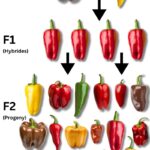
Crossbreeding, also known as hybridization, is one of the oldest and most fundamental methods in plant breeding. This technique involves selectively crossing two different plant varieties to produce offspring with desirable traits. Crossbreeding has been instrumental in agriculture for centuries, contributing to the development of crops that are more resilient, productive, and nutritious.
How Crossbreeding Works
Crossbreeding involves the careful selection of parent plants that possess complementary traits. For example, one parent might be drought-tolerant, while the other has a high yield potential. By combining these traits, plant breeders aim to produce a new variety that embodies the best characteristics of both parents. The process may take years of trial and error, as breeders must evaluate numerous offspring to identify those that exhibit the desired traits.
Real-World Applications
Hybrid crops like maize, rice, and wheat are the result of extensive crossbreeding efforts. These crops have significantly higher yields compared to traditional varieties and are often more resistant to pests and diseases. In many regions, hybrid crops have played a vital role in addressing food shortages and improving the livelihoods of farmers.
Advantages and Limitations
Crossbreeding has numerous benefits, including its ability to enhance genetic diversity, improve crop resilience, and increase productivity. However, it is a time-consuming process that requires significant resources and expertise. Additionally, maintaining the genetic stability of hybrid crops over successive generations can be challenging.
2. Induced Mutagenesis: Unlocking Genetic Potential
Induced mutagenesis is a technique that involves exposing plants to mutagenic agents such as chemicals or radiation to create controlled genetic mutations. These mutations can lead to the development of crops with novel traits, such as improved disease resistance, stress tolerance, or enhanced nutritional content.
The Science Behind Induced Mutagenesis
Mutagenesis introduces random changes to the plant’s DNA, some of which may result in beneficial traits. Once the mutations are induced, plant breeders screen the resulting plants to identify those with desirable characteristics. These selected plants are then propagated and further refined through traditional breeding methods.
Applications in Modern Agriculture
This technique has been used to develop a wide range of crops, including barley, wheat, and rice, with improved attributes. For instance, some varieties of rice developed through mutagenesis are more tolerant to saline soils, making them suitable for cultivation in areas with high soil salinity.
Benefits and Challenges
Induced mutagenesis is a cost-effective way to expand the genetic diversity of crops, allowing breeders to create new traits that would be difficult to achieve through traditional methods. However, the random nature of mutations means that the process requires extensive screening and evaluation to identify desirable outcomes.
3. Polyploidy: Expanding Genetic Diversity
Polyploidy involves manipulating plants to have multiple sets of chromosomes instead of the usual two sets (diploid). This technique is a powerful tool for increasing genetic diversity and developing crops with enhanced traits, such as larger fruit size, higher yields, and improved stress tolerance.
Understanding Polyploidy
Polyploidy occurs naturally in many plant species, but it can also be induced artificially through the use of chemicals like colchicine. By doubling or even tripling the number of chromosomes, breeders can create plants with increased vigor and unique characteristics.
Practical Applications
Some of the most common polyploid crops include wheat, strawberries, and bananas. Tetraploid wheat, for example, has larger grains and higher protein content compared to its diploid counterparts. Similarly, triploid bananas are seedless and more appealing to consumers.
Advantages and Drawbacks
Polyploidy enhances genetic variation, providing a broader pool of traits for breeders to work with. However, it can also lead to complications such as reduced fertility in some plants, which may require additional breeding efforts to overcome.
4. Protoplast Fusion: Creating Hybrid Species
Protoplast fusion is a cutting-edge technique that involves fusing the cellular contents of two different plant species to create hybrids with combined traits. This approach bypasses the limitations of traditional breeding, enabling the combination of genetic material from species that cannot naturally interbreed.
How It Works
The process begins by isolating protoplasts (cells without cell walls) from the parent plants. These protoplasts are then fused using chemical or electrical treatments, resulting in a hybrid cell that contains genetic material from both parent species. The hybrid cell is cultured to regenerate into a full plant.
Applications in Agriculture
Protoplast fusion has been used to create disease-resistant crops and improve traits such as yield, flavor, and shelf life. For example, hybrid mustard and cabbage plants developed through protoplast fusion have shown increased resistance to pests and diseases.
Benefits and Limitations
This technique offers unparalleled opportunities to combine desirable traits from unrelated species, expanding the possibilities for crop improvement. However, it requires sophisticated laboratory equipment and expertise, making it less accessible to small-scale farmers.
5. GM Technology: Transforming Agriculture
Genetically Modified (GM) technology involves the direct manipulation of an organism’s DNA to introduce foreign genes that confer specific traits. While controversial, GM crops have proven to be highly effective in addressing agricultural challenges such as pest infestations, drought, and nutrient deficiencies.
The Process of Genetic Modification
GM technology uses advanced molecular biology techniques to insert specific genes into a plant’s genome. These genes may come from other plants, bacteria, or even animals. Once the gene is integrated, the modified plant undergoes rigorous testing to ensure its safety and effectiveness.
Examples of GM Crops
Crops like Bt cotton, Golden Rice, and herbicide-resistant soybeans are examples of GM technology in action. Bt cotton, for instance, contains a bacterial gene that produces a toxin harmful to certain pests, reducing the need for chemical pesticides.
Controversies and Opportunities
While GM crops have demonstrated significant benefits, including increased yields and reduced pesticide use, they have also sparked debates over environmental and health concerns. Transparent regulations and public education are essential for addressing these issues and maximizing the potential of GM technology.
6. CRISPR: Precision Breeding for the Future
CRISPR (Clustered Regularly Interspaced Short Palindromic Repeats) is a revolutionary gene-editing technology that enables precise modifications to a plant’s DNA. Unlike GM technology, CRISPR does not introduce foreign DNA, making it a more acceptable option for consumers and regulatory bodies.
How CRISPR Works
CRISPR uses a protein called Cas9, guided by RNA, to locate and cut specific DNA sequences in the plant’s genome. This targeted editing allows scientists to add, remove, or modify genes with unparalleled accuracy.
Applications in Crop Improvement
CRISPR has been used to develop crops with enhanced disease resistance, improved nutritional content, and better adaptability to environmental stress. For example, researchers have used CRISPR to create rice varieties that are resistant to bacterial blight, a major threat to global rice production.
Advantages and Ethical Considerations
CRISPR offers a faster and more precise alternative to traditional breeding methods. However, ethical concerns about gene editing and its potential unintended consequences must be carefully addressed through robust regulations and scientific oversight.
Conclusion: A Sustainable Future Through Innovation
The six innovative plant breeding techniques—crossbreeding, induced mutagenesis, polyploidy, protoplast fusion, GM technology, and CRISPR—are transforming agriculture in profound ways. These methods are equipping farmers and researchers with the tools needed to address the challenges of climate change, food security, and population growth.
As we embrace these advancements, it is crucial to balance innovation with sustainability and ethical responsibility. By leveraging the full potential of these techniques, we can pave the way for a resilient, sustainable agricultural future that nourishes both people and the planet.
https://farmerstrend.co.ke/trending/six-innovative-plant-breeding-techniques-for-a-sustainable-future-2/https://farmerstrend.co.ke/wp-content/uploads/2025/01/Six-Innovative-Plant-Breeding-Techniques-for-a-Sustainable-Future.jpghttps://farmerstrend.co.ke/wp-content/uploads/2025/01/Six-Innovative-Plant-Breeding-Techniques-for-a-Sustainable-Future-150x150.jpg# TrendingPlant BreedingThe agriculture sector faces mounting challenges due to climate change, an ever-growing global population, and the persistent need to ensure food security for billions. As these pressures continue to intensify, scientists and agricultural experts are turning to innovative plant breeding techniques to develop resilient, high-yield crops that can thrive...FarmersTrendjohn doefarmerstrend@gmail.comAdministratorFarmers Trend Ltd.

Leave a Reply