Insulin Farming in Kenya: Tapping into the Profitable KSh 20 Billion Diabetes Treatment Market
Insulin Farming in Kenya: The 2026 Guide to Biopharming and Herbal Markets
Insulin farming in Kenya sits at the intersection of traditional herbal medicine and cutting-edge biotechnology. As diabetes rates climb across the country, the demand for affordable insulin has never been higher. Kenya imports millions of dollars worth of synthetic insulin annually. This dependence on foreign supply creates both a healthcare burden and an economic opportunity. Farmers and biotech firms are exploring two distinct paths: cultivation of the herbal insulin plant, Chamaecostus cuspidatus, and biopharming using genetically engineered crops that produce recombinant human insulin.
The numbers tell a compelling story. Diabetes affects over 2 million Kenyans, with numbers projected to rise significantly by 2030. The global insulin market is valued at over $20 billion. Kenya currently imports 100 percent of its synthetic insulin supply. This gap represents a massive opportunity for farmers who understand both the herbal and biotech sides of insulin farming in Kenya.
This guide by Farmers Trend Ltd. provides everything you need to know about insulin farming in Kenya. You will learn about the herbal insulin plant, biopharming technologies, cultivation protocols, regulatory requirements, and market opportunities. The information comes from agricultural research stations, biotech experts, and traditional medicine practitioners across the country.

The Biotech Revolution and Pharmaceutical Demand for Insulin Farming in Kenya
Is there a market for insulin farming in Kenya? The answer lies in the rising cases of diabetes. According to the International Diabetes Federation, over 2 million Kenyans live with diabetes, and this number is projected to double by 2045. The cost of imported insulin remains high, with a single vial costing 1,500 to 3,000 shillings. Patients requiring multiple vials monthly face significant financial strain. This demand creates a ready market for locally produced insulin alternatives.
The high-tech side of insulin farming in Kenya involves genetic engineering. Which plant produces insulin through genetic engineering? Scientists have successfully engineered plants like safflower, tobacco, and lettuce to produce recombinant human insulin. These plants are grown in controlled environments where they accumulate insulin-like proteins in their seeds or leaves. The process, known as molecular farming, offers a scalable way to produce pharmaceutical-grade insulin.
How is insulin made artificially in a field setting? The process begins with transgenic seeds containing the human insulin gene. These seeds are planted under strict containment protocols. As plants grow, they produce the insulin protein within their tissues. At harvest, the insulin is extracted, purified, and processed into pharmaceutical formulations. This method reduces production costs compared to traditional bioreactor manufacturing.
Kenya aims to reduce insulin import costs through local production initiatives. The government has shown interest in supporting biopharming projects that meet regulatory standards. However, the path to commercial insulin farming in Kenya requires navigating complex regulations from the National Biosafety Authority and the Pharmacy and Poisons Board.

Cultivation of the Medicinal Insulin Plant in Kenya
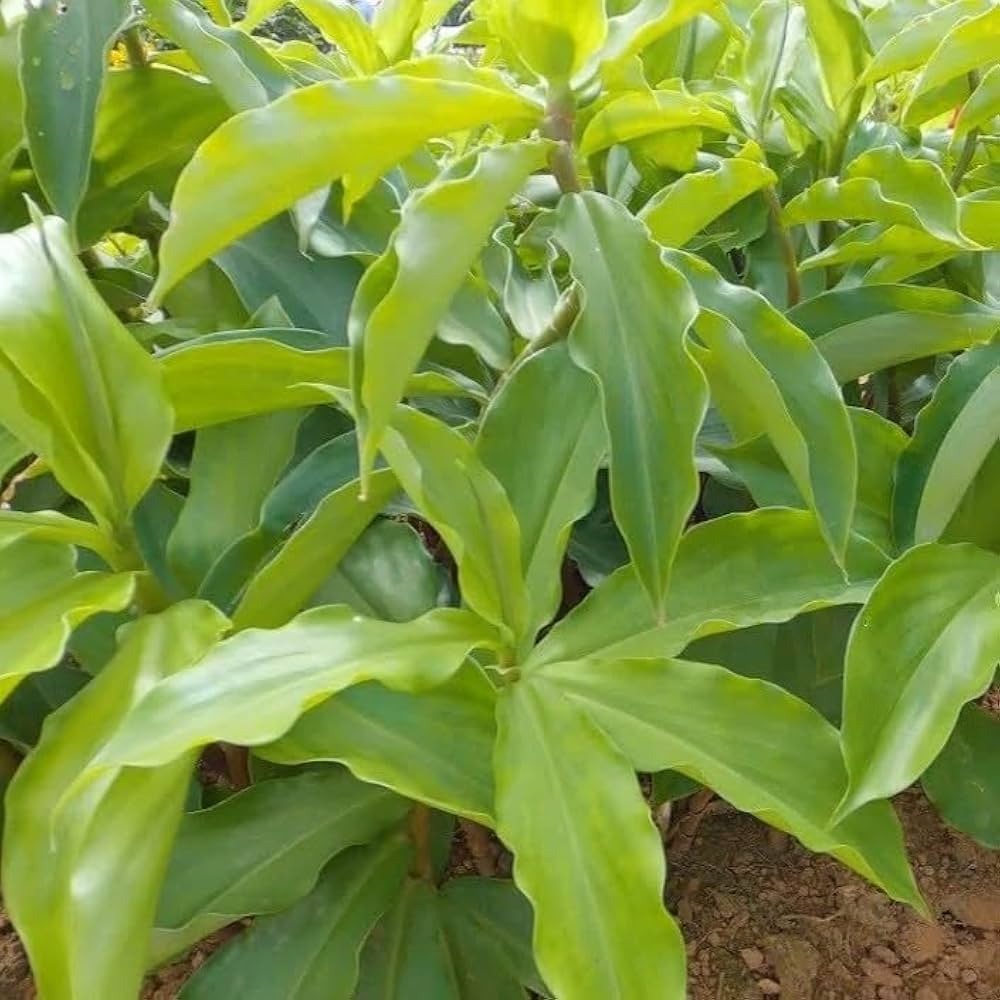
Does the insulin plant grow in Kenya? Yes, the herbal insulin plant, Chamaecostus cuspidatus, grows well in tropical regions. Known locally as the insulin plant or spiral flag, this herbaceous perennial has been used in traditional medicine for generations. Its leaves contain compounds that help lower blood sugar levels, making it popular among diabetic patients seeking natural alternatives.
Where is the best place to grow insulin plant? The plant thrives in hot, humid areas similar to its native tropical habitat. Coastal regions like Mombasa, Kilifi, and Kwale provide ideal conditions. Lake Basin areas including Kisumu, Busia, and Homa Bay also support vigorous growth. The plant prefers partial shade and consistent moisture, making it suitable for intercropping with bananas or other taller crops.
How long does it take for an insulin plant to grow? From planting to first leaf harvest takes 4 to 6 months. The plant grows continuously, with leaves maturing progressively. The lifespan of an insulin plant extends 3 to 5 years under good management. As a perennial, it produces harvestable leaves throughout the year once established.
The plant reaches 1 to 2 meters in height at maturity. Leaves are spirally arranged, bright green, and succulent. Flowers appear in cone-shaped clusters, adding ornamental value. For commercial insulin farming in Kenya, farmers focus on leaf production, harvesting mature leaves every 2 to 3 months.

Technical Biopharming Protocols for Insulin Farming in Kenya
For the industrial reader, understanding molecular farming is essential. How to farm insulin using transgenic seeds involves several stages of controlled cultivation. The process begins with the development of transgenic plant lines containing the human insulin gene. These lines are tested for stability and insulin expression levels.
Seeds from approved transgenic lines are multiplied under controlled conditions. Farmers participating in insulin farming in Kenya must follow strict containment protocols. These include physical isolation from conventional crops, dedicated equipment, and rigorous record keeping. The National Biosafety Authority oversees all GMO activities in Kenya.
Is insulin farming difficult? Yes, biopharming presents significant challenges. The technical complexity of producing pharmaceutical-grade proteins requires specialized knowledge and equipment. Contamination risks are high, and entire batches may be rejected if standards are not met. Regulatory compliance adds layers of documentation and oversight.
Under NBA guidelines, insulin farming in Kenya requires environmental risk assessments, contained field trials, and approval for commercial release. The process from research to commercial production spans 5 to 10 years. Only large-scale agricultural companies and research institutions currently pursue this path.
For most farmers, the herbal insulin plant offers a more accessible entry point. It requires no special permits and grows with standard horticultural practices. The market for dried leaves is established, with buyers including herbal medicine processors and direct consumers.
Propagation and Growth Timelines for Insulin Plant Farming
How many days does it take for an insulin plant to mature? From stem cutting to first harvest takes 120 to 180 days depending on growing conditions. Warm temperatures and consistent moisture accelerate growth. Cooler conditions extend the timeline.
How to make insulin plant grow faster starts with proper soil preparation. The plant prefers rich, well-drained soil with high organic matter. Incorporate 10 to 15 tons of manure per acre before planting. Apply nitrogen-rich organic fertilizers during active growth to boost leaf development.
Can one grow insulin plant from a cutting or are seeds required? Propagation from stem cuttings is the preferred method. Take cuttings 15 to 20 centimeters long with several nodes. Remove lower leaves and plant directly in prepared beds or pots. Roots develop in 2 to 3 weeks. Seeds are rarely used because germination is slow and variable.
Spacing for commercial insulin farming in Kenya is 1 meter by 1 meter, giving 4,000 plants per acre. This spacing allows each plant to develop fully and simplifies harvesting. Closer spacing of 75 centimeters by 75 centimeters increases plant count but may reduce individual plant yields.
Water immediately after planting and maintain consistent moisture through establishment. The plant tolerates brief dry spells but performs best with regular watering.
Harvesting and Value Addition in Insulin Farming in Kenya
The harvest process for insulin farming in Kenya focuses on leaves rather than flowers or seeds. Leaves contain the highest concentration of active compounds. Harvest when leaves are fully expanded and mature, typically 4 to 6 months after planting.
How often should I water the insulin plant? During active growth, water every 2 to 3 days depending on soil type. Sandy soils need more frequent watering than clay soils. Drip irrigation delivers water efficiently while keeping foliage dry. Reduce watering during cool or rainy periods to prevent root rot.
What month to plant insulin plant for optimal yield? Plant at the start of the long rains in March to April for coastal areas. For Lake Basin regions, planting in August to September works well. With irrigation, you can plant year-round.
After harvest, leaves are dried for preservation. Spread leaves in a single layer on clean mats or drying racks. Sun drying takes 3 to 5 days depending on weather. Turn regularly for even drying. Properly dried leaves store for 12 to 18 months.
Value addition includes grinding dried leaves into powder. Powder is easier to package and use. Capsules containing insulin plant powder sell to health food stores and herbal medicine outlets. Some farmers produce tea blends combining insulin plant with other herbs.
2026 Financials and Market Value for Insulin Farming in Kenya
How much is 1 kg of insulin plant leaves? In 2026, dried insulin plant leaves wholesale for 500 to 1,000 shillings per kilogram. Retail prices reach 1,200 to 1,800 shillings per kilogram in Nairobi health food stores. Fresh leaves sell for 100 to 200 shillings per kilogram to local buyers.
What is the cost of insulin farming in Kenya? Certified insulin plant seedlings cost 500 shillings each from Farmers Trend Ltd. With 4,000 plants per acre, seedling costs total 2,000,000 shillings. This is the main expense. Other inputs including land preparation, manure, labor, and irrigation add 150,000 to 200,000 shillings.
| Cost Item | Amount (KSh) |
|---|---|
| Seedlings (4,000 at KSh 500 from Farmers Trend Ltd) | 2,000,000 |
| Land preparation | 20,000 |
| Manure and compost | 30,000 |
| Irrigation system | 75,000 |
| Labor (planting, weeding, harvest) | 80,000 |
| Drying and processing | 40,000 |
| Total First-Year Investment | 2,245,000 KSh |
| Yield Level | Dried Leaves (kg) | Price/kg | Gross Revenue | Net Profit |
|---|---|---|---|---|
| Conservative | 800 | 500 | 400,000 | -1,845,000 |
| Good Management | 1,500 | 600 | 900,000 | -1,345,000 |
| Excellent | 2,500 | 800 | 2,000,000 | -245,000 |
The high seedling cost makes insulin plant farming capital-intensive. Farmers recover investment over 3 to 5 years as plants mature and yields increase. The perennial nature of the crop spreads costs over multiple harvests.
For biopharming, costs are orders of magnitude higher. Research and development, regulatory approvals, and specialized facilities require millions of shillings in investment. Only established agricultural biotechnology companies pursue this path.

2026 Insulin Plant vs. Biopharming Comparison Table
| Factor | Insulin Plant (Herbal) | Biopharming (GMO) |
|---|---|---|
| Startup cost per acre | 2,200,000 KSh | 20,000,000+ KSh |
| Time to first harvest | 6 months | 1-2 years |
| Regulatory requirements | None (herbal) | NBA, PPB approvals |
| Yield per acre | 2,500 kg dried leaves | Varies by crop |
| Price per kg | 500-800 KSh | Contract pricing |
| Target market | Herbal medicine | Pharmaceutical |
| Investment timeline | 3-5 years recovery | 10+ years |
Diabetes Management Herb Market Price Index
| Herb | Form | Price per kg (KSh) | Primary Use |
|---|---|---|---|
| Insulin plant (Chamaecostus) | Dried leaves | 500-1,000 | Blood sugar management |
| Stevia | Dried leaves | 800-1,200 | Natural sweetener |
| Aloe vera | Dried gel | 1,000-1,500 | Blood sugar, digestion |
| Bitter gourd | Dried fruit | 400-600 | Diabetes management |
| Fenugreek | Seeds | 300-500 | Blood sugar control |
Regulatory Challenges and Disadvantages in Insulin Farming in Kenya
What are the disadvantages of insulin plants? The main disadvantage is the lack of standardization. Active compound concentrations vary with growing conditions, harvest timing, and processing methods. This makes dosage difficult to control compared to pharmaceutical insulin. Herbal products are not subject to the same rigorous testing as prescription drugs.

The legal hurdles of GMO pharming are substantial. The National Biosafety Authority requires environmental release permits for any GMO crop. This involves risk assessments, public consultations, and containment measures. The process from application to approval takes 2 to 5 years.
The Pharmacy and Poisons Board registration process for biopharmed insulin is even more demanding. Products must demonstrate safety, efficacy, and quality through clinical trials. This requires millions of shillings in investment and 5 to 10 years of development.
For herbal insulin, the regulatory path is simpler. Products sold as dietary supplements face less scrutiny than pharmaceutical drugs. However, claims of treating diabetes must be carefully worded to avoid regulatory action. The Kenya Pharmacy and Poisons Board monitors herbal products for safety but does not require the same rigorous testing as prescription medicines.
Intellectual property issues also arise. Transgenic insulin-producing plants are patented by biotechnology companies. Farmers cannot save seeds or multiply them without license agreements. This creates dependency on seed suppliers and limits farmer autonomy.
The Farmers Trend Ltd Advantage for Insulin Plant Farming
Farmers Trend Ltd offers certified insulin plant seedlings through their nurseries and Virtual Agrovet platform. Their seedlings are propagated from select mother stock, ensuring genetic purity and vigorous growth. Contact Farmers Trend Ltd at 0790509684 to place orders or inquire about availability.
The Virtual Agrovet platform allows you to order online with delivery arranged to your farm. Browse products, check prices, and place orders at any time. Farmers Trend Ltd also provides agronomic advice on insulin plant cultivation.
For farmers interested in herbal medicine markets, Farmers Trend Ltd connects growers with buyers and processors. Their network includes herbal medicine companies seeking consistent supply of quality raw materials.
Next Step
Insulin farming in Kenya presents two distinct paths with different risks and rewards. Herbal insulin plant cultivation offers immediate entry with established markets but requires significant seedling investment. Biopharming offers pharmaceutical potential but demands substantial capital and regulatory patience.
For most farmers, the herbal insulin plant provides a practical starting point. The market for dried leaves is established, and demand continues growing. With 4,000 plants per acre and yields reaching 2,500 kilograms of dried leaves, gross revenue potential exceeds 2,000,000 shillings annually. Recovery of the initial 2,200,000 shilling investment takes 2 to 3 years.
The 2026 planting windows approach. March to April and August to September offer ideal conditions. Your seedlings are waiting at Farmers Trend Ltd nurseries. The Virtual Agrovet platform makes ordering simple.
Start with site selection in warm, humid areas. Prepare soil with organic matter. Install irrigation for consistent moisture. Order your certified insulin plant seedlings from Farmers Trend Ltd through their Virtual Agrovet platform or call them at 0790509684.
The farmers building enterprises with medicinal plants started exactly where you are now. They learned, they planned, and they took action. You can do the same.
Your insulin farming in Kenya journey begins today. The market is waiting. The profits are real. The time to act is now.
https://farmerstrend.co.ke/crops/herbs-farming-in-kenya/insulin-plant/insulin-farming-in-kenya-herbal-biotech-guide/https://farmerstrend.co.ke/wp-content/uploads/2026/03/insulin-farming-in-kenya.jpghttps://farmerstrend.co.ke/wp-content/uploads/2026/03/insulin-farming-in-kenya-150x150.jpgInsulin Plant# TrendingHerbs Farming In KenyaBiopharming Kenya,Chamaecostus cuspidatus Kenya,Cost of insulin farming per acre,Diabetes management herbs Kenya,Farmers Trend Ltd insulin seedlings,Herbal insulin farming Kenya,How to grow insulin plant,insulin plant Kenya,Insulin plant leaves price per kg,Insulin plant seedlings price Kenya,Molecular farming Kenya,National Biosafety Authority GMO regulations,Pharmacy and Poisons Board herbal products,Transgenic insulin plants,Virtual agrovet insulin plantInsulin Farming in Kenya: The 2026 Guide to Biopharming and Herbal Markets Insulin farming in Kenya sits at the intersection of traditional herbal medicine and cutting-edge biotechnology. As diabetes rates climb across the country, the demand for affordable insulin has never been higher. Kenya imports millions of dollars worth of...FarmersTrendjohn doefarmerstrend@gmail.comAdministratorFarmers Trend Ltd.


Leave a Reply