Rabbit Farming in Kenya 2026: The Complete Commercial Guide to KSh 2.2 Million Annual Profits
Rabbit Farming in Kenya: The 2026 Commercial Guide to High-Margin Meat and Urine Production
Rabbit farming in Kenya is no longer just a backyard activity for children. These days, serious farmers are keeping rabbits for meat, urine, and manure. Walk through Kiambu, Nakuru, or Uasin Gishu, and you will find farmers who have replaced traditional livestock with rabbits. A single doe produces 8 to 12 kits every 35 days. Over one year, one doe gives you 60 to 80 offspring. Each rabbit reaches market weight in 3.5 to 4 months. The money makes sense for anyone interested in rabbit farming in Kenya.
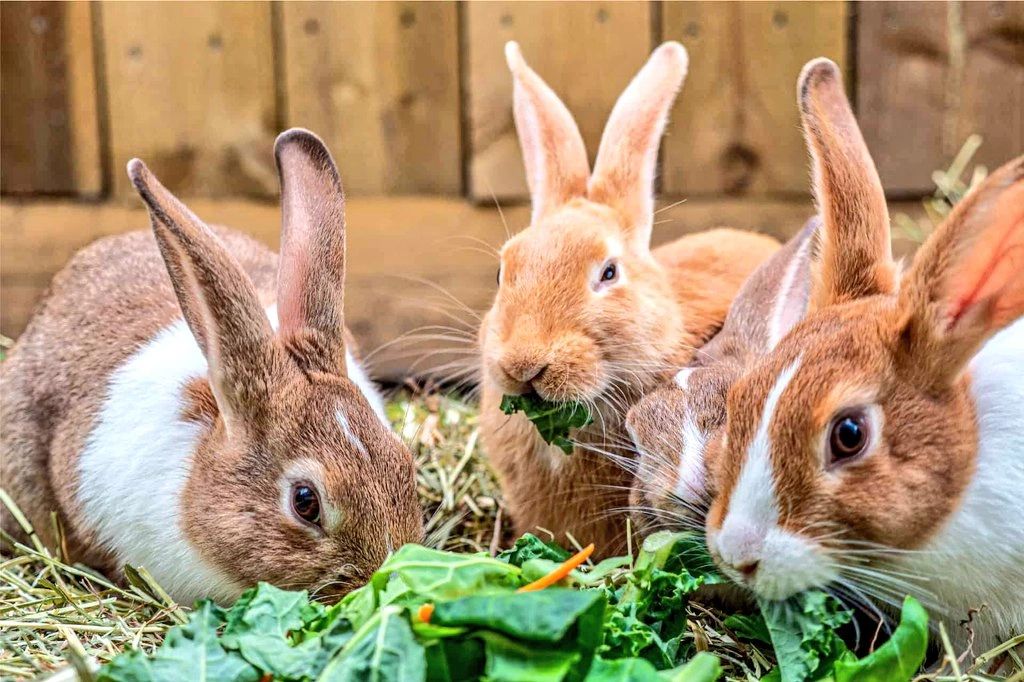
A mature rabbit sells for 2,500 to 3,500 shillings. One doe produces 60 to 80 rabbits per year. That means one doe generates 150,000 to 280,000 shillings in gross revenue annually. Feed costs are low. Rabbits need 2.5 kilograms of feed for every kilogram of weight gain. Cattle need 6 to 8 kilograms. The efficiency is clear. This is why rabbit farming in Kenya attracts more investors each year.
This guide by Farmers Trend Limited covers everything you need for commercial rabbit farming in Kenya. You will learn about breed selection, cage design, feeding programs, disease prevention, urine collection, and marketing. The information comes from farmers who have built successful rabbit farming in Kenya enterprises.

The 2026 Rabbit Farming in Kenya Economic Landscape
More Kenyans are eating white meat. Health-conscious consumers are moving away from red meat to leaner protein sources. Rabbit meat is low in cholesterol, high in protein, and easy to digest. Hotels, restaurants, and butcheries are adding rabbit meat to their menus. This shift creates opportunity for rabbit farming in Kenya.
Comparing rabbit farming in Kenya to poultry and piggery shows good returns. A farmer with 10 does produces 600 to 800 rabbits annually. At 2,500 shillings per rabbit, gross revenue reaches 1.5 to 2 million shillings. The startup cost for rabbit farming in Kenya is lower than piggery. The space requirement is smaller than poultry. The feed conversion is better than both.
Is rabbit farming in Kenya profitable? Yes. A 10-doe unit generates 150,000 to 280,000 shillings monthly from kit sales. Add rabbit urine at 100 to 150 shillings per liter. Add manure at 500 to 1,000 shillings per 50-kilogram bag. The income adds up quickly. Rabbit farming in Kenya works for both part-time and full-time farmers.
Commercial Genetics and Breed Selection for Rabbit Farming in Kenya
Choosing the right breed is the first step to making money from rabbit farming in Kenya. Three commercial breeds dominate Kenyan rabbit farms.
California White is the most popular breed for rabbit farming in Kenya. This rabbit has a white body with dark ears, nose, feet, and tail. California Whites reach 2.5 to 3 kilograms at 4 months. Does produce 8 to 10 kits per litter. They are good mothers. This breed is ideal for meat production in rabbit farming in Kenya.
New Zealand White is the second most common breed for rabbit farming in Kenya. This rabbit is pure white with pink eyes. New Zealand Whites reach 3 to 3.5 kilograms at 4 months. Does produce 8 to 10 kits per litter. Processors prefer this breed for uniform carcass size. New Zealand White is a solid choice for rabbit farming in Kenya.
Flemish Giant is the largest breed used in rabbit farming in Kenya. This rabbit reaches 5 to 7 kilograms at maturity. Does produce 6 to 8 kits per litter. This breed works for niche markets and selling breeding stock. Not every rabbit farming in Kenya operation uses Flemish Giant, but some farmers prefer them.
| Breed | Weight at 4 Months | Litter Size | Best Use |
|---|---|---|---|
| California White | 2.5-3 kg | 8-10 | Commercial meat |
| New Zealand White | 3-3.5 kg | 8-10 | Processors |
| Flemish Giant | 5-7 kg | 6-8 | Niche markets |
Buy your breeding stock from reputable farms for successful rabbit farming in Kenya. A healthy doe costs 2,500 to 3,500 shillings. A buck costs 2,000 to 3,000 shillings. Cheap stock from unknown sources often grows slowly and produces small litters. Quality genetics matter in rabbit farming in Kenya.
Infrastructure and Cage Engineering for Rabbit Farming in Kenya
Modern rabbit cages in 2026 use multi-tier battery systems with slanted urine collectors. These cages save space, reduce labor, and capture urine for sale. The urine alone becomes a profitable product in rabbit farming in Kenya. Good cage design is essential for rabbit farming in Kenya.
Wire mesh floors work best for rabbit farming in Kenya. Solid floors collect waste and cause disease. Wire mesh lets droppings and urine fall through. Rabbits stay clean. The risk of coccidiosis drops significantly. This is a key principle in rabbit farming in Kenya.
For cage sizes in rabbit farming in Kenya, adult rabbits need 60 centimeters wide, 60 centimeters deep, and 45 centimeters high. Grower rabbits need 45 centimeters wide, 60 centimeters deep, and 45 centimeters high. Nesting boxes for does need 45 centimeters wide, 30 centimeters deep, and 30 centimeters high. Proper sizing makes rabbit farming in Kenya more efficient.
The urine collection system is what pays for itself in rabbit farming in Kenya. Slant the floor slightly toward the front. Attach a PVC gutter to collect urine. Direct the urine into a collection container. A 10-doe unit produces 5 to 10 liters of urine daily. This system is a game changer for rabbit farming in Kenya.
| Cage Type | Dimensions | Capacity |
|---|---|---|
| Breeder cage | 60cm x 60cm x 45cm | 1 doe with litter |
| Grower cage | 45cm x 60cm x 45cm | 4-5 growers |
| Buck cage | 60cm x 60cm x 45cm | 1 buck |
Build your cages using galvanized wire for rabbit farming in Kenya. Use 14-gauge wire for the floor. Use 16-gauge wire for walls and ceiling. The floor wire spacing should be 1.2 centimeters by 1.2 centimeters. The wall wire spacing can be 2.5 centimeters by 5 centimeters. Good construction makes rabbit farming in Kenya last for years.
Nutritional Science and Feed Conversion in Rabbit Farming in Kenya
What is the best food for rabbits in Kenya? A balanced diet includes commercial pellets, hay, and fresh greens. Follow the 80/20 rule. Give 80 percent hay and dry matter. Give 20 percent pellets and supplements. Proper feeding is the backbone of successful rabbit farming in Kenya.
The best rabbit pellets in Kenya contain 16 to 18 percent protein, 10 to 15 percent fiber, and 2 to 3 percent fat. Brands like Unga Farmcare Rabbit Pellets, Kenta Rabbit Feed, and Noreast Rabbit Pellets work well. A 50-kilogram bag costs 2,500 to 3,500 shillings. Quality feed makes rabbit farming in Kenya more profitable.
Hay keeps the digestive system working in rabbit farming in Kenya. Rhodes grass, lucerne, and oat hay are good options. Hay provides fiber that prevents bloating and diarrhea. A rabbit eats 150 to 200 grams of hay daily. Never skip hay in rabbit farming in Kenya.
Fresh greens add variety to the diet in rabbit farming in Kenya. Carrots, kales, cabbages, and amaranth are suitable. Wash greens thoroughly to remove pesticides. Introduce new greens slowly to prevent digestive upset. Greens supplement the main diet in rabbit farming in Kenya.
Water is essential for rabbit farming in Kenya. A rabbit drinks 250 to 500 milliliters daily. Give clean water at all times. Automatic nipple drinkers keep water clean and reduce labor. Water is often overlooked but critical in rabbit farming in Kenya.
| Age | Feed Type | Quantity per Day | Target Weight |
|---|---|---|---|
| 0-4 weeks | Milk from doe | Ad libitum | 500g |
| 4-8 weeks | Starter pellets | 50-100g | 1.5kg |
| 8-16 weeks | Grower pellets + hay | 100-150g | 2.5-3kg |
How Many Months Does a Rabbit Take to Mature in Rabbit Farming in Kenya
A rabbit reaches market weight of 2.5 to 3 kilograms in 3.5 to 4 months. Understanding growth timelines helps you plan rabbit farming in Kenya.
From birth to weaning takes 4 weeks. Kits weigh 50 to 100 grams at birth. They reach 500 to 800 grams when you take them from the mother. This is the first stage of rabbit farming in Kenya.
From weaning to 8 weeks is the starter phase. Rabbits gain 20 to 30 grams daily. They reach 1.5 to 1.8 kilograms. Good nutrition speeds growth in rabbit farming in Kenya.
From 8 to 16 weeks is the finisher phase. Rabbits gain 25 to 35 grams daily. They reach 2.5 to 3 kilograms. This is when rabbit farming in Kenya starts generating revenue.
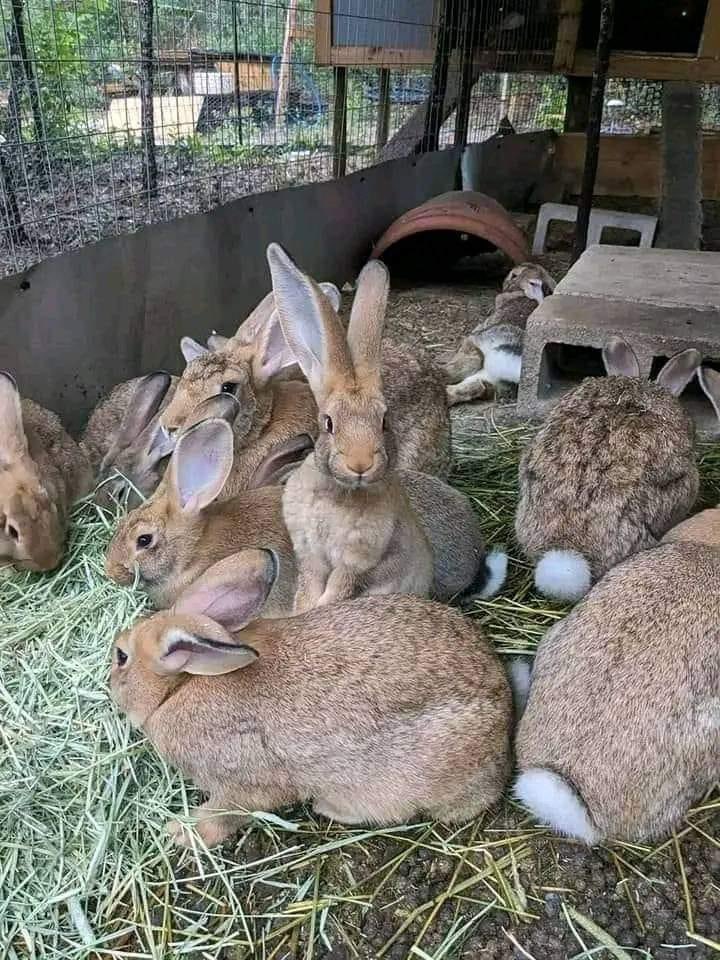
The Urine and Manure Value Chain in Rabbit Farming in Kenya
Rabbit urine price in Kenya 2026 ranges from 100 to 150 shillings per liter. This is money many farmers leave on the table. Smart farmers know that urine is a major profit center in rabbit farming in Kenya.
Rabbit urine works as a natural foliar fertilizer. It contains nitrogen, phosphorus, and potassium. Mix one liter of urine with 10 liters of water. Spray on vegetable leaves. The plants absorb nutrients directly. Yields increase by 20 to 30 percent. This is a hidden benefit of rabbit farming in Kenya.
Rabbit urine also repels pests. It keeps away aphids, whiteflies, and spider mites. Use the same dilution. Spray weekly during the growing season. You will use less chemical pesticide. Pest control is another advantage of rabbit farming in Kenya.
A 10-doe unit produces 5 to 10 liters of urine daily. That is 150 to 300 liters monthly. At 100 shillings per liter, urine alone gives you 15,000 to 30,000 shillings monthly. This income stream makes rabbit farming in Kenya even more attractive.
Rabbit manure is another product you can sell from rabbit farming in Kenya. A 10-doe unit produces 50 to 100 kilograms of manure daily. Dry it and put it in bags. A 50-kilogram bag sells for 500 to 1,000 shillings. Manure adds to the profitability of rabbit farming in Kenya.
Health Management and Bio-security in Rabbit Farming in Kenya
Coccidiosis is the most common disease in rabbit farming in Kenya. Rabbits get diarrhea, become dehydrated, and can die. Prevention works better than cure. Keep cages clean. Use wire mesh floors. Add coccidiostat to drinking water during rainy seasons. Disease prevention is essential in rabbit farming in Kenya.
Ear mites cause scabbing and itching in rabbit farming in Kenya. Infected rabbits shake their heads and scratch their ears. Treat with ivermectin drops. Put the drops directly into the ear canal. Repeat after 10 days. Ear mites are common but treatable in rabbit farming in Kenya.
Viral Haemorrhagic Disease (VHD) is deadly in rabbit farming in Kenya. There is no cure. Vaccination is the only protection. Vaccinate does at 8 weeks. Revaccinate every 6 months. You can get VHD vaccine from veterinary pharmacies. Vaccination protects your investment in rabbit farming in Kenya.
Keep diseases out with simple rules for rabbit farming in Kenya. Quarantine new rabbits for 14 days. Disinfect cages between batches. Control rodents and wild rabbits. Limit visitor access. Bio-security keeps your rabbit farming in Kenya operation safe.

How Much Is a Rabbit in Kenya 2026 for Rabbit Farming in Kenya
How much is a rabbit in Kenya 2026? An 8-week weaner sells for 1,000 to 1,500 shillings. A 16-week mature rabbit sells for 2,500 to 3,500 shillings. A proven doe sells for 3,000 to 5,000 shillings. A proven buck sells for 2,500 to 4,000 shillings. These prices make rabbit farming in Kenya worthwhile.
Where Can I Sell My Rabbits in Kenya for Rabbit Farming in Kenya
Alcare is the largest rabbit meat processor in Kenya. They buy 500 to 1,000 rabbits weekly. They want rabbits of 2.5 to 3 kilograms. Contract farming with Alcare gives you a guaranteed market. This is a reliable outlet for rabbit farming in Kenya.
Rabbit Republic is another processor for rabbit farming in Kenya. They make value-added products like rabbit sausages and samosas. They buy rabbits of 2 to 2.5 kilograms. Processors like Rabbit Republic support rabbit farming in Kenya.
Local butcheries are starting to sell rabbit meat from rabbit farming in Kenya. Talk to butchery owners. Give them samples. Offer consistent supply. Build long-term relationships. Butcheries are growing outlets for rabbit farming in Kenya.
Hotels and restaurants serve rabbit meat as a specialty dish from rabbit farming in Kenya. Chefs like the lean protein. Supply whole carcasses or individual cuts. Hotels pay premium prices for rabbit farming in Kenya products.
Live animal markets sell rabbits to individual buyers from rabbit farming in Kenya. Prices are lower, but you get paid immediately. Live markets are an option for rabbit farming in Kenya.
10-Doe Commercial Unit Startup Budget for Rabbit Farming in Kenya
Here is a 2026 budget for a 10-doe commercial unit with 2 bucks. These numbers reflect current costs for rabbit farming in Kenya.
| Cost Item | Quantity | Unit Price | Total |
|---|---|---|---|
| Does (California White) | 10 | 3,000 KSh | 30,000 KSh |
| Bucks | 2 | 2,500 KSh | 5,000 KSh |
| Breeding cages (doe size) | 12 | 5,000 KSh | 60,000 KSh |
| Grower cages (4 sections) | 10 | 8,000 KSh | 80,000 KSh |
| Urine collection system | 1 unit | 15,000 KSh | 15,000 KSh |
| Feed for 6 months | 1,500 kg | 60 KSh/kg | 90,000 KSh |
| Hay for 6 months | 500 kg | 30 KSh/kg | 15,000 KSh |
| Water and feeding equipment | 1 set | 10,000 KSh | 10,000 KSh |
| Veterinary and medicine | 1 year | 10,000 KSh | 10,000 KSh |
| Total | 315,000 KSh |
Here is the revenue projection for rabbit farming in Kenya.
| Income Stream | Monthly | Annual |
|---|---|---|
| Kit sales (60 kits/month at 2,500 KSh) | 150,000 | 1,800,000 |
| Urine (300 liters/month at 100 KSh) | 30,000 | 360,000 |
| Manure (10 bags/month at 500 KSh) | 5,000 | 60,000 |
| Total Revenue | 185,000 | 2,220,000 |
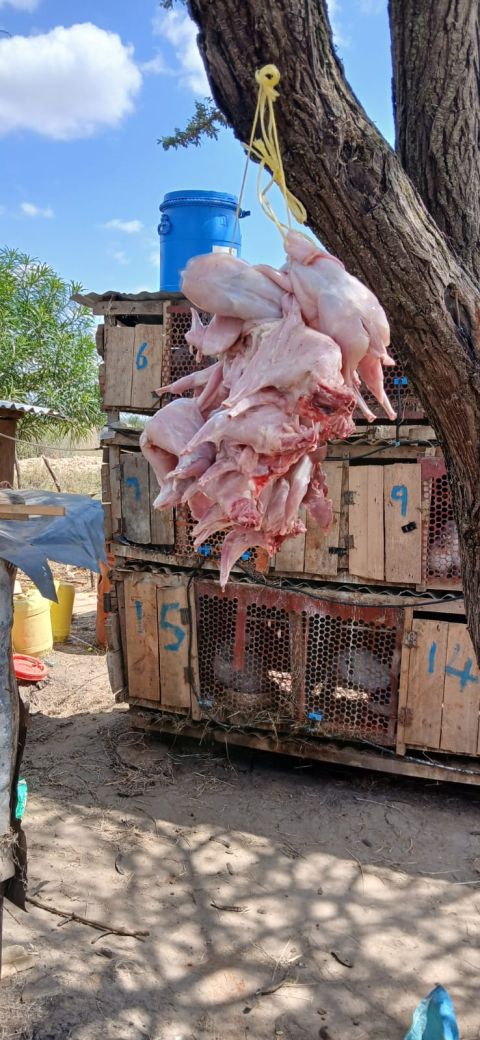
Next Step for Rabbit Farming in Kenya
Rabbit farming in Kenya offers multiple income streams. A 10-doe unit generates 150,000 to 280,000 shillings monthly from kit sales. Rabbit urine adds 15,000 to 30,000 shillings monthly. Manure adds another 5,000 to 10,000 shillings. Total monthly revenue reaches 170,000 to 320,000 shillings. These numbers show why rabbit farming in Kenya is growing.
The 2026 market is strong for rabbit farming in Kenya. Processors need consistent supply. Butcheries want quality meat. Farmers who enter now will establish themselves before the market becomes crowded. Rabbit farming in Kenya has room for more producers.
Start with California White or New Zealand White breeds for rabbit farming in Kenya. Build multi-tier cages with slanted urine collectors. Feed commercial pellets supplemented with hay. Vaccinate against VHD. Collect urine for sale as foliar fertilizer. Contract with processors for guaranteed markets. These steps lead to success in rabbit farming in Kenya.
For commercial cage construction and breeding stock sourcing for rabbit farming in Kenya, contact Farmers Trend Ltd at 0790509684. Virtual Agrovet offers automatic rabbit nipples, high-protein pellets, and urine collection kits for rabbit farming in Kenya. The time to invest in rabbit farming in Kenya is now. The returns are real. The market is waiting for your rabbits.
https://farmerstrend.co.ke/livestock-farming/rabbit-farming/rabbit-farming-in-kenya-2026-commercial-guide/https://farmerstrend.co.ke/wp-content/uploads/2026/04/rabbit-farming-in-kenya.jpeghttps://farmerstrend.co.ke/wp-content/uploads/2026/04/rabbit-farming-in-kenya-150x150.jpegRabbit Farming# TrendingAlcare rabbit buying price,Best rabbit pellets in Kenya,California White rabbit Kenya,Commercial rabbit breeds in Kenya,Farmers Trend rabbit farming,Multi-tier rabbit cages Kenya,New Zealand White rabbit Kenya,Rabbit farming profit per doe,Rabbit feed formulation Kenya,Rabbit housing design plans Kenya,Rabbit manure price Kenya,Rabbit meat market in Kenya,Rabbit urine as foliar fertilizer,Rabbit urine price in Kenya 2026,Virtual Agrovet rabbit supplies,Wire mesh rabbit cagesRabbit Farming in Kenya: The 2026 Commercial Guide to High-Margin Meat and Urine Production Rabbit farming in Kenya is no longer just a backyard activity for children. These days, serious farmers are keeping rabbits for meat, urine, and manure. Walk through Kiambu, Nakuru, or Uasin Gishu, and you will find...FarmersTrendjohn doefarmerstrend@gmail.comAdministratorFarmers Trend Ltd.

Leave a Reply