Banana Farming: A Complete Planting, Care and Harvesting Guide
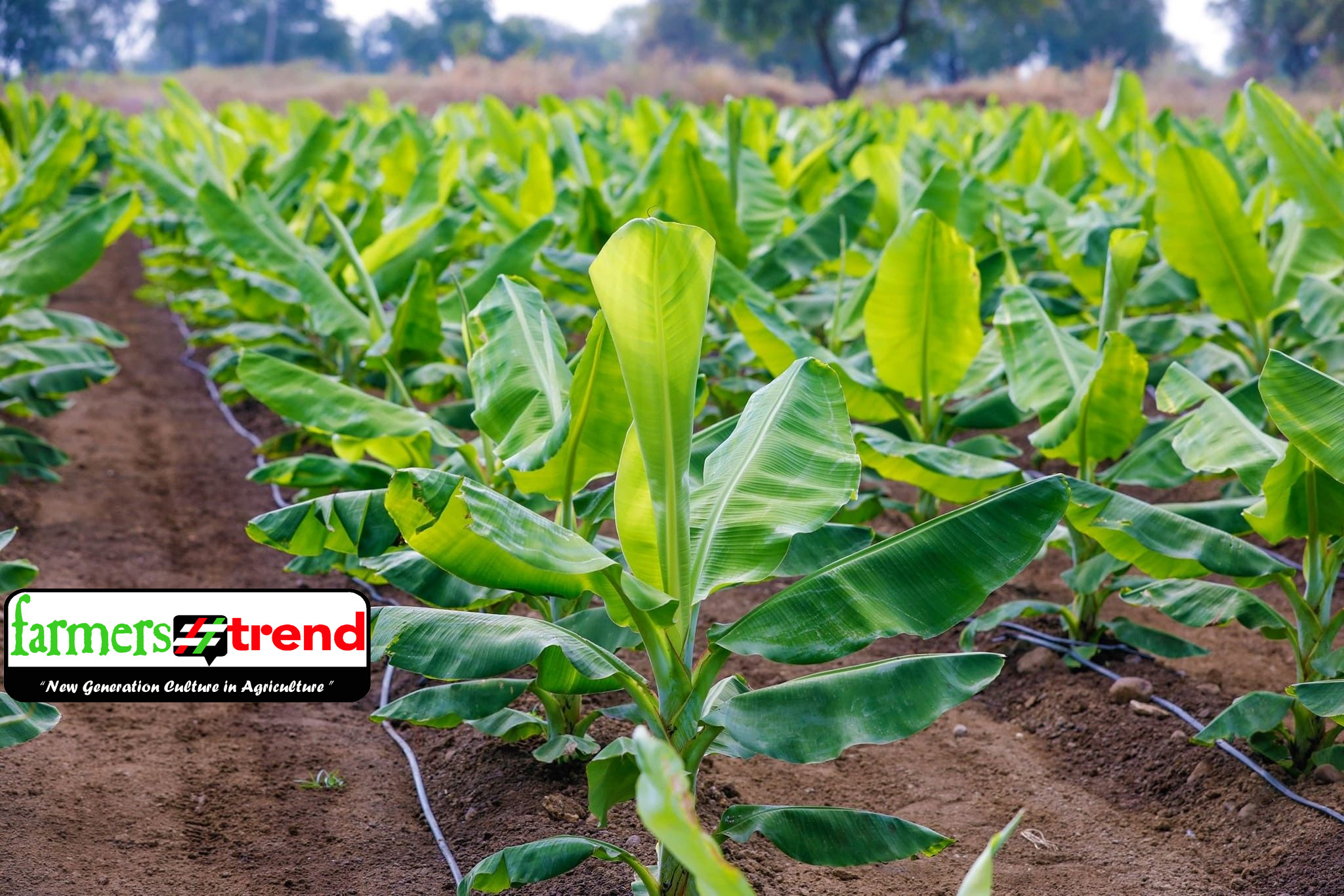
Banana farming is an exciting venture for both commercial growers and home garden enthusiasts. With the right knowledge of planting, care, and harvesting, you can successfully grow this popular and nutritious fruit. This guide will walk you through the essential aspects of banana farming, from understanding the different species of banana plants to mastering the art of growing, maintenance, and finally harvesting your banana crop. Discover the joy of cultivating your own bananas and explore the various ways to utilize and enjoy the fruits of your labor.
Key Takeaways
- Banana plants, belonging to the genera Musa and Ensete, are the world’s most consumed fruit and can be grown even in non-tropical climates with proper care.
- Proper banana farming involves selecting the right cultivars, understanding propagation methods, and creating an environment that mimics their natural habitat.
- Regular maintenance, including pruning, feeding, and watering, is crucial for the health of banana plants and to prevent diseases and pests.
- Bananas should be harvested when they’ve changed to a deep yellow or reddish-brown color and are soft to the touch, with the entire bunch often harvested at once.
- Beyond the fruit, banana plants have various uses, and the leaves, fibers, and flowers can be utilized in cooking, crafting, and as ornamental features.
Understanding Banana Plants
What Are Banana Plants?
Banana plants, belonging to the genera Musa and Ensete, are remarkable for their structure and the delicious fruit they produce. Musa acuminata and M. balbisiana are the primary species within the Musa genus, with the former being the source of the common yellow bananas that are a staple in many diets. The latter species, M. balbisiana, gives us plantains, which are starchier and often used in cooking.
Bananas are botanically classified as berries and are known for their elongated shape and soft, starchy flesh when ripe. They grow in clusters near the top of the plant, with the fruit curving upwards. Despite their tree-like appearance, banana plants are actually the world’s largest herbaceous flowering plants. The ‘trunk’ of a banana plant is a pseudostem, formed by the tightly packed leaf bases.
Bananas thrive in a variety of soil conditions, but they prefer soil that is deep, well-drained, and not compacted. They are fast growers and can go from shoot to fruit in just 12 to 18 months under optimal conditions.
Here’s a quick reference guide to the key aspects of banana plants:
- Genus: Musa and Ensete
- Common species: Musa acuminata (yellow bananas), M. balbisiana (plantains)
- Botanical classification: Berry
- Growth habit: Herbaceous flowering plant
- Pseudostem: Appears as a trunk, but made of leaf bases
- Soil preference: Deep, well-drained, non-compacted
- Growth speed: Fast, fruiting in 12-18 months
Cultivation and History
The history of banana cultivation is as rich and diverse as the fruit itself. Banana cultivation has been a cornerstone of agriculture for thousands of years, with evidence suggesting that banana domestication dates back to at least 5000 BCE in Southeast Asia. Over time, cultivation practices have evolved, adapting to local conditions and cultural preferences.
Banana cultivation increased until bananas became a staple foodstuff in many regions, and in the 19th century they began to appear in the markets of the United States. This marked a significant milestone in the globalization of the banana industry.
The spread of bananas around the world is a testament to their adaptability and the ingenuity of farmers who have developed various cultural practices to optimize growth.
Cultural practices in banana farming are diverse, including organic plant nutrition, composting, and field sanitation. Here are some key practices:
- Introduction to organic plant nutrition
- Use of organic fertilizers and stimulants
- Composting techniques
- Field sanitation to prevent disease
- Green manure and cover crop legumes
- Crop rotation for soil health
- Intercropping and push-pull strategies
- Mulching for moisture retention
- Conservation tillage systems
- Effective weed management
Species and Cultivars to Select
When embarking on banana farming, the selection of the right species and cultivars is crucial. There are many varieties of banana plants, each with unique characteristics and requirements. Most commercial varieties are hybrids or selections of the species Musa acuminata and Musa balbisiana. The Cavendish group, for instance, is widely cultivated but also known for its susceptibility to certain diseases.

Here’s a brief list of some popular banana cultivars and their notable attributes:
- AA Group: Lacatan, Lady Finger, Se\u00f1orita – Known for their sweet flavor and good dessert quality.
- AAA Group: Cavendish (including Dwarf Cavendish, Grand Nain, Masak Hijau) – Dominant in the export market, these are the bananas most commonly found in supermarkets.
- East African Highland bananas: Cultivated primarily in Africa, these are cooking bananas with a starchy texture.
- Other Varieties: Gros Michel – Once the leading export banana, Red Dacca – Known for its red peel and sweet flesh.
It’s essential to consider the climate, soil type, and disease resistance when choosing a cultivar. Local adaptation and continuous cultivation improvements often occur in fields managed by small-scale farmers, which can lead to the development of traditional local cultivars well-suited to specific regions.
The Art of Growing Bananas
Propagation
Bananas are primarily propagated vegetatively, a process that ensures the genetic identity of the crop is maintained. Instead of sexual reproduction through seeds, bananas rely on the removal and replanting of suckers, also known as pups, which are shoots that emerge from the base of the banana plant. These suckers can be carefully separated from the parent plant and replanted to produce new banana plants.
Vegetative propagation is crucial for maintaining the purity of banana cultivars, as it bypasses the genetic mix-up that occurs with seed reproduction.
Another advanced method of propagation is tissue culture, which involves growing plants from small tissue pieces in a sterile environment. This technique is particularly useful for producing large numbers of disease-free plants. The steps for sucker propagation are as follows:
- Identify a healthy sucker with its own roots.
- Gently separate the sucker from the main plant.
- Trim the sucker’s leaves to reduce water loss.
- Plant the sucker in well-prepared soil.
- Provide adequate water and care until the plant is established.
How to Grow
Growing bananas requires understanding the specific needs of banana plants and providing the right conditions for their growth. Bananas thrive in warm, tropical climates, but with the right techniques, they can also be cultivated in less ideal conditions, such as in a greenhouse or dome.

To start, select a location that receives full sunlight and has well-draining soil. Bananas are heavy feeders, so prepare the soil with plenty of organic matter and a balanced fertilizer. Plant the banana suckers or tissue-cultured plants at a spacing that allows for adequate air circulation and growth.
Consistent watering is crucial for banana plants, especially during the growing season. Ensure the soil remains moist but not waterlogged.
Regularly monitor for signs of pests or diseases, and take action promptly to prevent any serious damage to the plants. As the bananas grow, support may be needed to prevent the plants from toppling over due to the weight of the fruit.
Here’s a simple checklist for growing bananas:
- Select a sunny location with well-draining soil
- Enrich the soil with organic matter and fertilizer
- Plant banana suckers or tissue-cultured plants
- Maintain consistent moisture levels
- Monitor and manage pests and diseases
- Provide support for the plants as needed
Growing Tips
To ensure the successful cultivation of banana plants, it’s crucial to provide them with the right conditions from the start. Plant your bananas in rich, freely draining soils to promote healthy growth. Incorporating compost at the planting stage can greatly enhance soil fertility and structure, offering your plants the best start possible.
Banana plants are known for their rapid growth and require ample space to thrive. It’s recommended to allow at least eight feet between plants when situating them outdoors. This spacing is essential for their expansive nature. Additionally, bananas prefer a location that offers bright, indirect light, which is vital for their development.
Consistent watering is key to maintaining a healthy banana plant. Depending on the climate and season, watering 1-3 times a week may be necessary. However, be cautious not to overwater, as the soil should be kept moist but not soaking.
Remember, the care you give during the early stages of growth sets the foundation for a bountiful harvest. Proper spacing, light, and watering are the cornerstones of a thriving banana plant.
Maintenance and Care for Optimal Growth
Pruning and Maintenance
Proper maintenance is key to a healthy banana plantation. Pruning is essential for the vitality of banana plants. It involves the removal of dead leaves to encourage new growth and prevent nutrient theft from the main plant. This process should be done with care to avoid damaging the soft tissue of the main stem, and always with a clean, sharp pair of pruners.
Fertilization is another crucial aspect of banana plant care. These plants are heavy feeders and require monthly feeding during the growing season. A balanced fertilizer with equal parts nitrogen, phosphorus, and potassium (NPK) is recommended to support the development of leaves, flowers, and fruit.
In addition to pruning and fertilization, managing the offshoots, or ‘pups’, is necessary to prevent overcrowding and nutrient competition. These should be removed to ensure the longevity and health of the main plant. Here’s a quick checklist for routine maintenance:
- Use clean, sharp pruners for pruning
- Apply balanced fertilizer monthly during the growing season
- Remove pups to avoid overcrowding
- Water consistently, keeping soil moist but not waterlogged
Managing Pests and Disease
Banana plants are susceptible to a variety of pests and diseases that can significantly affect yield and quality. Natural pest control methods are preferred over chemical treatments, as they are safer for both the plants and consumers. Encouraging beneficial insects and practicing cultural controls, such as crop rotation and sanitation, can help manage pest populations effectively.
Common pests include nematodes, insects like the banana weevil, and diseases such as Panama disease and Black Sigatoka. A proactive approach to pest and disease management is crucial for maintaining healthy banana crops. Here is a list of common issues and natural control strategies:
- Nematodes: Implement crop rotation and use nematode-resistant cultivars.
- Insects: Encourage predators and use organic insecticides if necessary.
- Panama disease: Use disease-free planting material and avoid waterlogging.
- Black Sigatoka: Apply fungicides and ensure proper air circulation.
Maintaining a clean environment and monitoring for early signs of infestation or disease are key to preventing outbreaks. Regular inspections and immediate action when problems are detected can save a crop from severe damage.
The Harvesting Process
When and How to Harvest
Banana harvesting is a delicate process that requires timing and technique. Harvest bananas in the morning, when the fruit has turned a deep yellow or reddish-brown, depending on the variety, and feels soft to the touch. It’s best to harvest the entire bunch rather than individual bananas to ensure uniform ripeness.
Use a sharp, clean knife to cut the stem at the top of the fruit bunch. Be cautious not to harm the main stem of the plant, as this can affect future growth.
Here are the steps to follow for a successful harvest:
- Check the color of the bananas; they should no longer be green.
- Gently squeeze the fruit; it should yield slightly under pressure.
- Clean your knife with rubbing alcohol to prevent disease spread.
- Make a clean cut to remove the entire bunch.
- Handle the harvested bananas with care to avoid bruising.
Remember, tree-ripened bananas often taste better, so allow them to ripen on the plant if possible. After harvesting, there’s not much that can be done to preserve the texture of ripe bananas, so plan to consume or process them shortly after picking.
Preserving Your Banana Crop
After the harvest, preserving your banana crop ensures that you can enjoy the fruits of your labor for an extended period. Proper storage and handling are crucial to maintain the quality and flavor of bananas. Bananas should be stored at approximately 17
Preserving bananas can be done in several ways, each method suitable for different uses or preferences:
- Cool Storage: Keeping bananas in a cool environment at about 13-17
- Freezing: Peeled bananas can be frozen whole, sliced, or mashed. Frozen bananas are perfect for smoothies or baking.
- Drying/Dehydrating: Dried bananas make for a convenient and healthy snack. They can be dehydrated in an oven or a food dehydrator.
- Canning: Bananas can be canned in syrup or as a jam.
Remember to handle the fruit gently to prevent bruising and to use them before they overripen for the best taste and nutritional value. Additionally, consider the following table for optimal storage conditions:
| Method | Temperature (
|——————|——————|
| Cool Storage | 13-17
| Freezing | -18
| Drying | Room temperature |
When preserving your banana crop, it’s not just about prolonging shelf life; it’s about capturing the essence of the fruit at its peak. By choosing the right preservation method, you can enjoy bananas in various forms long after the harvest season has passed.
Beyond the Fruit: Utilization and Recipes
Recipes and Cooking Ideas
Bananas are not only a delicious and nutritious fruit but also a versatile ingredient in the kitchen. Banana-based recipes can range from sweet desserts to savory dishes, offering a plethora of options for any meal of the day. One such delightful treat is the Fried Bananas recipe, which is not only easy to make but also healthy, as it contains no added sugar. These fried bananas are sweet, gooey, and buttery, and they pair exceptionally well with creamy Greek yogurt.
Bananas can be transformed into a variety of culinary creations, from smoothies and baked goods to exotic savory meals.
Here’s a quick look at some popular banana recipes:
- Banana Bread
- Banana Pancakes
- Banana Smoothie
- Banana Ice Cream
- Banana Curry
Each recipe offers a unique way to enjoy bananas, whether you’re looking for a quick snack or a complex dish to impress your guests. The versatility of bananas extends beyond the fruit itself, as even the peels have found their way into culinary practices in many cultures.
Other Uses of Banana Plants
While bananas are widely known for their sweet fruit, the plant itself has numerous other applications. Banana leaves serve as versatile materials; they can be used as natural serving plates, for wrapping food during cooking to add flavor, or even as makeshift umbrellas in a pinch. The fibrous inner trunk of the banana plant, often discarded during harvest, can be processed into a high-quality textile or paper, known as banana paper.
Banana peels, commonly thrown away, have surprising utility. They can be used in beauty routines, to polish silver, and even have potential in water purification systems to extract heavy metals. In agriculture, waste bananas and peels are valuable as livestock feed, providing a sustainable way to reduce waste.
Beyond their culinary uses, banana plants offer a wealth of possibilities, from eco-friendly materials to innovative applications in waste management and beauty care.
Here’s a quick list of some inventive uses for different parts of the banana plant:
- Banana leaves: serving plates, cooking wraps, umbrellas
- Banana peels: beauty treatments, silver polish, water purification
- Banana trunk: textile and paper production
- Waste bananas: livestock feed
Conclusion
Banana farming is a rewarding endeavor that offers a unique blend of horticultural challenges and sweet, tangible rewards. From understanding the nature of banana plants to mastering the art of propagation, care, and harvesting, we’ve explored the essential aspects of growing this beloved fruit. Whether you’re cultivating the hardy Musa Basjoo or the striking Ensete ventricosum, the key to success lies in emulating their natural habitat—providing warmth, humidity, and ample light. Remember to plant in nutrient-rich soil, water consistently, and protect your plants from pests and diseases. With patience and care, you’ll be able to enjoy the fruits of your labor—literally. As you embark on your banana farming journey, keep in mind the growing tips, maintenance practices, and overwintering strategies we’ve discussed, and you’ll be well on your way to a bountiful harvest.
Frequently Asked Questions
What are banana plants?
Banana plants belong to one of two genera, Musa and Ensete, and are known for producing the sweet, starchy fruits commonly consumed worldwide. They are large, leafy plants that thrive in warm, humid environments with plenty of light.
How do you propagate banana plants?
Banana plants can be propagated in three basic ways: from seed, by division, or by using suckers. The specific method may vary based on the cultivar or species, so it’s important to research the requirements of the particular plant you are working with.
What are some tips for growing healthy banana plants?
To grow healthy banana plants, plant them in rich, freely draining soil with added compost, provide ample space and bright, indirect light, and water consistently. Emulating their natural habitat is key to their growth.
How can I care for banana plants during the winter?
Caring for banana plants in winter involves protecting them from cold temperatures. Depending on the species, some may be overwintered indoors or with proper mulching and shelter. Cold-hardy varieties like Musa Basjoo require specific winter care.
When is the best time to harvest bananas?
Bananas are best harvested when they’ve changed color to a deep yellow or reddish-brown, depending on the type, and are soft to the touch. It’s usually best to harvest the entire bunch at once.
Can you give me some ideas for using bananas besides eating them as fruit?
Beyond eating them fresh, bananas can be used in a variety of recipes such as baked goods and smoothies. The plants themselves have other uses, such as using the fibers for textiles and the leaves for wrapping or serving food.
https://farmerstrend.co.ke/trending/banana-farming-a-complete-planting-care-and-harvesting-guide/https://farmerstrend.co.ke/wp-content/uploads/2024/06/banana-8-1024x683.jpghttps://farmerstrend.co.ke/wp-content/uploads/2024/06/banana-8-150x150.jpg# TrendingBanana Farmingbanana,banana farming,Dwarf Cavendish,Grand Nain,Lacatan,Lady Finger,Masak Hijau,Red Dacca,Se\u00f1oritaBanana farming is an exciting venture for both commercial growers and home garden enthusiasts. With the right knowledge of planting, care, and harvesting, you can successfully grow this popular and nutritious fruit. This guide will walk you through the essential aspects of banana farming, from understanding the different species...FarmersTrendjohn doefarmerstrend@gmail.comAdministratorFarmers Trend Ltd.


Leave a Reply