Capsicum Farming in Kenya: The 2026 Profit Guide (KSh 1.5M+ Per Acre)
Capsicum farming in Kenya is a high-value venture that attracts both small-scale and commercial farmers. Known locally as hoho or pilipili hoho in Swahili, capsicums (bell peppers) are in constant demand in urban markets, hotels, and export channels. This guide by Farmers Trend Ltd, provides clear answers to the most pressing questions about capsicum farming in Kenya. We will break down the exact costs, calculate realistic profits per acre, and provide a practical step-by-step guide from planting to harvest. If you are looking for a vegetable crop with strong market demand and good financial returns, capsicum farming in Kenya deserves your serious consideration.
Profitability Analysis: Is Capsicum Farming Profitable?
This is the most important question. How profitable is capsicum farming in Kenya? The numbers show strong potential for those who manage the crop well.
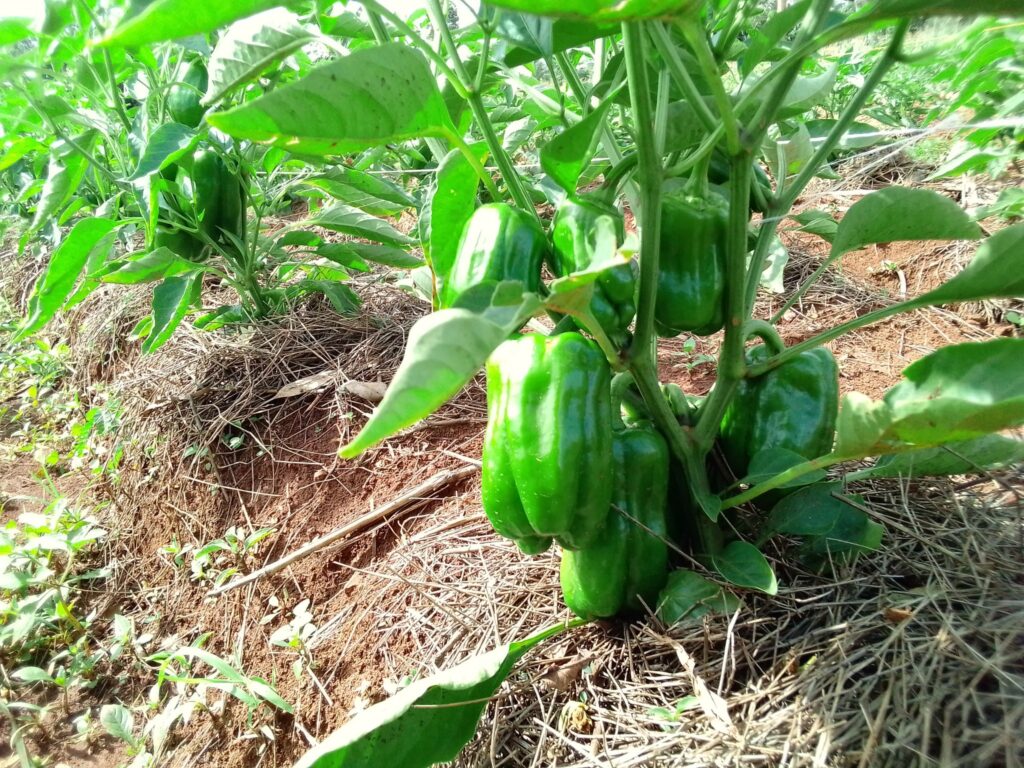
First, we must understand yield. On one acre of land, with proper management and spacing, you can grow between 12,000 and 15,000 capsicum plants. A healthy plant can produce 1 to 2 kilograms of fruits over its productive life. This means a well-managed acre can yield between 12,000 and 30,000 kilograms of fresh capsicums per year, especially with multiple harvests.
Now, let’s look at prices. The market price for capsicum in Kenya varies by color, season, and quality. Currently, 1 kg of capsicum sells for between KSh 80 and KSh 150 at the farm gate. Premium colors like red and yellow, and produce destined for supermarkets, can fetch KSh 200 or more per kg.
Let’s calculate capsicum farming profit per acre using average figures:
- Yield: 20,000 kg per acre
- Price: KSh 100 per kg
- Gross Revenue: 20,000 x 100 = KSh 2,000,000 per acre
Next, we subtract the cost of capsicum farming in Kenya. Major expenses include seeds, seedlings, greenhouse materials (if used), fertilizer, pesticides, irrigation, labor, and harvesting. Total production costs for one acre typically range from KSh 500,000 to KSh 800,000 for a full season.
Therefore, net profit from one acre of capsicum can range from KSh 1,200,000 to KSh 1,500,000. This strong return places capsicum among the most profitable vegetable crops. When farmers ask which crop has the highest profit per acre in Kenya or what is the highest profit crop per acre, capsicum consistently ranks at the top for intensive vegetable farming.
Growth Timeline and Plant Lifespan
Understanding the crop’s timeline is essential for planning. How long does capsicum take to grow from seed?
From seed sowing to first harvest, capsicums typically take 90 to 120 days (3 to 4 months). The process breaks down as follows:
- Germination: 7-14 days in a nursery
- Seedling stage: 4-6 weeks before transplanting
- Transplant to first flowering: 3-4 weeks
- Flowering to first harvest: 4-6 weeks
Once harvesting begins, a well-maintained capsicum plant can continue producing for several months. This leads to the question: How many times can you harvest pepper in a year? With good management, you can harvest capsicums every 7-10 days during the peak season. A single plant can be harvested 15 to 25 times over its productive life.
How many years do capsicum plants last? In Kenya, capsicum is typically grown as an annual crop. After 6-9 months of production, yields decline, and most farmers uproot the plants and start a new cycle. However, in perfect conditions with excellent care, a capsicum plant can survive and produce for up to two years, though second-year yields are usually lower.
Ecological Requirements for Success
Successful capsicum farming in Kenya depends on providing the right growing conditions.
Climate Requirements: Capsicums thrive in warm conditions with moderate humidity. The ideal temperature range is 18°C to 30°C. They are sensitive to frost and perform poorly in extremely hot, dry conditions. In Kenya, they grow well in mid-altitude regions (1,000 to 2,000 meters above sea level) like Naivasha, Nakuru, Kiambu, and parts of the Rift Valley.
Soil Requirements: Capsicums need well-drained, fertile soil rich in organic matter. The ideal soil pH is between 6.0 and 6.8. Heavy clay soils should be amended with compost or well-rotted manure to improve drainage and texture.
Water Requirements: Do capsicums need a lot of water? They need consistent moisture but not waterlogged conditions. Irregular watering can cause blossom end rot or fruit cracking. Drip irrigation is the best system for capsicum farming in Kenya as it provides steady moisture directly to the roots and keeps foliage dry, reducing disease risk. Plants typically need 2-3 cm of water per week, more during hot, dry periods.
Sunlight Requirements: Capsicums need full sun—at least 6-8 hours of direct sunlight daily—for optimal growth and fruit production.
Complete Step-by-Step Growing Guide
This capsicum farming guide provides practical steps from seed to harvest.
1. Seed Selection and Sourcing
Start with quality seeds of suitable varieties. Popular varieties in Kenya include California Wonder, Yolo Wonder, and hybrid varieties from companies like Seminis, Syngenta, and Bayer. For yellow capsicum farming in Kenya, specific yellow varieties like Goldstar or Orobelle are excellent choices.
Capsicum seeds price in Kenya varies by variety and source. Hybrid seeds cost between KSh 5,000 and KSh 15,000 per 100-gram packet, which contains approximately 400-500 seeds. Open-pollinated varieties are less expensive but may offer lower yields or less uniformity.
2. Nursery Establishment
Start seeds in a protected nursery. Use seedling trays filled with a sterile seedling mix. Plant seeds 0.5-1 cm deep. Maintain consistent moisture and temperatures of 25-28°C for optimal germination. Seedlings are ready for transplanting in 4-6 weeks when they have 4-6 true leaves.
3. Land Preparation and Transplanting
Prepare land by deep ploughing and incorporating 10-15 tons of well-rotted manure per acre. Form raised beds 1 meter wide to improve drainage.
Which month is best for capsicum? For open field farming, transplant at the beginning of the rainy seasons—March-April for long rains or September-October for short rains. With irrigation, capsicum can be grown year-round.
Transplant seedlings in the evening or on a cloudy day to reduce transplant shock. Space plants 40-50 cm apart within rows, with 60-90 cm between rows. This spacing gives you approximately 12,000-15,000 plants per acre.
4. Fertilization Program
Capsicums are heavy feeders. Apply a balanced fertilizer at planting. Side-dress with nitrogen-rich fertilizer 3-4 weeks after transplanting, and again when plants begin flowering. A fertilizer higher in potassium during fruiting supports better fruit development and quality.
5. Water Management
Install drip irrigation for efficient water use. Water early in the day to allow foliage to dry before evening, reducing fungal disease risk. Mulching with straw or black plastic helps conserve moisture and suppress weeds.
6. Pest and Disease Management
Common pests include aphids, thrips, whiteflies, and fruit borers. Implement integrated pest management with regular monitoring, biological controls, and targeted pesticide use when necessary.
Common diseases include bacterial spot, powdery mildew, and damping off. Use disease-resistant varieties, practice crop rotation, ensure good air circulation, and apply fungicides preventively during humid conditions.
7. Harvesting
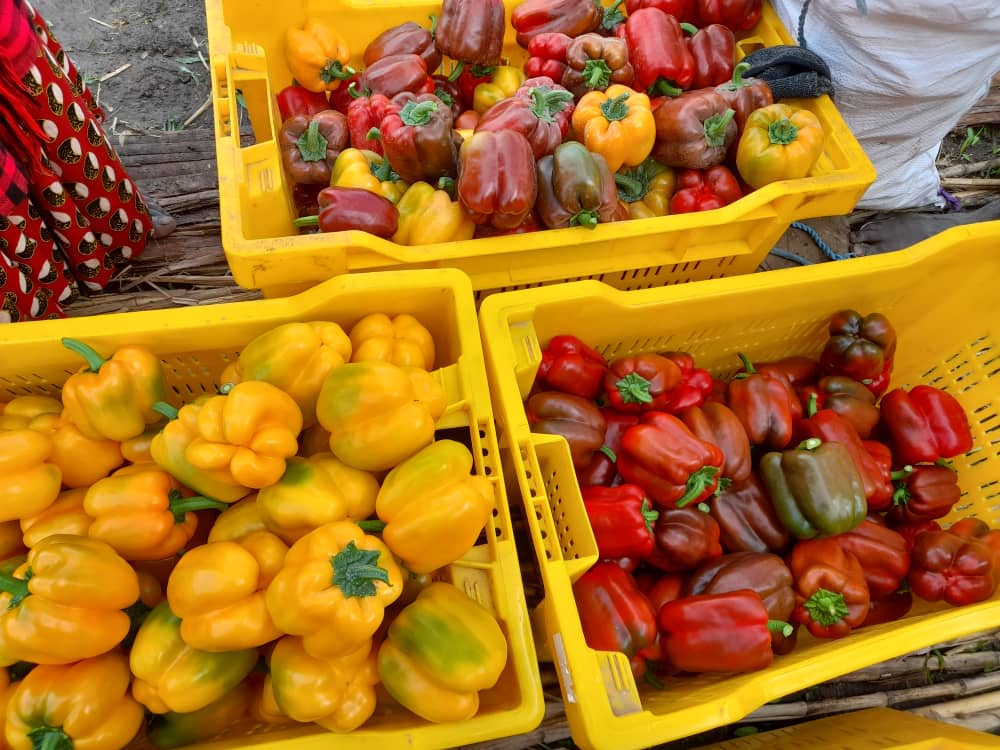
Harvest capsicums when they reach full size and their characteristic color (green, red, yellow, or orange depending on variety). Use a sharp knife or scissors to cut the fruit with a short piece of stem attached. Handle fruits gently to avoid bruising.
Harvest regularly to encourage continued fruit production. How many capsicums are in 1kg? This varies by fruit size, but typically 6-10 medium-sized capsicums make 1 kilogram.
Market Analysis and Selling Strategies
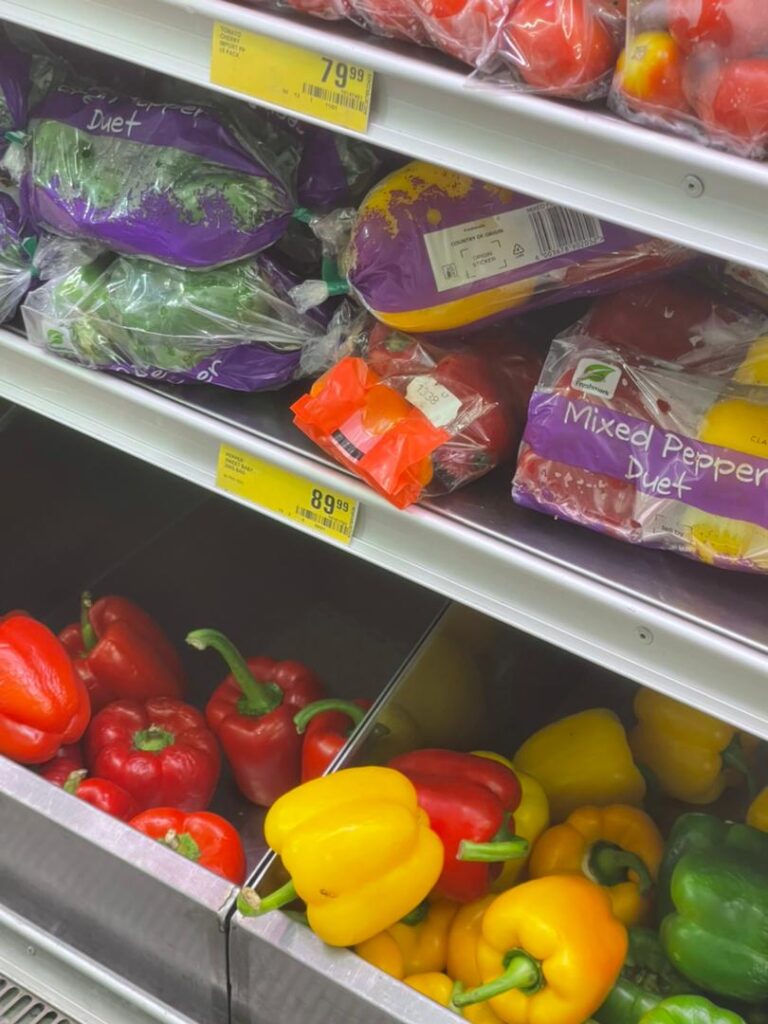
Understanding the market is crucial for profitability. How much is capsicum per kg in Kenya? Prices fluctuate but generally range from KSh 80-150 at farm gate, KSh 150-250 in urban markets, and KSh 200-300+ in supermarkets for premium quality.
The most expensive vegetable in Kenya varies by season, but colored capsicums (red, yellow, orange) often command premium prices due to their visual appeal and slightly sweeter taste.
Marketing channels include:
- Local markets and roadside stands
- Urban wholesale markets like Nairobi’s Gikomba and Marikiti
- Supermarkets and grocery chains
- Hotels, restaurants, and catering services
- Export markets through licensed exporters
Building relationships with consistent buyers before harvest ensures you can sell your produce at good prices. Some successful capsicum farmers in Kenya have built brands around their produce, supplying specific supermarkets or exporters consistently.
Comparison: Greenhouse vs. Open Field Farming
Farmers often debate between capsicum farming in open field in Kenya versus greenhouse production.
Open Field Advantages:
- Lower initial investment
- No structure costs
- Can cover larger areas
Open Field Challenges:
- Vulnerable to weather extremes
- Higher pest and disease pressure
- Seasonal limitations
- Generally lower yields
Greenhouse Advantages:
- Year-round production
- Protected from weather extremes
- Better pest and disease control
- Higher yields (up to 2-3 times open field)
- Better quality produce
Greenhouse Challenges:
- High initial investment
- Requires technical knowledge
- Higher management intensity
For beginners, starting with open field farming to gain experience before investing in greenhouse technology is often advisable.
Maximizing Yield and Profit
To answer how to make capsicum grow faster and increase yields:
- Use quality hybrid seeds from reputable suppliers
- Maintain optimal soil pH and fertility
- Implement drip irrigation for consistent moisture
- Practice proper pruning to encourage airflow and fruit production
- Control pests and diseases proactively
- Harvest at the right stage for continued production
- Implement crop rotation to prevent soil-borne diseases
Challenges and Solutions
Capsicum farming in Kenya faces several challenges:
Price fluctuations: Markets can be volatile. Solution: Time planting to harvest during high-price periods and develop relationships with multiple buyers.
Pest and disease pressure: High in some regions. Solution: Implement integrated pest management and use resistant varieties.
High input costs: Quality seeds, fertilizers, and pesticides are expensive. Solution: Calculate input costs carefully and focus on efficiency.
Perishability: Capsicums have limited shelf life. Solution: Harvest at proper maturity, handle gently, and market quickly or consider temporary cool storage.
Labor intensity: Requires regular attention for pruning, harvesting, and pest control. Solution: Plan labor needs in advance and consider labor-saving technologies like drip irrigation.
Getting Started and Resources
For those beginning capsicum farming in Kenya, start with a small area (1/4 or 1/2 acre) to learn before scaling up. Keep detailed records of all inputs, practices, and yields to identify what works best in your specific conditions.
Access reliable information through resources like the capsicum farming in Kenya PDF from the Kenya Agricultural and Livestock Research Organization (KALRO) or the capsicum farming pdf guides from agricultural extension services. These materials provide technical details on variety selection, pest management, and optimal growing practices.
Connect with other capsicum farmers through agricultural shows, farmer field days, or online forums to share knowledge and experiences. Learning from those already successful in the business can help avoid common mistakes and accelerate your learning curve.
With proper planning, good management, and attention to market demands, capsicum farming in Kenya can be a highly profitable venture that provides consistent income and contributes to Kenya’s vegetable production sector. The combination of strong market demand, good prices, and manageable growing requirements makes it an excellent choice for farmers looking to maximize returns from their land.
https://farmerstrend.co.ke/trending/capsicum-farming-in-kenya-2026-guide/https://farmerstrend.co.ke/wp-content/uploads/2026/01/ErHd3BCXMAIN2HX.jpghttps://farmerstrend.co.ke/wp-content/uploads/2026/01/ErHd3BCXMAIN2HX-150x150.jpg# TrendingCapsicum FarmingCapsicum farming in Kenya is a high-value venture that attracts both small-scale and commercial farmers. Known locally as hoho or pilipili hoho in Swahili, capsicums (bell peppers) are in constant demand in urban markets, hotels, and export channels. This guide by Farmers Trend Ltd, provides clear answers to the most pressing questions about...FarmersTrendjohn doefarmerstrend@gmail.comAdministratorFarmers Trend Ltd.













Leave a Reply