Dolichos Farming in Kenya 2026 – The Complete Guide to Growing Black Njahi for Profit
Table of Contents
ToggleDolichos farming in Kenya: A 2026 Technical Guide to Commercial Njahi Production
Dolichos farming in Kenya is a profitable agribusiness for commercial farmers who want a reliable dryland crop that produces high-value grain for local and export markets. The legume, commonly known as njahi, grows well in different ecological zones across the country, which makes it a good option for farmers in regions where maize and beans often fail because of erratic rainfall. Successful dolichos farming in Kenya requires knowledge of specific agronomic practices, from site selection and seed sourcing to pest management and post-harvest handling.
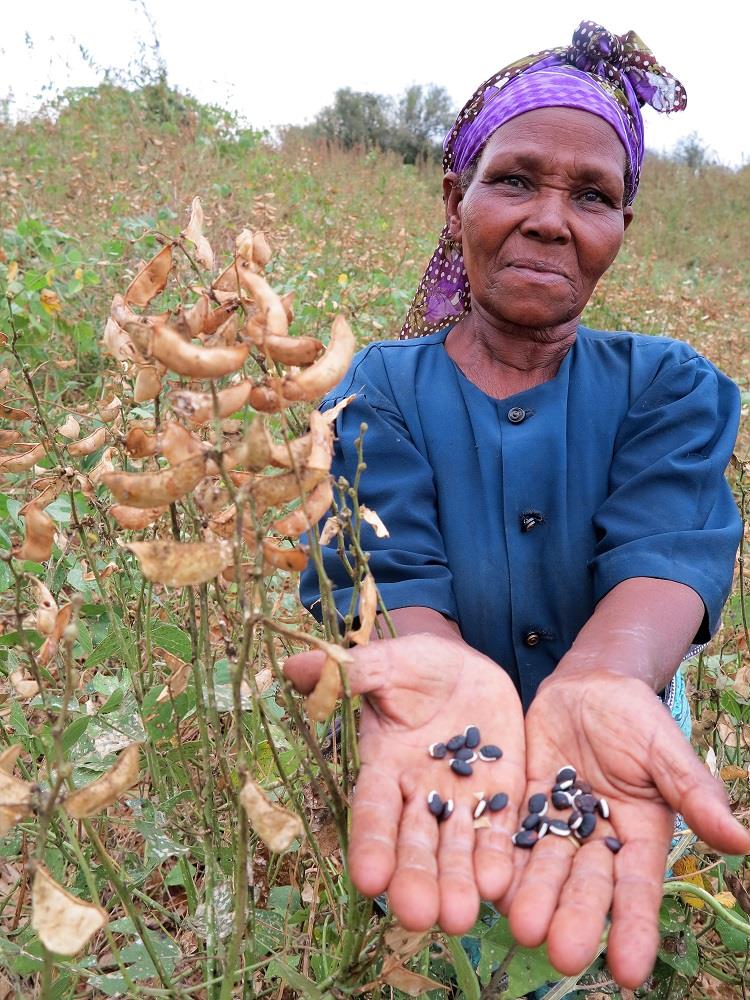
The demand for traditional beans in Nairobi, Mombasa, Kisumu, and other urban centers has created a steady market for dolichos, with prices ranging from 150 to 250 shillings per kilogram in markets like Muthurwa and Fig Tree. Unlike maize, which has unpredictable prices and suffers from post-harvest losses, dolichos has a longer shelf life and farmers can store it for 12 to 18 months using hermetic storage bags. Farmers who switched from maize to dolichos report higher profits because the crop needs fewer inputs and survives dry conditions that would kill other beans.
Commercial farmers in Laikipia, Meru, and Nakuru have established large dolichos farms, with some growers planting hundreds of acres of the crop. These farmers use tractors and mechanical harvesters, which lower labor costs and improve efficiency. The success of these large farms has attracted attention from investors and development groups, who see dolichos as a climate-smart alternative to maize in dry areas.
The nutritional value of dolichos has also helped the crop gain popularity among health-conscious buyers. The beans contain high levels of protein, fiber, iron, and folate, which makes them useful for fighting malnutrition in children and pregnant women. Food processors now use dolichos flour in porridge mixes, bread, and other products, creating new markets for farmers. This variety of buyers helps keep prices stable and protects farmers from losses when supply is high.
This technical guide from Farmers Trend Ltd. provides complete information for commercial investors and farmers who want to start profitable dolichos farming in Kenya. The guide covers ecological requirements, variety selection, planting methods, crop protection, harvesting techniques, and market analysis. All recommendations come from field research at agricultural stations and successful commercial farms across the country.

Ecological Site Suitability for Dolichos Farming in Kenya
The adaptability of dolichos to different agro-ecological zones makes dolichos farming in Kenya possible across a wide range of altitudes. The crop performs well from sea level up to 2,000 meters above sea level, with optimal production occurring between 1,200 and 1,800 meters. Farmers in coastal areas like Kilifi and Kwale can successfully grow dolichos, as can those in the highlands of Kiambu, Murang’a, and Nyeri.
Climate requirements for dolichos farming in Kenya include annual rainfall between 400 and 900 millimeters, which places the crop well within the range of many semi-arid and sub-humid zones. The crop is drought-tolerant once established, making it suitable for areas where rainfall is unreliable or poorly distributed. Temperature ranges between 18 and 30 degrees Celsius support optimal growth, with the crop tolerating higher temperatures during vegetative stages but requiring moderate conditions during flowering and pod filling.
Soil specifications are critical for successful dolichos farming in Kenya. The crop prefers well-drained sandy loam soils with a pH between 5.0 and 7.0. Heavy clay soils should be avoided because they retain excess moisture, which can lead to root rot and reduced yields. Farmers should conduct soil tests before planting to determine pH levels and nutrient status. Soils with pH below 5.0 require lime application several months before planting to raise acidity levels into the optimal range.
Drainage is a non-negotiable factor in dolichos farming in Kenya. The crop cannot tolerate waterlogged conditions, which cause root suffocation and promote fungal diseases. Farmers with heavy clay soils should consider planting on raised beds or ridges to improve water runoff. In low-lying areas prone to flooding, dolichos should be planted during seasons when heavy rainfall is less likely.
| Ecological Factor | Optimal Range | Marginal Range | Unsuitable |
|---|---|---|---|
| Altitude (meters) | 1,200-1,800 | 0-1,200, 1,800-2,000 | Above 2,000 |
| Rainfall (mm/year) | 400-900 | 300-400, 900-1,000 | Below 300 or above 1,000 |
| Temperature (°C) | 18-30 | 15-18, 30-35 | Below 15 or above 35 |
| Soil pH | 5.5-6.5 | 5.0-5.5, 6.5-7.0 | Below 5.0 or above 7.0 |
Varietal Selection and Seed Sourcing
The choice of variety significantly influences yield potential and marketability in dolichos farming in Kenya. Three main varieties dominate commercial production: DL1002 (commonly known as Black Njahi), Cream Njahi, and Brown Njahi. Each variety has distinct characteristics that affect its suitability for different markets and growing conditions.
- DL1002, the Black Njahi variety, is the most popular among Kenyan consumers because of its traditional flavor, dark color, and cultural significance at ceremonies and special events. This variety produces medium-sized black grains that fetch premium prices in local markets, particularly during wedding and harvest seasons. The plants are moderately vigorous, reaching heights of 60 to 90 centimeters, and produce pods within 90 to 110 days under good management.
- The Cream Njahi variety is preferred by commercial processors who mill the beans into flour for porridge, baked goods, and other value-added products. The cream-colored grains have a softer texture and cook faster than black njahi, making them popular with urban consumers who value convenience. Cream Njahi also tends to have slightly higher yields than the black variety, producing 10 to 12 bags per acre compared to 8 to 10 bags for DL1002.
- Brown Njahi is less common but has good yield potential and is well-adapted to a range of growing conditions. This variety is often used for home consumption or sold in local markets where consumers are less particular about grain color. Brown Njahi matures in 90 to 110 days and produces 8 to 10 bags per acre under good management.
| Variety | Grain Color | Maturity (days) | Yield (bags/acre) | Market Preference |
|---|---|---|---|---|
| DL1002 (Black Njahi) | Black | 90-110 | 8-10 | High (ceremonies) |
| Cream Njahi | Cream | 90-110 | 10-12 | High (processing) |
| Brown Njahi | Brown | 90-110 | 8-10 | Medium (local) |
Seed sourcing is a critical decision in dolichos farming in Kenya because the quality of planting material directly affects germination rates, disease resistance, and final yields. Certified seeds should be obtained from reputable institutions such as the Kenya Seed Company (through Simlaw Seeds), KALRO research stations, or licensed private nurseries. Certified seeds are treated with fungicides to prevent seed-borne diseases and have documented germination rates above 85 percent.
Farmers should avoid using grain from the local market as seed because market grain may carry diseases, may be a mixture of different varieties, and may have reduced germination due to poor storage conditions. The higher cost of certified seeds is offset by improved stand establishment, more uniform growth, and higher yields at harvest.
The Planting Protocol for Dolichos Farming in Kenya
Land preparation is the foundation of successful dolichos farming in Kenya because the crop requires a fine seedbed for optimal germination and early growth. Farmers should plough to a depth of 15 to 20 centimeters, followed by harrowing to break clods and remove weeds. A fine, firm seedbed ensures good seed-to-soil contact, which is essential for uniform emergence.
In arid and semi-arid areas, minimum tillage techniques can be used to conserve soil moisture and reduce labor costs. Minimum tillage involves disturbing only the planting rows while leaving the inter-row areas undisturbed. This method preserves soil structure, reduces erosion, and maintains organic matter levels. Farmers using minimum tillage should use a direct seeder or planter that opens a narrow furrow, places the seed, and covers it in a single pass.
Sowing depth for dolichos farming in Kenya should be between 2 and 5 centimeters, with shallower planting recommended for heavier clay soils and deeper planting for sandy soils. Seeds planted too deep may fail to emerge because they lack sufficient energy to reach the surface. Seeds planted too shallow may dry out before germination or be eaten by birds.
Spacing requirements depend on the production system. For pure stand production, the recommended spacing is 45 centimeters between rows and 15 centimeters between plants within the row. This configuration gives approximately 74,000 plants per acre, which is the optimal population for maximizing yield without excessive competition. For intercropping with cereals like maize or sorghum, wider row spacing of 60 centimeters with 15 centimeters between plants is recommended to allow light penetration and reduce competition between crops.
The seed rate for pure stand dolichos farming in Kenya is 10 to 15 kilograms per acre, with the higher rate recommended for broadcast planting and the lower rate for row planting. Farmers using certified seeds with high germination rates can use the lower end of the range, while those using farm-saved seeds should use higher rates to compensate for lower germination.

Nutrition and Crop Protection
Fertilization requirements for dolichos farming in Kenya are relatively low compared to cereal crops because the legume forms a symbiotic relationship with rhizobia bacteria that fix atmospheric nitrogen into plant-available forms. This nitrogen fixation occurs in root nodules, where the bacteria convert nitrogen gas into ammonia that the plant uses for growth.
Despite the nitrogen-fixing capability, phosphorus is essential for root development and nodule formation. Farmers should apply phosphorus-based fertilizers such as DAP (diammonium phosphate) or TSP (triple super phosphate) at planting time, using 50 kilograms per acre. The fertilizer should be placed in the planting furrow or hole, covered with a thin layer of soil to prevent direct contact with the seed, which can cause germination damage.
Potassium and other micronutrients are generally adequate in most Kenyan soils, but farmers in areas with known deficiencies should conduct soil tests and apply appropriate amendments. Soils with low organic matter benefit from the application of well-decomposed manure at 5 to 10 tons per acre during land preparation.
Pest management in dolichos farming in Kenya requires regular field monitoring and timely intervention. The bean fly (Ophiomyia phaseoli) is the most destructive pest, causing seedlings to wilt and die when larvae tunnel into stems. Farmers should apply systemic insecticides such as imidacloprid or acetamiprid at planting and again 14 days after emergence. Alternatively, seed treatment with thiamethoxam provides protection during the critical early growth stage.
Aphids (Aphis fabae) and thrips (Megalurothrips sjostedti) are additional pests that can reduce yields by sucking plant sap and transmitting viral diseases. Aphids can be controlled using neem oil or insecticidal soap, while thrips require targeted sprays with spinosad or cyantraniliprole. Farmers should rotate active ingredients to prevent resistance development.
Disease management focuses on powdery mildew (Erysiphe polygoni) and leaf rust (Uromyces appendiculatus), both of which thrive in humid conditions with poor air circulation. Powdery mildew appears as white powdery spots on leaves, while leaf rust produces reddish-brown pustules. Fungicides containing sulfur or triazoles provide effective control when applied at the first sign of infection. Crop rotation and resistant varieties also help reduce disease pressure.
| Pest/Disease | Causal Agent | Control Product | Application Timing |
|---|---|---|---|
| Bean fly | Ophiomyia phaseoli | Imidacloprid, Acetamiprid | At planting, 14 days after |
| Aphids | Aphis fabae | Neem oil, Insecticidal soap | When colonies appear |
| Thrips | Megalurothrips sjostedti | Spinosad, Cyantraniliprole | At flowering |
| Powdery mildew | Erysiphe polygoni | Sulfur, Triazole fungicides | At first sign of infection |
| Leaf rust | Uromyces appendiculatus | Triazole fungicides | At first sign of infection |
Harvesting and Management of Value
Physiological maturity indicators in dolichos farming in Kenya include yellowing and drying of leaves, browning of pods, and hardening of grains. The crop is ready for harvest when 90 percent of the pods have turned brown and dry, which occurs 90 to 110 days after planting depending on the variety and growing conditions. Delaying harvest increases the risk of pod shattering and grain loss, while harvesting too early results in high moisture content and reduced grain quality.
Harvesting involves cutting the plants at ground level using a sickle, panga, or mechanical harvester for large-scale operations. The cut plants should be left in the field for 3 to 5 days to allow further drying, then threshed to separate the grain from the pods. Small-scale farmers can thresh by beating the pods with sticks on a clean surface, while commercial operations use stationary threshers or combine harvesters.
Threshed grain must be winnowed to remove chaff, dust, and broken seeds, then spread on tarpaulins or a clean concrete floor for final drying. The target moisture content for storage is 13 percent, which prevents mold growth and insect infestation. Farmers should use a moisture meter to verify drying progress, as grain that is too wet will develop aflatoxin while grain that is too dry will weigh less and may crack during handling.
Post-harvest storage using hermetic technology is recommended for dolichos farming in Kenya because it protects grain from weevils and other storage pests without the use of chemicals. PICS bags (triple-layer hermetic bags) seal out oxygen, creating an environment where insects cannot survive. Grain stored in PICS bags remains viable for 12 to 18 months and retains its market quality.
| Harvest Parameter | Target Value | Consequence of Deviation |
|---|---|---|
| Pod dryness | 90% brown pods | Early harvest = high moisture |
| Grain moisture | 13% | >13% = mold, <13% = weight loss |
| Storage method | Hermetic (PICS bags) | Open storage = weevil damage |
| Storage duration | 12-18 months | Longer = quality decline |
2026 Market Audit and Financial ROI
The market for dolichos in Kenya has two primary channels: farm-gate sales to local traders and direct supply to urban wholesale markets. Farm-gate prices in producing areas such as Laikipia, Meru, and Nakuru range from 120 to 180 shillings per kilogram, depending on quality and season. Farmers who transport their grain to wholesale markets in Nairobi (Muthurwa, Fig Tree), Nakuru, or Meru can achieve prices of 150 to 250 shillings per kilogram.
Price variations follow a seasonal pattern, with lowest prices occurring during the main harvest period (February to April and August to October) and highest prices during lean periods when supplies are limited. Farmers with storage facilities can capture premium prices by holding grain for 2 to 3 months after harvest.
The cost structure for commercial dolichos farming in Kenya includes land preparation (8,000 to 12,000 shillings per acre), certified seeds at 600 shillings per kilogram (6,000 to 9,000 shillings per acre), DAP fertilizer at 130 shillings per kilogram (6,500 shillings per acre), and labor for planting, weeding, and harvesting (10,000 to 15,000 shillings per acre). Total production costs range from 40,000 to 55,000 shillings per acre per season.
| Cost Item | Quantity | Unit Price | Total (KSh) |
|---|---|---|---|
| Certified seeds | 12 kg | 600 | 7,200 |
| Land preparation | 1 acre | 10,000 | 10,000 |
| Manure | 5 tons | 3,000/ton | 15,000 |
| DAP fertilizer | 50 kg | 130/kg | 6,500 |
| Labor (planting, weeding) | 15 days | 500/day | 7,500 |
| Pest control materials | 1 acre | 5,000 | 5,000 |
| Harvest and threshing | 1 acre | 5,000 | 5,000 |
| Total | 56,200 |
Revenue projections for a 120-day cycle are based on a yield of 8 to 12 bags (90 kilograms each) per acre. At a conservative farm-gate price of 150 shillings per kilogram, revenue ranges from 108,000 to 162,000 shillings per acre. Farmers who achieve top yields and sell at peak market prices (220 shillings per kilogram) can generate 190,000 to 285,000 shillings per acre. Net profit per acre ranges from 50,000 to 230,000 shillings per season.
| Yield Level | Bags (90kg) | Total kg | Price/kg | Revenue | Net Profit |
|---|---|---|---|---|---|
| Low | 6 | 540 | 150 | 81,000 | 24,800 |
| Average | 8 | 720 | 180 | 129,600 | 73,400 |
| Good | 10 | 900 | 200 | 180,000 | 123,800 |
| Excellent | 12 | 1,080 | 220 | 237,600 | 181,400 |
Strategic Resources for Commercial Growers
Farmers seeking to establish or expand their operations can access technical support through several channels. The Kenya Agricultural and Livestock Research Organization (KALRO) provides soil testing services, variety recommendations, and agronomic advice tailored to specific regions. County agricultural extension officers offer field-level support and can connect farmers with certified seed suppliers.
For commercial-scale operations requiring site-specific technical guidance, Farmers Trend (0790509684) provides professional farm audits, production planning, and agronomic consulting. These services include soil analysis interpretation, irrigation system design, and pest management scheduling.








Leave a Reply