Ginger Farming in Kenya: The 2026 Profitable Guide to Earning KSh 2.6 Million Per Acre
Ginger Farming in Kenya: 2026 Guide to Profits, Planting, and Costs
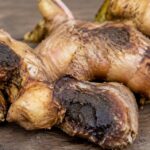
Ginger farming in Kenya stands alongside dragon fruit and onions as one of the most profitable ventures per acre. Farmers who choose ginger over traditional crops earn returns that transform their livelihoods. The numbers prove it. A single acre of well-managed ginger generates 1.5 to 2 million shillings in gross revenue within 8 to 10 months.
The demand for Kenyan ginger continues rising. Local consumers use it fresh for cooking and tea. Processors need it for juices, supplements, and cosmetics. Export markets in Europe and the Middle East seek high-quality Kenyan ginger. This demand creates a stable market for farmers who produce quality crops.
This guide provides everything you need to know about ginger farming in Kenya. You will learn about ecological requirements, planting techniques, fertilizer programs, pest control, and marketing strategies. By the end, you will understand why ginger deserves a place on your farm.

Ecological Conditions for Ginger Farming
Ginger thrives in specific conditions. Getting these right determines your success.
Soil Requirements
What type of soil is best for growing ginger? Ginger requires loose, well-drained loamy soils rich in organic matter. Heavy clay soils cause waterlogging and rhizome rot. Sandy soils dry too quickly and produce small, low-quality rhizomes.
Soil pH should range from 5.5 to 6.5. Slightly acidic conditions allow optimal nutrient uptake. Test your soil before planting. Add lime if pH is too low. Add sulfur or organic matter if pH is too high.
Work plenty of well-decomposed manure into your soil before planting. Organic matter improves soil structure, water retention, and nutrition. Apply 20 to 30 tons per acre during land preparation.
Climate Requirements
Ginger grows best in warm, humid conditions. Temperatures between 20 and 30 degrees Celsius suit the crop perfectly. The plant cannot tolerate frost or prolonged cold.
Rainfall of 1,500 to 2,000 millimeters annually is ideal. In Kenya, this means planting during the long rains and using supplemental irrigation during dry spells.
Partial shade benefits ginger in very hot areas. Some farmers interplant with bananas or plant under shade nets. In most Kenyan growing areas, full sun works well with adequate moisture.
Altitude Considerations
Ginger grows from sea level to 1,500 meters above sea level. Lower areas like the coast produce good yields. Mid-altitude areas in central Kenya also perform well. Higher areas above 1,500 meters experience slower growth and lower yields.

Best Regions for Ginger Farming in Kenya
Several counties offer ideal conditions for ginger production.
Meru County leads in ginger cultivation. The fertile volcanic soils and reliable rainfall patterns suit ginger perfectly. Farmers in Meru have developed expertise over generations. The county supplies significant quantities to Nairobi markets.
Kirinyaga County produces excellent ginger. The red volcanic soils drain well and provide good nutrition. Proximity to Nairobi gives farmers access to premium markets.
Kisii and Nyamira Counties in western Kenya also grow ginger successfully. The region receives adequate rainfall and has suitable soils. Farmers here supply local and regional markets.
Machakos and Makueni Counties produce ginger with irrigation. The warm conditions speed growth, but farmers must manage water carefully. These counties supply Nairobi markets through the Mombasa Road corridor.
Other suitable areas include parts of Kiambu, Murang’a, and Nyeri. Farmers in these counties achieve good yields with proper management.
Best Month to Plant Ginger in Kenya
Which month is the best month to plant ginger? March to April is ideal across most of Kenya. This timing coincides with the long rains. Your crop establishes quickly with natural moisture. The growth period aligns with favorable weather patterns.
For farmers with irrigation, you have flexibility. You can plant in September to October during the short rains. This produces a harvest in June to July of the following year. Staggered planting spreads your harvest and market risk.
Avoid planting during the dry months of January to February and July to August. Without irrigation, young ginger plants struggle to establish. Growth slows and yields drop significantly.
Seed Rate and Planting Material
How many kg of ginger to plant per acre? You need 800 to 1,200 kilograms of seed ginger for one acre. This varies with seed size and spacing. Larger seeds produce stronger plants but require more material per acre.
Ginger Seedlings Price
The ginger seedlings price in Kenya ranges from 80 to 150 shillings per kilogram depending on source and quality. Certified seeds from JKUAT or KALRO cost more but deliver better yields. Local market seeds are cheaper but may carry diseases.
Buy seed ginger from reputable sources. JKUAT offers certified ginger seeds that are disease-free and high-yielding. KALRO Thika also provides quality planting material. Local farmers with clean stock can supply seed if you verify their crop health.
Select seed pieces weighing 20 to 50 grams each. Each piece should have two to three healthy buds. Cut larger rhizomes into smaller pieces a day before planting. Dust cut surfaces with wood ash or fungicide to prevent rotting.
Seed Preparation
Pre-sprouting speeds up growth and improves stand establishment. Place seed pieces in a warm, shaded area with moist sawdust or coconut husk. Keep them for two to three weeks until sprouts appear. Plant immediately after sprouting.
Spacing and Plant Density
How many ginger per hectare? At standard spacing, you achieve approximately 110,000 plants per hectare. This translates to 44,000 plants per acre.
Standard spacing for ginger is 40 centimeters between rows and 20 centimeters between plants. This gives each plant room to develop while maximizing land use.
Plant at 5 to 10 centimeters depth. Cover with soil and mulch lightly. Deeper planting delays emergence. Shallower planting exposes rhizomes to sun and birds.
How to Grow Ginger Quickly
How to grow ginger quickly involves several management practices. Pre-sprouting seeds before planting gives you a 2 to 3 week head start. Maintain consistent moisture throughout the growing season. Water stress slows growth dramatically.
Warm soil temperatures speed growth. In cooler areas, use black plastic mulch to warm the soil. This promotes faster root development and earlier harvest.
Regular weeding eliminates competition for nutrients and water. Keep your field weed-free, especially during the first three months. Weeds that establish early set back ginger growth significantly.
Apply fertilizers at the right times. Nitrogen fuels vegetative growth. Phosphorus supports root development. Potassium strengthens plants and improves rhizome quality.

How Long Does Ginger Take to Grow
How many months does ginger take to grow? Ginger requires 8 to 10 months from planting to harvest. This answers the question of how long does ginger take to mature in Kenya.
The exact timing depends on variety, weather, and management. Early-maturing varieties are ready in 8 months. Late-maturing types need the full 10 months.
Signs of maturity include yellowing and drying of leaves. The stems begin to fall over. Rhizomes become firm and develop mature skin. Stop watering when you see these signs.
Fertilizer Requirements for Ginger
What fertilizer is good for ginger? A balanced program ensures healthy growth and high yields.
Basal Fertilizer
Apply DAP at 50 kilograms per acre during planting. DAP provides phosphorus for strong root development. Phosphorus is essential for rhizome formation.
Mix DAP with soil in the planting furrow. Direct contact with seed pieces can cause burning.
Top Dressing
Apply NPK 17:17:17 at 50 kilograms per acre 2 to 3 months after planting. This balanced formula provides nitrogen for leaf growth, phosphorus for roots, and potassium for overall plant health.
Which fertilizer is best for ginger? A second application of NPK 17:17:17 at 4 to 5 months supports continued growth. Some farmers switch to potassium-rich fertilizers during later stages to improve rhizome quality.
Apply CAN at 50 kilograms per acre if plants show nitrogen deficiency. Yellowing lower leaves indicate nitrogen shortage. CAN provides quick nitrogen boost.
Organic Options
Well-decomposed manure at 20 to 30 tons per acre provides slow-release nutrition. Apply during land preparation. Manure improves soil structure and water-holding capacity.
Compost tea applied monthly delivers nutrients directly to plants. This foliar feed supplements soil applications during critical growth stages.
Ginger Yield Per Acre in Kenya
Ginger yield per acre in Kenya ranges from 8 to 12 tons under good management. Top farmers achieve 15 tons with optimal conditions and high inputs.
This answers the question of how much money can you make farming 1 acre of ginger. At 8 tons and wholesale prices of 200 shillings per kilogram, gross revenue reaches 1.6 million shillings. At 12 tons and 250 shillings, revenue hits 3 million shillings.
Subtract production costs of 400,000 to 600,000 shillings per acre. Net profit ranges from 1 million to 2.4 million shillings per acre.

Cost of Ginger Farming in Kenya
The cost of ginger farming in Kenya varies with scale and management level. For one acre, expect these expenses:
| Cost Item | Amount |
|---|---|
| Seed ginger (1,000 kg at 100 KSh/kg) | 100,000 KSh |
| Land preparation (ploughing and harrowing) | 15,000 KSh |
| Manure (20 tons) | 25,000 KSh |
| Fertilizers (DAP, NPK, CAN) | 30,000 KSh |
| Labor (planting, weeding, harvesting) | 80,000 KSh |
| Pest control | 15,000 KSh |
| Irrigation (if needed) | 50,000 KSh |
| Miscellaneous | 20,000 KSh |
| Total | 335,000 KSh |
Small scale ginger farming on a quarter acre requires proportionally lower investment. Seeds for quarter acre cost 25,000 shillings. Total costs run 80,000 to 100,000 shillings. Returns at 2 to 3 tons reach 400,000 to 750,000 shillings. Net profit of 300,000 to 650,000 shillings from a quarter acre transforms a family’s finances.
Ginger Market Prices in Kenya
How much is 1 kg of ginger? Prices vary with season, quality, and market level.
Wholesale prices in 2026 range from 200 to 250 shillings per kilogram. Farmers selling directly to traders at the farm gate receive these prices. Sales in larger volumes during peak harvest may be at the lower end.
Retail prices in Nairobi markets range from 350 to 450 shillings per kilogram. Supermarkets and high-end retailers charge even more. Farmers who process and package their ginger access these premium prices.
Dry ginger commands much higher prices. Dried ginger sells for 500 to 800 shillings per kilogram. Processing extends shelf life and allows sales throughout the year.
The ginger market in Nairobi operates through multiple channels. Marikiti Market is the main wholesale hub. Traders from across the city buy here. Wakulima Market also handles significant volumes. Supermarkets like Naivas and Quickmart stock ginger year-round.

Common Ginger Plant Problems
Ginger farming faces several challenges. Knowing them helps you protect your crop.
Bacterial Wilt
Bacterial wilt causes sudden wilting and yellowing of plants. The vascular tissue turns brown. Infected plants die quickly. This disease spreads through contaminated soil, water, and tools.
Control bacterial wilt by planting certified disease-free seeds. Rotate with non-host crops for three years. Remove and destroy infected plants immediately. Disinfect tools between fields.
Rhizome Rot
Rhizome rot occurs in waterlogged soils. Rhizomes become soft, watery, and smelly. Plants yellow and die. This disease is worse during heavy rains.
Prevent rhizome rot by planting in well-drained soils. Avoid overwatering. Use raised beds in wet areas. Remove affected plants promptly.
Leaf Spot
Leaf spot causes brown lesions on leaves. Severe infection defoliates plants. It spreads during wet weather.
Control leaf spot with copper-based fungicides. Apply at first sign of disease. Improve air circulation through proper spacing.
Nematodes
Nematodes attack roots, causing galls and stunted growth. Plants lack vigor and yield poorly. Rotate with marigolds or cereals to reduce populations. Use certified disease-free seeds.
Aphids
Aphids cluster on young leaves and suck sap. They transmit viruses and weaken plants. Control with neem oil or insecticidal soap. Encourage natural predators.
Harvesting and Post-Harvest Handling
Harvest when leaves turn yellow and stems begin drying. This occurs 8 to 10 months after planting. Use a fork to lift rhizomes gently. Avoid bruising or cutting.
Shake off soil and trim roots and stems. Wash carefully if selling fresh. For dry ginger, do not wash. Cure in the sun for one to two days.
Grade rhizomes by size. Large, clean rhizomes fetch highest prices. Small or damaged pieces sell at discount or process into dry ginger.
Store fresh ginger in cool, well-ventilated conditions. Do not store in plastic bags. Properly stored ginger keeps for one to two months.
For dry ginger, slice thinly and sun-dry until crisp. Dried ginger stores for years in airtight containers.

Marketing Your Ginger
The ginger market in Kenya offers multiple channels.
Direct sales to consumers through online platforms reach urban buyers. Social media marketing builds awareness. Deliver to estates in Nairobi and other cities. Direct sales eliminate middlemen and increase your profit margin.
Traders at Marikiti and Wakulima markets buy in bulk. Build relationships with several traders for consistent sales. Morning hours are best for market sales.
Supermarkets require consistent quality and supply. Approach their procurement departments with samples. Deliver on schedule to maintain accounts.
Processors need ginger for juices, supplements, and cosmetics. Contact processors directly to discuss supply contracts.
Export markets offer premium prices. Kenyan ginger competes well internationally. Work with export companies to access these markets.
Value addition increases returns. Dry ginger, ginger powder, and ginger oil fetch higher prices than fresh rhizomes. Process ginger into products for specialty markets.
Financial Projections for One Acre
| Item | Year 1 |
|---|---|
| Seeds (1,000 kg) | 100,000 KSh |
| Land preparation | 15,000 KSh |
| Manure (20 tons) | 25,000 KSh |
| Fertilizers | 30,000 KSh |
| Labor | 80,000 KSh |
| Pest control | 15,000 KSh |
| Irrigation | 50,000 KSh |
| Miscellaneous | 20,000 KSh |
| Total costs | 335,000 KSh |
| Yield Level | Price/kg | Gross Revenue | Net Profit |
|---|---|---|---|
| 8 tons | 200 KSh | 1,600,000 KSh | 1,265,000 KSh |
| 10 tons | 220 KSh | 2,200,000 KSh | 1,865,000 KSh |
| 12 tons | 250 KSh | 3,000,000 KSh | 2,665,000 KSh |

Next Step
Ginger farming in Kenya offers one of the highest returns per acre in agriculture. Eight to ten months from planting to harvest. Eight to twelve tons per acre yield. One point five to three million shillings gross revenue. One to two point six million shillings net profit.
The 2026 planting window approaches. March to April offers ideal conditions with the long rains. Your seeds are waiting at JKUAT and KALRO. Your land is ready for preparation.
Start with soil testing to know your pH and nutrient levels. Prepare your land thoroughly with manure and deep ploughing. Plant certified seeds at correct spacing. Maintain consistent moisture and control weeds.
The farmers earning millions from ginger started exactly where you are now. They learned, they planned, and they took action. You can do the same.
Your ginger farming in Kenya journey begins today. The market is waiting. The profits are real. The time to plant is now.
https://farmerstrend.co.ke/trending/ginger-farming-in-kenya-2026-profit-blueprint/https://farmerstrend.co.ke/wp-content/uploads/2026/03/HARVESTED-GINGER-ON-GINGER-FARMING-IN-KENYA.jpghttps://farmerstrend.co.ke/wp-content/uploads/2026/03/HARVESTED-GINGER-ON-GINGER-FARMING-IN-KENYA-150x150.jpg# TrendingGinger FarmingGinger Farming in Kenya: 2026 Guide to Profits, Planting, and Costs Ginger farming in Kenya stands alongside dragon fruit and onions as one of the most profitable ventures per acre. Farmers who choose ginger over traditional crops earn returns that transform their livelihoods. The numbers prove it. A single acre...FarmersTrendjohn doefarmerstrend@gmail.comAdministratorFarmers Trend Ltd.




Leave a Reply