Pumpkin Farming in Kenya 2026 – A Simple Guide to Growing and Processing Pumpkins for Profit
Pumpkin Farming in Kenya 2026 – 15 Tons Per Acre and KSh 750,000 Revenue from Processing
Pumpkin farming in Kenya has been transforming from a small kitchen garden crop to a serious business, but many farmers are struggling because the market gets flooded with too many pumpkins at certain times of the year. The peak supply gluts in May and December cause prices to drop to 15 to 25 shillings per kilogram at the farm gate, which is not enough to cover the costs of growing the crop. The solution to this problem is not to stop growing pumpkins but to process them into products that can be stored and sold all year round.
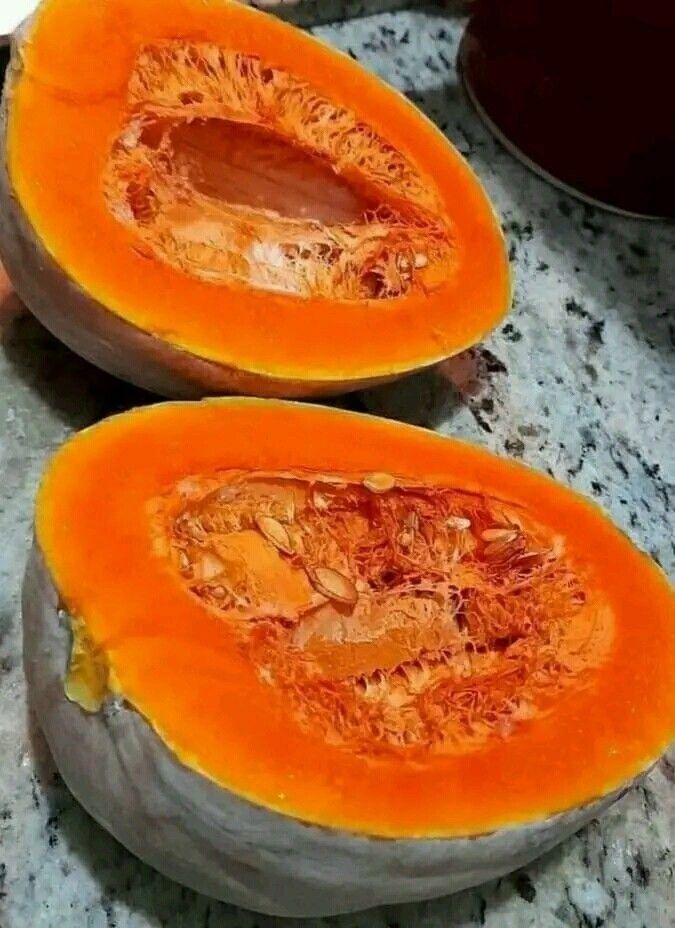
The demand for pumpkin flour has grown very fast in 2026 because health-conscious people are buying it for making porridge and baked goods. Pumpkin flour sells for 500 shillings per kilogram in health food stores and supermarkets, which is 20 times more than fresh pumpkins. The seeds can be roasted and sold as a snack or cold-pressed to make oil, and the seed oil sells for 800 to 1,200 shillings per litre. Farmers who invest in processing equipment can earn much more from their pumpkins than those who sell them fresh.
This article by Farmers Trend Ltd. contains everything you need to know about growing pumpkins for money in Kenya and how to add value to your harvest. You will learn which varieties to plant, how to prepare your land, how to space the plants, how to feed them, how to control pests, how to harvest, how to cure and store pumpkins for up to 6 months, and how to process them into flour, roasted seeds, and oil. The information comes from successful farmers and from agricultural research institutions that study vegetable crops.

The 2026 Industrialization of the Pumpkin Value Chain in Kenya
The pumpkin market in Kenya has become saturated because many farmers plant pumpkins without thinking about when they will harvest and where they will sell. The peak harvest periods in May and December cause prices to drop so low that some farmers cannot even pay for the transport to take their pumpkins to the market. Farmers who want to make money from pumpkins need to either time their planting so that they harvest when supply is low, or they need to process their pumpkins into products that do not spoil and can be sold throughout the year.
The industrial processing of pumpkins has become the best way to survive in the 2026 market because flour, seeds, and oil have much longer shelf lives than fresh pumpkins. A pumpkin that has been cured properly can be stored for 6 months, but fresh pumpkins that are not cured will rot within a few weeks. Flour can be stored for 12 to 18 months, and oil can be stored for 24 months or more. This means that farmers who process their pumpkins do not have to sell them when prices are low.
The nutritional value of pumpkins is what drives the demand for processed products. The flesh is rich in beta-carotene, which the body turns into vitamin A, and this is good for eye health and the immune system. The seeds are rich in zinc, which is good for skin health and the immune system, and they also have protein and healthy fats. These nutrients make pumpkin products popular with health-conscious consumers and with companies that make fortified porridge flours for children.
| Variety | Weight Range | Maturation Days | Primary Use | Storage Potential |
|---|---|---|---|---|
| Israel Giant | 5-30 kg | 110-130 | Flour processing | 6 months |
| White Giant | 5-20 kg | 100-120 | Flour processing | 6 months |
| Butternut | 1-2 kg | 90-100 | Fresh export, retail | 3 months |
| Cinderella | 2-4 kg | 100-110 | Fresh retail | 4 months |
| Grey Dinner | 3-8 kg | 100-120 | Flour, seed oil | 5 months |
Matching Variety to Industrial Intent
The variety of pumpkin you plant determines what you can do with it, and choosing the wrong variety can make processing difficult or impossible. The Israel Giant and White Giant varieties are very large pumpkins that can weigh 5 to 30 kilograms each, and they are the best choice for making flour because they produce a lot of flesh. One giant pumpkin can make 2 to 5 kilograms of flour, which sells for 500 shillings per kilogram, so a single pumpkin can be worth 1,000 to 2,500 shillings as flour.
The Butternut variety is smaller and sweeter, and it is the preferred choice for the fresh export market and for high-end retail stores. Butternut pumpkins weigh only 1 to 2 kilograms each, and they have a smooth texture and a sweet taste that people like. Exporters look for Butternut pumpkins because they are the right size for shipping and they have good shelf life.
The Cinderella variety is medium-sized and has a flat shape that looks like the pumpkin in the fairy tale. This variety is popular for fresh retail because it looks attractive on the shelf, and it also makes good flour.
The Grey Dinner variety is used for both flour and seed oil because it produces a lot of seeds that have high oil content.
| Cost Item | Quantity | Unit Price | Total |
|---|---|---|---|
| Pumpkin seeds (Israel Giant) | 2 kg | 2,000 KSh | 4,000 KSh |
| Land preparation | 1 acre | 8,000 KSh | 8,000 KSh |
| Manure (2 tons) | 2,000 kg | 3,000 KSh/ton | 6,000 KSh |
| DAP fertilizer | 50 kg | 130 KSh/kg | 6,500 KSh |
| CAN fertilizer | 50 kg | 90 KSh/kg | 4,500 KSh |
| Drip irrigation system | 1 acre | 60,000 KSh | 60,000 KSh |
| Labor (planting, weeding, harvest) | 20 days | 500 KSh/day | 10,000 KSh |
| Pest control materials | 1 acre | 8,000 KSh | 8,000 KSh |
| Total First-Year Investment | 107,000 KSh |

Surviving Saturated Markets through Processing
The fresh pumpkin market in Kenya is flooded with too many pumpkins during the peak harvest months, and farmers who only sell fresh pumpkins often struggle to get good prices. Processors who buy pumpkins for flour and oil can offer better prices because they are not limited by the short shelf life of fresh produce. A farmer who processes their own pumpkins can get 500 shillings per kilogram for flour, compared to 15 to 25 shillings per kilogram for fresh pumpkins.
The equipment needed for processing includes a dehydrator for drying the pumpkin flesh, a miller for grinding the dried flesh into flour, a roaster for the seeds, and a cold press oil extractor for the seed oil. A small dehydrator costs 30,000 to 50,000 shillings, a miller costs 20,000 to 40,000 shillings, and a cold press oil extractor costs 80,000 to 150,000 shillings. This equipment can be shared by a group of farmers to reduce the cost per person.
The process for making pumpkin flour starts with washing the pumpkins and cutting them open to remove the seeds. The flesh is cut into thin slices or small pieces and put into the dehydrator to dry at 50 to 60 degrees Celsius for 8 to 12 hours. When the flesh is completely dry and brittle, it is ground into a fine powder using the miller. The flour is then packed in airtight bags and stored in a cool, dry place.
The seeds are washed to remove the pulp and then dried in the sun or in the dehydrator. Some seeds are roasted and salted to be sold as a snack, and others are cold-pressed to extract the oil. The oil is then filtered and bottled for sale.
| Equipment | Estimated Cost | Use |
|---|---|---|
| Industrial dehydrator | 30,000-50,000 KSh | Drying pumpkin flesh |
| Hammer mill | 20,000-40,000 KSh | Grinding dried flesh to flour |
| Seed roaster | 10,000-20,000 KSh | Roasting seeds for snacks |
| Cold press oil extractor | 80,000-150,000 KSh | Extracting seed oil |
| Sealing machine | 10,000-15,000 KSh | Packaging flour and oil |
| Total Equipment Cost | 150,000-275,000 KSh |

Land Preparation and Planting for Pumpkin Farming in Kenya
Pumpkins need well-drained soil with a pH between 5.5 and 7.0, and they need full sunlight for at least 6 hours every day. The land should be ploughed to 20 to 25 centimeters depth, and then harrowed to break up the clods and remove weeds. Manure should be applied at 2 tons per acre and mixed into the soil.
The spacing for pumpkins depends on the variety, with giant varieties needing more space than smaller varieties. Israel Giant and White Giant should be spaced 3 meters by 3 meters, which gives about 450 plants per acre. Butternut and Cinderella can be spaced 2 meters by 2 meters, which gives about 1,000 plants per acre. The planting holes should be 30 centimeters wide and 30 centimeters deep.
Plant the seeds at a depth of 2 to 3 centimeters, with 2 to 3 seeds per hole. After germination, thin to the strongest one or two plants per hole. The best time to plant is at the start of the rains in March and October, but farmers with irrigation can plant at any time of the year.

Fertilizer and Water Management for Pumpkin Farming
Pumpkins need a lot of nutrients to produce large fruits, and the fertilizer program should be adjusted based on the variety and the soil test results. At planting, apply DAP fertilizer at 50 kilograms per acre, placing the fertilizer in the planting hole but not touching the seeds. Three to four weeks after planting, apply CAN fertilizer at 50 kilograms per acre as a side dressing.
Drip irrigation is the best method for watering pumpkins because it delivers water directly to the root zone and keeps the leaves dry, which reduces the risk of fungal diseases. The most critical time for water is during flowering and fruit set, and the plants should not be allowed to dry out during this period. Water stress during flowering causes the flowers to drop off, and water stress during fruit development causes the fruits to be small.
Mulching is very important for pumpkin farming because it keeps the soil moist, suppresses weeds, and prevents the fruits from touching the bare soil. Use dry grass or straw as mulch, and put a layer that is 10 to 15 centimeters thick around the plants. The mulch also helps to keep the fruits clean and reduces the risk of rot.
Curing and Storage to Wait for Price Recovery
Curing is a process that hardens the skin of the pumpkin so that it can be stored for a long time without rotting. The pumpkins should be cured by keeping them at 25 to 30 degrees Celsius for 10 days. This can be done by leaving them in the field after harvest if the weather is warm and dry, or by putting them in a warm, well-ventilated room.
After curing, the pumpkins can be stored in a cool, dry, well-ventilated place for up to 6 months. The storage area should have good air circulation and should be free from rodents and insects. The pumpkins should be placed on shelves or racks so that they are not touching each other, and they should be checked regularly for signs of rot.
Farmers who have storage facilities can keep their pumpkins and sell them when the market prices are high. The prices are usually best during the dry season from January to March and from July to September when supply is low. A farmer who stores pumpkins for 3 to 6 months can get 30 to 50 shillings per kilogram instead of 15 to 25 shillings per kilogram at harvest time.
Pests and Diseases in Pumpkin Farming
Powdery mildew is a fungal disease that looks like white powder on the leaves, and it spreads during dry weather with cool nights. The disease causes the leaves to turn yellow and die, which reduces the plant’s ability to make food for the fruits. Powdery mildew can be controlled with sulfur-based fungicides, and farmers should start spraying when they first see the white powder on the leaves.
Fruit flies are the most serious pest for pumpkins because the female flies lay eggs inside the fruit, and the maggots eat the flesh from the inside. The fruit will rot and become unmarketable. Fruit flies can be controlled with pheromone traps that attract the male flies, and with protein bait sprays mixed with insecticide.
Bacterial wilt causes the plants to wilt and die suddenly, and there is no cure for this disease. The bacteria live in the soil and enter the plants through wounds in the roots or stems. Prevention is the best strategy, and this includes crop rotation, using disease-free seeds, and removing infected plants immediately.
| Pest/Disease | Damage | Control |
|---|---|---|
| Powdery mildew | White powder on leaves, leaf death | Sulfur fungicides |
| Fruit flies | Larvae inside fruit, rot | Pheromone traps, bait sprays |
| Bacterial wilt | Sudden wilting, plant death | Crop rotation, remove infected plants |
| Aphids | Curled leaves, virus transmission | Neem oil, insecticidal soap |
Harvesting and Curing Your Pumpkins
Pumpkins are ready to harvest when the skin has turned from green to orange or yellow, depending on the variety, and when the skin is hard enough that you cannot scratch it with your fingernail. The stem should be dry and brown, and the pumpkin should sound hollow when you tap it.
Harvest by cutting the stem with a sharp knife, leaving 5 to 10 centimeters of stem attached to the fruit. Do not carry the pumpkin by the stem because the stem can break off, and the pumpkin will rot at the spot where the stem was attached. Place the pumpkins in a single layer on a clean, dry surface.
After harvest, cure the pumpkins by keeping them at 25 to 30 degrees Celsius for 10 days. This hardens the skin and heals any small cuts or scratches. After curing, store the pumpkins in a cool, dry, well-ventilated place. Properly cured and stored pumpkins can last for 4 to 6 months.
| Yield Level | Fresh Pumpkins (kg) | Fresh Price/kg | Revenue | Flour (kg) | Flour Price/kg | Revenue from Flour |
|---|---|---|---|---|---|---|
| Low | 8,000 | 20 | 160,000 | 800 | 500 | 400,000 |
| Average | 10,000 | 25 | 250,000 | 1,000 | 500 | 500,000 |
| High | 15,000 | 30 | 450,000 | 1,500 | 500 | 750,000 |
How Much Money You Can Make from Pumpkin Farming
The first year of growing pumpkins on one acre costs about 107,000 shillings for seeds, land preparation, manure, fertilizer, irrigation, and labor. The harvest will be 8,000 to 15,000 kilograms of fresh pumpkins depending on the variety and how well the crop is managed.
If you sell fresh pumpkins at 20 to 30 shillings per kilogram, the revenue will be 160,000 to 450,000 shillings, and the profit will be 53,000 to 343,000 shillings per acre. If you process the pumpkins into flour, 1,000 kilograms of fresh pumpkin makes about 100 kilograms of flour. At 500 shillings per kilogram for flour, the revenue from processing is much higher than from selling fresh pumpkins.
A farmer who processes 10,000 kilograms of fresh pumpkins into 1,000 kilograms of flour gets 500,000 shillings, which is 250,000 shillings more than selling fresh. Adding roasted seeds and seed oil can increase the revenue even more.

Next Step for Pumpkin Farming in Kenya
Pumpkin farming in Kenya can be profitable, but farmers need to plan for processing instead of only selling fresh pumpkins. The fresh market is too crowded during peak harvest months, and prices drop so low that many farmers lose money. Farmers who invest in dehydrators and mills can turn their pumpkins into flour that sells for 500 shillings per kilogram, and they can store the flour for 12 to 18 months.
The best varieties for processing are Israel Giant and White Giant because they produce a lot of flesh. Butternut is best for fresh export, and Cinderella is good for fresh retail. Seeds from any variety can be roasted for snacks or pressed for oil.
For certified pumpkin seeds, site checks, and the 2026 Pumpkin farming in Kenya PDF guide, call Farmers Trend Ltd at 0790509684. The farmers who have started processing their pumpkins are now earning 500,000 shillings or more per acre, and they are not affected by the price drops that hurt farmers who only sell fresh pumpkins. The time to start your pumpkin farming in Kenya journey is now.
https://farmerstrend.co.ke/trending/pumpkin-farming-in-kenya-2026-guide/https://farmerstrend.co.ke/wp-content/uploads/2026/04/pumpkin-farming-in-kenya.jpeghttps://farmerstrend.co.ke/wp-content/uploads/2026/04/pumpkin-farming-in-kenya-150x150.jpeg# TrendingPumpkinsBest pumpkin variety for export,Butternut pumpkin farming,Cold press oil extractor pumpkin seeds,Farmers Trend pumpkin seeds,Giant pumpkin seeds price,Israel Giant pumpkin seeds,Market for pumpkins in Kenya 2026,Pumpkin curing and storage,Pumpkin dehydrator cost,Pumpkin farming in Kenya PDF,Pumpkin flour processing business,Pumpkin value addition machines price KenyaPumpkin Farming in Kenya 2026 - 15 Tons Per Acre and KSh 750,000 Revenue from Processing Pumpkin farming in Kenya has been transforming from a small kitchen garden crop to a serious business, but many farmers are struggling because the market gets flooded with too many pumpkins at certain times...FarmersTrendjohn doefarmerstrend@gmail.comAdministratorFarmers Trend Ltd.

Best advice thanks